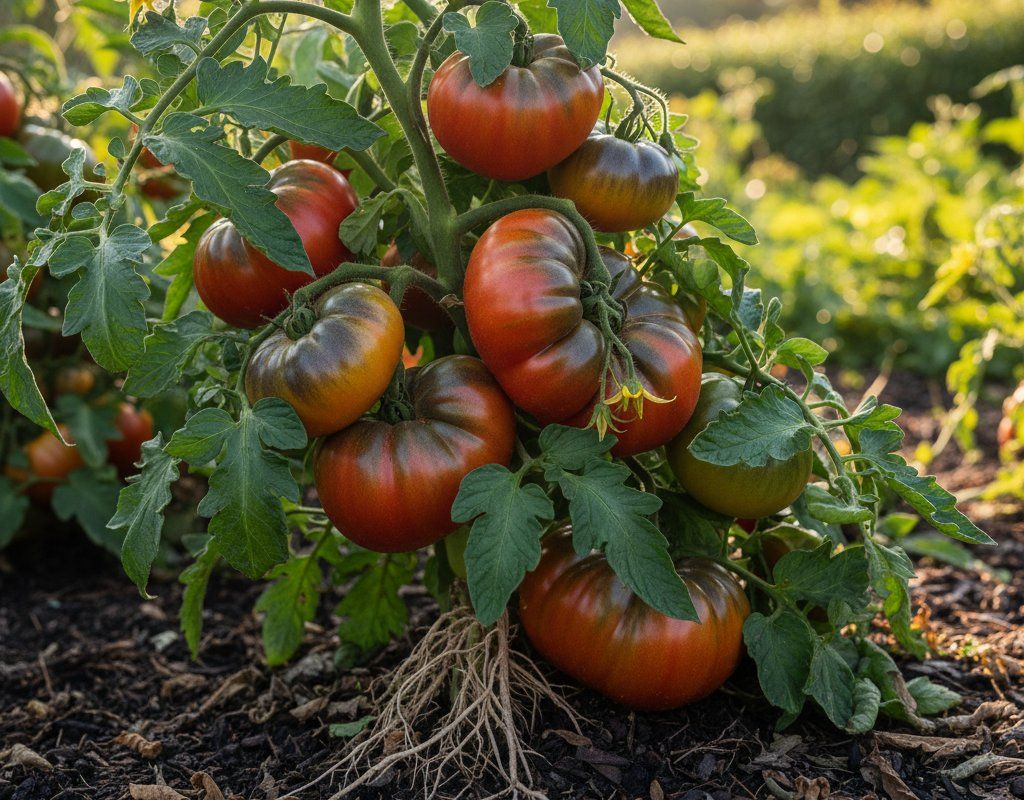
Heirloom Tomatoes in Zone 5B — Northeast
Solanum lycopersicum · Your Complete 2026 Planting Guide
Planning Ahead — Great!
You’re ahead of the season. Here’s when to start.
Mark Your Calendar
How to Plant Heirloom Tomatoes in Zone 5B — Northeast
Here are all your options for getting heirloom tomatoes in the ground, from the easiest method to more advanced approaches.
Start Seeds Indoors
RecommendedLate March through mid April
around March 28
Then transplant: Early May through early June
Start seeds 6-8 weeks before transplanting outdoors.
Buy Starts
Works WellEarly May through early June
around May 9
Plant purchased starts after last frost (April 25).
Direct Sow Seeds
ChallengingDirect sowing is not typical for Heirloom Tomatoes.
Transplant Outdoors
Timing InfoEarly May through early June
around May 9
Wait until nighttime temperatures stay above 50°F.
You have a nice window — no need to rush.
Overview
Heirloom tomatoes are the crown jewel of our short Northeast growing season — varieties like Brandywine, Cherokee Purple, and Black Krim deliver flavors that put grocery store tomatoes to shame. Our cool nights actually work in your favor here, concentrating sugars and developing those complex flavors that make heirlooms worth the extra effort. The moderate summer heat means less stress on plants, and you'll taste the difference in every slice.
Yes, our 168-day growing season feels short for these slow-maturing beauties, and late spring frosts can make you nervous about transplanting. But with proper indoor starting and careful timing, you can absolutely grow spectacular heirloom tomatoes in Zone 5B. The key is working with our climate's rhythm rather than fighting it.
Starting Seeds Indoors
Start your heirloom tomato seeds indoors from late March through mid-April, about 6 weeks before you plan to transplant. Our late spring character means there's no rush — starting too early just leaves you with leggy seedlings waiting around for warm weather that won't come until May anyway.
Set up seed trays with a quality seed-starting mix and keep them warm (70-75°F works well). Once seedlings emerge, they'll need strong light — either a sunny south window or grow lights positioned just inches above the plants. Bottom watering works best to prevent damping-off disease, which can devastate tomato seedlings in our humid spring conditions.
As seedlings develop their first true leaves, transplant them into individual 4-inch pots. This gives their roots room to develop during those final weeks indoors while our rocky New England soil slowly warms up outside.
Transplanting Outdoors
Plan to transplant your heirlooms outdoors from early May through early June, when nighttime temperatures consistently stay above 50°F and soil has warmed to at least 60°F. Our last frost typically hits around late April, but don't rush — heirloom tomatoes sulk in cool soil and won't grow much until things really warm up.
Hardening off is crucial in our region's unpredictable spring weather. Start about a week before transplanting by moving plants outside for a few hours daily, gradually increasing their exposure to wind and direct sun. Our spring temperature swings can shock plants that aren't properly acclimated.
Space plants 36-48 inches apart — heirlooms need good air circulation, especially with our moderate-to-humid summers that can promote disease. Dig holes deep enough to bury about two-thirds of the stem, which encourages strong root development. Install support cages or stakes at planting time rather than disturbing roots later.
Watering Heirloom Tomatoes in Zone 5B (Northeast)
Consistent moisture is absolutely critical for heirloom tomatoes, which crack much more easily than hybrid varieties when watering is erratic. Aim for about 1-1.5 inches of water per week, including rainfall. Our Northeast region typically gets 40-50 inches annually with fairly even distribution, but summer dry spells still happen.
Check soil moisture by sticking your finger 2 inches deep near the base of plants. In our moderate summer heat (usually peaking around 82°F), you'll likely need to water 2-3 times per week during dry periods. Water at the base rather than overhead — our moderate-to-humid conditions already promote fungal diseases, and wet foliage makes things worse.
Watch for warning signs: wilting during hot afternoons (even with adequate soil moisture) is normal, but morning wilting means the plant needs water. Cracking fruit, blossom end rot, or sudden leaf yellowing often indicates inconsistent watering. Overwatering shows up as yellowing lower leaves and slow growth.
A 3-4 inch layer of organic mulch around plants helps maintain even soil moisture and prevents the wet-dry cycles that cause cracking. Straw or shredded leaves work well in our climate and gradually improve our often rocky soil as they decompose.
Supporting Your Heirloom Tomatoes
Heirloom tomatoes are almost always indeterminate varieties that keep growing and producing until frost — they need strong, tall support from day one. Heavy-duty tomato cages (at least 5-6 feet tall) or sturdy stakes with soft ties work best for these vigorous plants that can easily reach 6-8 feet by season's end.
Install support systems at transplant time to avoid disturbing established roots later. Heirloom fruits are often large and irregularly shaped, creating more weight and wind resistance than standard tomatoes. Our occasional summer storms can topple unsupported plants, destroying a season's worth of growth overnight.
Train plants weekly by gently weaving new growth through cage openings or tying to stakes with soft fabric strips. As plants grow taller, you may need to add bamboo stakes to extend cage height or provide additional anchor points against our sometimes gusty summer weather.
Pruning & Maintaining Heirloom Tomatoes
Remove suckers (shoots growing between main stem and branches) when they're small and tender — this focuses energy into fruit production rather than excessive foliage. Don't go overboard though; heirlooms need adequate leaf cover to protect developing fruits from our variable summer sun exposure.
Prune lower branches that touch the ground or show early disease signs, especially important with our moderate-to-humid summers that encourage fungal problems. Remove these cleanly at the main stem to improve air circulation around the plant base.
Around mid-August, pinch off the growing tips to redirect energy into ripening existing fruits before our first frost arrives in early October. Remove any new flower clusters that appear after this point — they won't have time to develop into ripe tomatoes anyway, and you want the plant focusing on finishing what it's already started.
🧪Fertilizing Heirloom Tomatoes
Feeding Schedule
Organic Fertilizer Options
Harvest Time
Your first ripe heirloom tomatoes should be ready from late July through mid-September, about 80 days from transplanting. Unlike uniform hybrid varieties, heirloom ripeness varies significantly by type — some stay green-shouldered when ripe, others turn deep purple or striped patterns that can fool you into thinking they're not ready.
Look for these ripeness signs: slight softness when gently squeezed, easy detachment from the vine with light pressure, and color development appropriate for the variety. Many heirlooms feel soft when ripe — don't wait for grocery store firmness or you'll miss peak flavor.
Harvest regularly to encourage continued production, checking plants every 2-3 days during peak season. Cut stems rather than pulling to avoid damaging the vine, especially important since heirlooms often have more delicate attachment points than hybrids.
As our first frost approaches in early October, harvest all remaining fruits regardless of size. Green tomatoes will ripen indoors at room temperature — wrap individually in newspaper and check weekly. This extends your harvest well into fall, making the most of every tomato your short growing season produced.
Common Problems in Zone 5B (Northeast)
Cracking appears as splits in the tomato skin, either in concentric circles around the stem end or radiating lines from stem to bottom. You'll often see this after heavy rain following a dry period, when fruits absorb water faster than their skins can stretch. Our even rainfall pattern helps, but summer dry spells followed by heavy storms can trigger this. Prevent cracking by maintaining consistent soil moisture through regular watering and mulching, and harvest fruits promptly when ripe rather than leaving them on the vine.
Disease susceptibility shows up as yellowing leaves, brown spots, or wilting despite adequate water — heirlooms lack the resistance genes bred into modern hybrids. Our moderate-to-humid summers create perfect conditions for fungal diseases like early blight and septoria leaf spot. Combat diseases by spacing plants widely for air circulation, pruning lower branches, and applying preventative copper fungicide every 2-3 weeks during humid periods. Remove affected foliage immediately and clean up all plant debris in fall.
Lower yields compared to hybrid varieties is simply the trade-off for superior flavor — heirlooms produce fewer but tastier fruits. Our short 168-day growing season makes this more noticeable since you have less time to accumulate harvests. Maximize production by starting seeds early, choosing shorter-season varieties (70-80 days), and extending the season with row covers when light frosts threaten in early fall.
Irregular shapes including ridged, ribbed, or lumpy fruits are characteristic of many heirloom varieties, though poor pollination during cool spring weather can worsen this. Embrace the character — these "ugly" tomatoes often have the most complex flavors. If appearance matters for slicing, choose varieties known for smoother fruits like Cherokee Purple or Mortgage Lifter.
Northeast Specific Challenges: Our moderate heat and humidity levels actually benefit heirlooms compared to hotter regions, reducing heat stress while our cool nights concentrate flavors. However, the short growing season means every week counts, and our rocky soil often needs significant amendment to provide the consistent moisture these varieties demand.
Best Companions for Heirloom Tomatoes
Plant these nearby for healthier Heirloom Tomatoes and better harvests.
View Full Companion Planting Chart →



Companion Planting Details
Good companions for heirloom tomatoes include basil planted nearby — it reportedly improves flavor while deterring aphids and spider mites that can weaken plants. Carrots make excellent use of space between tomato plants, and their deep taproots help break up our often compacted Northeast soil. Parsley attracts beneficial insects that prey on tomato pests, while marigolds help repel nematodes and add color to your tomato patch.
Avoid planting brassicas (cabbage family) near tomatoes since they can stunt each other's growth and compete for similar nutrients in our typically nutrient-poor rocky soil. Keep fennel away from tomatoes — it releases compounds that inhibit tomato growth. Corn is also a poor companion since both are heavy nitrogen feeders that will compete intensely in our shorter growing season when every nutrient matters.
🌸Best Flowers to Plant with Heirloom Tomatoes
These flowers protect your Heirloom Tomatoes from pests and attract pollinators for better harvests.
For Pest Control

Get a Reminder When It's Time to Plant
We'll email you when key planting windows open for your zone.