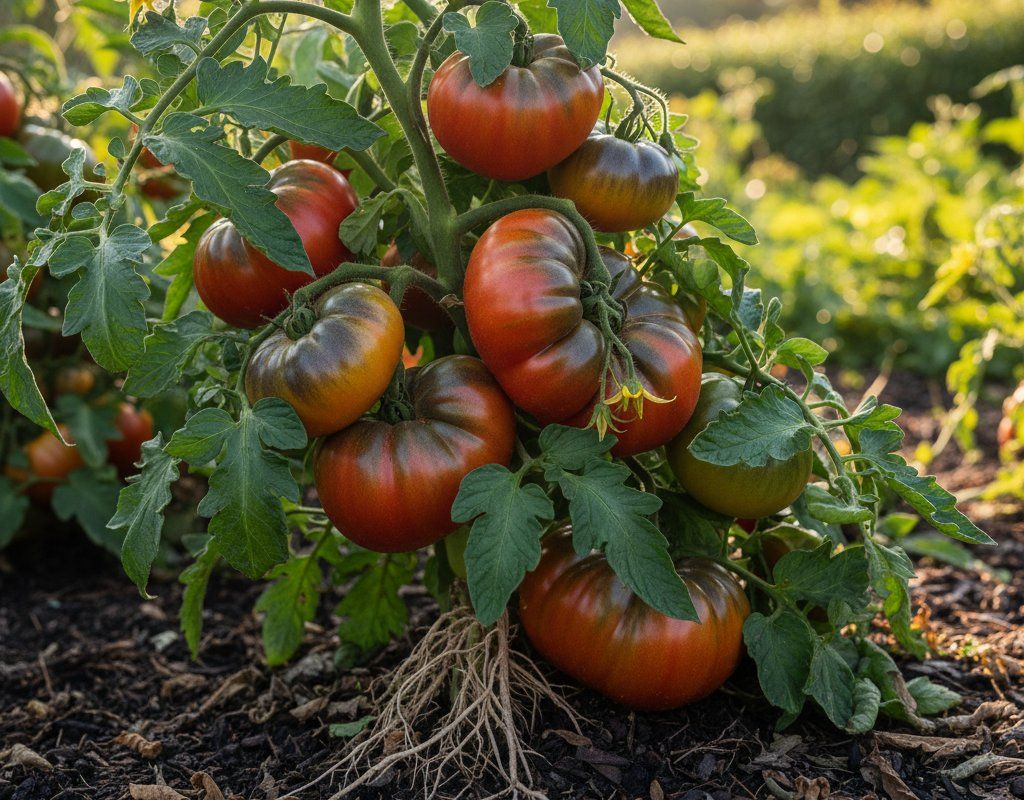
Heirloom Tomatoes in Zone 7A — Desert Southwest
Solanum lycopersicum · Your Complete 2026 Planting Guide
Last Call for Seed Starting!
Indoor seed starting window closes in 7 days.
Start Seeds This Week
Start seeds now for transplanting later.
Or Wait for Starts
If you don’t want to start seeds, starts will be available around April 8.
How to Plant Heirloom Tomatoes in Zone 7A — Desert Southwest
Here are all your options for getting heirloom tomatoes in the ground, from the easiest method to more advanced approaches.
Start Seeds Indoors
RecommendedMid February through mid March
around February 25
Then transplant: Early April through early May
Start seeds 6-8 weeks before transplanting outdoors.
Buy Starts
Works WellEarly April through early May
around April 8
Plant purchased starts after last frost (March 25).
Direct Sow Seeds
ChallengingDirect sowing is not typical for Heirloom Tomatoes.
Transplant Outdoors
Timing InfoEarly April through early May
around April 8
Wait until nighttime temperatures stay above 50°F.
You have a nice window — no need to rush.
Overview
Growing heirloom tomatoes in our Zone 7A Desert Southwest region rewards you with flavors you simply can't buy in stores. These varieties, passed down through generations, offer complex tastes ranging from sweet and fruity to rich and earthy, plus the satisfaction of continuing garden traditions adapted to our unique climate. With our 230-day growing season and two distinct planting windows, you can enjoy fresh heirloom tomatoes from late June through the first frost.
Our extreme summer heat and arid conditions do present challenges for these tender plants, but proper timing makes all the difference. By starting seeds indoors during our mild winter months and transplanting in early spring, you'll have strong plants ready to produce before the brutal summer temperatures arrive. The key is working with our desert climate patterns rather than against them.
Starting Seeds Indoors
Start your heirloom tomato seeds indoors from mid-February through mid-March, about six weeks before your planned transplant date. This timing takes advantage of our very early spring character, giving seedlings time to develop strong root systems before facing outdoor conditions.
Set up seed trays in a warm spot (70-75°F) with good light once seeds germinate. A sunny south-facing window works well during our mild winter months, though you may need supplemental grow lights on cloudy days. Keep soil consistently moist using bottom watering - place trays in shallow pans of water and let the soil absorb moisture from below.
Your seedlings will be ready for transplanting when they're 6-8 inches tall with several sets of true leaves, typically 6-8 weeks after sowing. This indoor start method is essential in our region since direct sowing simply doesn't work with our temperature extremes and short spring window.
Transplanting Outdoors
Transplant your heirloom tomato seedlings outdoors from early April through early May, after the last frost danger passes in late March. This gives you about a month-long window to get plants established before summer heat arrives. Choose a calm, overcast day if possible to reduce transplant shock.
Harden off seedlings gradually over one week by placing them outdoors for increasing periods each day, starting with 2-3 hours in filtered sunlight. This process is especially important in our desert climate where the transition from indoor conditions to outdoor sun and wind can be dramatic.
Space plants 36-48 inches apart to ensure good air circulation - this wider spacing helps prevent disease issues common with heirloom varieties and accommodates their typically larger, more sprawling growth habit. Plant deeply, burying 2/3 of the stem to encourage strong root development that will help plants survive our challenging summer conditions.
Watering Heirloom Tomatoes in Zone 7A (Desert Southwest)
Consistent moisture is absolutely critical for heirloom tomatoes in our arid Desert Southwest climate. These varieties are particularly prone to cracking when subjected to the dry-wet cycles common in desert gardening, so maintaining even soil moisture becomes your top priority throughout the growing season.
Water deeply 2-3 times per week during spring, providing about 1-2 inches total. Check soil moisture by inserting your finger 2 inches deep - if it feels dry, it's time to water. As summer heat intensifies, you'll need to increase frequency to daily watering, sometimes twice daily during peak heat periods when temperatures hit 105°F or higher.
Always water at the base of plants using soaker hoses or drip irrigation rather than overhead sprinklers. Our low humidity means water on leaves evaporates quickly but can still promote disease if applied late in the day. Morning watering allows any splash to dry quickly while giving plants moisture reserves for the hot afternoon hours.
Apply a 3-4 inch layer of mulch around plants to conserve moisture and moderate soil temperature swings. Avoid mulching directly against stems to prevent pest issues. Signs of underwatering include wilting, dry soil, and fruit cracking, while overwatering shows as yellowing lower leaves and soggy soil conditions.
Supporting Your Heirloom Tomatoes
Install strong support systems at planting time since most heirloom varieties are indeterminate and will grow 6-8 feet tall with heavy, irregularly shaped fruit. Heavy-duty tomato cages (at least 6 feet tall) or sturdy stakes with horizontal supports work best for these vigorous plants.
For staking, use 8-foot stakes driven 2 feet deep and tie plants loosely with soft cloth strips as they grow. The irregular, often large fruits of heirloom varieties put extra stress on branches, so support becomes even more critical than with standard hybrids.
Train main stems upward and secure side branches that develop heavy fruit clusters. Start training early when plants are young and flexible - waiting too long makes it difficult to guide growth without breaking stems.
Pruning & Maintaining Heirloom Tomatoes
Remove suckers (shoots growing between main stem and branches) regularly to maintain plant structure and improve air circulation. This is especially important with heirloom varieties since they're more susceptible to diseases than modern hybrids, and our monsoon humidity can create perfect conditions for fungal issues.
Prune lower leaves that touch the ground and any yellowing or diseased foliage throughout the season. Remove about the bottom 12 inches of branches once fruits begin forming to prevent soil-borne diseases from splashing onto leaves during watering.
As first frost approaches in early November, top plants by removing growing tips to redirect energy into ripening existing fruits rather than producing new ones. This practice helps maximize your harvest before cold weather ends the season.
🧪Fertilizing Heirloom Tomatoes
Feeding Schedule
Organic Fertilizer Options
Harvest Time
Expect your first ripe tomatoes from late June through mid-August, depending on variety and planting timing. Unlike hybrids, heirloom tomatoes show ripeness through varied color changes specific to each variety - some turn deep red, others ripen to yellow, purple, or striped patterns, and many retain green shoulders even when fully ripe.
Look for slight softness when gently squeezed and easy detachment from the vine with a light twist. The stem end should give slightly to pressure, and the tomato should have developed its mature color pattern. Don't wait for perfect uniformity - heirloom varieties often ripen unevenly but still taste incredible.
Harvest regularly every 2-3 days during peak season to encourage continued production. Pick fruits in the morning when they're cool and firm. If temperatures exceed 95°F consistently, harvest slightly underripe fruits and let them finish ripening indoors to prevent sun damage and improve texture.
As early November approaches and first frost threatens, harvest all remaining fruits regardless of ripeness. Green and partially ripe tomatoes will continue ripening indoors if stored in a cool, dark place. Wrap individual fruits in newspaper or place in boxes with apples to speed the ripening process.
Common Problems in Zone 7A (Desert Southwest)
Cracking Concentric circles around the stem or radial splits from stem to bottom characterize this common heirloom problem. You'll see the skin literally split open, exposing the flesh underneath and creating entry points for rot. Our extreme temperature swings and irregular monsoon patterns make this especially problematic in the Desert Southwest. Maintain consistent soil moisture through regular deep watering and mulching. Harvest promptly when ripe and consider drip irrigation to avoid the wet-dry cycles that trigger cracking.
Disease Susceptibility Yellowing leaves, dark spots, wilting despite adequate water, and fuzzy growth on stems or leaves indicate various fungal and bacterial diseases. Heirloom varieties lack the disease resistance bred into modern hybrids, making them more vulnerable to problems encouraged by our monsoon humidity. Improve air circulation with wider spacing and regular pruning. Apply preventative copper fungicide before problems appear, and remove affected foliage immediately to prevent spread.
Sunscald Large, pale, papery patches on the side of fruits facing the afternoon sun show this common Desert Southwest problem. The extreme heat and intense UV radiation in our region can literally cook exposed fruits, especially when temperatures exceed 100°F for extended periods. Provide afternoon shade using shade cloth (30-50%) during peak summer months. Maintain adequate foliage cover and avoid over-pruning which exposes fruits to direct sun.
Lower Yields Fewer fruits per plant compared to hybrid varieties, with production often dropping off during extreme heat periods. Heirloom varieties typically focus energy on flavor development rather than maximum production, and our challenging summer conditions stress plants further. Accept that quality trumps quantity with heirlooms, and provide optimal growing conditions including consistent water, shade during extreme heat, and regular fertilization to maximize what the plants can produce.
Our Desert Southwest climate creates additional challenges for heirloom tomatoes including alkaline soil that can limit nutrient uptake and caliche layers that restrict root development. The combination of extreme heat, low humidity, and intense sun requires extra attention to watering, shading, and soil preparation to successfully grow these flavor-focused varieties.
Best Companions for Heirloom Tomatoes
Plant these nearby for healthier Heirloom Tomatoes and better harvests.
View Full Companion Planting Chart →



Companion Planting Details
Plant basil nearby to naturally repel pests while providing a convenient herb harvest - the aromatic oils help deter aphids and hornworms common in desert gardens. Marigolds planted around the tomato bed discourage nematodes in the soil and add color during our long growing season. Carrots and parsley make excellent understory companions since they don't compete for space and actually help break up our often compacted desert soils while attracting beneficial insects.
Avoid planting brassicas like cabbage or broccoli near tomatoes since they compete for similar nutrients and can attract pests that affect both plant families. Keep fennel away from tomato plants as it can inhibit growth, and avoid corn which creates too much shade for sun-loving tomatoes while attracting shared pests like hornworms that become even more problematic in our desert heat.
🌸Best Flowers to Plant with Heirloom Tomatoes
These flowers protect your Heirloom Tomatoes from pests and attract pollinators for better harvests.
For Pest Control

Get a Reminder When It's Time to Plant
We'll email you when key planting windows open for your zone.