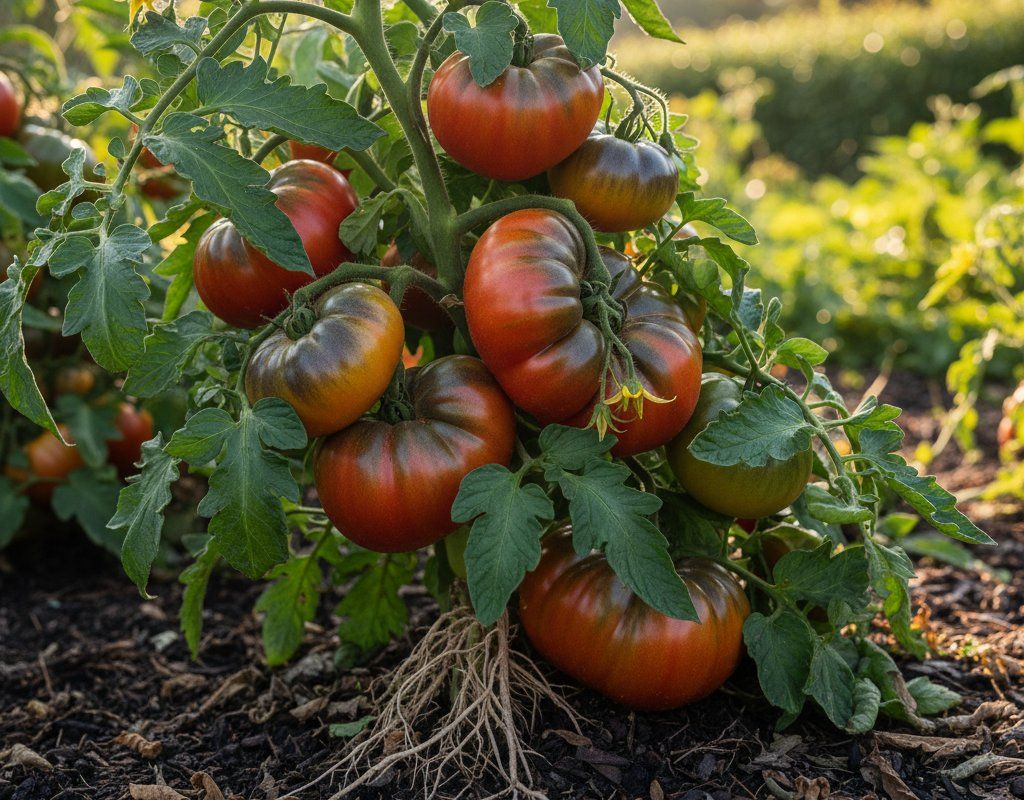
Heirloom Tomatoes in Zone 7A — Midwest
Solanum lycopersicum · Your Complete 2026 Planting Guide
Planning Ahead — Great!
You’re ahead of the season. Here’s when to start.
Mark Your Calendar
How to Plant Heirloom Tomatoes in Zone 7A — Midwest
Here are all your options for getting heirloom tomatoes in the ground, from the easiest method to more advanced approaches.
Start Seeds Indoors
RecommendedEarly to late March
around March 13
Then transplant: Late April through late May
Start seeds 6-8 weeks before transplanting outdoors.
Buy Starts
Works WellLate April through late May
around April 24
Plant purchased starts after last frost (April 10).
Direct Sow Seeds
ChallengingDirect sowing is not typical for Heirloom Tomatoes.
Transplant Outdoors
Timing InfoLate April through late May
around April 24
Wait until nighttime temperatures stay above 50°F.
You have a nice window — no need to rush.
Overview
Heirloom tomatoes are the crown jewels of any Midwest vegetable garden, offering flavors that make store-bought tomatoes taste like cardboard. With our fertile soil and good summer heat, Zone 7A provides excellent conditions for these flavorful varieties to develop their full complexity — from the sweet intensity of Cherokee Purples to the meaty richness of Brandywines. Our moderate-to-humid summers and adequate rainfall create ideal growing conditions once these heat-loving plants get established.
While our variable spring weather and occasional late frost can make timing tricky, our generous 193-day growing season gives heirloom tomatoes plenty of time to mature. The key is starting seeds indoors during early spring's unpredictable weather, then transplanting after our soil warms and frost danger passes.
Starting Seeds Indoors
Start your heirloom tomato seeds indoors during early to late March, about 6 weeks before you plan to transplant them outside. This timing works perfectly with our moderate-to-late spring character, giving seedlings time to develop strong root systems while outdoor conditions stabilize. Use seed trays filled with quality potting mix, and keep the soil consistently warm — around 70-75°F works best for germination.
Bottom watering works especially well for tomato seedlings since it encourages deep root development without disturbing tiny seeds. Place your seed trays in a warm spot with bright light once seedlings emerge, either under grow lights or in a sunny south-facing window. You'll need to provide 12-14 hours of light daily for stocky, healthy transplants.
As seedlings develop their second set of true leaves, transplant them into individual 3-4 inch pots. This gives their roots room to grow during the remaining weeks before outdoor transplanting, creating stronger plants that handle our sometimes challenging spring weather better.
Transplanting Outdoors
Plan to transplant your heirloom tomatoes outdoors anytime from late April through late May, once soil temperatures consistently reach 60°F and night temperatures stay above 50°F. In our region, you can usually count on Memorial Day as a safe bet, though some years allow earlier planting if you watch the weather carefully. Wait too long past late May, and you'll cut into your productive season.
Harden off your seedlings gradually over one week before transplanting — start with just an hour outdoors on the first day, gradually increasing exposure time and decreasing protection. Our spring weather can shift quickly from warm to chilly, so this gradual transition helps prevent transplant shock.
Space heirloom tomatoes 36-48 inches apart to ensure good air circulation, which becomes crucial during our moderate-to-humid summers. Most heirloom varieties are indeterminate growers that spread wider than hybrid varieties, so give them room. Plant in your sunniest spot with well-draining soil — if you're dealing with our typical clay soil, work in compost to improve drainage.
Watering Heirloom Tomatoes in Zone 7A (Midwest)
Heirloom tomatoes need consistent, deep watering throughout our growing season — about 1-2 inches per week including rainfall. Our wet summers with 30-40 inches annual rainfall help, but you'll still need to supplement during dry spells and heat waves. The key is maintaining steady moisture levels since heirlooms crack more easily than hybrids when watering fluctuates.
Use the finger test to check soil moisture: stick your finger 2 inches deep into the soil near the base of the plant. If it feels dry at that depth, it's time to water deeply. During our typical 86°F summer days with moderate humidity, you'll likely need to water every 2-3 days if rainfall doesn't cooperate.
Water at the base of plants rather than overhead to reduce disease problems — our moderate-to-humid summers can encourage fungal issues when leaves stay wet. A soaker hose or drip irrigation works perfectly for this. Apply 3-4 inches of organic mulch around plants to maintain even soil moisture and reduce the need for frequent watering.
Watch for signs of watering problems: wilted leaves during the heat of the day indicate underwatering, while yellowing lower leaves and poor fruit development often signal overwatering. Cracked tomatoes usually mean you let the soil get too dry before giving them a heavy drink.
Supporting Your Heirloom Tomatoes
Install sturdy cages or stakes at planting time since most heirloom varieties are vigorous indeterminate growers that can easily reach 6-8 feet tall. Heirloom tomatoes produce heavy, irregularly shaped fruit that puts more stress on supports than uniform hybrid varieties, so invest in strong materials — flimsy tomato cages will collapse under the weight.
For cages, choose ones at least 5 feet tall with thick wire construction. For staking, use 6-8 foot stakes driven 12-18 inches deep, positioned about 6 inches from the plant stem. Our summer storms and occasional severe weather can topple inadequate supports, taking your entire harvest with them.
Train plants by gently tying main stems to stakes with soft cloth strips or plant ties, adding new ties every 12-18 inches as plants grow. For caged plants, guide main stems through cage openings and let side branches weave naturally through the structure.
Pruning & Maintaining Heirloom Tomatoes
Remove suckers — the shoots that grow between main stems and leaf branches — when they're small and easy to pinch off. This focuses the plant's energy on fruit production rather than excessive foliage growth. In our moderate-to-humid climate, good air circulation through pruning helps prevent disease problems that heirlooms are particularly susceptible to.
Prune off lower leaves that touch the ground or show signs of yellowing throughout the season. These older leaves are often the first to develop fungal problems, and removing them improves airflow around the base of the plant. Don't over-prune though — heirloom tomatoes need adequate foliage to protect developing fruit from sun scald during our summer heat spells.
As first frost approaches in mid-October, you can top the plants by pinching out growing tips to encourage remaining fruit to ripen. This redirects the plant's energy from new growth to finishing existing tomatoes before cold weather arrives.
🧪Fertilizing Heirloom Tomatoes
Feeding Schedule
Organic Fertilizer Options
Harvest Time
Expect your first ripe heirloom tomatoes from mid-July through late August, depending on variety and when you transplanted. The 80-day maturity clock starts ticking when seedlings go in the ground, so early transplants yield earlier harvests. Unlike hybrids, heirloom ripeness varies dramatically by variety — some turn deep red, others stay green-shouldered, and some ripen to yellow, purple, or striped.
Look for slight softening and easy detachment from the vine rather than relying solely on color. A ripe heirloom tomato should come off the plant with gentle pressure and a slight twist. The shoulder area (around the stem) might stay green on many varieties — this is normal, not underripeness.
Harvest regularly every 2-3 days during peak season to encourage continued production. Handle heirloom tomatoes gently since their thinner skins bruise more easily than hybrids. Pick them in the morning when they're cool and firm for best storage life.
As our first frost approaches in mid-October, harvest all remaining tomatoes regardless of ripeness. Green heirloom tomatoes ripen well indoors if stored in a warm spot with good air circulation. Place them in single layers with good airflow — many will ripen over the next 2-4 weeks, extending your harvest well into fall.
Common Problems in Zone 7A (Midwest)
Cracking Concentric circles or radial lines split through the tomato skin, sometimes exposing the flesh underneath. This happens more frequently with heirloom varieties during our variable summer weather patterns. Heavy rainfall or watering after a dry period causes the fruit to absorb water faster than the skin can expand. Maintain consistent soil moisture with regular watering and mulching to prevent the wet-dry cycle that triggers cracking.
Disease Susceptibility Yellowing leaves, brown spots, or wilting despite adequate water indicates fungal or bacterial disease. Heirloom tomatoes lack the disease resistance genes bred into modern hybrids, making them more vulnerable during our moderate-to-humid summers. Improve air circulation through wider spacing (36-48 inches) and regular sucker removal. Remove affected foliage immediately and consider preventative organic fungicide applications during humid periods.
Lower Yields Fewer tomatoes per plant compared to hybrid varieties is normal for heirlooms since they haven't been bred for maximum production. Cool nights during flower development can also reduce fruit set. Plant a few more heirloom plants than you would hybrids to compensate for naturally lower yields, and focus on the superior flavor rather than quantity.
Irregular Shapes Bumpy, ribbed, or oddly shaped tomatoes are characteristic of many heirloom varieties, though poor pollination during cool spring weather can worsen the problem. These "ugly" tomatoes often have the best flavor — embrace the unique shapes as part of heirloom character. If uniform appearance matters for canning or market sales, choose more uniform heirloom varieties like Stupice or Early Girl.
Midwest Specific Challenges Our moderate-to-humid summers with wet weather patterns create ideal conditions for fungal diseases that particularly affect heirloom tomatoes. The combination of warm days, mild nights, and periodic heavy rainfall can trigger problems quickly, so stay vigilant about pruning for airflow and removing affected plant material promptly.
Best Companions for Heirloom Tomatoes
Plant these nearby for healthier Heirloom Tomatoes and better harvests.
View Full Companion Planting Chart →



Companion Planting Details
Plant basil near your heirloom tomatoes — it naturally repels aphids and hornworms while improving tomato flavor when grown together. Carrots work well as ground cover between tomato plants since their taproots don't compete with shallow tomato roots, and parsley attracts beneficial insects that prey on tomato pests. Marigolds planted around the garden perimeter help deter nematodes and other soil-dwelling pests that can damage tomato roots.
Avoid planting brassicas like cabbage or broccoli near tomatoes since they compete for similar nutrients and can harbor pests that also attack tomatoes. Keep fennel away from your tomato patch — it can inhibit tomato growth and attracts pests. Corn should also be separated since it attracts corn earworms that readily switch to tomato hornworms in our Midwest gardens.
🌸Best Flowers to Plant with Heirloom Tomatoes
These flowers protect your Heirloom Tomatoes from pests and attract pollinators for better harvests.
For Pest Control

Get a Reminder When It's Time to Plant
We'll email you when key planting windows open for your zone.