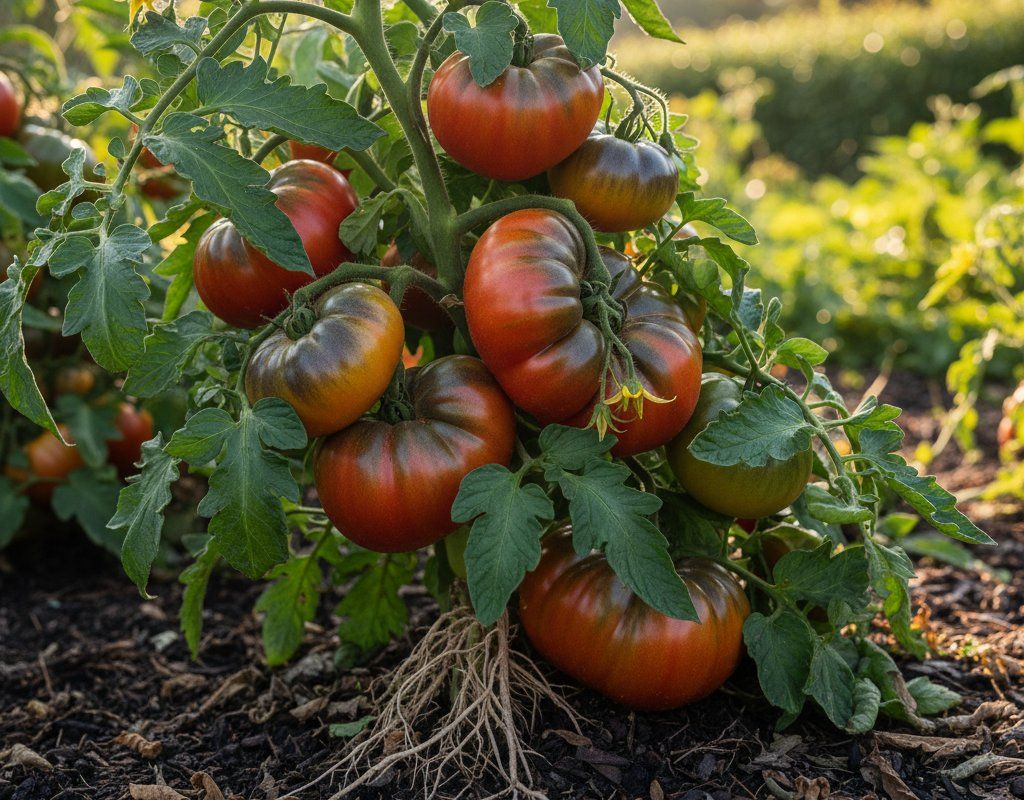
Heirloom Tomatoes in Zone 7A — Northern California
Solanum lycopersicum · Your Complete 2026 Planting Guide
Last Call for Seed Starting!
Indoor seed starting window closes in 2 days.
Start Seeds This Week
Start seeds now for transplanting later.
Or Wait for Starts
If you don’t want to start seeds, starts will be available around April 3.
How to Plant Heirloom Tomatoes in Zone 7A — Northern California
Here are all your options for getting heirloom tomatoes in the ground, from the easiest method to more advanced approaches.
Start Seeds Indoors
RecommendedMid February through early March
around February 20
Then transplant: Early April through early May
Start seeds 6-8 weeks before transplanting outdoors.
Buy Starts
Works WellEarly April through early May
around April 3
Plant purchased starts after last frost (March 20).
Direct Sow Seeds
ChallengingDirect sowing is not typical for Heirloom Tomatoes.
Transplant Outdoors
Timing InfoEarly April through early May
around April 3
Wait until nighttime temperatures stay above 50°F.
You have a nice window — no need to rush.
Overview
Growing heirloom tomatoes in Northern California's Zone 7A is one of the most rewarding projects you can tackle in your garden. Our Mediterranean climate with its long 235-day growing season, warm summers, and mild winters creates ideal conditions for these flavor-packed varieties that put grocery store tomatoes to shame. The complex, rich tastes you'll experience from Cherokee Purples, Brandywines, and Green Zebras simply can't be found anywhere else.
While our dry summers and occasional water restrictions present challenges, proper timing makes heirloom tomato growing completely manageable here. Your plants will establish well before the heat peaks, and our extended fall season often gives you harvests clear into October. With some attention to consistent watering and smart variety selection, you'll be enjoying incredible homegrown tomatoes from midsummer through the first frost.
Starting Seeds Indoors
Start your heirloom tomato seeds indoors from mid-February through early March, giving them about 6 weeks to develop before transplanting. Our early spring here in Northern California means you can get a jump start while other regions are still frozen. Set up seed trays in a warm spot (70-75°F) with good light—a sunny south-facing window or grow lights work well.
Plant seeds about ¼ inch deep in quality seed-starting mix and keep the soil consistently moist using bottom watering to prevent damping off. Place your trays on a tray of water and let the soil wick up moisture from below. This method prevents the surface from staying too wet while ensuring even moisture throughout.
Once seedlings emerge and develop their first true leaves, thin to the strongest plant per cell. By early April, your seedlings should be stocky and ready for the hardening off process before transplanting into your garden.
Transplanting Outdoors
Plan to transplant your heirloom tomatoes from early April through early May, after our last frost risk passes in mid-March. The key is watching both the calendar and the weather—those late March temperature swings can still surprise us with an unexpected cold snap. Your transplants should be 6-8 weeks old and showing strong, stocky growth.
Start hardening off your seedlings about a week before transplanting by gradually exposing them to outdoor conditions. Begin with a few hours of morning sun, then increase exposure daily until they're outside full-time. This process is crucial since greenhouse-grown seedlings need time to adjust to our dry air and UV intensity.
Space your plants 36-48 inches apart to ensure good air circulation—this wider spacing helps prevent the disease issues that heirloom varieties are prone to. Plant deeply, burying about two-thirds of the stem to encourage a strong root system. Our Northern California springs can still be variable, so be ready with row covers if temperatures dip unexpectedly.
Watering Heirloom Tomatoes in Zone 7A (Northern California)
Consistent, deep watering is absolutely critical for heirloom tomatoes in our dry-summer climate. These varieties are notorious for cracking when watering is inconsistent, and our typical summer pattern of no rain from May through September means you're completely responsible for their water needs. Plan on providing 1-2 inches of water per week, increasing to 2-3 inches during our hottest stretches in July and August.
Use the finger test to check soil moisture—stick your finger 2 inches into the soil near the base of the plant. If it's dry at that depth, it's time to water deeply. Water at the base of the plant rather than overhead, as our low humidity means less disease pressure from wet foliage, but also means water evaporates quickly from leaves. A soaker hose or drip irrigation works perfectly here.
Watch for signs of stress: wilting during the hottest part of the day is normal, but wilting in the morning or evening means you're behind on watering. Cracked fruit and blossom end rot are also signs of inconsistent moisture. On the flip side, constantly soggy soil leads to root rot and fungal issues.
Apply a 2-3 inch layer of mulch around your plants to help retain moisture and moderate soil temperature swings. In our climate, organic mulches like straw or shredded leaves work well, though they'll need replenishing as they break down in the heat.
Supporting Your Heirloom Tomatoes
Install strong support systems at planting time since most heirloom varieties are indeterminate and will grow 6-8 feet tall with heavy, irregularly shaped fruit. Heavy-duty tomato cages (at least 6 feet tall) or sturdy stakes with soft ties work best—flimsy store-bought cages will collapse under the weight of a productive heirloom plant. Many Northern California gardeners prefer the stake-and-tie method for better control.
Train your plants weekly by gently weaving new growth through cage openings or tying to stakes with soft cloth strips or tomato clips. Never use wire or rough string that can cut into stems as they grow. The irregular, often massive fruits of heirloom varieties put extra stress on branches, so provide additional support for heavy fruit clusters.
As plants reach 4-5 feet tall, you may need to add extension stakes or taller cages. Our long growing season means these plants have months to reach impressive heights, and proper support prevents heartbreaking branch breaks when you're just weeks away from harvest.
Pruning & Maintaining Heirloom Tomatoes
Remove suckers (shoots that grow between the main stem and branches) regularly to maintain good air circulation and direct energy toward fruit production. This is especially important with heirlooms since they're more disease-susceptible than hybrid varieties. Remove suckers when they're small and soft—you can simply pinch them off with your fingers.
Also prune the lower leaves that touch the ground to prevent soil-borne diseases from splashing up onto foliage. As plants mature, remove any yellowing or diseased leaves throughout the growing season. This ongoing maintenance becomes more important during our humid morning fog periods along the coast.
As first frost approaches in early November, top your plants about a month beforehand to direct energy into ripening existing fruit rather than producing new growth. This "topping" helps you get the most from your harvest before cold weather arrives, though our mild falls often extend the season longer than expected.
🧪Fertilizing Heirloom Tomatoes
Feeding Schedule
Organic Fertilizer Options
Harvest Time
Your first ripe heirloom tomatoes should be ready from late June through early August, depending on variety and when you transplanted. Unlike uniform hybrid varieties, heirlooms ripen with character—some develop full color while others stay green-shouldered or have purple blushes. Learn your variety's specific signs of ripeness since appearances vary wildly.
Test for ripeness by gentle pressure—ripe tomatoes give slightly to touch and release easily from the vine with a gentle upward twist. Don't wait for tomatoes to become soft or they'll be overripe. Many heirloom varieties taste best when harvested slightly underripe and allowed to finish ripening on your kitchen counter.
Harvest regularly to encourage continued production throughout our long growing season. Check plants every 2-3 days during peak season since ripe fruit doesn't hold well on the vine in our warm, dry climate. Handle carefully—heirloom skins are often thinner and more delicate than hybrid varieties.
As early November frost approaches, harvest all remaining fruit regardless of size. Green tomatoes can ripen indoors in a paper bag with a banana, or use them for fried green tomatoes and chutneys. Our typically mild falls often give you extra weeks of harvest time, sometimes extending into December in protected microclimates.
Common Problems in Zone 7A (Northern California)
Cracking: You'll notice splits in the tomato skin, either as concentric circles around the stem or radial lines radiating outward. The splits expose flesh to rot and ruin the fruit's appearance. This happens when heavy watering or unexpected rain follows a dry spell—the fruit absorbs water faster than the skin can expand. In our dry-summer climate, this typically occurs when you overcompensate after letting plants get too dry. Maintain consistent soil moisture through regular deep watering and mulching. Harvest promptly when fruit is ripe, and choose crack-resistant varieties like 'Mountain Fresh Plus' if this becomes a persistent problem.
Disease Susceptibility: Heirloom plants show more fungal and bacterial diseases than hybrid varieties—you might see yellowing leaves, black spots, or wilting despite adequate water. These varieties lack the disease resistance genes bred into modern hybrids, making them vulnerable to our occasional humid morning conditions and late-season fog. Improve air circulation through wider spacing (36-48 inches) and regular pruning of lower leaves and suckers. Consider preventative organic fungicide applications, especially during unusually humid periods.
Lower Yields: Your heirloom plants produce fewer tomatoes than hybrid varieties, and harvest timing can be irregular. This is simply the trade-off for incredible flavor—heirlooms prioritize taste over production efficiency. Some varieties are naturally low-yielding, while others may struggle with our specific microclimate conditions. Accept that you're growing for quality over quantity, and consider planting a few more plants to compensate for lower individual yields.
Irregular Shapes: Fruits develop unusual bumps, ridges, or deeply ribbed appearances that look nothing like store-bought tomatoes. Cool nights during fruit set or poor pollination during windy periods can worsen this tendency. Embrace the character—these "ugly" tomatoes often have the most complex, delicious flavors. If appearance matters for your use, choose more uniform varieties like 'Stupice' or 'San Marzano.'
Northern California Specific Challenges: Our combination of moderate-to-hot days, cool nights, and extremely low humidity creates unique stresses for heirloom tomatoes. Plants may struggle with rapid moisture loss during hot afternoons, while morning fog in coastal areas can encourage fungal issues. Water restrictions during drought years make consistent moisture challenging, and our wildly varying microclimates mean success varies dramatically even within the same neighborhood.
Best Companions for Heirloom Tomatoes
Plant these nearby for healthier Heirloom Tomatoes and better harvests.
View Full Companion Planting Chart →



Companion Planting Details
Plant basil near your heirloom tomatoes for both practical and flavorful benefits—basil repels aphids and hornworms while improving tomato flavor, and you'll have both ingredients for perfect caprese salads. Carrots work well as ground cover between tomato plants, making use of space while their different root depths don't compete directly. Parsley provides beneficial insect habitat and can handle some afternoon shade from tall tomato plants.
Marigolds planted around the bed perimeter help deter nematodes and whiteflies while adding color to your garden. Avoid planting brassicas like cabbage or broccoli nearby since they're heavy feeders that compete for nutrients, and their cool-season nature means they'll be finished just as your tomatoes hit peak production. Skip fennel entirely—it inhibits tomato growth, and corn creates too much shade while attracting similar pests in our Northern California growing conditions.
🌸Best Flowers to Plant with Heirloom Tomatoes
These flowers protect your Heirloom Tomatoes from pests and attract pollinators for better harvests.
For Pest Control

Get a Reminder When It's Time to Plant
We'll email you when key planting windows open for your zone.