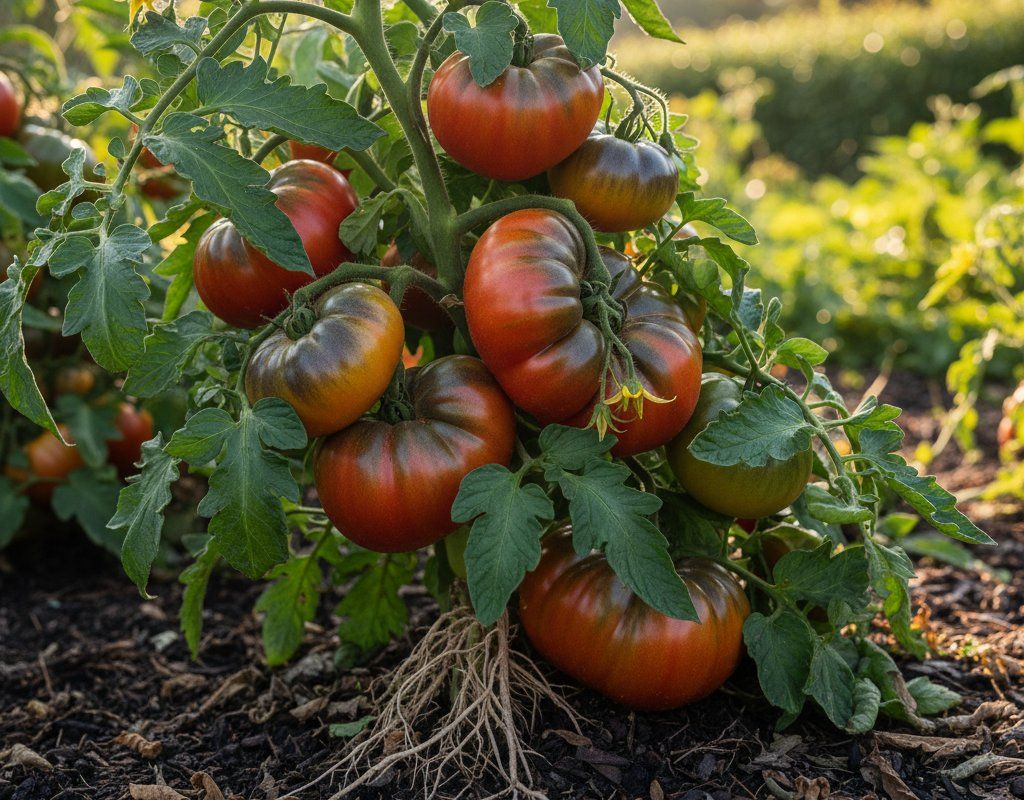
Heirloom Tomatoes in Zone 7B — Desert Southwest
Solanum lycopersicum · Your Complete 2026 Planting Guide
Missed Seed Starting? No Problem!
Wait for starts to become available.
What to Do
Starts will be available at nurseries in 25 days (around March 29).
How to Plant Heirloom Tomatoes in Zone 7B — Desert Southwest
Here are all your options for getting heirloom tomatoes in the ground, from the easiest method to more advanced approaches.
Start Seeds Indoors
RecommendedEarly February through early March
around February 15
Then transplant: Late March through late April
Start seeds 6-8 weeks before transplanting outdoors.
Buy Starts
Works WellLate March through late April
around March 29
Plant purchased starts after last frost (March 15).
Direct Sow Seeds
ChallengingDirect sowing is not typical for Heirloom Tomatoes.
Transplant Outdoors
Timing InfoLate March through late April
around March 29
Wait until nighttime temperatures stay above 50°F.
You have a nice window — no need to rush.
Overview
Heirloom tomatoes offer the most incredible flavors you'll find in any Desert Southwest garden — from sweet cherry types to rich, complex slicers that put grocery store tomatoes to shame. In our Zone 7B climate, the mild winters and long growing season (245 days!) give you plenty of time to grow these slower-maturing varieties that reward patience with unmatched taste and unique colors, shapes, and sizes you simply can't buy.
The extreme heat and arid conditions here do present challenges for these heat-sensitive plants, but smart timing makes all the difference. Starting early in our very-early spring and providing adequate water and afternoon shade during the brutal summer months will keep your heirloom plants productive well into fall when the monsoon moisture helps them thrive again.
Starting Seeds Indoors
Start your heirloom tomato seeds indoors during early February through early March, about 6 weeks before you plan to transplant outdoors. Since our springs arrive early here in the Desert Southwest, this timing gives you strong transplants ready for late March or early April planting when nighttime temperatures consistently stay above 50°F.
Set up seed trays in a warm spot (70-75°F works best) with good light — a sunny south-facing window or grow lights 12-16 hours daily. Bottom watering works especially well for tomato seeds since it prevents damping off and keeps the soil evenly moist without waterlogging. Fill your trays with quality seed starting mix, plant seeds about ¼ inch deep, and keep the soil consistently damp but not soggy.
Your seeds should germinate within 7-10 days in warm conditions. Once they develop their first true leaves (not the initial seed leaves), you can transplant them to larger containers if needed and continue growing them indoors until outdoor conditions are right.
Transplanting Outdoors
Transplant your heirloom seedlings outdoors from late March through late April, timing it for after our last frost risk passes in mid-March but before the extreme heat sets in. You want established plants before summer survival mode kicks in, so earlier in this window usually works better than later.
Harden off your seedlings gradually over one week by placing them outdoors for increasing amounts of time each day, starting with just a couple hours in morning sun. This prevents transplant shock and helps them adjust to our intense Desert Southwest sun and low humidity. Even young plants can get sunscald if moved outside too quickly.
Space your heirloom tomatoes 36-48 inches apart — the wider spacing improves air circulation in our arid climate and gives each plant room for the large, sprawling growth habit most heirlooms develop. Choose a spot with morning sun but afternoon shade if possible, since even established plants struggle in full afternoon sun during our peak summer months.
Watering Heirloom Tomatoes in Zone 7B (Desert Southwest)
Heirloom tomatoes need consistent, deep watering throughout the growing season — they're not drought tolerant and will quickly show stress in our arid Desert Southwest climate. Water stress causes more problems with heirlooms than hybrids, including increased cracking and poor fruit development, so maintaining even soil moisture is absolutely essential.
During spring and fall, plan on 1-2 inches of water per week, delivered slowly and deeply to encourage deep root growth. Check soil moisture using the finger test — stick your finger 2 inches down near the plant base, and water when it feels dry at that depth. In summer's extreme heat (often 105°F+), you may need to water every other day or even daily, especially for plants in containers or shallow soil.
Always water at the base of plants rather than overhead — our arid climate means water on leaves evaporates quickly anyway, and wet foliage can encourage the few fungal diseases that do occur here. Early morning watering works best since it allows any splash on leaves to dry quickly and gives plants time to absorb moisture before the day heats up.
Apply 2-3 inches of organic mulch around plants to help retain moisture and moderate soil temperature swings. Wood chips or shredded bark work well in our climate, breaking down slowly and helping maintain consistent soil moisture between waterings.
Supporting Your Heirloom Tomatoes
Install strong cages or stakes at planting time since most heirloom tomatoes grow as vigorous indeterminate vines that can reach 6-8 feet tall in our long growing season. Heirloom fruits tend to be larger and heavier than modern hybrids, with irregular shapes that create uneven weight distribution, so support needs to be sturdier than you might expect.
Heavy-duty tomato cages (at least 5 feet tall) or sturdy wooden stakes work best. If using stakes, plan to tie the main stem loosely every 12-18 inches as it grows, using soft materials like cloth strips or tomato tape that won't cut into the stem. Wire cages should be anchored firmly since strong monsoon winds can topple poorly supported plants.
Train the main stems inside cages or tie them to stakes regularly throughout the growing season. Heirloom varieties often produce multiple heavy stems that benefit from individual support, and their sprawling growth habit means they'll quickly outgrow weak or short supports.
Pruning & Maintaining Heirloom Tomatoes
Remove suckers (shoots growing between the main stem and branches) regularly to keep heirloom plants manageable and improve air circulation. Since heirlooms are more disease-susceptible than modern hybrids, good airflow helps prevent the fungal issues that can occur during our monsoon season when humidity briefly increases.
Prune lower branches that touch the ground or show any signs of disease, and remove any yellowing leaves throughout the season. This keeps energy focused on fruit production and reduces pest hiding spots. During extreme heat periods, resist heavy pruning since foliage helps protect developing fruits from sunscald in our intense Desert Southwest sun.
As first frost approaches in mid-November, you can top the plants (remove growing tips) about 4-6 weeks before to encourage existing fruits to ripen rather than the plant putting energy into new growth. This helps maximize your harvest before cold weather ends the season.
🧪Fertilizing Heirloom Tomatoes
Feeding Schedule
Organic Fertilizer Options
Harvest Time
Expect your first ripe heirloom tomatoes from mid-June through early August, depending on the variety and when you transplanted. The 80-day maturity time starts counting from transplant, and our warm spring temperatures often speed development compared to cooler climates.
Heirloom tomatoes show ripeness differently than store-bought varieties — look for color development appropriate to the variety (which might include green shoulders or stripes), slight softness when gently squeezed, and easy detachment from the vine with a gentle twist. Many heirlooms develop their full flavor a day or two after they look ripe, so don't rush the harvest.
Pick tomatoes in the morning when they're cool and firm, and harvest regularly to encourage continued production. Unlike determinate varieties, heirloom indeterminates will keep producing until frost if you keep picking mature fruits. Handle gently since heirloom skins are often thinner and more delicate than hybrid varieties.
As first frost approaches in mid-November, harvest any green tomatoes that have reached full size — they'll ripen indoors over several weeks if kept in a cool, dark place. This extends your harvest well past the outdoor growing season, making full use of your plants' production.
Common Problems in Zone 7B (Desert Southwest)
Cracking Look for splits in the tomato skin, either in concentric circles around the stem end or radiating lines from stem to bottom. The exposed flesh often develops rot, making the fruit unusable. In our Desert Southwest climate, this typically happens after monsoon rains or heavy watering following a dry period. The fruit absorbs water faster than the skin can expand, causing it to split. Prevent cracking by maintaining consistent soil moisture throughout the season — never let plants completely dry out then flood them with water. Mulch heavily to moderate soil moisture swings, and harvest promptly when fruits are ripe.
Sunscald White or yellow patches appear on the fruit shoulders and sides facing the afternoon sun, eventually becoming papery and sunken. Our intense Desert Southwest sun (often 105°F+) combined with low humidity creates perfect conditions for sunscald, especially on plants with sparse foliage or those stressed by inconsistent watering. Provide afternoon shade with shade cloth (30-50% works well), maintain consistent watering to keep plants healthy and leafy, and avoid excessive pruning that exposes fruits to direct sun.
Blossom End Rot Dark, sunken spots develop on the bottom (blossom end) of tomatoes, starting small but eventually covering the entire bottom portion. This calcium deficiency usually results from inconsistent watering rather than lack of soil calcium — our alkaline Desert Southwest soils typically have plenty of calcium, but plants can't absorb it properly with irregular moisture. Maintain consistent soil moisture with deep, regular watering and thick mulch. Avoid cultivation that damages feeder roots.
Wilting Despite Adequate Water Plants wilt during the day even when soil is moist, then recover somewhat in evening. This stress response occurs when our extreme heat overwhelms the plant's ability to move water from roots to leaves fast enough. Provide afternoon shade with shade cloth, increase watering frequency during heat waves, and ensure excellent drainage so roots don't sit in waterlogged soil. Some wilting is normal when temperatures exceed 100°F, but plants should recover each evening.
Desert Southwest specific challenges include our alkaline soil pH (often 7.5-8.5) which can limit nutrient availability, and caliche layers that restrict root growth and drainage. The extreme heat and low humidity stress plants more than in humid climates, making consistent watering and afternoon shade essential for success.
Best Companions for Heirloom Tomatoes
Plant these nearby for healthier Heirloom Tomatoes and better harvests.
View Full Companion Planting Chart →



Companion Planting Details
Plant basil near your heirloom tomatoes — it naturally repels aphids and whiteflies while thriving in similar growing conditions, plus you'll have fresh herbs for your tomato harvest. Carrots and parsley make excellent ground-level companions since their small size doesn't compete for space, and parsley's strong scent may help confuse pest insects in our relatively low-pest Desert Southwest environment.
Marigolds planted around the tomato bed can help deter nematodes in the soil and add color throughout the season, though they need extra water to thrive alongside thirsty tomato plants. Avoid planting brassicas (cabbage family) or fennel near tomatoes since they can stunt tomato growth, and keep corn separated since both are heavy feeders that will compete for nutrients in our mineral-rich but often low-organic-matter desert soils.
🌸Best Flowers to Plant with Heirloom Tomatoes
These flowers protect your Heirloom Tomatoes from pests and attract pollinators for better harvests.
For Pest Control

Get a Reminder When It's Time to Plant
We'll email you when key planting windows open for your zone.