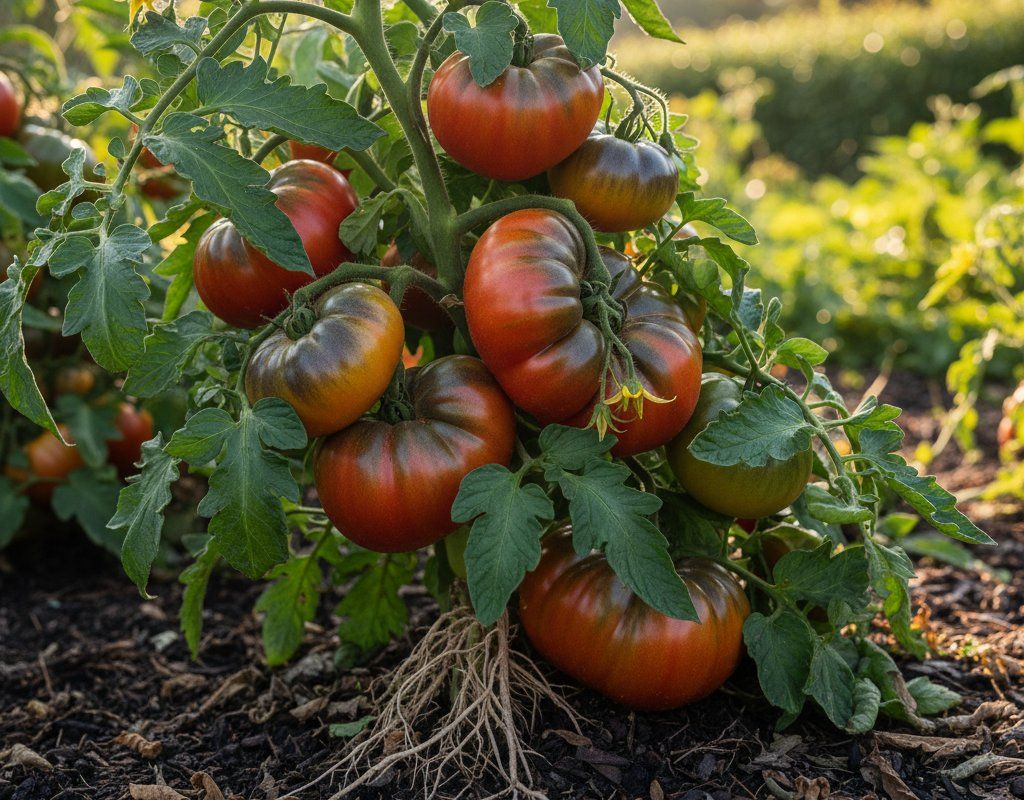
Heirloom Tomatoes in Zone 7B — Southeast
Solanum lycopersicum · Your Complete 2026 Planting Guide
Last Call for Seed Starting!
Indoor seed starting window closes in 2 days.
Start Seeds This Week
Start seeds now for transplanting later.
Or Wait for Starts
If you don’t want to start seeds, starts will be available around April 3.
How to Plant Heirloom Tomatoes in Zone 7B — Southeast
Here are all your options for getting heirloom tomatoes in the ground, from the easiest method to more advanced approaches.
Start Seeds Indoors
RecommendedMid February through early March
around February 20
Then transplant: Early April through early May
Start seeds 6-8 weeks before transplanting outdoors.
Buy Starts
Works WellEarly April through early May
around April 3
Plant purchased starts after last frost (March 20).
Direct Sow Seeds
ChallengingDirect sowing is not typical for Heirloom Tomatoes.
Transplant Outdoors
Timing InfoEarly April through early May
around April 3
Wait until nighttime temperatures stay above 50°F.
You have a nice window — no need to rush.
Overview
Growing heirloom tomatoes in our Zone 7B Southeast climate is one of summer's greatest rewards. These varieties offer flavors and textures you simply can't buy in stores – from the sweet complexity of Cherokee Purples to the meaty richness of Brandywines. Our long, hot summers and reliable rainfall create ideal conditions for these heat-loving plants, and with 235 days between frosts, you have plenty of time to enjoy multiple harvests from indeterminate varieties.
Yes, our hot and humid climate does create some challenges with disease pressure, and heirlooms are more susceptible than modern hybrids. But proper timing and good garden practices make these issues very manageable. Starting seeds indoors in late winter gives your plants a strong head start before our intense summer heat arrives, and you'll be harvesting beautiful, flavorful tomatoes from midsummer through fall.
Starting Seeds Indoors
Start your heirloom tomato seeds indoors from mid-February through early March, about 6 weeks before your planned transplant date. This timing works perfectly with our moderate spring temperatures, giving seedlings time to develop strong root systems before facing the Southeast heat. Use seed-starting trays filled with quality potting mix, and keep them warm – around 70-75°F works best for germination.
Place your seed trays under grow lights or in a sunny south-facing window, and keep the soil consistently moist using bottom watering. This method prevents fungal issues that can plague seedlings in our humid climate. Once seedlings develop their first true leaves, you can begin weekly feeding with diluted liquid fertilizer.
Your seedlings will be ready for transplanting when they're 6-8 inches tall with sturdy stems and well-developed leaves, typically 4-6 weeks after germination. This timing aligns perfectly with our spring planting window when soil has warmed and the risk of late frost has passed.
Transplanting Outdoors
Transplant your heirloom tomato seedlings outdoors from early April through early May, when soil temperatures consistently stay above 60°F and nighttime temperatures remain above 50°F. Our Southeast springs can still surprise you with cool snaps, so watch the weather forecast and be ready to protect plants if temperatures drop unexpectedly.
Harden off your seedlings gradually over a week, starting with just a few hours of morning sun and working up to full outdoor exposure. This process is crucial in our climate where the transition from indoor conditions to hot, humid outdoor weather can shock tender plants. Space your transplants 36-48 inches apart – heirlooms need excellent air circulation to prevent the fungal diseases that thrive in our humid summers.
Choose a sunny location with well-draining soil, and consider raised beds if you're dealing with our typical clay soil. Install support structures at planting time since most heirloom varieties are indeterminate and will grow vigorously throughout our long growing season.
Watering Heirloom Tomatoes in Zone 7B (Southeast)
Consistent moisture is absolutely critical for heirloom tomatoes, especially in our hot, humid Southeast climate. These varieties are particularly prone to cracking when soil moisture fluctuates, and irregular watering can lead to blossom end rot and other fruit quality issues. Aim for 1-2 inches of water per week, including rainfall, which our wet summers usually provide naturally.
During our typical summer pattern of afternoon thunderstorms, you'll often get adequate rainfall, but always check soil moisture using the finger test – stick your finger 2 inches deep, and water if it feels dry. When you do water, apply it slowly at the base of plants rather than overhead to minimize disease pressure in our humid conditions.
Early summer often requires the most supplemental watering since plants are establishing and rainfall patterns haven't fully developed. Once our regular afternoon thunderstorms begin, you may need to water less frequently but should still monitor soil moisture. Heavy clay soil can stay soggy after storms, while sandy soils drain quickly and may need more frequent watering.
Mulch around plants with 2-3 inches of organic material to maintain consistent soil moisture and reduce the wet-dry cycles that cause fruit cracking. Watch for signs of overwatering like yellowing lower leaves, which can happen easily during our rainy summers, and ensure good drainage to prevent root rot.
Supporting Your Heirloom Tomatoes
Most heirloom tomato varieties are indeterminate, meaning they'll continue growing and producing throughout our long Southeast growing season. Install sturdy tomato cages at least 5-6 feet tall or use strong stakes with ties at planting time – waiting until plants are large makes installation difficult and can damage established root systems.
Heavy-duty cages work well for most gardeners, but tall stakes with regular tying provide better support for vigorous varieties that can easily reach 8 feet in our favorable growing conditions. Use soft ties like cloth strips or tomato clips, and secure plants weekly as they grow. The irregular shapes and sizes of heirloom fruits can make branches surprisingly heavy.
Train main stems upward and secure lateral branches as they develop. Good support becomes especially important as we move into late summer when plants are loaded with ripening fruit and afternoon thunderstorms can topple unsupported plants.
Pruning & Maintaining Heirloom Tomatoes
Remove suckers – the shoots that grow between the main stem and branches – throughout the growing season to improve air circulation and focus the plant's energy on fruit production. This is especially important for heirlooms in our humid climate since better airflow reduces disease pressure from fungal issues that love our hot, moist conditions.
Prune off lower leaves that touch the soil or show any signs of disease, and remove any yellowing or damaged foliage promptly. As plants mature, you can also remove some interior branches to open up the plant structure for better light penetration and air movement.
In late summer, about 6-8 weeks before your expected first frost in early November, pinch off the growing tips to encourage plants to focus on ripening existing fruit rather than producing new flowers. Remove any new flower clusters that form during this period since they won't have time to mature before frost ends the season.
🧪Fertilizing Heirloom Tomatoes
Feeding Schedule
Organic Fertilizer Options
Harvest Time
Your first heirloom tomatoes will typically be ready from late June through early August, depending on variety and when you transplanted. Unlike grocery store tomatoes, heirlooms show ripeness through subtle color changes and slight softening rather than uniform redness – many varieties maintain green shoulders or develop unique color patterns when perfectly ripe.
Harvest fruits when they yield slightly to gentle pressure and detach easily from the vine with a gentle twist. The stem should separate cleanly at the joint. Don't wait for complete softness, as heirlooms can become overripe quickly in our hot summer temperatures.
Check plants daily during peak season since ripe tomatoes can go from perfect to overripe in just a day or two during hot weather. Harvest in the morning when possible, as fruits picked during the heat of the day don't store as well. Regular picking encourages continued production throughout the season.
As first frost approaches in early November, harvest all green fruits and ripen them indoors. Wrap individual tomatoes in newspaper and store at room temperature, checking weekly for ripeness. This extends your harvest well into winter and prevents losing your crop to an unexpected early freeze.
Common Problems in Zone 7B (Southeast)
Fruit cracking appears as splits in the tomato skin, either in circles around the stem (concentric) or radiating outward like spokes (radial). These cracks expose the flesh and often lead to rot. In our climate, this typically happens after heavy afternoon thunderstorms following dry periods, when fruits absorb water faster than the skin can expand. Maintain consistent soil moisture through regular watering and mulching, and harvest ripe fruits promptly before storms when possible.
Disease susceptibility shows up as various leaf spots, wilting, or fruit rot throughout the season. Heirlooms lack the disease resistance bred into modern hybrids, making them vulnerable to our humid climate's fungal pressures like early blight and septoria leaf spot. Space plants properly for air circulation, apply preventative fungicide spray every 2-3 weeks, and remove affected foliage immediately. Water at the base rather than overhead to keep leaves dry.
Lower yields compared to hybrid varieties is normal for heirlooms, though many gardeners find the superior flavor worth the trade-off. Some varieties produce sporadically rather than steadily, and the irregular fruit shapes mean fewer tomatoes per pound. Focus on growing multiple varieties with different harvest times to extend your season, and remember that one perfect heirloom tomato often satisfies more than several bland hybrids.
Irregular shapes include ribbing, catfacing, and unusual bumps or indentations. This is characteristic of many heirloom varieties and actually indicates authentic genetics. Cool nights during fruit set or poor pollination can worsen the effect. Embrace these unique shapes as part of heirloom charm – ugly tomatoes often have the most complex flavors.
Our hot, humid Southeast summers with frequent afternoon thunderstorms create the perfect storm for disease pressure on heirloom tomatoes. The combination of high humidity, warm nights, and wet foliage makes fungal diseases particularly aggressive. Focus on prevention through proper spacing, pruning for airflow, and consistent care rather than trying to cure problems after they start.
Best Companions for Heirloom Tomatoes
Plant these nearby for healthier Heirloom Tomatoes and better harvests.
View Full Companion Planting Chart →



Companion Planting Details
Basil planted near your heirloom tomatoes helps repel aphids and other pests while supposedly improving tomato flavor – plus you'll have fresh basil for all those tomatoes. Carrots and parsley make excellent ground-level companions since their roots occupy different soil layers and won't compete for nutrients. Marigolds planted throughout the tomato patch can deter nematodes and add color to your garden.
Avoid planting brassicas like cabbage or broccoli near tomatoes since they can stunt tomato growth and compete for similar nutrients. Keep fennel away from tomatoes as it can inhibit growth, and avoid corn since both crops attract similar pests and diseases. In our humid climate, good air circulation is crucial, so don't overcrowd the tomato area with too many companion plants.
🌸Best Flowers to Plant with Heirloom Tomatoes
These flowers protect your Heirloom Tomatoes from pests and attract pollinators for better harvests.
For Pest Control

Get a Reminder When It's Time to Plant
We'll email you when key planting windows open for your zone.