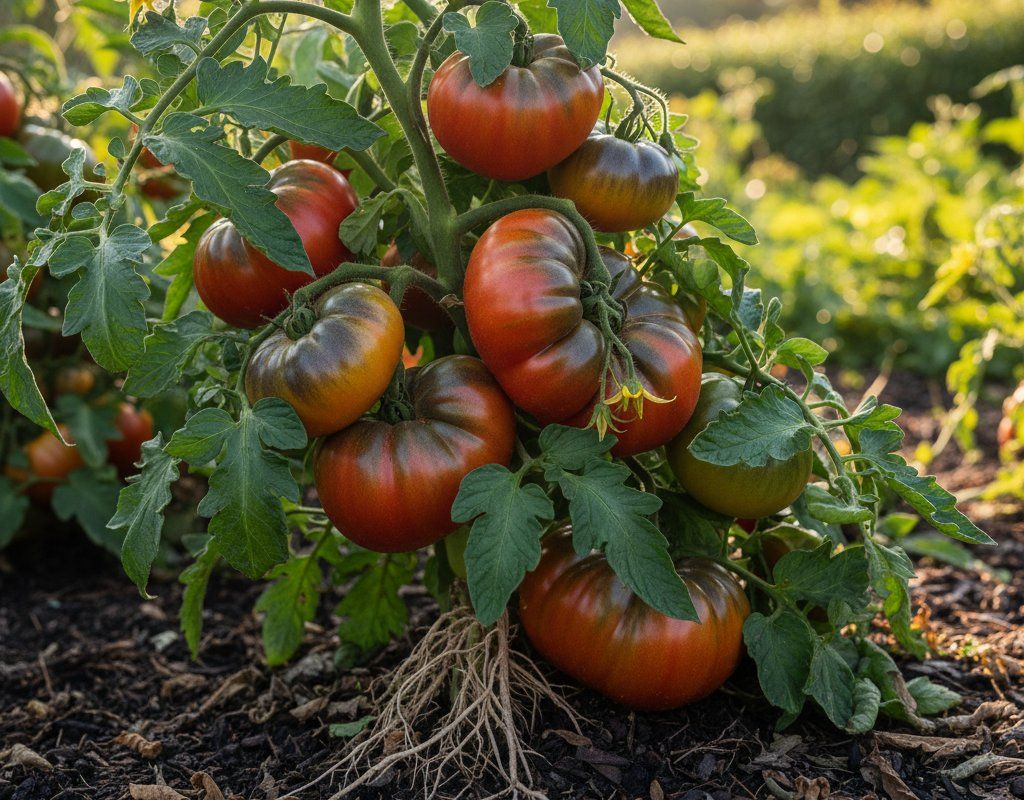
Heirloom Tomatoes in Zone 8B — Desert Southwest
Solanum lycopersicum · Your Complete 2026 Planting Guide
Missed Seed Starting? No Problem!
Wait for starts to become available.
What to Do
Starts will be available at nurseries in 7 days (around March 11).
How to Plant Heirloom Tomatoes in Zone 8B — Desert Southwest
Here are all your options for getting heirloom tomatoes in the ground, from the easiest method to more advanced approaches.
Start Seeds Indoors
RecommendedLate January through mid February
around January 28
Then transplant: Mid March through early April
Start seeds 6-8 weeks before transplanting outdoors.
Buy Starts
Works WellMid March through early April
around March 11
Plant purchased starts after last frost (February 25).
Direct Sow Seeds
ChallengingDirect sowing is not typical for Heirloom Tomatoes.
Transplant Outdoors
Timing InfoMid March through early April
around March 11
Wait until nighttime temperatures stay above 50°F.
You have a nice window — no need to rush.
Overview
Heirloom tomatoes bring unmatched flavor and character to your Desert Southwest garden, with varieties that have been treasured for generations. In our Zone 8B climate, you get the advantage of starting early in our very-early spring season, giving these longer-season varieties plenty of time to develop their complex flavors before our extreme heat arrives. The diversity of heirloom varieties means you can choose types specifically suited to desert conditions while enjoying tastes you'll never find in grocery stores.
Yes, heirlooms require more attention than modern hybrids, especially with our arid climate and temperature extremes. But with our generous 279-day growing season, you have ample time to establish strong plants in spring and potentially get a second harvest window in fall. The key is timing your plantings to work with our desert climate patterns rather than against them.
Starting Seeds Indoors
Start your heirloom tomato seeds indoors from late January through mid-February, about 6 weeks before your planned transplant date. Our very-early spring character means you can get seeds started while many other regions are still dealing with winter weather. Use seed trays with good drainage and keep them warm—around 70-75°F for best germination.
Set up grow lights or place trays in your brightest south-facing window once seedlings emerge. Bottom watering works particularly well for tomato seedlings since it encourages strong root development without disturbing delicate stems. Keep the soil consistently moist but not waterlogged.
In our desert climate, indoor humidity can be quite low during winter months, so consider placing a humidity tray near your seedlings. You'll want sturdy, stocky plants ready for the transition to outdoor conditions by mid-March through early April.
Transplanting Outdoors
Transplant your heirloom tomato seedlings outdoors from mid-March through early April, after our typical last frost period in late February has passed. Start hardening off your plants about a week before transplanting by gradually exposing them to outdoor conditions—begin with just an hour or two of morning sun and increase daily.
Space your heirloom tomatoes 36-48 inches apart to ensure good air circulation, which becomes crucial as our temperatures climb toward summer. The wider spacing also gives you room to work around the plants for watering and harvesting. Most heirloom varieties are indeterminate and will spread considerably as they mature.
Watch for late cold snaps during this transplant window—while rare, they can happen. Have row covers ready just in case, and choose a planting day when settled weather is forecast for at least a week ahead.
Watering Heirloom Tomatoes in Zone 8B (Desert Southwest)
Consistent moisture is absolutely critical for heirloom tomatoes in our arid Desert Southwest climate. Unlike hybrids, heirlooms are much more prone to cracking when they experience the dry-wet cycles common with irregular watering. Plan on providing about 1-2 inches of water per week, increasing to 2-3 inches as temperatures climb toward summer.
Check soil moisture using the finger test—stick your finger 2 inches deep into the soil near the base of the plant. If it's dry at that depth, it's time to water. In our low humidity environment, surface soil can look dry while deeper layers still have adequate moisture. Water at soil level rather than overhead to reduce disease pressure and make every drop count in our water-scarce region.
During our extreme summer heat, you may need to water every other day or even daily once temperatures consistently hit 105°F. Deep, less frequent watering is better than light daily sprinklings, as this encourages roots to grow down where soil stays cooler and more moist.
Apply 2-3 inches of mulch around your plants to help retain soil moisture and moderate soil temperature. In our desert conditions, organic mulch breaks down quickly, so you'll likely need to refresh it mid-season. Watch for signs of stress: wilting during the hottest part of the day is normal, but if plants don't recover by evening, they need more water.
Supporting Your Heirloom Tomatoes
Install strong support systems at planting time since most heirloom varieties are indeterminate and will grow 6-8 feet tall in our long growing season. Heavy-duty tomato cages or sturdy stakes work best—heirloom fruits are often larger and irregularly shaped, putting more stress on support structures than uniform hybrid varieties.
For cages, choose ones at least 5 feet tall with wide openings for easy harvesting. If using stakes, go with 6-8 foot posts driven at least 18 inches into the ground. Our desert winds, especially during spring and monsoon season, can topple inadequately supported plants.
Train your plants as they grow by gently tying main stems to supports with soft materials like cloth strips or specialized plant ties. Check and adjust ties regularly since desert-grown tomatoes can put on rapid growth during favorable weather periods.
Pruning & Maintaining Heirloom Tomatoes
Remove suckers (shoots growing between main stems and branches) regularly throughout the growing season to maintain good air circulation and focus plant energy on fruit production. This is especially important for heirlooms since they're more susceptible to diseases than hybrids, and our occasional monsoon humidity can create favorable conditions for fungal problems.
Also remove lower leaves that touch the ground and any yellowing or diseased foliage promptly. As temperatures climb into extreme heat territory, consider removing some upper foliage to provide partial shade for developing fruits and reduce overall plant stress.
By late fall, as our first frost approaches in early December, top your plants by removing growing tips. This redirects energy into ripening existing fruits rather than producing new flowers that won't have time to mature. You can also remove lower branches to improve air circulation during our sometimes humid monsoon period.
🧪Fertilizing Heirloom Tomatoes
Feeding Schedule
Organic Fertilizer Options
Harvest Time
Your first heirloom tomatoes will typically be ready from late May through mid-July, about 80 days from transplanting. Unlike uniform hybrids, heirlooms ripen with varying colors and patterns—some varieties stay green-shouldered even when ripe, while others develop complex color patterns. Learn your specific varieties' ripeness indicators.
Test for ripeness by checking for slight softness at the blossom end and easy detachment from the vine with gentle upward pressure. Many heirlooms will have some give to them when ripe, unlike the firm hybrid varieties you might be used to. The stem should separate cleanly without tugging.
Harvest regularly to encourage continued production through our intense summer heat. During peak summer, check plants daily since fruits can go from perfect to overripe quickly in extreme temperatures. Pick fruits slightly underripe during the hottest weeks—they'll finish ripening indoors in your air conditioning.
As our first frost approaches in early December, harvest all remaining fruits regardless of size. Green tomatoes will ripen indoors if kept in a warm spot with good air circulation. This extended harvest period is one of the real advantages of our long Desert Southwest growing season.
Common Problems in Zone 8B (Desert Southwest)
Fruit Cracking Concentric circles or radial lines splitting the tomato skin, exposing flesh underneath. In our desert climate, this typically happens when heavy monsoon rains or over-enthusiastic watering follows a dry period. Heirloom varieties are much more prone to cracking than hybrids. Prevent this by maintaining consistent soil moisture throughout the growing season and mulching heavily to buffer moisture fluctuations. Some varieties like 'Cherokee Purple' are more crack-resistant than others.
Sunscald White or yellow patches on fruit surfaces facing intense desert sun, eventually turning papery and sunken. Our extreme heat and intense UV radiation make sunscald a serious concern, especially on larger heirloom fruits. Provide afternoon shade during peak summer with shade cloth or strategic placement of taller plants. Maintain adequate foliage cover—avoid over-pruning that exposes fruits directly to blazing sun.
Disease Susceptibility Yellowing leaves, brown spots, wilting, or other signs of fungal or bacterial diseases appearing throughout the season. Heirlooms lack the disease resistance bred into modern hybrids, making them more vulnerable in our occasionally humid monsoon conditions. Improve air circulation with proper spacing and pruning, apply preventative organic fungicides, and remove affected plant material immediately. Drip irrigation helps keep foliage dry.
Irregular Shapes and Lower Yields Fruits develop with unusual bumps, ridges, or catfacing, and overall production may be less than hybrid varieties. This is largely the character of heirloom varieties—many were selected for flavor rather than appearance or productivity. Poor pollination during extreme heat can worsen irregular shapes. Embrace the unique appearance since flavor is typically superior, or choose more uniform heirloom varieties if appearance matters for your intended use.
Desert Southwest Specific Challenges: Our extreme summer heat, arid conditions, and alkaline soils create additional stress for heirloom tomatoes beyond typical zone considerations. Providing consistent moisture becomes exponentially more challenging, and the intense UV radiation can damage both foliage and fruits. However, our long growing season and mild winters give you flexibility to time plantings for optimal growing conditions.
Best Companions for Heirloom Tomatoes
Plant these nearby for healthier Heirloom Tomatoes and better harvests.
View Full Companion Planting Chart →



Companion Planting Details
Plant basil alongside your heirloom tomatoes—it thrives in similar conditions and may help repel certain pests while improving tomato flavor. Carrots and parsley make excellent understory companions since they can handle partial shade from tomato foliage and won't compete heavily for nutrients. Marigolds planted nearby can deter nematodes and other soil pests, which becomes especially important in our desert soils where beneficial predator populations may be lower.
Avoid planting brassicas like cabbage or broccoli near tomatoes since they're heavy feeders that compete for nutrients, and they prefer cooler conditions that don't align well with tomato growing seasons in our climate. Keep fennel and corn away from tomatoes as well—fennel can inhibit tomato growth, while corn attracts similar pests and creates unwanted competition for water in our arid environment.
🌸Best Flowers to Plant with Heirloom Tomatoes
These flowers protect your Heirloom Tomatoes from pests and attract pollinators for better harvests.
For Pest Control

Get a Reminder When It's Time to Plant
We'll email you when key planting windows open for your zone.