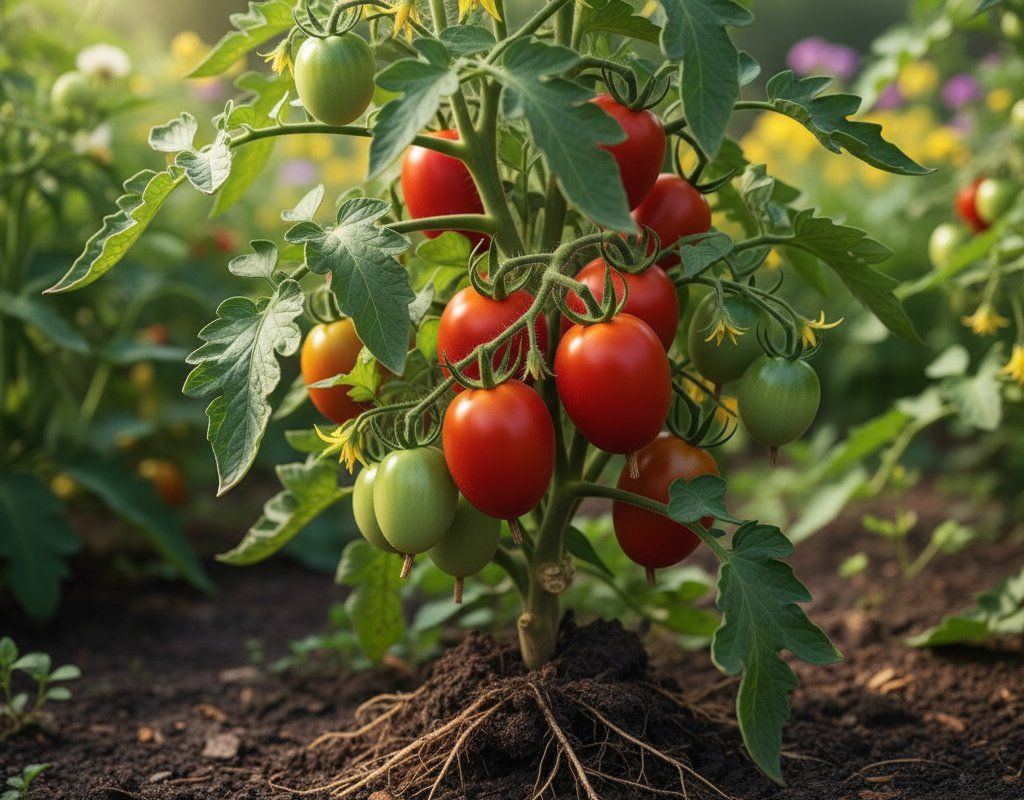
Roma Tomatoes in Zone 10B — Southern California
Solanum lycopersicum · Your Complete 2026 Planting Guide
Check Planting Details Below
See the full planting guide for timing information.
How to Plant Roma Tomatoes in Zone 10B — Southern California
Here are all your options for getting roma tomatoes in the ground, from the easiest method to more advanced approaches.
Start Seeds Indoors
RecommendedEarly to late December
around December 13
Then transplant: Late January through late February
Start seeds 6-8 weeks before transplanting outdoors.
Buy Starts
Works WellLate January through late February
around January 24
Plant purchased starts after last frost (January 10).
Direct Sow Seeds
ChallengingDirect sowing is not typical for Roma Tomatoes.
Transplant Outdoors
Timing InfoLate January through late February
around January 24
Wait until nighttime temperatures stay above 50°F.
You have a nice window — no need to rush.
Overview
Roma tomatoes are the ultimate paste tomato for Southern California gardens, delivering thick, meaty fruit perfect for sauces, salsas, and sun-drying. In our Mediterranean-style climate, these determinate beauties produce heavy crops that ripen consistently during our long, warm growing season — exactly what you need for preserving summer's bounty before our brief winter arrives. The low seed content and dense flesh make them far superior to anything you'll find in stores, and they handle our inland heat better than many other paste varieties.
While our hot, dry summers and occasional water restrictions might seem challenging for high-water crops like tomatoes, the key is getting your timing right. Starting seeds in the mild December weather and transplanting during our cool, sometimes rainy winter months sets you up for success. With our 355-day growing season, you have plenty of flexibility to work with Roma's 75-day maturity timeline and still harvest before the summer heat peaks.
Starting Seeds Indoors
Starting Roma seeds indoors during early to late December gives you the perfect head start for Southern California's very early spring growing season. You'll want to sow seeds about 6 weeks before your planned transplant date, which puts you right in our mild winter sweet spot. Set up your seed trays in a warm spot — a sunny windowsill works great during our gentle December weather, or use a heat mat to maintain consistent 70-75°F soil temperatures.
Use quality seed-starting mix and keep it consistently moist through bottom watering. Place your seed trays in a shallow dish of water and let the soil wick up moisture from below — this prevents the surface crusting that can happen with overhead watering in our low humidity. Your seeds should germinate within 7-10 days, and once they develop their first true leaves, you can start fertilizing lightly every two weeks.
The beauty of starting indoors during our mild December weather is that you're not fighting extreme cold or the need for expensive grow lights. A bright south-facing window provides enough light during our short winter days, though a simple fluorescent fixture helps if your indoor space is limited.
Transplanting Outdoors
Plan to transplant your Roma seedlings outdoors from late January through late February, when our nighttime temperatures consistently stay above 50°F. This timing takes advantage of Southern California's uniquely early spring — while other regions are still dealing with snow, you're already getting plants established in cool, comfortable weather. The key is watching nighttime lows rather than daytime highs, since our winter days can be deceptively warm.
Harden off your seedlings gradually over a week by placing them outside for a few hours each day, gradually increasing exposure. Start with morning sun only, then build up to full day exposure. This is especially important in our region because the UV intensity can shock tender seedlings even during our mild winter months.
Space your Roma plants 24-36 inches apart to ensure good air circulation — crucial in our low-to-moderate humidity climate where fungal diseases can still develop despite the dry air. Plant them deep, burying about two-thirds of the stem to encourage strong root development. This deep planting pays dividends later when summer heat arrives and you need an extensive root system to support consistent watering.
Watering Roma Tomatoes in Zone 10B (Southern California)
Roma tomatoes need consistent, deep watering throughout our growing season, making them one of the thirstier crops in a water-wise Southern California garden. During establishment in late winter and spring, water when the top 2 inches of soil feel dry to your finger — usually every 3-4 days depending on soil type and recent rainfall. As plants mature and summer heat builds, you'll need to water more frequently, potentially every other day inland where temperatures soar above 90°F.
Aim for about 1-2 inches of water per week, delivered slowly and deeply at the base of plants. Bottom watering or drip irrigation works best in our low-to-moderate humidity climate since overhead watering can still promote fungal issues, especially during our cooler winter and spring months when morning dew lingers. Even in our dry air, water on leaves during cool periods can spell trouble.
Consistent moisture is absolutely critical for Roma tomatoes because their elongated, paste-style fruit is particularly prone to blossom end rot when watering fluctuates. Those classic rectangular Roma fruits develop that telltale black, sunken bottom when calcium uptake gets disrupted by drought-flood cycles. In our feast-or-famine rainfall pattern — wet winters followed by bone-dry summers — maintaining steady soil moisture becomes your most important job.
Apply 3-4 inches of mulch around plants to help retain moisture during our long, hot summers and reduce watering frequency. Good options for our climate include shredded hardwood or straw, which break down slowly and don't create fire hazards like some organic mulches might during fire season. Watch for wilting in the afternoon heat as your first sign of water stress, and yellowing lower leaves as a sign of both under and overwatering.
Supporting Your Roma Tomatoes
Roma tomatoes need sturdy support despite being determinate varieties that stay relatively compact compared to indeterminate types. These plants produce heavy clusters of dense, meaty fruit that can easily snap branches or topple the entire plant, especially when combined with our occasional Santa Ana winds. Install cages or stakes at planting time to avoid disturbing established root systems later.
Choose cages that are at least 4-5 feet tall and made from sturdy wire — the flimsy tomato cages from big box stores won't cut it for the heavy fruit load Roma plants produce. Alternatively, use 6-foot stakes with soft ties, securing the main stem as it grows. Since Roma is determinate, you won't need the massive support systems required for indeterminate varieties, but don't underestimate the weight of a full harvest.
Train branches gently outward as they develop, tying them to prevent rubbing against support structures. In our windy conditions, especially during Santa Ana events, check ties regularly and adjust as stems thicken. The determinate growth habit means most of your fruit will ripen within a few weeks of each other, putting maximum stress on your support system right when you need it most.
🧪Fertilizing Roma Tomatoes
Feeding Schedule
Organic Fertilizer Options
Harvest Time
Your first Roma tomatoes should be ready for harvest from early April through late May, about 75 days from transplanting. In Southern California's reliable warmth, you'll get excellent fruit development and consistent ripening — a major advantage over regions with unpredictable spring weather. Look for deep red color throughout the fruit, with no green shoulders or streaks remaining.
Ripe Roma tomatoes feel firm but yield slightly to gentle pressure, and they should detach easily from the stem with a slight twist. Don't wait for them to get soft — harvest when fully colored but still firm for the best texture in cooking and preserving. The beauty of determinate varieties like Roma is that most of your harvest comes within a 2-3 week window, perfect for batch processing into sauces or paste.
Since Roma is determinate, you'll get one main harvest rather than continuous picking like indeterminate varieties. This concentrated harvest actually works well in Southern California because you can process your entire crop during the pleasant late spring weather, before summer heat makes kitchen work unbearable. Plan your harvest processing accordingly — you might go from a few fruits to pounds of tomatoes within days.
As our brief frost season approaches in late December, any remaining green fruit can ripen indoors. Roma tomatoes ripen well off the vine when picked at the mature green stage — fully sized but still green. Store them in a cool, dark place and they'll gradually turn red over several weeks, extending your harvest well into winter.
Common Problems in Zone 10B (Southern California)
Blossom End Rot appears as dark brown or black leathery patches on the bottom (blossom end) of Roma fruits, often affecting the first fruits of the season most severely. This isn't a disease but rather a calcium deficiency caused by inconsistent watering — particularly problematic for Roma's elongated fruit shape. In Southern California's boom-bust rainfall pattern and summer water restrictions, maintaining consistent soil moisture becomes challenging but critical. The most effective fix is consistent watering, supplemented by heavy mulching to maintain even soil moisture. Avoid over-fertilizing with nitrogen, which can interfere with calcium uptake, and remove affected fruits to redirect energy to healthy ones.
Early Blight shows up as brown spots with distinctive concentric rings (bullseye pattern) on lower leaves first, then spreads upward as leaves yellow and drop. This fungal disease thrives even in our relatively dry climate, especially during morning dew periods in late winter and spring when humidity briefly spikes. The fungus spreads through soil splash onto lower leaves during watering or rain. Prevent it by mulching heavily to eliminate soil splash, watering at the base rather than overhead, and ensuring good spacing for air circulation. Remove affected leaves immediately and don't compost them — our mild winters don't get cold enough to kill fungal spores in compost piles.
Fusarium Wilt causes wilting on one side of the plant first, followed by yellowing leaves and brown streaks visible when you cut the stem open. This soil-borne fungus loves our warm soil temperatures and can persist in Southern California gardens for years once established. There's no cure once plants are infected — remove and destroy affected plants immediately. Prevention focuses on crop rotation (4-year minimum), soil solarization during our intense summer heat, and choosing resistant varieties marked with 'F' on seed packets. Maintaining soil pH above 6.5 also helps suppress the fungus.
Southern California Specific Challenges: Our hot, dry summers and low-to-moderate humidity create unique stress patterns for Roma tomatoes. While fungal diseases are less common than in humid regions, heat stress and inconsistent watering become major issues. The combination of intense UV, low humidity, and potential water restrictions means successful Roma growing hinges on excellent soil preparation, consistent irrigation, and strategic timing to harvest before peak summer heat arrives.
Best Companions for Roma Tomatoes
Plant these nearby for healthier Roma Tomatoes and better harvests.
View Full Companion Planting Chart →



Companion Planting Details
Plant basil alongside your Roma tomatoes — it naturally repels aphids and whiteflies while thriving in the same hot, sunny conditions that Roma prefers. Carrots make excellent ground-level companions since their deep taproots don't compete with tomato roots, and both crops appreciate consistent watering during our dry summers. Parsley planted nearby attracts beneficial insects that help with pest control, while marigolds provide natural nematode suppression — particularly valuable in Southern California where root-knot nematodes can persist year-round in our mild soil temperatures.
Avoid planting brassicas like cabbage or broccoli near Roma tomatoes since they're heavy nitrogen feeders that will compete for nutrients during the critical fruit development period. Skip fennel entirely — it releases compounds that can stunt tomato growth. Corn is also a poor companion despite seeming logical; both crops are heavy feeders that will compete for water and nutrients, and corn can shade your tomatoes during our lower winter sun angles when every ray of light counts for fruit development.
🌸Best Flowers to Plant with Roma Tomatoes
These flowers protect your Roma Tomatoes from pests and attract pollinators for better harvests.
For Pest Control



For Pollinators

Get a Reminder When It's Time to Plant
We'll email you when key planting windows open for your zone.