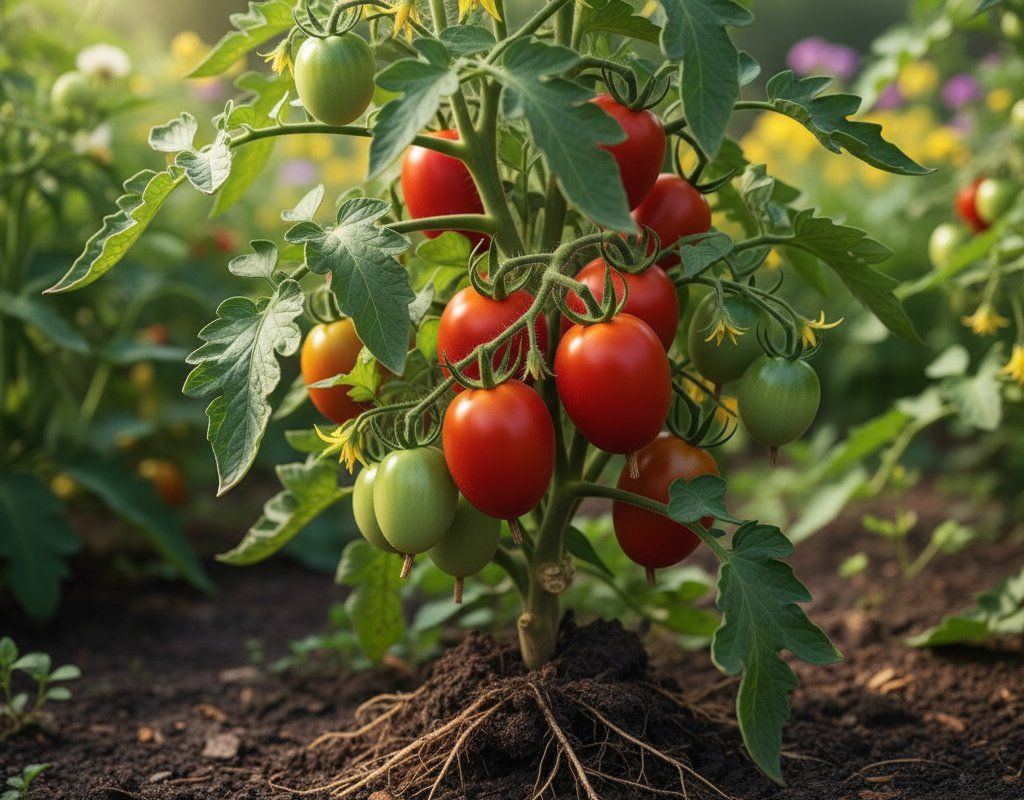
Roma Tomatoes in Zone 5B — Mid-Atlantic
Solanum lycopersicum · Your Complete 2026 Planting Guide
Planning Ahead — Great!
You’re ahead of the season. Here’s when to start.
Mark Your Calendar
How to Plant Roma Tomatoes in Zone 5B — Mid-Atlantic
Here are all your options for getting roma tomatoes in the ground, from the easiest method to more advanced approaches.
Start Seeds Indoors
RecommendedMid March through early April
around March 23
Then transplant: Early May through early June
Start seeds 6-8 weeks before transplanting outdoors.
Buy Starts
Works WellEarly May through early June
around May 4
Plant purchased starts after last frost (April 20).
Direct Sow Seeds
ChallengingDirect sowing is not typical for Roma Tomatoes.
Transplant Outdoors
Timing InfoEarly May through early June
around May 4
Wait until nighttime temperatures stay above 50°F.
You have a nice window — no need to rush.
Overview
Roma tomatoes are perfect for Mid-Atlantic gardeners who want to make their own sauce, paste, or salsa. These meaty, low-seed paste tomatoes thrive in our humid summers and produce heavily during our long growing season. You'll get concentrated harvests of uniform, oval fruits that hold their shape beautifully when cooked — something you just can't buy at the store.
Our 178-day growing season gives Roma tomatoes plenty of time to mature, even with our variable spring weather. While our humid conditions can challenge some tomatoes, proper timing and good air circulation keep most problems at bay. Starting seeds indoors lets you work around our unpredictable late spring and gives plants a strong head start.
Starting Seeds Indoors
Start your Roma seeds indoors from mid-March through early April, about 6 weeks before your planned transplant date. Use seed-starting trays filled with quality potting mix, and keep them warm (70-75°F works well). A heat mat helps seeds germinate faster in our still-cool houses.
Bottom watering prevents the damping-off problems that humid conditions can encourage. Set your seed trays in shallow water and let the soil absorb moisture from below. Once seedlings emerge, they need bright light — a south-facing window or grow lights work best.
Our moderate spring weather gives you flexibility with timing. If you start too early and get warm spells, you can move seedlings to a cool spot to slow growth. If spring runs late, indoor plants wait patiently until soil warms.
Transplanting Outdoors
Wait to transplant until early May through early June, when soil temperatures stay consistently above 60°F and night temperatures hold above 50°F. Our spring weather can swing wildly, so watch for late frost warnings even into mid-May.
Harden off seedlings for a full week before planting — gradually increase their outdoor time each day. Start with 2-3 hours in filtered shade, building to full sun exposure. This prevents transplant shock from our sometimes intense late spring sunshine.
Space plants 24-36 inches apart to allow good air circulation in our humid climate. Closer spacing invites fungal problems once summer humidity kicks in. Plant deep, burying 2/3 of the stem to encourage strong root development.
Watering Roma Tomatoes in Zone 5B (Mid-Atlantic)
Roma tomatoes need consistent, deep watering — about 1-2 inches per week including rainfall. These paste tomatoes are especially prone to blossom end rot when moisture fluctuates, and their elongated fruits show the damage clearly as dark, sunken spots on the blossom end.
Use the finger test: stick your finger 2 inches into the soil near the plant. If it's dry at that depth, it's time to water. Our 40-50 inches of annual rainfall helps, but summer dry spells still require regular irrigation. Water early morning at the base of plants, not overhead — our humid air already provides enough moisture on foliage.
Our humid summers mean less evaporation than drier climates, so soil stays moist longer. This is mostly good news, but watch for yellowing lower leaves or musty smells that signal overwatering. Mulch heavily with straw or shredded leaves to maintain even moisture and reduce watering frequency.
Signs of stress show quickly: wilting during afternoon heat (even with moist soil) suggests heat stress rather than drought. Cracking fruit usually means irregular watering followed by heavy rain or irrigation.
Supporting Your Roma Tomatoes
Install cages or stakes at planting time, before roots spread. Roma tomatoes are determinate, meaning they stay more compact than indeterminate varieties — shorter cages (4-5 feet) work fine. Their heavy fruit load still needs support to prevent branches from breaking or fruit touching the ground.
Cages work well for determinate varieties because you don't need to train branches constantly. Choose sturdy wire cages with large openings for easy harvest access. If staking, use 6-foot stakes and soft ties to secure the main stem as it grows.
These plants bush out rather than climbing tall, so focus support on keeping fruit clusters off the ground. Our humid conditions make ground contact especially problematic for disease prevention.
🧪Fertilizing Roma Tomatoes
Feeding Schedule
Organic Fertilizer Options
Harvest Time
Your first Roma tomatoes will be ready from mid-July through early September, about 75 days from transplant. Look for deep red color throughout the fruit and flesh that yields slightly to gentle pressure. The fruit should detach easily from the stem when ready.
Roma tomatoes ripen in concentrated flushes rather than continuously — you might harvest most of your crop over 2-3 weeks. This makes them perfect for sauce-making projects since you get enough fruit at once for preservation.
Harvest in the morning after dew dries but before afternoon heat. Twist and pull gently, or use clean pruners for stems that don't release easily. Check plants every 2-3 days during peak season.
As our first frost approaches in mid-October, harvest all remaining fruit regardless of color. Green tomatoes ripen well indoors in paper bags with a ripe apple, or spread on newspaper in a cool, dark place. This extends your harvest well beyond the growing season.
Common Problems in Zone 5B (Mid-Atlantic)
Blossom End Rot shows as dark, sunken patches on the bottom of fruits — often the first fruits of the season. This leathery spot starts small but can cover half the tomato. You'll see it on Roma tomatoes more than round varieties because of their elongated shape. Inconsistent watering causes this calcium deficiency, not actual soil calcium shortage. Our variable spring rainfall makes this common. Fix it with consistent watering schedules — the single most effective solution. Mulch heavily to maintain soil moisture, and avoid over-fertilizing with nitrogen which blocks calcium uptake.
Early Blight appears as brown spots with concentric rings (bullseye pattern) on lower leaves first, spreading upward. Leaves yellow and drop, weakening the plant. Our humid summers create perfect conditions for this fungal disease, especially when soil splashes onto leaves during rain. Remove affected leaves immediately and destroy them (never compost). Mulch to prevent soil splash, water at plant base rather than overhead, and ensure good air circulation with proper spacing. Copper fungicide helps slow spread but won't cure infected plants.
Fusarium Wilt starts with wilting on one side of the plant, then spreads. Yellow leaves begin on one side, and cutting the stem reveals brown streaks inside. This soil-borne fungus loves our warm, humid soil conditions and persists for years. No cure exists once plants are infected — remove and destroy the entire plant immediately. Prevention includes planting resistant varieties (look for 'F' on seed packets), rotating crops on a 4-year cycle, and raising soil pH above 6.5.
Mid-Atlantic Specific Challenges: Our humid summers and clay soil create perfect conditions for fungal diseases, while our reliable rainfall can cause inconsistent moisture if not managed properly. Japanese beetles may attack foliage in mid-summer, and deer pressure requires fencing in many areas.
Best Companions for Roma Tomatoes
Plant these nearby for healthier Roma Tomatoes and better harvests.
View Full Companion Planting Chart →



Companion Planting Details
Plant basil alongside Roma tomatoes — it naturally repels aphids and whiteflies while thriving in the same warm, humid conditions we provide for tomatoes. Carrots work well as ground cover beneath tomato plants, making use of vertical space without competing for nutrients. Marigolds planted around the garden perimeter help deter nematodes and add beneficial insect habitat.
Avoid planting brassicas (cabbage, broccoli) near tomatoes as they compete for nutrients and can harbor similar soil diseases. Fennel inhibits tomato growth through chemical compounds, and corn creates too much shade while attracting similar pests. Our humid climate makes good air circulation especially important, so avoid overcrowding with any companions.
🌸Best Flowers to Plant with Roma Tomatoes
These flowers protect your Roma Tomatoes from pests and attract pollinators for better harvests.
For Pest Control



For Pollinators

Get a Reminder When It's Time to Plant
We'll email you when key planting windows open for your zone.