
Borage in Zone 5B — Mid-Atlantic
Borago officinalis · Your Complete 2026 Planting Guide
Planning Ahead — Great!
You’re ahead of the season. Here’s when to start.
Mark Your Calendar
How to Plant Borage in Zone 5B — Mid-Atlantic
Here are all your options for getting borage in the ground, from the easiest method to more advanced approaches.
Direct Sow Seeds
RecommendedMid April through early August
around April 20
Consider succession planting every 2-3 weeks for continuous harvest.
Easy to direct sow and self-seeds readily.
Buy Starts
Works WellEarly April through early May
around April 6
Plant purchased starts after last frost (April 20).
Start Seeds Indoors
ChallengingThis plant is typically not started indoors.
Transplant Outdoors
Timing InfoEarly April through early May
around April 6
Can tolerate light frost, but wait for soil to be workable.
You have a nice window — no need to rush.
Overview
Borage is one of those wonderfully useful herbs that thrives in our Mid-Atlantic gardens. The young leaves have a crisp, cool cucumber flavor that’s perfect for summer salads and drinks, and the beautiful blue, star-shaped flowers are not only edible but also attract a ton of pollinators to your vegetable patch. With our four distinct seasons and reliable rainfall, you can get a long, continuous harvest from a single planting.
Our humid summers and sometimes unpredictable spring weather don't really phase borage. It's a forgiving plant that fits perfectly into our roughly 178-day growing season. The key is simply getting it in the ground after the risk of a hard frost has passed, and it will take off from there.
Transplanting Outdoors
While direct sowing is easier, you can transplant borage starts if you get them from a nursery or want a head start. Aim to get them in the ground anytime from early April through early May. Just be sure to watch for late frost, as those temperature swings in a Mid-Atlantic spring can catch you off guard.
Before planting, harden them off for about a week. Set the seedlings outdoors in a protected spot for a few hours the first day, gradually increasing their time outside each day. This toughens them up for the move. When you plant them in the garden, give them about 12-18 inches of space so they have room to bush out.
Direct Sowing
Direct sowing is the best way to grow borage here, and it couldn't be simpler. You have a long window to plant, from mid-April all the way through early August. This means you can succession sow for a continuous supply of fresh leaves and flowers.
Just rake the soil surface smooth in a spot with full sun or a little afternoon shade. Borage isn't fussy but does best in soil that isn't heavy, compacted clay, so amending with a little compost is always a good idea. Plant the seeds about a half-inch deep and keep the soil moist until they sprout. Once they're up, thin the seedlings to stand 12-18 inches apart. Be prepared—it often self-seeds, so you might find volunteer plants next year.
Watering Borage in Zone 5B (Mid-Atlantic)
In the Mid-Atlantic, our watering strategy is all about supplementing our generally reliable rainfall. Borage isn't drought tolerant, so you can't just ignore it during a dry spell, but our humid summers mean you don't have to water constantly.
A good rule of thumb is to ensure the plants get about an inch of water per week, either from you or the sky. The best way to check is the finger test: stick your finger about two inches into the soil near the base of the plant. If it feels dry, it’s time to water.
Because our summers are so humid, it's best to water at the base of the plant with a soaker hose or watering can. This keeps the leaves dry and helps prevent fungal issues like powdery mildew, which loves our climate. Over-watering can lead to yellowing leaves and weak growth, while under-watered plants will wilt dramatically.
A thin layer of straw or shredded leaf mulch can help retain soil moisture during those hot spells in July and August, reducing how often you need to break out the hose. It also helps keep the soil a bit cooler.
🧪Fertilizing Borage
Feeding Schedule
Organic Fertilizer Options
Harvest Time
You can expect your first borage harvest around mid-June, or about 55 days after sowing. The plant will keep producing right up until our first frost, usually sometime in mid-October.
The edible, star-shaped blue flowers are ready when they are fully open. For the leaves, you want to pick them when they are young and tender for that classic cucumber flavor; older leaves get prickly and tough. Simply snip off the flowers and young leaves with scissors as needed.
Harvesting regularly encourages the plant to produce more flowers and tender new growth. Don't be shy about cutting what you need. As the season winds down and you know a frost is coming, do a final harvest of any usable leaves and flowers.
Common Problems in Zone 5B (Mid-Atlantic)
- What it looks like: The following spring, you’ll find a carpet of borage seedlings popping up wherever last year’s plant dropped its seeds.
- What causes it: Borage is a prolific seed producer, and our cold winters provide the perfect stratification for vigorous germination. It's just doing what it does best.
- How to fix/prevent it: The easiest way to manage it is to deadhead the spent flowers before they set seed. If you miss some, the young seedlings are very easy to pull up or till into the soil in early spring.
- What it looks like: You'll see a white, dusty coating on the leaves, especially the lower ones. It looks like someone sprinkled flour on your plant.
- What causes it: This fungus thrives in the conditions of our Mid-Atlantic summers—warm days, cooler nights, and high humidity. Poor air circulation makes it worse.
- How to fix/prevent it: Give plants proper 12-18 inch spacing from the start to promote airflow. Water at the base of the plant, not overhead. If you see it starting, remove the affected leaves immediately. A spray of neem oil can help manage the spread.
- What it looks like: The plant grows tall and floppy with long, weak stems and sparse leaves, often falling over.
- What causes it: This usually happens when the plant isn't getting enough direct sunlight. It's stretching to find more light. Rich soil can sometimes encourage fast, weak growth too.
- How to fix/prevent it: Make sure you plant borage in a spot that gets at least 6 hours of sun. You can pinch back the growing tips when the plant is young to encourage a bushier, stronger habit. If a plant gets too floppy, you can stake it for support.
#### Mid-Atlantic Specific Challenges Here, the main thing to watch for is powdery mildew due to our humid summers. Good spacing is your best defense. While we have significant deer pressure, they tend to leave the fuzzy borage leaves alone. Japanese beetles also largely ignore it, which is a relief.
Best Companions for Borage
Plant these nearby for healthier Borage and better harvests.
View Full Companion Planting Chart →

Companion Planting Details
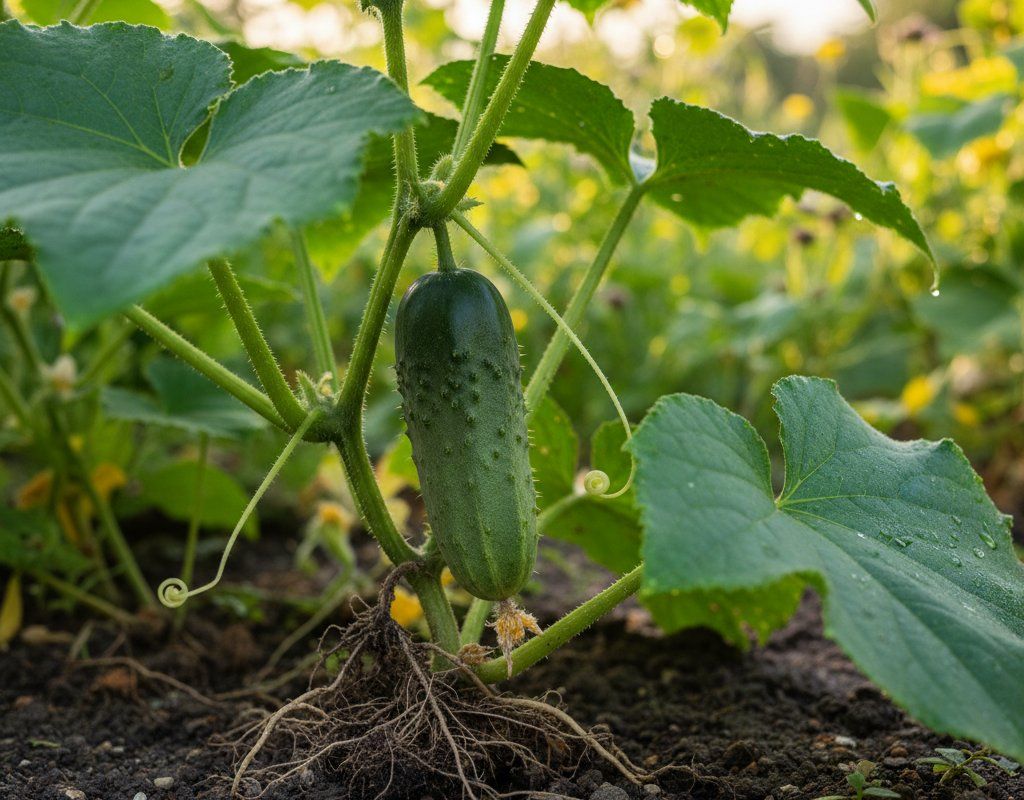
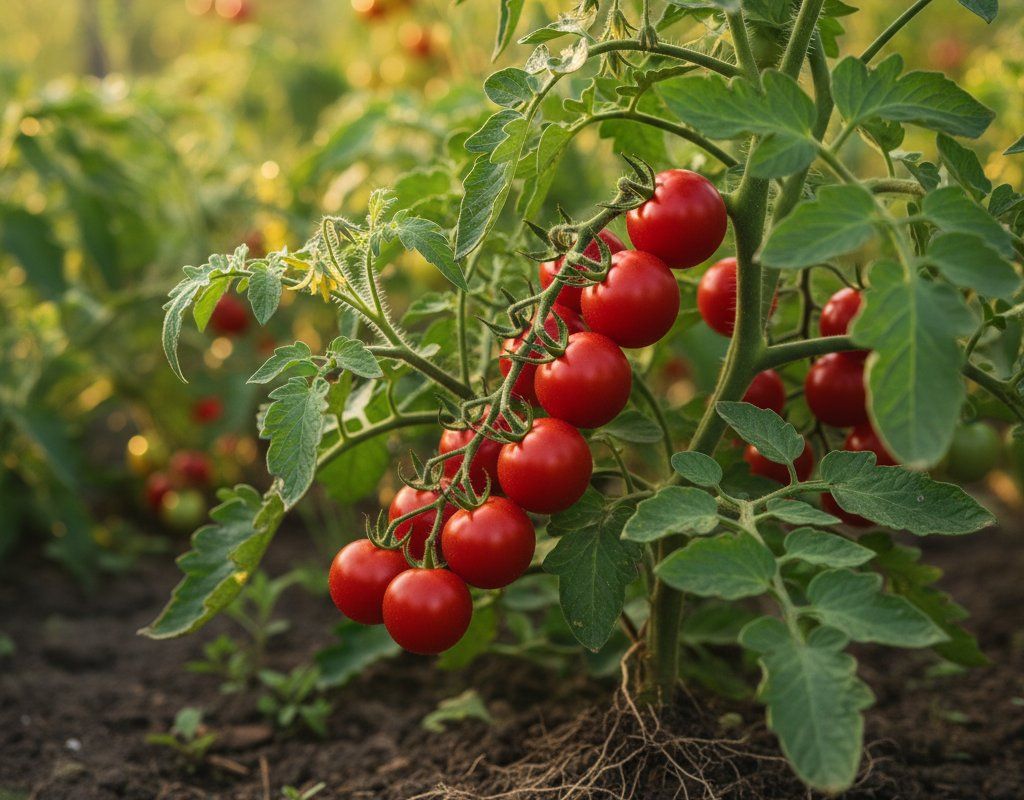
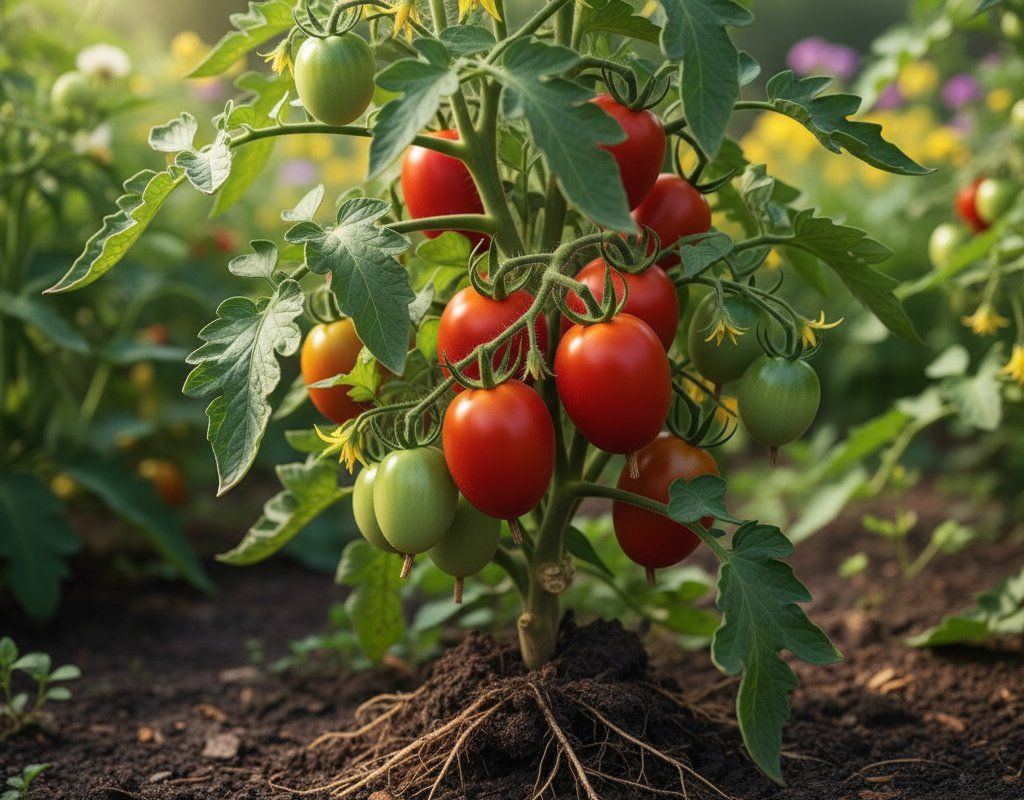
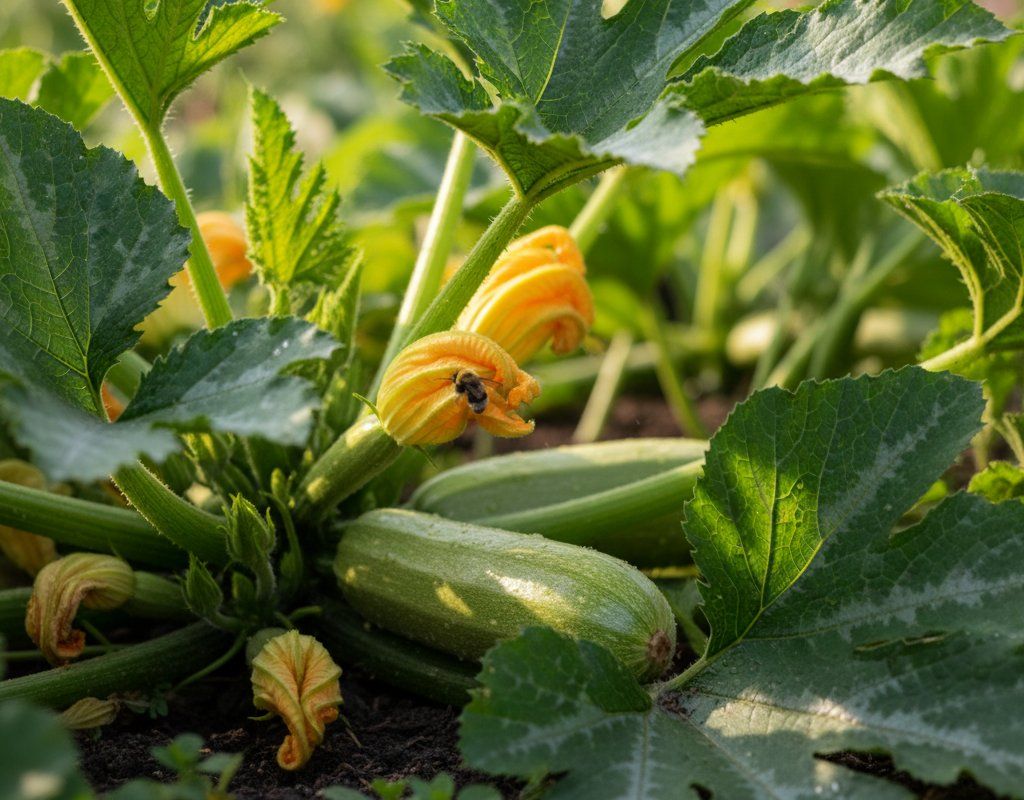
Borage is a fantastic neighbor in the vegetable garden. Its flowers are magnets for bees and other beneficial insects, which will help pollinate nearby crops. Plant it near your tomatoes, squash, and cucumbers to boost their fruit set. It's also thought to deter tomato hornworms.
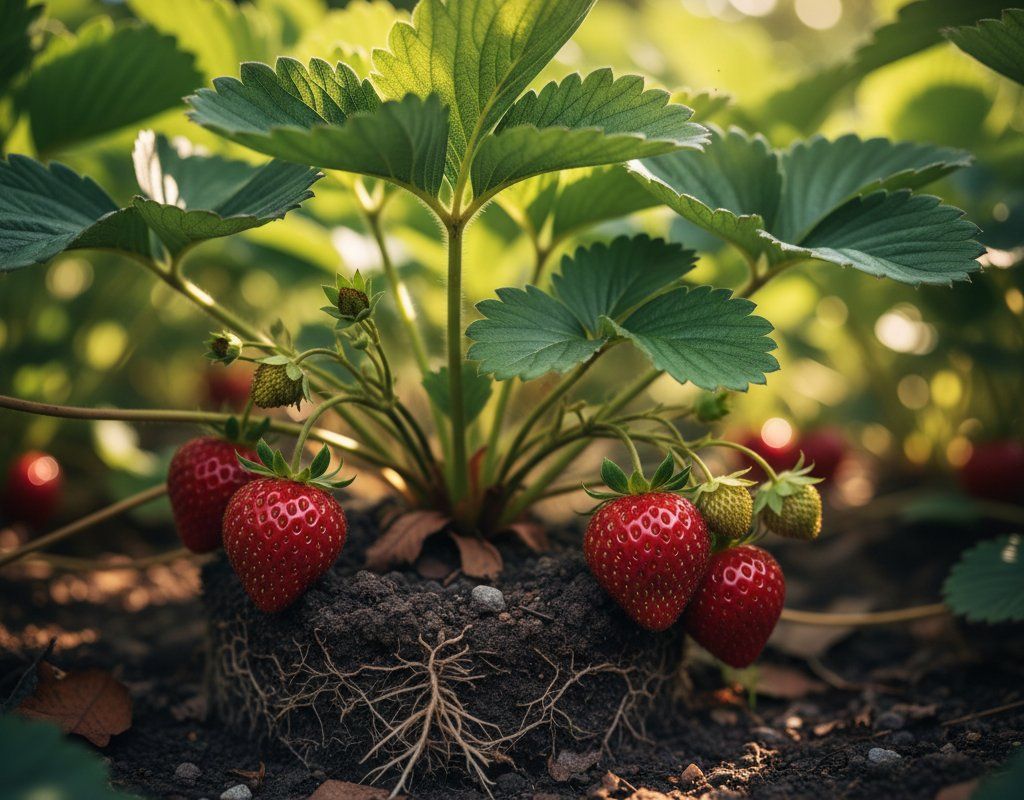
Strawberries and borage are a classic pairing. The pollinators borage attracts are essential for a good strawberry crop, and some gardeners claim it improves the berries' flavor. There aren't really any plants that borage actively harms, so you can feel confident tucking it in wherever you have a spare spot in the sun.
🥬Best Vegetables to Pair With Borage
Borage benefits these vegetables through pest control, pollinator attraction, or improved garden health.

Get a Reminder When It's Time to Plant
We'll email you when key planting windows open for your zone.