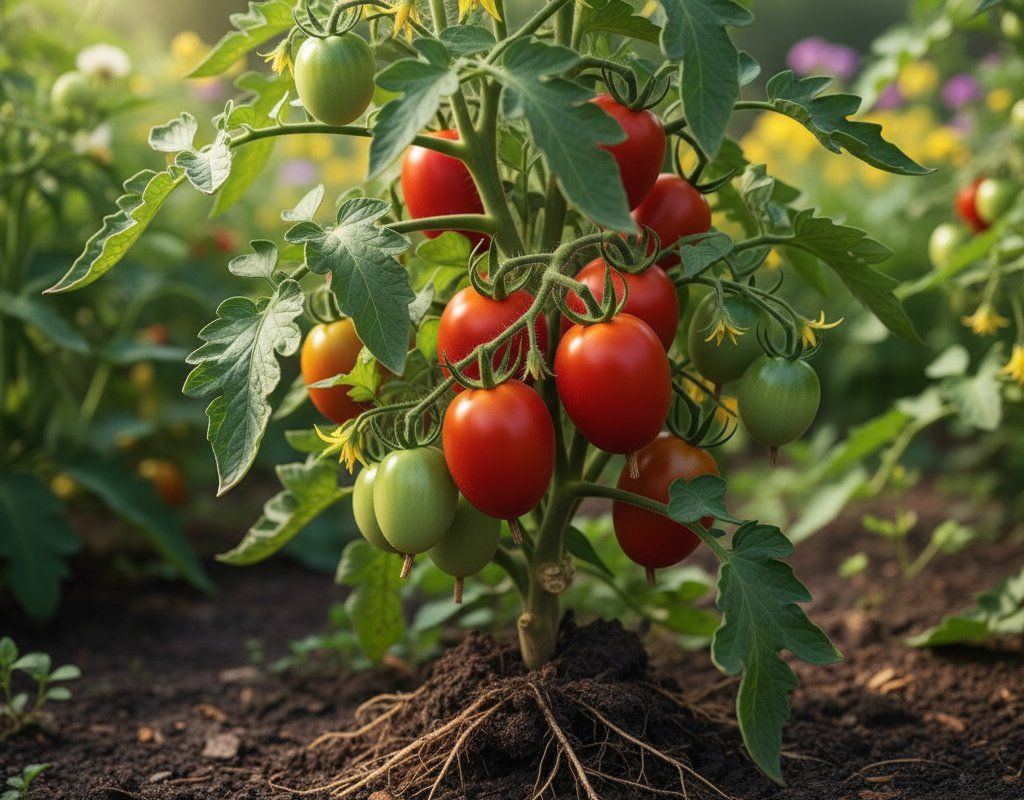
Roma Tomatoes in Zone 9B — Southern California
Solanum lycopersicum · Your Complete 2026 Planting Guide
Time to Buy Starts!
Seed starting window passed, but starts are available now.
Buy Starts Now
Head to your local nursery, Home Depot, or farmers market for transplants.
- Look for stocky plants with dark green leaves
- Avoid leggy seedlings or plants already flowering
- Check that roots aren't circling the pot (rootbound)
How to Plant Roma Tomatoes in Zone 9B — Southern California
Here are all your options for getting roma tomatoes in the ground, from the easiest method to more advanced approaches.
Start Seeds Indoors
RecommendedLate December through mid January
around December 28
Then transplant: Early February through early March
Start seeds 6-8 weeks before transplanting outdoors.
Buy Starts
Works WellEarly February through early March
around February 8
Plant purchased starts after last frost (January 25).
Direct Sow Seeds
ChallengingDirect sowing is not typical for Roma Tomatoes.
Transplant Outdoors
Timing InfoEarly February through early March
around February 8
Wait until nighttime temperatures stay above 50°F.
You have a nice window — no need to rush.
Overview
Roma tomatoes excel in Southern California's Zone 9b climate, delivering meaty, paste-perfect fruit that's ideal for sauces, canning, and fresh eating. Their determinate growth habit means you'll get a concentrated harvest perfect for processing, while their thick walls and low seed cavities make them superior to anything you'll find at the store. Our year-round growing season and intense summer sun create ideal conditions for developing that rich, concentrated flavor that makes Roma tomatoes so prized by home cooks.
While our hot, dry summers and occasional water restrictions present challenges for these thirsty plants, proper timing makes Roma tomatoes very manageable in Southern California. Starting seeds during our mild winter months and transplanting in early spring gives your plants time to establish before the summer heat hits. With our 334-day growing season, you have excellent flexibility in timing and can often squeeze in successive plantings for extended harvests.
Starting Seeds Indoors
Start your Roma tomato seeds indoors during late December through mid-January, about six weeks before you plan to transplant outdoors. This timing takes advantage of Southern California's very early spring character, giving your seedlings time to develop strong root systems before facing our warming outdoor conditions. Use seed starting trays filled with quality seed starting mix, and maintain soil temperature around 70-75°F for optimal germination.
Set up your seedlings under grow lights or in a sunny south-facing window, keeping the lights about 2 inches above the seedlings as they grow. Bottom watering works best for tomato seedlings—place the seed trays in a shallow pan of water and let the soil absorb moisture from below. This prevents damping-off disease and keeps the soil consistently moist without waterlogging.
Once your seedlings develop their first true leaves (beyond the initial seed leaves), you can transplant them into individual 4-inch pots. Keep them indoors under lights until it's time to begin the hardening-off process in early to mid-February.
Transplanting Outdoors
Plan to transplant your Roma tomato seedlings outdoors during early February through early March, when nighttime temperatures consistently stay above 50°F. In Southern California, this timing usually coincides with the end of our brief winter chill period and the beginning of our extended warm season. Start hardening off your seedlings about one week before transplanting by gradually exposing them to outdoor conditions, beginning with just a few hours in filtered sunlight.
Space your Roma plants 24-36 inches apart to ensure good air circulation, which is crucial in our occasionally humid conditions and helps prevent fungal diseases. Choose a location that receives full sun (6-8 hours daily) and has well-draining soil, as our clay soils can retain too much winter moisture. Dig holes slightly deeper than the root ball and plant your tomatoes deep, burying about two-thirds of the stem to encourage strong root development.
Watch for late-season temperature swings during transplant time, as Southern California can occasionally surprise us with unexpected cool spells. Keep row covers or milk jugs handy to protect young transplants if temperatures threaten to dip below 45°F overnight.
Watering Roma Tomatoes in Zone 9B (Southern California)
Roma tomatoes require consistent, deep watering throughout the growing season, especially critical in Southern California's hot, dry climate where summer temperatures regularly reach 92°F with low to moderate humidity. These paste tomatoes are particularly sensitive to inconsistent moisture, which concentrates blossom end rot in their elongated fruits. Establish a regular watering schedule from transplant through harvest, providing about 1-2 inches of water per week through deep, infrequent watering sessions.
During our winter-wet period (December through March), natural rainfall often provides adequate moisture, but monitor soil conditions carefully as our clay soils can become waterlogged. As the dry season approaches in late spring, gradually increase watering frequency. Use the finger test—stick your finger 2 inches into the soil near the base of the plant. If it's dry at that depth, it's time to water deeply.
Water at the base of plants rather than overhead to reduce disease pressure and water waste, especially important given our frequent water restrictions. Drip irrigation or soaker hoses work exceptionally well for tomatoes in Southern California's climate. Apply water slowly and deeply, ensuring it penetrates 6-8 inches down to encourage deep root growth that helps plants withstand our summer heat.
Signs of underwatering include wilting during the hottest part of the day, stunted growth, and small fruit. Overwatering shows up as yellowing lower leaves, soft stems, and increased susceptibility to fungal diseases. Apply a 2-3 inch layer of organic mulch around plants to maintain consistent soil moisture and reduce water evaporation during our hot, dry summers.
Supporting Your Roma Tomatoes
Roma tomatoes benefit from support structures despite their determinate growth habit, as their concentrated fruit load can stress branches and cause them to break or touch the ground. Install tomato cages or stakes at planting time to avoid disturbing the root system later. Since Roma varieties typically reach 3-4 feet in height, shorter cages (4-5 feet) work perfectly and are more economical than the tall cages needed for indeterminate varieties.
Choose sturdy cages with wide openings that allow easy access for harvesting the blocky fruits. As the plant grows, gently guide branches through the cage openings rather than forcing them. For staking, use 6-foot stakes driven 12 inches into the ground and tie the main stem loosely with soft cloth strips or plant ties every 8-10 inches as it grows.
Since Roma tomatoes produce their entire crop over a relatively short period, the support system needs to handle a heavy fruit load all at once. Properly supported plants also have better air circulation, which reduces disease pressure during our occasionally humid conditions, and keeps fruit off the ground where it can rot or attract pests.
🧪Fertilizing Roma Tomatoes
Feeding Schedule
Organic Fertilizer Options
Harvest Time
Your first Roma tomatoes will be ready for harvest from late April through mid-June, approximately 75 days from transplanting. In Southern California's ideal growing conditions, the fruit develops excellent flavor and thick flesh perfect for sauces and paste. Look for deep red color throughout the entire fruit, with firm flesh that gives slightly to gentle pressure. Ripe Roma tomatoes detach easily from the stem with a gentle twist and upward pull.
Harvest in the early morning when temperatures are cooler and the fruit is fully hydrated. Unlike cherry tomatoes, Roma varieties produce most of their crop within a 2-3 week window, giving you a concentrated harvest perfect for large-batch cooking or canning projects. Check plants daily during peak harvest time, as ripe fruit can become oversoft quickly in our summer heat.
Roma tomatoes ripen well off the vine if picked when they show the first blush of color, making them forgiving if you need to harvest before full ripeness. Store partially ripe tomatoes at room temperature out of direct sunlight, and they'll continue developing flavor and color. This characteristic becomes especially valuable as our first frost approaches in late December, allowing you to salvage green fruit that would otherwise be lost.
As the growing season winds down in early winter, watch weather forecasts for potential frost warnings. Harvest all remaining fruit, regardless of ripeness, before temperatures drop below 32°F. Green tomatoes can ripen indoors over several weeks when stored in a cool, dark location.
Common Problems in Zone 9B (Southern California)
Blossom End Rot This appears as sunken, dark brown or black leathery patches on the bottom (blossom end) of your Roma tomatoes, often affecting the first fruits of the season. The elongated shape of Roma tomatoes makes them particularly susceptible to this unsightly condition. In Southern California's climate, blossom end rot typically develops when our winter rains end abruptly and gardeners struggle to maintain consistent soil moisture during the transition to our dry season. It's not a disease but a calcium deficiency caused by inconsistent watering that prevents plants from absorbing calcium properly. Water consistently and deeply, applying 1-2 inches per week through drip irrigation or soaker hoses. Mulch heavily with organic matter to maintain even soil moisture, and avoid over-fertilizing with nitrogen which can interfere with calcium uptake.
Early Blight Watch for brown spots with distinctive concentric rings (bullseye pattern) appearing first on lower leaves, then spreading upward as leaves yellow and drop. This fungal disease thrives during Southern California's occasional humid periods, especially when morning marine layer combines with warm daytime temperatures. The fungus spreads through soil splash hitting lower leaves, making it common during our winter-wet season or when using overhead watering. Remove affected leaves immediately and destroy them (don't compost). Switch to drip irrigation or soaker hoses to eliminate soil splash, and mulch around plants to create a barrier. Improve air circulation by proper spacing and removing lower branches. Copper-based fungicides can slow the spread if applied early.
Fusarium Wilt This devastating disease first appears as wilting on one side of the plant, progressing to yellow leaves and eventual plant death. Cut open an affected stem and you'll see brown streaking inside. Fusarium wilt is particularly problematic in Southern California's warm soils and can persist for years once established. The soil-borne fungus enters through roots and thrives in our warm growing conditions, spreading faster during hot inland temperatures. Unfortunately, there's no cure once a plant is infected—remove and destroy the entire plant immediately. Prevention is key: plant resistant varieties marked with 'F' on seed packets, rotate crops on a 4-year cycle, and avoid planting tomatoes in the same soil year after year.
Southern California Specific Challenges Our region's hot, dry summers combined with low to moderate humidity create perfect conditions for spider mites and whiteflies, while our winter-wet, summer-dry pattern makes consistent watering challenging. The intense inland heat can cause sunscald on fruit, while Santa Ana winds can quickly dehydrate plants and spread fungal spores. Consider providing afternoon shade during extreme heat waves and extra wind protection during fire season.
Best Companions for Roma Tomatoes
Plant these nearby for healthier Roma Tomatoes and better harvests.
View Full Companion Planting Chart →



Companion Planting Details
Plant basil near your Roma tomatoes—it naturally repels aphids and whiteflies while improving the flavor of nearby tomatoes, and both plants thrive in Southern California's warm conditions. Carrots make excellent companions as their deep taproots don't compete with tomatoes' shallow roots, plus they help break up clay soil common in our area. Parsley attracts beneficial insects that prey on tomato pests, while marigolds planted throughout the garden deter nematodes, which can be problematic in our warm soils.
Avoid planting brassicas like cabbage, broccoli, or kale near tomatoes, as they compete for similar nutrients and can stunt tomato growth during the critical establishment period. Keep fennel away from tomatoes—it releases compounds that inhibit tomato growth and attracts pests that can spread to your tomato plants. Corn should also be avoided as it attracts similar pests like tomato hornworms and creates too much shade for sun-loving Roma tomatoes in our intense growing conditions.
🌸Best Flowers to Plant with Roma Tomatoes
These flowers protect your Roma Tomatoes from pests and attract pollinators for better harvests.
For Pest Control



For Pollinators

Get a Reminder When It's Time to Plant
We'll email you when key planting windows open for your zone.