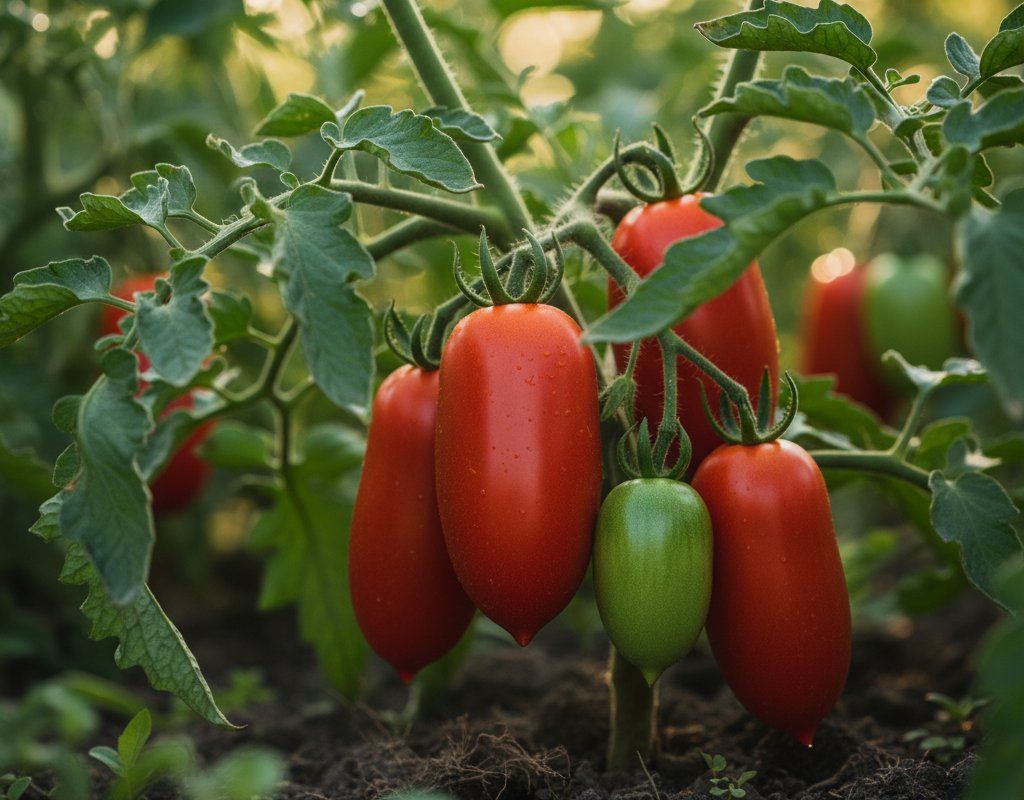
San Marzano Tomatoes in Zone 10B — Southern California
Solanum lycopersicum · Your Complete 2026 Planting Guide
Check Planting Details Below
See the full planting guide for timing information.
How to Plant San Marzano Tomatoes in Zone 10B — Southern California
Here are all your options for getting san marzano tomatoes in the ground, from the easiest method to more advanced approaches.
Start Seeds Indoors
RecommendedEarly to late December
around December 13
Then transplant: Late January through late February
Start seeds 6-8 weeks before transplanting outdoors.
Buy Starts
Works WellLate January through late February
around January 24
Plant purchased starts after last frost (January 10).
Direct Sow Seeds
ChallengingDirect sowing is not typical for San Marzano Tomatoes.
Transplant Outdoors
Timing InfoLate January through late February
around January 24
Wait until nighttime temperatures stay above 50°F.
You have a nice window — no need to rush.
Overview
San Marzano tomatoes are the gold standard for sauce-making, and in Southern California's year-round growing climate, you can enjoy these prized Italian heirlooms from spring through fall. These elongated paste tomatoes deliver concentrated flavor with fewer seeds and less water content than slicers, making them perfect for our water-wise gardening practices. With our 355-day growing season and reliable summer heat, you'll get exceptional yields from these indeterminate vines.
Our mild winters and early spring warmth do present some timing considerations, but starting seeds in December positions you perfectly for transplanting when the soil warms. While San Marzanos need consistent water and aren't drought-tolerant, proper planning around our winter-wet, summer-dry pattern makes them very manageable here in Zone 10B.
Starting Seeds Indoors
Start your San Marzano seeds indoors during early to late December, about 6 weeks before you plan to transplant them outside. This timing takes advantage of our very early spring character, getting plants established before the summer heat hits full force. Use seed starting trays with quality potting mix, keeping the soil temperature around 70-75°F for best germination.
Place your seed trays in a warm spot with bright light—a south-facing window works, but grow lights give more consistent results during our shorter December days. Bottom watering works best to prevent fungal issues and gives you better moisture control. Water from below by placing trays in a shallow pan of water and letting the soil absorb what it needs.
Your seedlings should be ready for hardening off by late January, perfectly timed for our mild winter transition period when daytime temperatures start climbing consistently above 60°F.
Transplanting Outdoors
Transplant your San Marzano seedlings outdoors from late January through late February, when nighttime lows stay consistently above 50°F. This timing gives them a chance to establish before our summer heat ramps up, and takes advantage of any winter rainfall we might get for natural irrigation. Space plants 24-36 inches apart—they'll need the room since these indeterminate varieties can reach 6 feet tall or more.
Harden off your seedlings gradually over a week before transplanting. Start with just a couple hours outside in a protected spot, then increase exposure daily until they're spending full days outdoors. Our occasional winter temperature swings and Santa Ana wind events can shock unprepared transplants.
Choose a spot with full sun and good drainage. Even though we rarely get frost this late, keep row cover handy for those unexpected cold snaps that can still hit in early February.
Watering San Marzano Tomatoes in Zone 10B (Southern California)
San Marzanos have high water needs and aren't drought-tolerant, making consistent irrigation critical in our semi-arid climate. During establishment in late winter and spring, water deeply 2-3 times per week, providing about 1-2 inches total. As summer heat builds and our winter rainfall tapers off, increase to daily watering, especially for plants in containers or raised beds.
The finger test is your best guide—stick your finger 2 inches into the soil near the base of the plant. If it's dry at that depth, it's time to water. During our typical 92°F summer days with low-to-moderate humidity, established plants may need 2-3 inches per week. Water at the base rather than overhead to prevent disease and conserve water during restriction periods.
Inconsistent watering causes blossom end rot, which San Marzano paste tomatoes are particularly prone to. You'll see dark, sunken spots on the bottom of fruits when calcium uptake gets disrupted by drought-stress cycles. Mulch heavily around plants with straw or wood chips to maintain even soil moisture and reduce watering frequency.
Watch for signs of stress: wilting during the hottest part of the day (normal), wilting in morning or evening (underwatered), or yellowing lower leaves (often overwatering). Our summer heat inland means containers dry out fast, so check daily.
Supporting Your San Marzano Tomatoes
San Marzano tomatoes are vigorous indeterminate varieties that easily reach 6-8 feet tall with heavy fruit clusters, so they need strong support from day one. Install 6-foot tall cages or sturdy stakes at transplant time—trying to add support later risks damaging the root system. Heavy-duty tomato cages or T-posts with horizontal wires work best for these productive plants.
For staking, use 1-inch by 8-foot wooden stakes or metal T-posts, driving them at least 18 inches deep for stability against our Santa Ana winds. Tie the main stem loosely with soft ties every 12-18 inches as it grows, allowing room for the stem to expand. Avoid tight ties that can girdle the plant as it matures.
Consider the Florida weave method if you're growing multiple plants—run horizontal strings between posts to create a supportive web that contains the sprawling growth without individual tying.
Pruning & Maintaining San Marzano Tomatoes
Remove suckers (shoots growing between the main stem and branches) when they're 2-4 inches long throughout the growing season. San Marzanos can handle moderate pruning better than some varieties, so focus on the lower suckers and any growth below the first flower cluster. This directs energy into fruit production rather than excess foliage.
Remove lower leaves that touch the ground or show signs of disease, especially important during our humid winter months when fungal issues can develop. As plants grow taller, continue removing lower branches up to about 12 inches from the ground to improve air circulation. This is particularly important in our low-to-moderate humidity climate where good airflow prevents disease.
Late in the season around November, pinch growing tips to focus the plant's energy on ripening existing fruit before our first frost arrives in late December. This "topping" helps ensure your green tomatoes have time to mature.
🧪Fertilizing San Marzano Tomatoes
Feeding Schedule
Organic Fertilizer Options
Harvest Time
Your first San Marzanos will be ready from mid-April through early June, about 80 days from transplanting. Look for fruits that have turned deep red and feel firm but give slightly to gentle pressure. The classic San Marzano shape—elongated like a plum with a slight point—makes them easy to identify when ripe. Ripe fruits will detach easily from the stem with a gentle twist.
Harvest regularly to keep plants producing through our long warm season. Pick fruits every 2-3 days during peak season, which in Southern California can extend well into November. Harvest in the morning when fruits are cool and firm, especially during summer heat spells when afternoon temperatures can stress both plants and fruits.
As our first frost approaches in late December, harvest all remaining fruits regardless of ripeness. Green San Marzanos ripen well indoors—place them in a paper bag with a ripe apple or banana to speed the process. Store ripe fruits at room temperature for best flavor, using within a week of harvesting.
The beauty of our 355-day growing season means you can often get two harvests by starting a second round of seeds in late spring for fall production, extending your San Marzano harvest well into winter.
Common Problems in Zone 10B (Southern California)
Blossom End Rot Dark, sunken patches appear on the bottom (blossom end) of fruits, starting small but growing larger and leathery. This typically hits the first fruits of the season hardest and isn't actually a disease—it's a calcium deficiency caused by inconsistent watering in our drought-prone climate. Our water restriction periods and tendency to underwater during establishment make this especially common here. Fix it with consistent deep watering—the single most effective solution. Mulch heavily to maintain even soil moisture, and avoid over-fertilizing with nitrogen which interferes with calcium uptake.
Early Blight Brown spots with distinctive concentric rings (bullseye pattern) start on lower leaves and work their way up the plant. Leaves yellow and drop, weakening the plant over time. This fungal disease loves our warm temperatures and can spread quickly via soil splash during watering. Remove affected leaves immediately and don't compost them. Water at the base rather than overhead, and improve air circulation through proper spacing and pruning. Mulch prevents soil from splashing onto leaves during irrigation.
Fusarium Wilt Plants wilt dramatically, often starting on just one side before spreading throughout. Leaves yellow starting from one side, and if you cut the stem, you'll see brown streaks inside. This soil-borne fungus thrives in our warm soil temperatures and can persist for years. There's no cure once infected—remove and destroy the entire plant. Plant resistant varieties marked with 'F' on seed packets, and rotate your tomato family crops on a 4-year cycle. In our hot inland areas, soil solarization during summer can help reduce fungal loads.
Southern California Specific Challenges: Our hot, dry summers with low-to-moderate humidity create perfect conditions for stress-related problems like blossom end rot, while our mild, occasionally wet winters can harbor fungal diseases. The key is consistent watering through our long dry season and good air circulation during our wetter months.
Best Companions for San Marzano Tomatoes
Plant these nearby for healthier San Marzano Tomatoes and better harvests.
View Full Companion Planting Chart →



Companion Planting Details
Plant basil nearby—it naturally repels aphids and whiteflies while improving tomato flavor, and both crops thrive in our warm climate. Carrots make excellent companions since their deep taproots don't compete with tomato roots, and they help break up clay soils common in many SoCal areas. Parsley provides ground cover that conserves moisture during our dry spells while attracting beneficial insects, and marigolds deter nematodes that can be problematic in our year-round growing climate.
Avoid planting brassicas (cabbage, broccoli, kale) near San Marzanos since they're heavy nitrogen feeders that compete for nutrients and can stunt tomato growth. Skip fennel entirely—it releases chemicals that inhibit tomato growth and attracts pests. Corn should also be planted elsewhere since it attracts corn earworms that readily switch to tomatoes, and both crops are heavy feeders that compete for the same nutrients in our typically lower-fertility soils.
🌸Best Flowers to Plant with San Marzano Tomatoes
These flowers protect your San Marzano Tomatoes from pests and attract pollinators for better harvests.
For Pest Control

Get a Reminder When It's Time to Plant
We'll email you when key planting windows open for your zone.