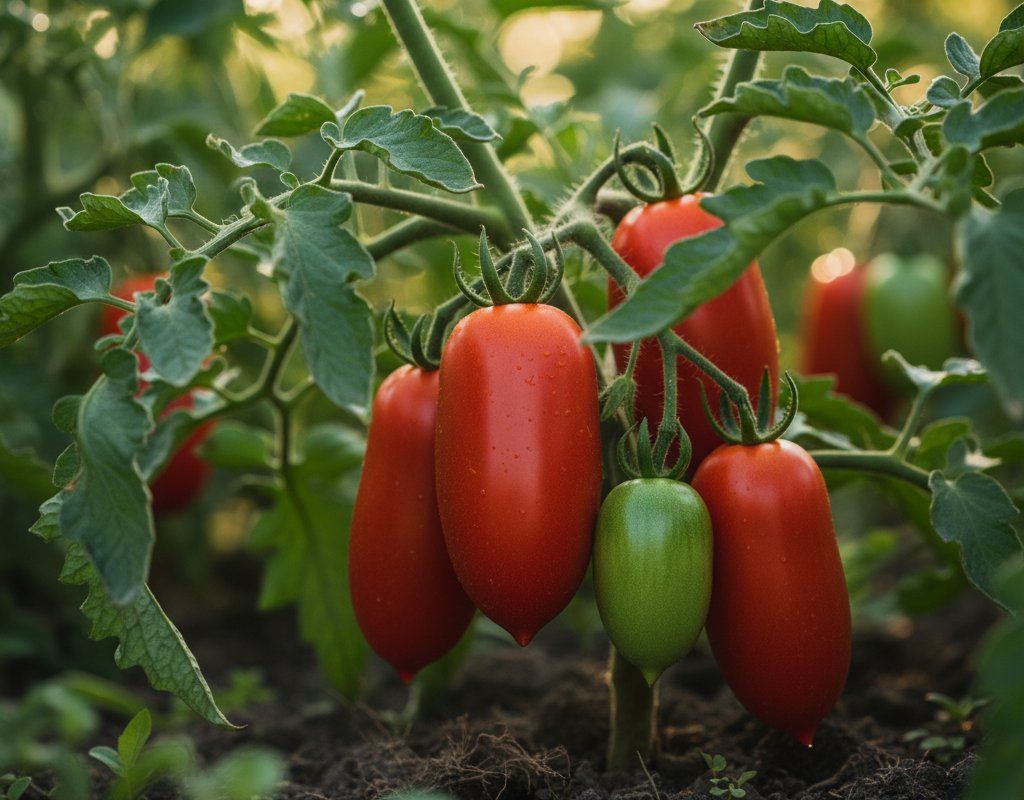
San Marzano Tomatoes in Zone 5B — Mountain West
Solanum lycopersicum · Your Complete 2026 Planting Guide
Planning Ahead — Great!
You’re ahead of the season. Here’s when to start.
Mark Your Calendar
How to Plant San Marzano Tomatoes in Zone 5B — Mountain West
Here are all your options for getting san marzano tomatoes in the ground, from the easiest method to more advanced approaches.
Start Seeds Indoors
RecommendedLate March through late April
around April 7
Then transplant: Mid May through mid June
Start seeds 6-8 weeks before transplanting outdoors.
Buy Starts
Works WellMid May through mid June
around May 19
Plant purchased starts after last frost (May 5).
Direct Sow Seeds
ChallengingDirect sowing is not typical for San Marzano Tomatoes.
Transplant Outdoors
Timing InfoMid May through mid June
around May 19
Wait until nighttime temperatures stay above 50°F.
You have a nice window — no need to rush.
Overview
San Marzano tomatoes bring authentic Italian flavor to your Mountain West garden with their sweet, low-acid taste and meaty texture that's perfect for sauces and canning. These elongated paste tomatoes thrive in our intense high-altitude sun, and the cool nights that drop into the 60s even during summer help concentrate their sugars for exceptional flavor. While they take 80 days to mature, they're worth the wait for gardeners seeking premium sauce tomatoes.
Our short 149-day growing season and late spring start might seem challenging for warm-season crops, but San Marzanos adapt well when you start them indoors and time the transplant correctly. The key is working with our Mountain climate rather than against it—our intense UV and temperature swings actually benefit these heat-loving plants once they're established and protected through the transition period.
Starting Seeds Indoors
Start your San Marzano seeds indoors from late March through late April, about 6 weeks before your planned transplant date. Our late spring character means you can't rush this process—soil temperatures won't be ready for transplanting until mid-May at the earliest. Use seed starting trays filled with quality seed-starting mix, and keep the soil consistently moist using bottom watering to prevent damping off.
Place your trays in a warm location (70-75°F) until germination, then move seedlings under grow lights or to your brightest south-facing window. The intense UV at our altitude means even indoor light is stronger than at sea level, which helps produce sturdy transplants. Keep seedlings evenly watered but not soggy—bottom watering works best to avoid disturbing the tender stems.
As your seedlings develop their first true leaves, you can begin very light fertilizing with diluted liquid fertilizer. Plan to pot up into larger containers if you're starting on the earlier side of the window, giving roots room to develop before the outdoor transition.
Transplanting Outdoors
Transplant your San Marzano seedlings outdoors from mid-May through mid-June, after soil temperatures consistently reach 60°F and nighttime temperatures stay above 50°F. Even with our intense daytime sun, those cool Mountain nights can shock tender transplants if you move too early. Wait until you're confident the soil has warmed and night temperatures have stabilized.
Harden off your seedlings gradually over one week before transplanting. Start with just 2-3 hours of morning sun, then gradually increase outdoor exposure. Our intense high-altitude UV can sunburn tender leaves quickly, so build up their tolerance slowly. Watch for sudden weather changes—late spring hail or unexpected cold snaps can undo weeks of careful growing.
Space your transplants 24-36 inches apart to allow for good air circulation, which helps prevent fungal issues in our low-humidity climate. Plant them slightly deeper than they were growing in their containers, burying part of the stem to encourage strong root development. Install support structures at planting time since these indeterminate plants will grow tall and produce heavy fruit clusters.
Watering San Marzano Tomatoes in Zone 5B (Mountain West)
San Marzanos need consistent, deep watering throughout the growing season—they're not drought tolerant and will quickly show stress in our dry Mountain climate. With only 10-20 inches of annual rainfall, you'll be doing most of the watering yourself. Plan to provide about 1-2 inches of water per week, including any natural rainfall.
Check soil moisture using the finger test—stick your finger 2 inches deep into the soil near the plant base. If it's dry at that depth, it's time to water deeply. Our low humidity means surface soil dries quickly, but you want to encourage deep root growth by watering thoroughly rather than frequently and shallowly. Water at the base of plants rather than overhead to conserve moisture and prevent fungal issues.
Consistent watering is critical for preventing blossom end rot, which paste-type tomatoes like San Marzanos are particularly prone to. The calcium deficiency that causes this problem is triggered by inconsistent soil moisture—drought followed by flooding cycles disrupt nutrient uptake. Our moderate summer temperatures (typically reaching 85°F) mean less water stress than hotter regions, but the low humidity increases evaporation rates.
Apply a 3-4 inch layer of organic mulch around plants to help retain soil moisture and moderate soil temperature swings. Straw, shredded leaves, or grass clippings work well in our climate. Keep mulch a few inches away from the stem to prevent pest problems and allow air circulation around the base of the plant.
Supporting Your San Marzano Tomatoes
San Marzano tomatoes are indeterminate varieties that grow 6-8 feet tall and produce heavy clusters of elongated fruit throughout the season. They need strong, sturdy support from the beginning—install cages or stakes at planting time rather than trying to add them later when roots are established. Heavy-duty tomato cages (at least 6 feet tall) or wooden stakes with soft ties work best.
If using stakes, choose 8-foot posts driven 18-24 inches into the ground for stability against our Mountain winds. Tie the main stem loosely to the stake every 12-18 inches as it grows, using soft materials like cloth strips or tomato ties that won't cut into the stem. The goal is support without restriction, allowing for natural stem movement and growth.
For cage systems, choose the largest, sturdiest cages you can find or build your own from concrete reinforcing wire. Flimsy store-bought cages will collapse under the weight of a mature San Marzano plant loaded with fruit. As the plant grows, gently guide branches through the cage openings to distribute weight evenly and prevent breakage during our occasional summer storms.
Pruning & Maintaining San Marzano Tomatoes
Remove suckers that develop in the crotch between the main stem and branches throughout the growing season. These shoots won't produce fruit but will drain energy from the plant and create dense foliage that restricts air circulation. Pinch or cut suckers when they're small (2-3 inches) for easier removal and less stress on the plant.
Prune lower leaves that touch the ground or show signs of disease, especially as the season progresses. Our low humidity reduces disease pressure compared to more humid regions, but good air circulation still helps prevent problems like early blight. Remove any yellowing or damaged leaves promptly, disposing of them in the trash rather than composting.
As first frost approaches in early October, you can top the plant by removing the growing tip to redirect energy into ripening existing fruit rather than producing new flowers. About 4-6 weeks before expected frost, remove new flower clusters that won't have time to develop into mature fruit. This helps the plant focus on finishing the tomatoes already set rather than starting new ones that won't ripen in time.
🧪Fertilizing San Marzano Tomatoes
Feeding Schedule
Organic Fertilizer Options
Harvest Time
Your first San Marzano tomatoes will be ready for harvest from early August through late September, about 80 days from transplanting. Look for deep red color and fruit that gives slightly to gentle pressure while still feeling firm. The elongated fruits should easily detach from the stem when ripe—if you have to pull hard, give them another day or two.
Harvest regularly to encourage continued production throughout the season. San Marzanos produce continuously once they start, so check plants every 2-3 days during peak season. Pick fruits when they're fully colored but still firm—they'll be perfect for sauce-making and less likely to crack or split during processing.
Unlike slicing tomatoes, San Marzanos can ripen well off the vine if picked when they show the first blush of color. This becomes important as we approach first frost in early October. When night temperatures start dropping into the 40s consistently, harvest all fruits that show any color and let them ripen indoors on countertops or in paper bags.
Before the first hard frost hits, harvest all remaining green fruits. Green San Marzanos can be used for fried green tomatoes, pickles, or chutney. You can also wrap individual green fruits in newspaper and store them in a cool, dark place where some will slowly ripen over several weeks, extending your harvest into late fall.
Common Problems in Zone 5B (Mountain West)
Blossom End Rot Look for sunken, dark brown or black leathery patches on the bottom (blossom end) of developing fruits. This typically affects the first fruits of the season most severely. The patches start small but expand as the fruit grows, making them inedible. Despite appearances, this isn't a disease—it's a calcium deficiency caused by inconsistent watering that disrupts nutrient uptake.
Our dry Mountain climate with low rainfall makes consistent watering challenging but critical for preventing this problem. The moderate temperatures help, but erratic watering schedules cause the drought-flood cycles that trigger blossom end rot. Maintain steady soil moisture through regular deep watering and heavy mulching. Avoid over-fertilizing with nitrogen, which can interfere with calcium uptake.
Early Blight Watch for brown spots with distinctive concentric rings (bullseye or target pattern) starting on lower leaves and progressing upward. Affected leaves turn yellow and drop, gradually defoliating the plant from bottom to top. This fungal disease spreads through soil splash and thrives in warm, humid conditions, though our low humidity provides some natural protection.
Water at the base of plants rather than overhead, and apply thick mulch to prevent soil from splashing onto lower leaves during watering or summer storms. Remove affected leaves immediately and dispose of them in trash, not compost. Space plants properly for air circulation and prune lower branches to keep foliage off the ground. Copper-based fungicides can slow spread if applied early.
Fusarium Wilt Notice wilting that starts on one side of the plant first, often during the warmest part of the day, followed by yellowing leaves on the same side. Cut stems show brown streaks inside. This soil-borne fungal disease persists in soil for years and enters through roots, favored by warm soil temperatures that our sunny Mountain conditions can create.
No cure exists once plants are infected—remove and destroy affected plants immediately. Plant resistant varieties marked with 'F' on seed packets or labels for future seasons. Rotate crops on a 4-year cycle, avoiding planting tomatoes, peppers, or eggplants in the same spot. Our naturally alkaline soil helps, as raising pH above 6.5 inhibits the fungus.
Mountain West Specific Challenges Our intense high-altitude UV can stress plants and increase water needs, while cool nights and potential late-season hail create unique challenges. The short growing season means any setbacks are harder to overcome, making prevention crucial. However, our low humidity naturally reduces many fungal problems, and the intense sunlight helps plants recover quickly from minor issues when properly supported and watered.
Best Companions for San Marzano Tomatoes
Plant these nearby for healthier San Marzano Tomatoes and better harvests.
View Full Companion Planting Chart →



Companion Planting Details
Plant basil near your San Marzano tomatoes—it naturally repels aphids and whiteflies while improving tomato flavor, and both crops appreciate similar growing conditions in our Mountain climate. Carrots make excellent companions since their deep taproots don't compete with tomato roots, and their feathery foliage provides living mulch that helps conserve soil moisture in our dry conditions. Parsley and marigolds also work well, with marigolds deterring nematodes and many flying pests while handling our intense UV better than more delicate flowers.
Avoid planting brassicas like cabbage, broccoli, or kale near tomatoes since they compete for similar nutrients and can stunt each other's growth. Keep fennel away from your tomato patch—it releases compounds that inhibit tomato growth and can reduce fruit production. Corn isn't ideal either since both crops are heavy feeders that compete for nutrients, and corn's height can create unwanted shade in our already short growing season when every bit of intense Mountain sun counts for ripening fruit before frost.
🌸Best Flowers to Plant with San Marzano Tomatoes
These flowers protect your San Marzano Tomatoes from pests and attract pollinators for better harvests.
For Pest Control

Get a Reminder When It's Time to Plant
We'll email you when key planting windows open for your zone.