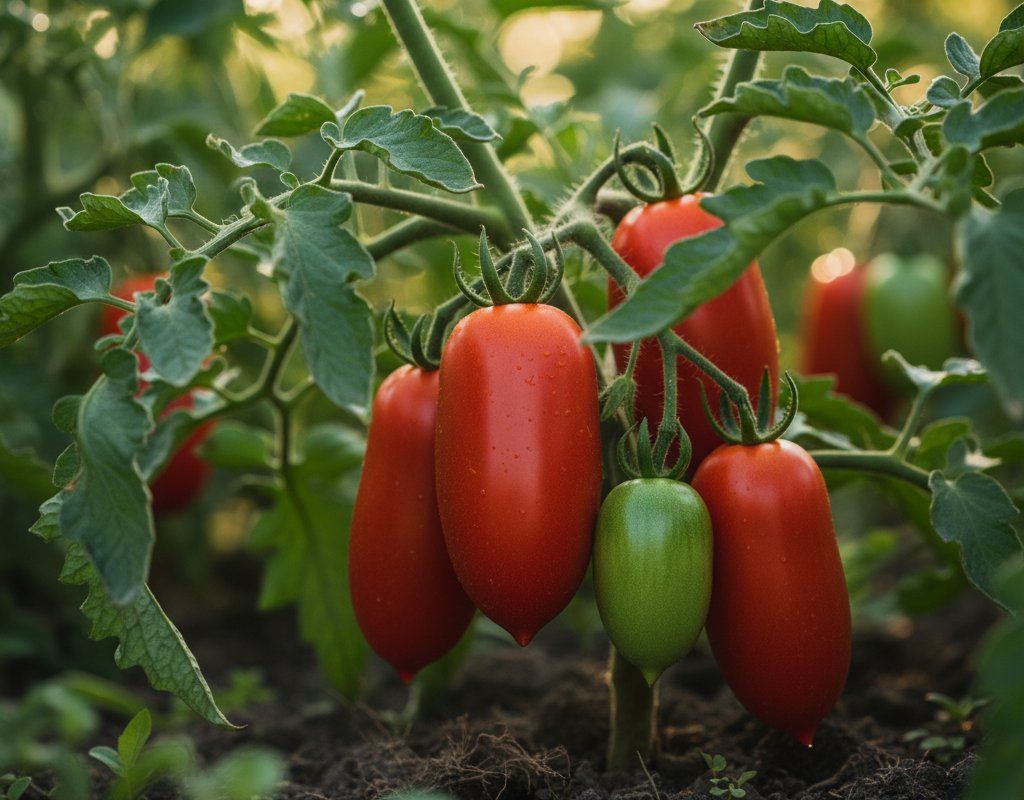
San Marzano Tomatoes in Zone 7A — Midwest
Solanum lycopersicum · Your Complete 2026 Planting Guide
Planning Ahead — Great!
You’re ahead of the season. Here’s when to start.
Mark Your Calendar
How to Plant San Marzano Tomatoes in Zone 7A — Midwest
Here are all your options for getting san marzano tomatoes in the ground, from the easiest method to more advanced approaches.
Start Seeds Indoors
RecommendedEarly to late March
around March 13
Then transplant: Late April through late May
Start seeds 6-8 weeks before transplanting outdoors.
Buy Starts
Works WellLate April through late May
around April 24
Plant purchased starts after last frost (April 10).
Direct Sow Seeds
ChallengingDirect sowing is not typical for San Marzano Tomatoes.
Transplant Outdoors
Timing InfoLate April through late May
around April 24
Wait until nighttime temperatures stay above 50°F.
You have a nice window — no need to rush.
Overview
San Marzano tomatoes are the gold standard for authentic Italian sauce, and here in Zone 7A they thrive in our warm summers and fertile soil. These elongated paste tomatoes develop incredibly rich, sweet flavor when grown in our Midwest climate—far superior to anything you'll find in stores. With our good summer heat and adequate rainfall, you can grow restaurant-quality San Marzanos that will transform your homemade sauces and pizza.
Our Midwest weather does throw some curveballs—variable spring temperatures and the occasional summer heat spell—but with proper timing these challenges are manageable. Your 193-day growing season gives you plenty of time to start seeds indoors, transplant after the last frost, and harvest through late summer before our mid-October freeze arrives.
Starting Seeds Indoors
Start your San Marzano seeds indoors during early to late March, about 6 weeks before you plan to transplant outdoors. In our moderate-to-late spring climate, this timing ensures your seedlings will be strong and ready when consistently warm weather arrives. Use seed-starting trays filled with quality potting mix, and keep them at 70-75°F for best germination.
Place your seed trays under grow lights or in a sunny south-facing window, maintaining consistent moisture through bottom watering rather than overhead watering. Bottom watering prevents fungal issues that can plague young tomato seedlings in our sometimes-humid spring conditions. Your seeds should germinate within 7-10 days, and you'll want to thin to the strongest seedling per cell once they develop their first true leaves.
Transplanting Outdoors
Transplant your San Marzano seedlings outdoors between late April through late May, after our last frost risk passes in early April and soil temperatures consistently stay above 60°F. Our Midwest springs can be tricky with warm spells followed by cool snaps, so don't rush this step even if you're eager to get started. A late cold spell can set back or kill tender tomato plants.
Harden off your seedlings gradually over a week, starting with 2-3 hours outdoors in a protected spot and increasing daily exposure. Space your San Marzanos 24-36 inches apart—these indeterminate varieties need room for good air circulation, especially important given our moderate-to-humid summer conditions. Choose your sunniest spot since these plants need 6-8 hours of direct sunlight to develop their characteristic rich flavor.
Watering San Marzano Tomatoes in Zone 7A (Midwest)
San Marzano tomatoes have high water needs and aren't drought tolerant, making consistent watering your most important task for preventing problems. In our moderate-to-hot summers with 30-40 inches of annual rainfall, you'll need to supplement natural precipitation with deep, regular watering. Check soil moisture by inserting your finger 2 inches deep—if it's dry, it's time to water.
During our typical summer conditions, provide about 1-2 inches of water per week through deep soaking rather than frequent light sprinkles. Water at the base of plants rather than overhead to reduce disease pressure in our moderate-to-humid climate. Overhead watering combined with our humidity creates perfect conditions for fungal diseases like early blight.
Watch for signs of inconsistent watering—the first indicator is often blossom end rot on early fruit, appearing as dark, sunken spots on the bottom of tomatoes. This calcium deficiency is triggered by irregular moisture levels, not lack of calcium in your fertile Midwest soil. Yellowing lower leaves can indicate both overwatering and underwatering, so check that soil moisture regularly.
Apply 3-4 inches of organic mulch around your plants to maintain even soil moisture and reduce watering frequency. Our clay soil holds moisture well once properly hydrated, but mulch helps prevent the wet-dry cycles that stress tomato plants during summer heat spells.
Supporting Your San Marzano Tomatoes
San Marzano tomatoes are vigorous indeterminate varieties that can easily reach 6-8 feet tall with heavy clusters of fruit, so strong support is essential from day one. Install sturdy cages (at least 6 feet tall) or stake-and-tie systems at planting time rather than trying to add support later when roots are established. Driving stakes or placing cages around mature plants often damages the root system.
For staking, use 8-foot stakes driven 18 inches deep, then tie plants loosely with soft materials like cloth strips or tomato tape every 12-15 inches as they grow. Cages work well too, but choose heavy-duty models—flimsy tomato cages will collapse under the weight of a full San Marzano plant loaded with fruit. Train the main stem upward and secure side branches as they develop.
Pruning & Maintaining San Marzano Tomatoes
Remove suckers (shoots growing between the main stem and branches) when they're small and easy to pinch off, focusing especially on suckers below the first flower cluster. San Marzanos benefit from moderate pruning to improve air circulation—important in our moderate-to-humid climate where fungal diseases thrive. Leave most upper suckers to maintain good fruit production.
Strip off lower leaves that touch the ground or show any signs of disease, working your way up the plant as the season progresses. This prevents soil-borne diseases from splashing up during our frequent summer rains. As summer winds down in late August, pinch growing tips to encourage the plant to put energy into ripening existing fruit before our first frost arrives in mid-October.
🧪Fertilizing San Marzano Tomatoes
Feeding Schedule
Organic Fertilizer Options
Harvest Time
Your first San Marzano tomatoes will be ready for picking from mid-July through late August, about 80 days from transplanting. Look for deep red color, firm flesh, and the characteristic elongated shape—ripe fruit should detach easily from the stem with a gentle twist. These paste tomatoes feel dense and meaty when properly ripe, quite different from standard slicing tomatoes.
Harvest regularly to encourage continued production throughout our long growing season. Pick tomatoes in the morning when they're cool and store them stem-end down to maximize shelf life. San Marzanos continue producing until frost, so you'll have fresh fruit for sauce-making well into September in most years.
As our first frost approaches in mid-October, harvest all remaining fruit regardless of ripeness. Green and partially ripe San Marzanos ripen well indoors when stored in a warm, dark place—wrap individual tomatoes in newspaper or place them in cardboard boxes. This extends your harvest season by several weeks and ensures no fruit goes to waste when winter arrives.
Check plants daily during peak season since ripe fruit attracts insects and can split during heavy rains, common in our wet-summer climate. A good harvest strategy is picking fruit when it just starts turning from green to pink, then letting it finish ripening on your kitchen counter.
Common Problems in Zone 7A (Midwest)
Blossom End Rot Dark, sunken patches appear on the bottom (blossom end) of developing fruit, starting as small brown spots that expand into leathery black areas. This affects the first fruit clusters most severely and often shows up during our summer heat spells when watering becomes irregular. Despite our fertile Midwest soil having plenty of calcium, inconsistent moisture prevents plants from absorbing this essential nutrient properly.
Water consistently and deeply rather than light, frequent applications—this is your most effective prevention strategy. Our clay soil can go from bone dry to waterlogged quickly, creating the exact conditions that trigger blossom end rot. Mulch heavily to buffer moisture swings and avoid over-fertilizing with nitrogen, which interferes with calcium uptake.
Early Blight Brown spots with distinctive concentric rings (like bullseyes) appear first on lower leaves, gradually spreading upward as leaves yellow and drop. Our moderate-to-humid summers create perfect conditions for this fungal disease, especially when combined with soil splash from heavy rains. Left untreated, early blight can defoliate entire plants by late summer.
Remove affected leaves immediately and destroy them—never add diseased material to your compost pile. Water at soil level rather than overhead to reduce leaf wetness, and improve air circulation through proper spacing and pruning. Apply mulch to prevent soil splash during our frequent summer storms, and consider copper fungicide applications during wet periods.
Fusarium Wilt Plants develop wilting on one side first, followed by yellowing leaves and eventual plant collapse. When you cut open the stem near soil level, you'll see brown streaking inside—this soil-borne fungal disease is particularly problematic in our warm, moist soil conditions. Once infected, plants cannot be saved and the fungus persists in soil for years.
Plant only resistant varieties labeled with 'F' for fusarium resistance, and rotate your tomato family crops (tomatoes, peppers, eggplant) to different garden areas each year. Our clay soil retains pathogens longer than sandy soils, making crop rotation especially important here.
Midwest-Specific Challenges: Our moderate-to-hot summers with moderate-to-humid conditions and wet-summer rainfall pattern create an environment where fungal diseases flourish, making good air circulation and consistent (not excessive) watering particularly critical for San Marzano success.
Best Companions for San Marzano Tomatoes
Plant these nearby for healthier San Marzano Tomatoes and better harvests.
View Full Companion Planting Chart →



Companion Planting Details
Plant basil nearby for natural pest deterrence and improved tomato flavor—many Midwest gardeners swear this combination enhances the taste of their San Marzanos. Carrots make excellent companions since their deep taproots don't compete with tomatoes' shallow feeder roots, and they help break up our dense clay soil. Marigolds planted around the garden perimeter deter many common tomato pests and add cheerful color to your vegetable beds.
Avoid planting brassicas (cabbage, broccoli, cauliflower) or fennel near your San Marzanos, as these can inhibit tomato growth through chemical compounds they release into the soil. Corn should also be planted elsewhere since it attracts the same hornworm pests that devastate tomato plants, and in our climate both crops peak at the same time, making pest management more difficult.
🌸Best Flowers to Plant with San Marzano Tomatoes
These flowers protect your San Marzano Tomatoes from pests and attract pollinators for better harvests.
For Pest Control

Get a Reminder When It's Time to Plant
We'll email you when key planting windows open for your zone.