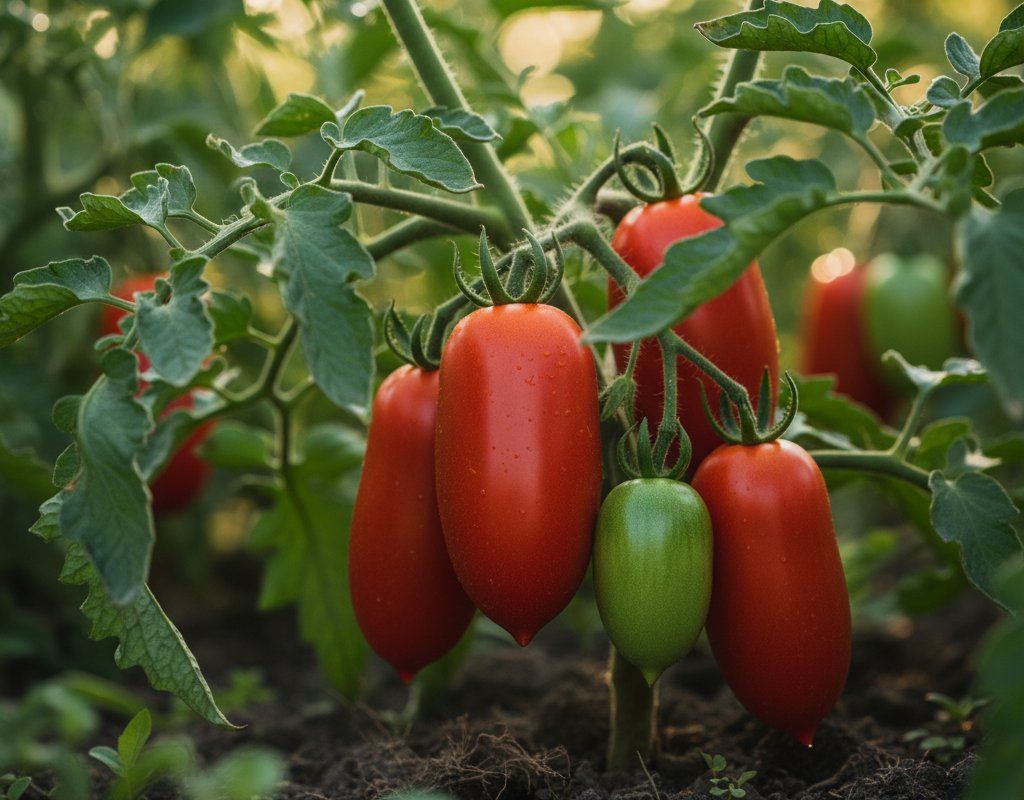
San Marzano Tomatoes in Zone 7A — Northern California
Solanum lycopersicum · Your Complete 2026 Planting Guide
Last Call for Seed Starting!
Indoor seed starting window closes in 2 days.
Start Seeds This Week
Start seeds now for transplanting later.
Or Wait for Starts
If you don’t want to start seeds, starts will be available around April 3.
How to Plant San Marzano Tomatoes in Zone 7A — Northern California
Here are all your options for getting san marzano tomatoes in the ground, from the easiest method to more advanced approaches.
Start Seeds Indoors
RecommendedMid February through early March
around February 20
Then transplant: Early April through early May
Start seeds 6-8 weeks before transplanting outdoors.
Buy Starts
Works WellEarly April through early May
around April 3
Plant purchased starts after last frost (March 20).
Direct Sow Seeds
ChallengingDirect sowing is not typical for San Marzano Tomatoes.
Transplant Outdoors
Timing InfoEarly April through early May
around April 3
Wait until nighttime temperatures stay above 50°F.
You have a nice window — no need to rush.
Overview
San Marzano tomatoes are legendary for a reason—these elongated Italian paste tomatoes deliver the sweet, low-acid flavor that makes restaurant-quality marinara possible in your own Northern California kitchen. Our Mediterranean climate with its long, warm growing season and mild winters creates nearly ideal conditions for these heat-loving indeterminates, giving you 235 days to nurture them from seedling to sauce.
While our dry summers and potential water restrictions present challenges for these thirsty plants, proper timing takes advantage of our early spring and extended fall to maximize production. Starting seeds during our mild late-winter period and transplanting after our mid-March last frost gives San Marzanos the full season they need to develop their distinctive meaty texture and complex flavor.
Starting Seeds Indoors
Start your San Marzano seeds indoors from mid-February through early March, about six weeks before your planned transplant date. These heat-lovers need that head start since they're completely frost-tender and our Northern California springs can still surprise us with cool snaps even after the typical mid-March last frost.
Set up seed trays in a warm spot (65-75°F) with good light—a sunny south-facing window works, though supplemental grow lights give more consistent results. Plant seeds ¼-inch deep in quality seed-starting mix and keep soil consistently moist using bottom watering, which prevents damping-off disease and encourages strong root development.
Your seedlings should emerge within 7-10 days in warm conditions. Once they develop their first true leaves, thin to the strongest plants and begin weekly diluted fertilizer. With our characteristically early Northern California spring, you'll have sturdy transplants ready when outdoor conditions stabilize.
Transplanting Outdoors
Transplant your San Marzano seedlings outdoors from early April through early May, after soil temperatures reach 60°F and nighttime temperatures stay consistently above 50°F. Even though our last frost typically hits around mid-March, these tender plants need that extra warmth to establish strong root systems.
Harden off seedlings gradually over a week, starting with just an hour outdoors in filtered light and building up to full days. Our Northern California spring weather can swing from warm and sunny to cool and breezy within hours, so this gradual introduction prevents transplant shock.
Space plants 24-36 inches apart to accommodate their vigorous indeterminate growth and ensure good air circulation—crucial for preventing fungal diseases in our sometimes foggy coastal microclimates. Choose the warmest, most protected spot in your garden, as San Marzanos need all the heat they can get to develop their full flavor potential.
Watering San Marzano Tomatoes in Zone 7A (Northern California)
San Marzanos demand consistent, deep watering throughout our dry Northern California summers, requiring about 1-2 inches per week once established. Unlike our drought-tolerant natives, these Italian beauties have zero tolerance for water stress and will quickly develop blossom end rot if you let them cycle between wet and dry conditions.
Check soil moisture using the finger test—stick your finger 2 inches deep near the base of the plant. If it's dry at that depth, it's time to water deeply and thoroughly. During our typical 88°F summer days with low humidity, you'll likely need to water every 2-3 days, focusing water at the base rather than overhead to prevent fungal issues.
Apply a thick layer of organic mulch around plants to retain moisture and reduce evaporation—critical in our water-conscious region. Watch for early signs of water stress like slight wilting in late afternoon heat, but don't panic if leaves droop during the hottest part of the day and recover by evening.
Overwatering shows up as yellowing lower leaves and sluggish growth, while underwatering causes leaf edges to brown and fruit to develop that telltale dark, sunken blossom end rot. Consistent moisture is your best insurance against both problems and the key to those perfect, meaty fruits.
Supporting Your San Marzano Tomatoes
Install sturdy 6-foot tall cages or stakes at planting time, as San Marzanos are vigorous indeterminate climbers that can easily reach 8 feet in our long growing season. These plants produce heavy clusters of elongated fruit that need substantial support to prevent branches from snapping under the weight.
Choose heavy-duty tomato cages with wide openings for easy harvest access, or use wooden stakes with soft ties to secure the main stem every 12 inches as it grows. The key is getting support in place early—trying to install cages around established plants damages roots and stems.
Train the main stem upward and gently tie in wandering branches as they develop. San Marzanos can get quite bushy, so don't be afraid to guide growth upward rather than outward to maximize your vertical growing space and improve air circulation.
Pruning & Maintaining San Marzano Tomatoes
Remove suckers (shoots growing between the main stem and branches) regularly throughout the growing season to focus energy on fruit production rather than excessive foliage. Start this when plants are about 12 inches tall and continue every week or two during active growth.
Prune off lower branches that touch the ground or show signs of disease, and remove any yellowing leaves to improve air circulation—especially important in our microclimates that can trap morning fog or humidity. Leave the upper suckers if you want a bushier plant, but remove them for maximum fruit size and earlier ripening.
As our first frost approaches in early November, top the plants by pinching out growing tips in late September. This stops new flower production and directs energy toward ripening existing fruit. Remove any flowers that appear after this point since they won't have time to develop into mature tomatoes.
🧪Fertilizing San Marzano Tomatoes
Feeding Schedule
Organic Fertilizer Options
Harvest Time
Expect your first ripe San Marzanos from late June through early August, about 80 days from transplant. These paste tomatoes are ready when they turn deep red, feel firm but give slightly to gentle pressure, and the characteristic elongated shape is fully developed—they should easily detach from the stem with a slight twist.
Harvest regularly every 2-3 days once production starts, as leaving overripe fruit on the plant slows down new production. Unlike round tomatoes, San Marzanos can be picked slightly underripe and will continue ripening on your kitchen counter, developing full flavor within a few days.
As our first frost approaches in early November, harvest all mature green fruits and ripen them indoors in a cool, dark place. You can also pull entire plants and hang them upside down in a garage or shed, where fruits will continue ripening for several weeks.
The beauty of indeterminate varieties like San Marzano is continuous production through our extended Northern California growing season—with proper care, you'll be harvesting fresh paste tomatoes from midsummer right up until frost threatens.
Common Problems in Zone 7A (Northern California)
Blossom End Rot You'll see sunken, dark brown or black leathery patches on the bottom (blossom end) of fruits, typically affecting the first tomatoes of the season. This isn't a disease but a calcium deficiency caused by inconsistent watering—common during our dry summers when irrigation schedules fluctuate. Maintain consistent soil moisture through deep, regular watering and heavy mulching. Remove affected fruits immediately and focus on steady water management moving forward.
Early Blight Look for brown spots with distinctive concentric rings (like a bullseye) starting on lower leaves and moving upward, eventually causing leaves to yellow and drop. This fungal disease thrives when soil splashes onto leaves during irrigation, particularly problematic with our low humidity that creates perfect spore-dispersal conditions. Water at the base only, mulch heavily to prevent soil splash, and remove affected leaves immediately. Improve air circulation through proper spacing and pruning.
Fusarium Wilt Wilting begins on one side of the plant before spreading, accompanied by yellowing leaves and brown streaks visible when you cut the stem open. This soil-borne fungus persists for years and loves our warm Northern California soil temperatures. There's no cure once infected—remove and destroy the entire plant. Prevent by choosing resistant varieties (marked with 'F' on labels), rotating crops every four years, and maintaining soil pH above 6.5.
Northern California Specific Challenges: Our combination of moderate-to-hot heat, low humidity, and bone-dry summers creates a perfect storm for water stress issues in San Marzanos. The dramatic temperature swings between our warm days and cool nights can also stress plants, making consistent watering and protection from our infamous diurnal temperature variations even more critical for success.
Best Companions for San Marzano Tomatoes
Plant these nearby for healthier San Marzano Tomatoes and better harvests.
View Full Companion Planting Chart →



Companion Planting Details
Plant basil alongside your San Marzanos—it naturally repels aphids and thrips while enhancing tomato flavor, plus you'll have the perfect herb pairing for your eventual sauce. Carrots make excellent ground-level companions since their taproots don't compete with shallow tomato feeder roots, and marigolds planted nearby deter nematodes while attracting beneficial insects that prey on tomato pests.
Avoid planting brassicas (cabbage, broccoli, kale) near San Marzanos as they compete for similar nutrients and can harbor pests that transfer to tomatoes. Skip fennel entirely—it actually inhibits tomato growth through allelopathic compounds. Corn also makes a poor companion since both crops are heavy feeders that will compete intensely for nutrients in our typically lean California soils.
🌸Best Flowers to Plant with San Marzano Tomatoes
These flowers protect your San Marzano Tomatoes from pests and attract pollinators for better harvests.
For Pest Control

Get a Reminder When It's Time to Plant
We'll email you when key planting windows open for your zone.