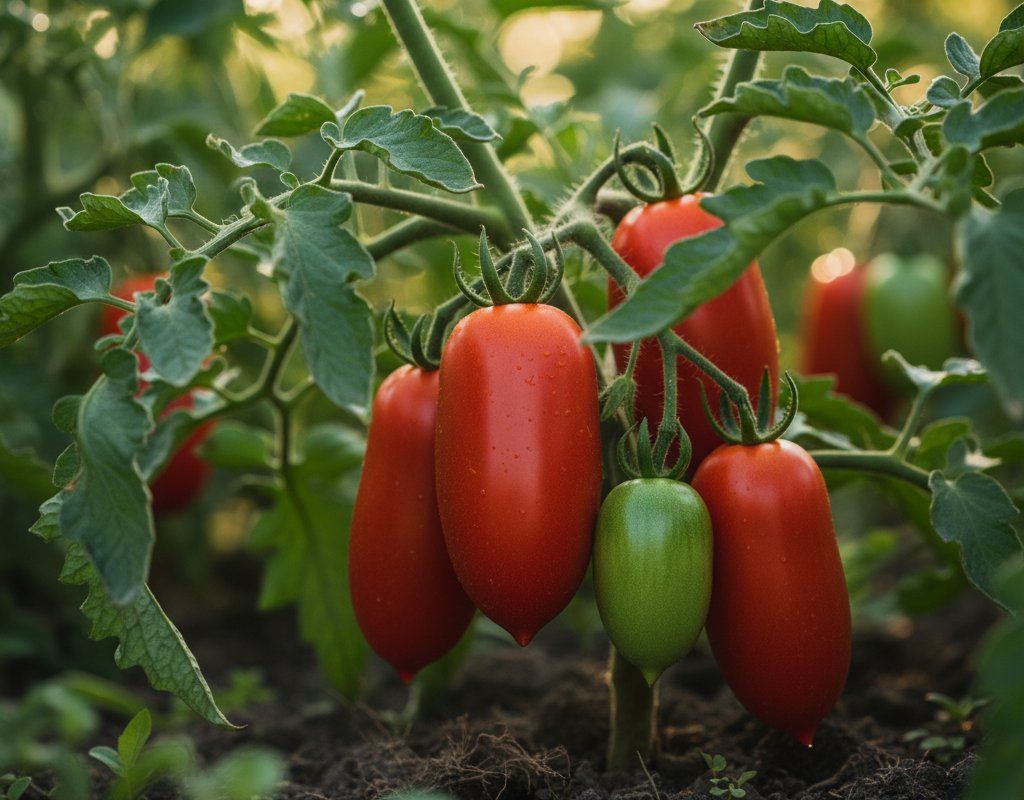
San Marzano Tomatoes in Zone 8B — Desert Southwest
Solanum lycopersicum · Your Complete 2026 Planting Guide
Missed Seed Starting? No Problem!
Wait for starts to become available.
What to Do
Starts will be available at nurseries in 7 days (around March 11).
How to Plant San Marzano Tomatoes in Zone 8B — Desert Southwest
Here are all your options for getting san marzano tomatoes in the ground, from the easiest method to more advanced approaches.
Start Seeds Indoors
RecommendedLate January through mid February
around January 28
Then transplant: Mid March through early April
Start seeds 6-8 weeks before transplanting outdoors.
Buy Starts
Works WellMid March through early April
around March 11
Plant purchased starts after last frost (February 25).
Direct Sow Seeds
ChallengingDirect sowing is not typical for San Marzano Tomatoes.
Transplant Outdoors
Timing InfoMid March through early April
around March 11
Wait until nighttime temperatures stay above 50°F.
You have a nice window — no need to rush.
Overview
San Marzano tomatoes bring that authentic Italian flavor to your Desert Southwest garden, with their meaty, low-acid flesh perfect for sauces and canning. In our Zone 8B climate, these paste tomatoes thrive during our mild winters and early spring, giving you premium fruit well before the extreme heat arrives. The elongated shape and rich flavor make every harvest feel like a culinary treasure worth the effort.
Our 279-day growing season gives you plenty of time to nurture these indeterminate plants from seed to harvest. Yes, the extreme heat and arid conditions present challenges, but proper timing means your San Marzanos will be producing heavily during the comfortable spring months when gardening here is pure joy.
Starting Seeds Indoors
Start your San Marzano seeds indoors during late January through mid-February, about 6 weeks before your planned transplant date. In our Desert Southwest climate, this early indoor start takes advantage of our very-early spring character, positioning plants perfectly for the mild weather window before summer's extreme heat hits.
Set up seed trays with good quality seed-starting mix in a warm location around 70-75°F. Bottom watering works best here - place trays in shallow pans of water and let the soil absorb moisture from below, which prevents fungal issues common in our low-humidity environment. Once seeds germinate, provide bright light from grow lights or a sunny south-facing window.
Your seedlings will be ready for hardening off by mid-March, perfectly timed for our desert's unpredictable but generally warming spring weather patterns.
Transplanting Outdoors
Plan to transplant your San Marzano seedlings outdoors from mid-March through early April, after you've hardened them off for a full week. This timing catches the sweet spot in our desert climate - past the last frost risk but well before the punishing heat arrives.
Harden off gradually by placing seedlings outside for a few hours daily, increasing exposure over 7-10 days. Our desert winds and intense sun can shock tender plants quickly, so start with morning exposure in a protected spot. Space plants 24-36 inches apart to allow for good air circulation, which becomes critical as temperatures climb.
Watch for those late-winter temperature swings that can surprise even experienced desert gardeners. Have row covers ready for unexpected cold snaps, but by early April, your San Marzanos should be settling in nicely.
Watering San Marzano Tomatoes in Zone 8B (Desert Southwest)
San Marzanos need consistent, deep watering throughout their growing season, which becomes absolutely critical in our arid Desert Southwest climate. These paste tomatoes are particularly prone to blossom end rot when water stress occurs, and our extreme heat makes maintaining consistent soil moisture a real challenge.
Start with about 1-2 inches of water per week during spring, increasing to 2-3 inches as temperatures climb toward 105°F in early summer. Use the finger test - stick your finger 2 inches deep into the soil, and if it's dry, it's time to water. In our low-humidity environment, soil dries out faster than you'd expect, especially once daytime highs reach the 90s.
Water deeply at the base of plants rather than overhead - our arid air means foliar watering evaporates quickly and wastes precious water. Early morning watering works best, allowing plants to take up moisture before the day's heat hits. During monsoon season, adjust accordingly but don't rely on sporadic storms for consistent moisture.
Apply a thick layer of organic mulch around plants to slow evaporation and maintain more even soil moisture. Signs of underwatering include wilting during heat, dark leaf edges, and that telltale blossom end rot on developing fruit. Overwatering shows up as yellow leaves and soft, mushy roots.
Supporting Your San Marzano Tomatoes
Install sturdy tomato cages or stakes at planting time, as San Marzanos are vigorous indeterminate varieties that easily reach 6-8 feet tall in our long growing season. Choose heavy-duty cages at least 6 feet tall, or use 8-foot stakes with soft ties - these plants will produce heavy clusters of elongated fruit that need solid support.
Set up support systems before plants get established to avoid disturbing roots later. In our desert winds, flimsy supports quickly fail, leaving you with broken plants just as harvest approaches.
Train main stems up through cage centers or tie loosely to stakes every 12-18 inches of growth. As side branches develop, guide them outward through cage openings or provide additional ties. The goal is keeping fruit clusters off the ground while allowing good air circulation.
Pruning & Maintaining San Marzano Tomatoes
Remove suckers that develop between main stems and branches throughout the growing season, focusing especially on lower suckers that drain energy from fruit production. San Marzanos benefit from moderate pruning to maintain good airflow - important in our desert climate where morning moisture needs to evaporate quickly.
Strip off lower leaves that touch the soil to prevent disease transmission, and continue removing the bottom 12-18 inches of foliage as plants grow taller. This improves air circulation around the base and reduces fungal pressure during our humid monsoon period.
As your first frost approaches in early December, stop pruning and allow plants to focus energy on ripening existing fruit. About 4-6 weeks before expected frost, pinch growing tips to direct energy toward maturing tomatoes rather than new growth.
🧪Fertilizing San Marzano Tomatoes
Feeding Schedule
Organic Fertilizer Options
Harvest Time
Your first San Marzano harvest typically begins in late May through mid-July, about 80 days from transplanting. These elongated paste tomatoes are ready when they develop deep red color and feel firm but give slightly to gentle pressure. The fruit should detach easily from the vine with a gentle twist.
Look for that classic San Marzano shape - elongated with a slight point at the blossom end, turning from green to deep red. Unlike round tomatoes, these maintain their firmness even when fully ripe, making them perfect for sauce-making. Harvest regularly to encourage continued production throughout the growing season.
Pick tomatoes in early morning when they're cool and full of moisture. Handle gently since the thin skins can crack easily. With consistent care, your plants will continue producing through fall until the first frost hits in early December.
As frost threatens, harvest all remaining fruit regardless of ripeness. Green San Marzanos ripen well indoors when stored in a cool, dry place. Wrap individual fruits in newspaper or place in shallow boxes, checking weekly and using as they ripen.
Common Problems in Zone 8B (Desert Southwest)
Blossom End Rot Dark, sunken patches appear on the bottom (blossom end) of developing fruit, starting small and expanding into leathery brown or black areas. This typically affects the first fruit clusters of the season and can be heartbreaking for new desert gardeners.
This isn't a disease but a calcium deficiency triggered by inconsistent watering - our desert's extreme temperature swings and low humidity make maintaining even soil moisture challenging. When soil goes from bone dry to saturated repeatedly, plants can't absorb calcium properly even when it's present in soil.
Water consistently and deeply, checking soil moisture daily during hot weather. Apply thick mulch to buffer soil moisture levels and avoid over-fertilizing with nitrogen, which interferes with calcium uptake. Remove affected fruits immediately to redirect plant energy.
Early Blight Brown spots with distinctive concentric rings (bullseye pattern) appear first on lower leaves, then spread upward. Affected leaves turn yellow and drop, leaving stems bare from the bottom up. This fungal disease loves our warm days followed by cool, humid nights.
The fungus spreads through soil splash onto lower leaves, then moves upward during monsoon humidity or overhead watering. Poor air circulation and overcrowding make problems worse in our dense desert garden spaces.
Remove affected leaves immediately and dispose in trash, not compost. Mulch heavily to prevent soil splash, water only at plant base, and ensure good spacing for air circulation. Copper fungicide applications help slow spread during humid periods.
Fusarium Wilt Wilting begins on one side of the plant, with leaves turning yellow and dropping while the other side looks healthy initially. When you cut the stem, brown streaks appear inside - a telltale sign of this soil-borne fungal infection.
This persistent soil fungus thrives in warm temperatures and enters through root wounds. Our alkaline desert soils and caliche layers can stress root systems, making plants more susceptible to infection.
No cure exists once plants are infected - remove and destroy affected plants immediately. Choose resistant varieties marked with 'F' on seed packets, rotate planting locations yearly, and work compost into heavy clay soils to improve drainage and root health.
Desert Southwest Specific Challenges Our extreme heat, intense UV radiation, and alkaline soils create additional stress for San Marzano tomatoes. Sunscald becomes a real issue once temperatures hit 105°F, so consider shade cloth during peak summer if plants are still producing. The combination of extreme heat and low humidity can cause rapid moisture loss, making consistent watering even more critical than in humid climates.
Best Companions for San Marzano Tomatoes
Plant these nearby for healthier San Marzano Tomatoes and better harvests.
View Full Companion Planting Chart →



Companion Planting Details
Plant basil alongside your San Marzano tomatoes - it naturally repels aphids and whiteflies while the aromatic oils may improve tomato flavor. Carrots work well as ground cover, breaking up clay soil and utilizing different soil layers, while parsley attracts beneficial insects that help control pest populations. Marigolds planted around the garden perimeter deter nematodes and add bright color during our long growing season.
Avoid planting brassicas like cabbage or broccoli near tomatoes, as they compete for similar nutrients and can harbor diseases that affect both plant families. Skip fennel entirely - it inhibits tomato growth through chemical compounds released by its roots. Corn creates too much shade and competes heavily for water, something already scarce in our desert environment.
🌸Best Flowers to Plant with San Marzano Tomatoes
These flowers protect your San Marzano Tomatoes from pests and attract pollinators for better harvests.
For Pest Control

Get a Reminder When It's Time to Plant
We'll email you when key planting windows open for your zone.