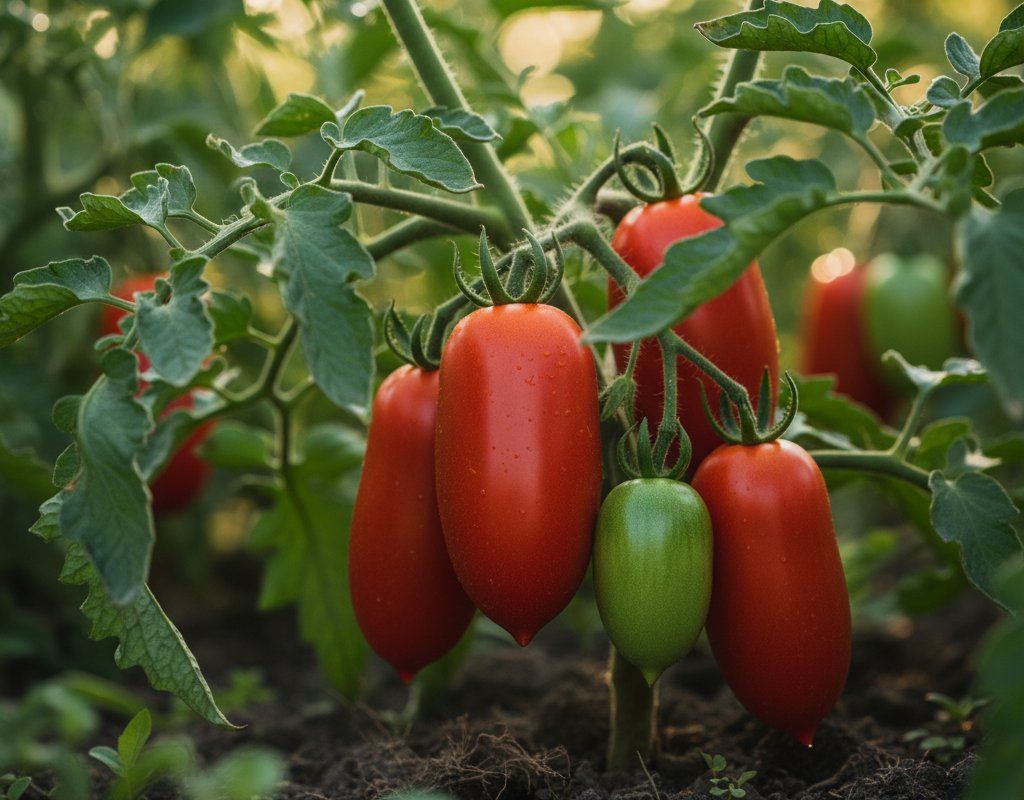
San Marzano Tomatoes in Zone 8B — Southern California
Solanum lycopersicum · Your Complete 2026 Planting Guide
Time to Buy Starts!
Seed starting window passed, but starts are available now.
Buy Starts Now
Head to your local nursery, Home Depot, or farmers market for transplants.
- Look for stocky plants with dark green leaves
- Avoid leggy seedlings or plants already flowering
- Check that roots aren't circling the pot (rootbound)
How to Plant San Marzano Tomatoes in Zone 8B — Southern California
Here are all your options for getting san marzano tomatoes in the ground, from the easiest method to more advanced approaches.
Start Seeds Indoors
RecommendedMid January through early February
around January 18
Then transplant: Early to late March
Start seeds 6-8 weeks before transplanting outdoors.
Buy Starts
Works WellEarly to late March
around March 1
Plant purchased starts after last frost (February 15).
Direct Sow Seeds
ChallengingDirect sowing is not typical for San Marzano Tomatoes.
Transplant Outdoors
Timing InfoEarly to late March
around March 1
Wait until nighttime temperatures stay above 50°F.
You have a nice window — no need to rush.
Overview
San Marzano tomatoes are the gold standard for paste tomatoes, and in Southern California's zone 8B climate, you can grow these prized Italian heirlooms with exceptional results. The authentic San Marzano variety produces elongated, meaty fruits with minimal seeds and that distinctive sweet-tart flavor that makes them perfect for sauces, canning, and fresh eating. Our year-round growing season and abundant sunshine create ideal conditions for these indeterminate plants to reach their full potential.
While San Marzano tomatoes need consistent water and aren't drought-tolerant like some crops, proper timing works with our climate patterns rather than against them. Starting seeds during our mild winter months means your plants establish strong root systems before the summer heat hits, and with our 298-day growing season, you'll have months of continuous harvest from late spring through early winter.
Starting Seeds Indoors
Start your San Marzano seeds indoors from mid-January through early February, about six weeks before you plan to transplant outdoors. In Southern California, this indoor starting period takes advantage of our mild winter weather while giving seedlings time to develop strong root systems before facing outdoor conditions.
Set up seed trays with quality potting mix in a warm location that maintains 70-75°F. Use bottom watering to keep soil consistently moist without disturbing the seeds - place trays in shallow pans of water and let the soil absorb moisture from below. Once seedlings emerge, provide bright light either from a sunny south-facing window or grow lights positioned 2-3 inches above the plants.
Your seedlings will be ready for transplanting by early to late March, perfectly timed with our very early spring character. Keep them indoors during any unexpected cold snaps, but with our typically mild winter conditions, they'll develop into sturdy transplants ready for the garden.
Transplanting Outdoors
Plan to transplant your San Marzano seedlings outdoors from early to late March, when nighttime temperatures consistently stay above 50°F and the risk of our last frost (typically mid-February) has passed. This timing aligns perfectly with Southern California's early spring warmth and gives plants time to establish before summer's intense heat arrives.
Harden off seedlings gradually over one week by placing them outdoors for increasing periods daily, starting with 2-3 hours in filtered sunlight and building up to full days. This process is especially important in our region because the transition from indoor conditions to our bright, intense sunshine can shock unprepared plants.
Space plants 24-36 inches apart to accommodate their indeterminate growth habit and ensure good air circulation during our low-to-moderate humidity conditions. Plant on a calm day if possible, as March can bring strong Santa Ana winds that stress newly transplanted seedlings.
Watering San Marzano Tomatoes in Zone 8B (Southern California)
San Marzano tomatoes have high water needs and aren't drought-tolerant, making consistent irrigation crucial in our semi-arid climate. During Southern California's hot summers with typical highs around 92°F, these plants need about 1-2 inches of water per week, delivered in deep, infrequent waterings rather than light daily sprinklings.
Water deeply at the plant's base rather than overhead - our low-to-moderate humidity means less disease pressure than humid regions, but soil splash can still spread problems like early blight. Use the finger test by inserting your finger 2 inches into the soil; if it's dry at that depth, it's time to water thoroughly until you see water draining from the bottom of the root zone.
Establish a consistent watering schedule that accounts for our winter-wet, summer-dry climate pattern. During spring establishment (March-May), natural rainfall may provide much of what your plants need, but summer months require regular supplemental irrigation. Inconsistent watering is the primary cause of blossom end rot in paste tomatoes like San Marzanos.
Apply a 2-3 inch layer of organic mulch around plants to conserve moisture and moderate soil temperature fluctuations. This is especially valuable during our hot summer months and helps extend time between waterings while maintaining the consistent soil moisture these plants demand.
Supporting Your San Marzano Tomatoes
San Marzano tomatoes are vigorous indeterminate vines that can easily reach 6-8 feet tall with heavy clusters of fruit, requiring substantial support from the beginning. Install sturdy 6-foot tall cages or stake systems at planting time to avoid disturbing established root systems later. Heavy-duty tomato cages work well, but tall wooden or metal stakes with soft ties provide more flexibility for training.
As plants grow, tie main stems loosely to supports using soft materials like cloth strips or specialized plant ties. Check and adjust ties regularly since these fast-growing vines can quickly outgrow their supports, especially during our long, warm growing season.
The substantial fruit clusters of San Marzanos create significant weight, particularly when multiple clusters ripen simultaneously during peak harvest season. Properly installed support systems prevent branches from breaking under this load and keep fruit off the ground where it's vulnerable to pests and soil-borne diseases.
Pruning & Maintaining San Marzano Tomatoes
Remove suckers (shoots growing between main stems and branches) regularly throughout the growing season to direct the plant's energy into fruit production rather than excessive foliage. For San Marzanos, moderate pruning works best - remove suckers below the first flower cluster and any that appear vigorous enough to compete with main stems.
Strip off lower leaves that touch the ground or show any signs of disease, maintaining good air circulation around the base of the plant. This practice becomes especially important in our climate where soil splash during irrigation can spread fungal problems to lower foliage.
As our growing season extends into late fall and early winter, consider topping plants (removing growing tips) in mid-to-late October to encourage remaining fruit to ripen before our first frost typically arrives in early December. This end-of-season pruning helps concentrate the plant's energy into maturing existing fruit rather than producing new flowers that won't have time to develop.
🧪Fertilizing San Marzano Tomatoes
Feeding Schedule
Organic Fertilizer Options
Harvest Time
Your first San Marzano tomatoes will be ready for harvest from mid-May through early July, approximately 80 days after transplanting. Look for fruits that have developed their characteristic deep red color and elongated shape, with firm flesh that yields slightly to gentle pressure. Ripe San Marzanos detach easily from the vine with a slight twist and upward pull.
Harvest regularly every 2-3 days during peak season to encourage continued production throughout our long growing season. Pick fruits when they're fully colored but still firm - they'll continue to soften after harvest and maintain better texture for cooking than overripe fruits left on the vine.
San Marzanos ripen well off the vine, which is particularly useful as our first frost approaches in early December. Harvest all remaining fruit when nighttime temperatures consistently drop below 50°F, then ripen green tomatoes indoors by placing them in a single layer in a warm, dark location with good air circulation.
The continuous harvest nature of these indeterminates means you'll have fresh tomatoes available for months, typically producing heavily through August and September, then continuing with lighter harvests through November if protected from early cold snaps.
Common Problems in Zone 8B (Southern California)
Blossom End Rot Look for dark, sunken, leathery patches on the bottom (blossom end) of developing fruit, often affecting the season's first tomatoes most severely. This appears as the fruit begins to size up and creates unsightly black or brown areas that make the tomatoes unusable. In our semi-arid climate with irregular rainfall patterns and potential water restrictions, inconsistent soil moisture triggers this calcium deficiency problem. Fix this by maintaining consistent watering schedules throughout the growing season, applying 2-3 inches of mulch to buffer soil moisture fluctuations, and avoiding heavy nitrogen fertilization that interferes with calcium uptake.
Early Blight Watch for brown spots with distinctive concentric rings (bullseye pattern) appearing first on lower, older leaves, then spreading upward as the disease progresses. Affected leaves turn yellow and drop, weakening the plant and reducing fruit production. Our warm summers combined with overhead watering or soil splash creates ideal conditions for this fungal disease. Prevent early blight by watering only at the plant base, maintaining good air circulation through proper spacing and pruning, and applying organic mulch to prevent soil from splashing onto lower leaves during irrigation.
Fusarium Wilt Notice wilting that starts on one side of the plant first, often beginning with yellowing leaves on one branch or section before spreading throughout the plant. If you cut the main stem, you'll see brown streaking inside the vascular tissue. This soil-borne fungal disease thrives in our warm soil conditions and can persist for years in infected garden beds. Once plants show symptoms, remove and destroy them immediately - there's no cure. Prevent future problems by choosing resistant varieties marked with 'F' on seed packets, rotating tomato family crops to different garden areas each year, and maintaining soil pH above 6.5.
Southern California Specific Challenges Our region's combination of hot, dry summers and low-to-moderate humidity creates unique challenges for San Marzanos. The intense summer heat inland can stress plants and increase water demands significantly, while Santa Ana winds can quickly dehydrate soil and foliage. Water restrictions during drought years make maintaining the consistent moisture these plants require particularly challenging, requiring efficient irrigation methods and heavy mulching strategies.
Best Companions for San Marzano Tomatoes
Plant these nearby for healthier San Marzano Tomatoes and better harvests.
View Full Companion Planting Chart →



Companion Planting Details
Plant basil alongside your San Marzano tomatoes - this classic pairing isn't just culinary tradition, but basil actually repels aphids and hornworms while its aromatic oils may improve tomato flavor. Carrots make excellent companions since their deep taproots don't compete with tomatoes' surface feeder roots, and their presence can help break up soil compaction. Marigolds planted around the bed edges deter nematodes and other soil pests while adding beneficial color to your garden design.
Avoid planting brassicas like cabbage, broccoli, or kale near San Marzanos since they're heavy feeders that compete for nutrients and can stunt tomato growth. Keep fennel away from your tomato patch as it releases compounds that inhibit tomato growth, and avoid corn since it attracts similar pests like hornworms and can create too much shade for optimal tomato production in our intense Southern California sun.
🌸Best Flowers to Plant with San Marzano Tomatoes
These flowers protect your San Marzano Tomatoes from pests and attract pollinators for better harvests.
For Pest Control

Get a Reminder When It's Time to Plant
We'll email you when key planting windows open for your zone.