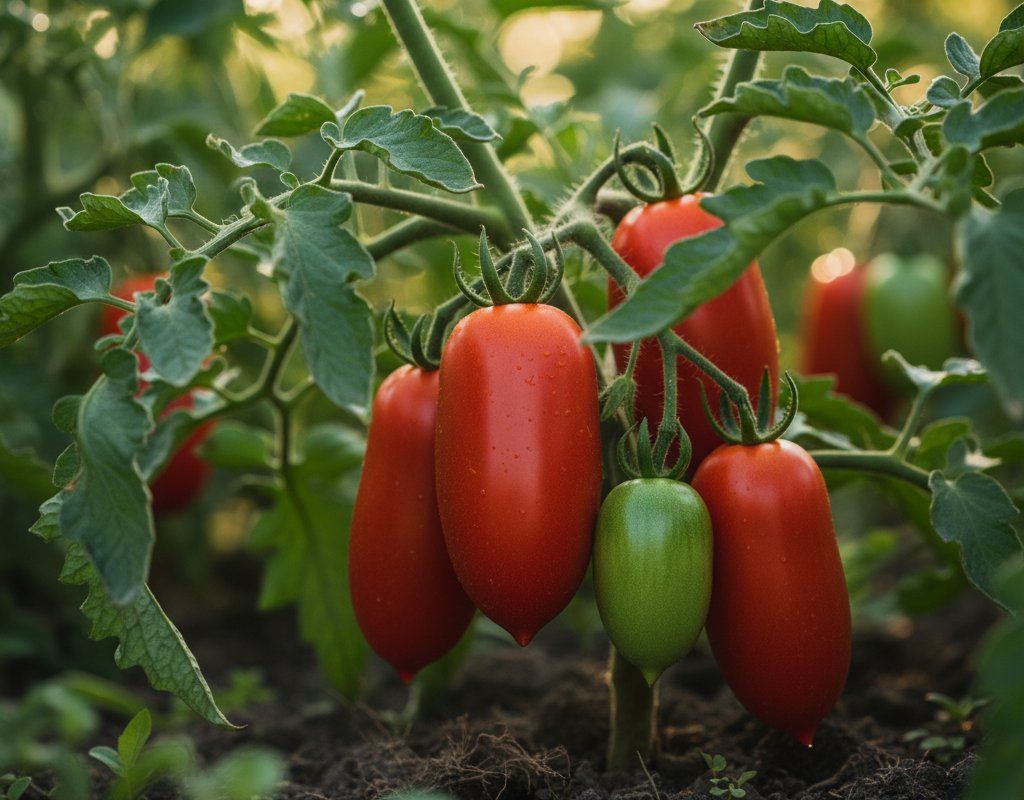
San Marzano Tomatoes in Zone 9A — Texas
Solanum lycopersicum · Your Complete 2026 Planting Guide
Time to Buy Starts!
Seed starting window passed, but starts are available now.
Buy Starts Now
Head to your local nursery, Home Depot, or farmers market for transplants.
- Look for stocky plants with dark green leaves
- Avoid leggy seedlings or plants already flowering
- Check that roots aren't circling the pot (rootbound)
How to Plant San Marzano Tomatoes in Zone 9A — Texas
Here are all your options for getting san marzano tomatoes in the ground, from the easiest method to more advanced approaches.
Start Seeds Indoors
RecommendedMid January through early February
around January 18
Then transplant: Early to late March
Start seeds 6-8 weeks before transplanting outdoors.
Buy Starts
Works WellEarly to late March
around March 1
Plant purchased starts after last frost (February 15).
Direct Sow Seeds
ChallengingDirect sowing is not typical for San Marzano Tomatoes.
Transplant Outdoors
Timing InfoEarly to late March
around March 1
Wait until nighttime temperatures stay above 50°F.
You have a nice window — no need to rush.
Overview
San Marzano tomatoes are pure gold for Texas gardeners who want to elevate their cooking with authentic Italian flavor. These elongated paste tomatoes deliver that sweet, low-acid taste that makes restaurant-quality marinara sauce possible right from your backyard. With our two tomato seasons and 293-day growing season, you can actually get a substantial harvest before the brutal Texas heat kicks in.
Yes, our unpredictable weather and extreme summer temperatures present challenges, but San Marzanos are surprisingly manageable when you time things right. Starting seeds indoors during our mild winter months and transplanting in early spring gives these heat-sensitive plants exactly what they need to produce heavily before summer stress sets in.
Starting Seeds Indoors
Start your San Marzano seeds indoors from mid-January through early February — about 6 weeks before you plan to transplant outdoors. Texas gardeners have the advantage of an early spring start, so take full advantage by getting those seeds going while it's still cool outside.
Set up seed trays in a warm spot (70-80°F works perfectly) with good light — a south-facing window or grow lights about 6 inches above the seedlings. Bottom watering works best for tomato seedlings since it encourages strong root development without encouraging damping-off disease.
Your seedlings will be ready to harden off by early March, which aligns perfectly with our typical weather patterns. Keep them warm and give them plenty of light — weak, leggy starts never recover well from Texas heat stress later on.
Transplanting Outdoors
Transplant your San Marzano seedlings outdoors from early to late March, once nighttime temperatures consistently stay above 50°F. This timing puts them in the ground early enough to establish strong root systems before our intense heat arrives, but late enough to avoid those unexpected late winter cold snaps Texas loves to throw at us.
Harden off your seedlings gradually over a full week — start with just 2-3 hours of morning sun, then gradually increase outdoor time. Texas weather can shift quickly in spring, so watch the forecast and be ready to bring them back inside if temperatures drop unexpectedly.
Space plants 24-36 inches apart to ensure good air circulation, which becomes critical during our humid spring months. Plant them slightly deeper than they were in their containers — tomatoes develop additional roots along buried stem sections, creating stronger plants that handle heat stress better.
Watering San Marzano Tomatoes in Zone 9A (Texas)
San Marzanos have high water needs and absolutely cannot tolerate drought, making consistent watering your most important job in Texas. With our unpredictable rainfall patterns and scorching summer heat, you'll need to water deeply 2-3 times per week, providing about 1-2 inches total — more during peak summer when temperatures hit 97°F or higher.
Use the finger test religiously: stick your finger 2 inches into the soil near the base of the plant. If it's dry at that depth, it's time to water. During Texas heat waves, you might need to check daily since our clay soils can go from saturated to bone-dry surprisingly fast.
Water at the base of plants, not overhead — our variable humidity means wet foliage can lead to disease problems, especially during muggy spring mornings. Early morning watering (before 8 AM) gives plants time to absorb moisture before the heat hits and reduces evaporation loss.
Inconsistent watering kills more San Marzano crops than heat does — those boom-bust cycles of drought followed by flooding rains trigger blossom end rot on the elongated fruits. A 3-4 inch layer of mulch around plants helps buffer soil moisture during our wild weather swings and reduces water needs by keeping roots cooler.
Supporting Your San Marzano Tomatoes
San Marzanos are indeterminate climbers that easily reach 6-8 feet tall with heavy clusters of elongated fruit, so they need serious support from day one. Heavy-duty tomato cages (at least 6 feet tall) or sturdy stakes work best — those flimsy wire cages from the garden center will collapse under the weight.
Install your support system at transplanting time to avoid damaging established root systems later. If using stakes, choose 8-foot posts driven 2 feet into the ground, then tie the main stem loosely with soft materials like old t-shirt strips every 12 inches as the plant grows.
These plants produce fruit in long clusters, so the branches get particularly heavy as harvest approaches. Tie major branches individually if needed — losing a whole cluster of almost-ripe San Marzanos to a sudden thunderstorm is heartbreaking.
Pruning & Maintaining San Marzano Tomatoes
Remove suckers (shoots growing between the main stem and branches) regularly to keep energy focused on fruit production rather than excessive foliage growth. In Texas heat, some pruning actually helps by improving air circulation, but don't go overboard — leaves provide crucial shade for developing fruits.
Strip lower leaves that touch the ground or look yellowed — this reduces disease problems and makes watering easier. During our humid spring weather, good airflow around the base of plants prevents many fungal issues before they start.
As your first frost approaches in early December, stop pruning and let the plant focus on ripening existing fruits. About 4-6 weeks before expected frost, pinch growing tips to redirect energy into maturing fruits rather than new growth that won't have time to develop.
🧪Fertilizing San Marzano Tomatoes
Feeding Schedule
Organic Fertilizer Options
Harvest Time
Your first San Marzano harvest typically begins in mid-May through early July, about 80 days after transplanting. These paste tomatoes are ready when they turn deep red, feel firm but give slightly to pressure, and easily detach from the stem with a gentle twist.
San Marzanos ripen from bottom to top in clusters, so harvest individual fruits as they ripen rather than waiting for whole clusters. The classic elongated shape becomes obvious when ripe — they'll be 3-4 inches long with that distinctive plum-like appearance.
Pick regularly (every 2-3 days during peak season) to encourage continued production. These plants can produce heavily right up until our first frost in early December if you keep harvesting and maintain consistent watering through the heat.
If frost threatens and you have green fruits still developing, harvest them early and ripen indoors on a sunny windowsill or in paper bags with a ripe banana. San Marzanos ripen beautifully off the vine, so you won't lose your late-season harvest to unexpected cold snaps.
Common Problems in Zone 9A (Texas)
Blossom End Rot What it looks like: Dark brown or black leathery patches on the bottom (blossom end) of fruits, often affecting your first harvest most severely. What causes it: Calcium deficiency triggered by inconsistent watering — those drought-to-flood cycles we experience during unpredictable Texas spring weather prevent plants from absorbing calcium properly. How to fix it: Maintain consistent soil moisture through regular deep watering and heavy mulching. This is purely a watering issue, not a soil problem, so calcium sprays help only marginally compared to steady irrigation.
Early Blight What it looks like: Brown spots with distinctive bullseye or target patterns on lower leaves first, spreading upward until leaves yellow and drop. What causes it: Fungal disease that thrives in our warm, humid spring conditions and spreads via soil splash during heavy rains onto lower foliage. How to fix it: Remove affected leaves immediately (don't compost them), mulch heavily to prevent soil splash, and water only at the base of plants. Copper fungicide can slow spread during humid periods.
Fusarium Wilt What it looks like: Wilting that starts on one side of the plant, progressing to yellow leaves and brown streaks visible inside the stem when cut. What causes it: Soil-borne fungus that loves our warm soil temperatures and enters through root systems, persisting in soil for years once established. How to fix it: No cure exists — remove and destroy infected plants immediately. Plant resistant varieties (look for 'F' on seed packets) and rotate crops yearly to prevent soil buildup.
Texas-Specific Challenges: Our extreme heat, variable humidity, and unpredictable rainfall create perfect conditions for stress-related problems in San Marzanos. The combination of intense summer sun and inconsistent moisture particularly triggers blossom end rot, while humid spring mornings followed by hot days encourage fungal diseases.
Best Companions for San Marzano Tomatoes
Plant these nearby for healthier San Marzano Tomatoes and better harvests.
View Full Companion Planting Chart →



Companion Planting Details
Plant basil nearby — it naturally repels aphids and whiteflies while improving tomato flavor, plus you'll have both ingredients for perfect marinara sauce. Carrots and parsley make excellent companions since their deep taproots don't compete with tomato roots, and parsley actually attracts beneficial insects that prey on tomato pests.
Avoid planting brassicas (cabbage, broccoli, kale) near San Marzanos since they're heavy nitrogen feeders that compete for nutrients, and never plant fennel anywhere in your tomato area — it releases compounds that stunt tomato growth. Corn creates too much shade and attracts similar pests, making it a poor neighbor for heat-stressed plants in Texas gardens.
🌸Best Flowers to Plant with San Marzano Tomatoes
These flowers protect your San Marzano Tomatoes from pests and attract pollinators for better harvests.
For Pest Control

Get a Reminder When It's Time to Plant
We'll email you when key planting windows open for your zone.