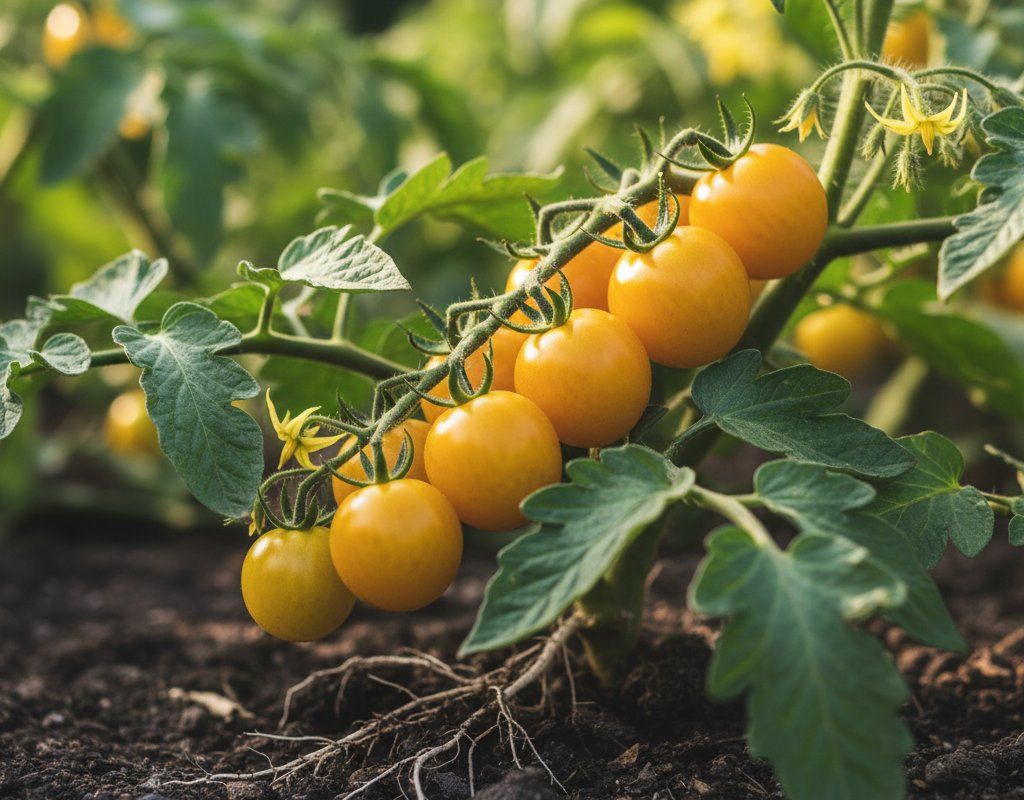
Sun Gold Tomato in Zone 3B — Midwest
Solanum lycopersicum 'Sun Gold' · Your Complete 2026 Planting Guide
Planning Ahead — Great!
You’re ahead of the season. Here’s when to start.
Mark Your Calendar
How to Plant Sun Gold Tomato in Zone 3B — Midwest
Here are all your options for getting sun gold tomato in the ground, from the easiest method to more advanced approaches.
Start Seeds Indoors
RecommendedMid April through early May
around April 22
Then transplant: Early June through early July
Start seeds 6-8 weeks before transplanting outdoors.
Buy Starts
Works WellEarly June through early July
around June 3
Plant purchased starts after last frost (May 20).
Direct Sow Seeds
ChallengingDirect sowing is not typical for Sun Gold Tomato.
Transplant Outdoors
Timing InfoEarly June through early July
around June 3
Wait until nighttime temperatures stay above 50°F.
You have a nice window — no need to rush.
Overview
Sun Gold tomatoes are like little bursts of sunshine in your mouth, and they're totally worth the effort in our Zone 3B gardens. Their intense sweetness and versatility make them perfect for snacking, salads, or even roasting. Plus, there's nothing quite like the satisfaction of harvesting armfuls of these golden gems after a summer of tending.
Sure, Midwest weather can throw us curveballs with late frosts and summer heat spells, but don't let that scare you. With a little planning and attention to timing, you can absolutely enjoy a bountiful Sun Gold harvest within our roughly 118-day growing season. We'll get them started indoors so they're ready to explode with flavor once the weather cooperates.
Starting Seeds Indoors
Starting Sun Gold tomatoes indoors is the way to go here in the Midwest. You'll want to get your seeds going mid-April through early May, about six weeks before you plan to transplant them outside. This gives them a good head start before our unpredictable spring weather settles down.
Use seed trays or small pots filled with a good seed-starting mix. Keep them warm – around 70-75°F is ideal – and provide plenty of light. A grow light works great, or a sunny south-facing window if you have one. I like to water from the bottom to avoid damping off; just set the tray in a shallow dish of water and let the soil soak it up.
Remember, our springs can be moderate-to-late, so don't be tempted to rush things. It's better to wait until the danger of frost has passed before moving your seedlings outdoors.
Transplanting Outdoors
Transplanting your Sun Gold tomato seedlings outdoors is a big step, so time it right. Aim for early June through early July, once the soil has warmed up and all danger of frost is gone.
Before you plant them in the ground, you'll need to harden them off. This means gradually exposing them to outdoor conditions over the course of a week. Start with an hour or two of indirect sunlight and increase the time each day. Plant them 24-36 inches apart in a spot that gets at least 6-8 hours of sun.
Keep an eye on the weather forecast around transplant time. We sometimes get late cold snaps, so be prepared to cover your plants if necessary. A little extra care at this stage will pay off big time later in the season.
Watering Sun Gold Tomato in Zone 3B (Midwest)
Sun Gold tomatoes are thirsty plants, especially when they're loaded with fruit. They need consistent moisture, and these guys are *not* drought tolerant. The Midwest’s moderate-to-humid summers and our tendency for wet-summer rainfall means we have to be strategic about watering.
During the spring, when the plants are still young, water deeply once or twice a week, depending on rainfall. As the weather heats up and the tomatoes start to ripen, you might need to water every other day, especially during our summer heat spells. Stick your finger about two inches into the soil – if it feels dry, it's time to water. Aim for about 1-2 inches of water per week, either from rainfall or irrigation.
Water at the base of the plant to avoid wetting the leaves, which can encourage fungal diseases in our humid climate. Overhead watering is fine as long as it's done in the morning so the leaves have time to dry. If the leaves are wilting or yellowing, you might be overwatering. If the fruit is cracking, you’re likely underwatering, or watering inconsistently. A good layer of mulch around the base of the plants will help retain moisture and prevent soil splash.
Supporting Your Sun Gold Tomato
Sun Gold tomatoes are vigorous growers, so they need strong support to keep them from sprawling all over the garden. These are indeterminate tomatoes, meaning they just keep growing and producing fruit all season long.
I've found that tall, sturdy cages work best for Sun Golds. Stake them well so they don't tip over in our occasional tornadoes/severe weather. You can also use a strong stake and tie the main stem to it as it grows.
Install your support system at planting time to avoid disturbing the roots later. As the plant grows, gently guide the stems inside the cage or tie them to the stake.
Pruning & Maintaining Sun Gold Tomato
If you don't prune Sun Golds, they will take over your garden. Trust me, I learned this the hard way. Regular pruning is essential to keep them manageable and productive.
The key is to remove the suckers, which are the small shoots that grow in the "V" between the main stem and the branches. Pinch them off when they're small. You can also prune the lower leaves as the plant grows to improve air circulation.
As the end of the season approaches (first frost around mid- September), you can top the plant to encourage the remaining green tomatoes to ripen. Just cut off the top of the main stem.
🧪Fertilizing Sun Gold Tomato
Feeding Schedule
Organic Fertilizer Options
Harvest Time
Harvesting Sun Golds is one of the most rewarding parts of gardening. Here in Zone 3B, you can expect your first harvest late July through mid September, about 57 days after transplanting.
The tomatoes are ripe when they turn a deep orange-gold color and are slightly soft to the touch. They're also incredibly sweet at this stage. Sometimes they'll even drop from the vine when they're perfectly ripe. Gently twist or snip the tomatoes from the plant, being careful not to damage the stems.
To encourage continued production, keep harvesting regularly. As the first frost approaches (mid- September in Midwest), harvest any remaining green tomatoes and bring them indoors to ripen. They'll still taste delicious, even if they're not quite as sweet as the vine-ripened ones.
Common Problems in Zone 3B (Midwest)
Here are a few common problems you might encounter with Sun Gold tomatoes in the Midwest:
Cracking
- What it looks like: Splits in the tomato skin, either concentric circles around the stem or radial lines radiating from the stem.
- What causes it: Heavy watering or rain after a dry spell. The fruit absorbs water faster than the skin can expand.
- How to fix/prevent it: Water consistently to avoid the dry/wet cycle. Mulch to maintain even moisture. Harvest promptly when ripe.
Over-production
- What it looks like: Seemingly endless quantities of tomatoes!
- What causes it: You did everything right! Sun Golds are just prolific.
- How to fix/prevent it: Share with neighbors, make sauce, roast them, freeze them. Embrace the bounty!
Early Blight
- What it looks like: Brown spots with concentric rings (target or bullseye pattern) on lower leaves first, spreading upward. Leaves yellow and drop.
- What causes it: Fungal disease (Alternaria solani) that thrives in warm, humid conditions. Spreads via soil splash onto lower leaves.
- How to fix/prevent it: Remove and destroy affected leaves (don't compost). Mulch to prevent soil splash. Water at the base, not overhead. Improve air circulation through spacing and pruning. Copper fungicide slows spread. Rotate crops yearly.
Midwest Specific Challenges: Our moderate-to-hot heat and moderate-to-humid humidity can create ideal conditions for fungal diseases like early blight. Our wet-summer rainfall can also contribute to cracking. Consistent watering practices and good air circulation are key to keeping your Sun Golds healthy and productive.
Best Companions for Sun Gold Tomato
Plant these nearby for healthier Sun Gold Tomato and better harvests.
View Full Companion Planting Chart →




Companion Planting Details
Companion planting can really help your Sun Gold tomatoes thrive in the Midwest.
Basil is a great choice because it repels tomato hornworms and other pests. Plus, it improves the flavor of the tomatoes. Carrots loosen the soil and deter root-knot nematodes. Parsley attracts beneficial insects that prey on tomato pests. French marigolds also repel nematodes and other soil pests.
Avoid planting brassicas (like cabbage and broccoli) near your tomatoes because they compete for nutrients. Fennel inhibits the growth of many plants, including tomatoes. Corn can attract tomato pests and diseases.
🌸Best Flowers to Plant with Sun Gold Tomato
These flowers protect your Sun Gold Tomato from pests and attract pollinators for better harvests.




Get a Reminder When It's Time to Plant
We'll email you when key planting windows open for your zone.