Sun Gold Tomato in Zone 6B — Southeast
Solanum lycopersicum 'Sun Gold' · Your Complete 2026 Planting Guide
Ideal Time: Start Seeds Indoors!
This is the perfect time for the biggest, best harvest.
Start Seeds Now
- Start seeds in trays or pots with seed-starting mix
- Keep soil moist and warm (70-80°F)
- Transplant outdoors Mid April through mid May
Not Starting from Seed?
Buy starts around April 19 — that works great too!
How to Plant Sun Gold Tomato in Zone 6B — Southeast
Here are all your options for getting sun gold tomato in the ground, from the easiest method to more advanced approaches.
Start Seeds Indoors
RecommendedEarly to late March
around March 8
Then transplant: Mid April through mid May
Start seeds 6-8 weeks before transplanting outdoors.
Buy Starts
Works WellMid April through mid May
around April 19
Plant purchased starts after last frost (April 5).
Direct Sow Seeds
ChallengingDirect sowing is not typical for Sun Gold Tomato.
Transplant Outdoors
Timing InfoMid April through mid May
around April 19
Wait until nighttime temperatures stay above 50°F.
You have a nice window — no need to rush.
Overview
Sun Gold tomatoes are practically candy from the garden! Their intense sweetness and manageable size make them perfect for snacking straight off the vine, tossing in salads, or roasting for a burst of flavor in your favorite dishes. Plus, they thrive in our long summer days here in the Southeast, giving you a steady stream of deliciousness.
Our hot and humid summers can present some challenges, but with careful planning and attention, you can easily overcome them. The Southeast's 208-day growing season gives you plenty of time to harvest baskets of these golden gems, so don't let the disease pressure scare you away.
Starting Seeds Indoors
Starting your Sun Gold tomato seeds indoors is the way to go in the Southeast. You'll want to get those seeds going early to late March, about six weeks before you plan to put them in the ground. This gives them a head start before our hot weather really kicks in.
Use seed trays or small pots filled with seed-starting mix. Make sure they're in a warm spot, ideally with a heat mat underneath, and under grow lights. Bottom watering is great for seedlings because it keeps the leaves dry, which helps prevent fungal issues that can pop up with our humidity.
Spring in the Southeast can be a mixed bag, temperature-wise. Keep an eye on the forecast and be ready to adjust your setup if we get an unexpected cold snap.
Transplanting Outdoors
Transplant your Sun Gold tomato seedlings outdoors mid April through mid May, after the last expected frost. Before you plant them in the ground, harden them off by gradually exposing them to outdoor conditions for about a week. This helps them adjust to the sun and wind, preventing transplant shock.
When you're ready to plant, space them 24-36 inches apart. This might seem like a lot, but Sun Golds are vigorous growers and need plenty of room. Keep an eye on the weather forecast at transplant time. We can still get some cool nights in April, so be ready to cover your plants if needed.
Watering Sun Gold Tomato in Zone 6B (Southeast)
Watering is critical for Sun Gold tomatoes, especially with our hot and humid summers in the Southeast. They need consistent moisture to produce those sweet, juicy fruits, but overwatering can lead to problems too. Aim for about 1-2 inches of water per week, depending on rainfall.
The "finger test" is your best friend: stick your finger about 2 inches into the soil near the base of the plant. If it feels dry, it's time to water. In the spring, when it's cooler and we're getting more rain, you might only need to water once or twice a week. As the summer heat kicks in, you'll likely need to water more frequently, maybe even daily during dry spells.
Always water at the base of the plant, avoiding overhead watering as much as possible. Our humidity makes us prone to fungal diseases, and wet leaves just encourage them. Mulching around your tomato plants with straw or pine straw also helps retain moisture and prevent soil splash, which can spread disease. If the leaves are wilting during the hottest part of the day but perk up in the evening, that's normal. But if they're constantly wilted, even in the morning, you're likely underwatering. Yellowing leaves, on the other hand, can be a sign of overwatering.
Supporting Your Sun Gold Tomato
Sun Gold tomatoes are known for their vigorous, indeterminate growth, so they absolutely need strong support. Cages or stakes both work well, but I prefer cages since they offer more support as the plant gets bigger and bushier.
Install your support at planting time to avoid damaging the roots later. Choose tall, sturdy cages that can handle the weight of a fully loaded plant. As the plant grows, gently guide the stems inside the cage to help it stay upright.
Training the plant to grow within the cage helps prevent it from sprawling and becoming a tangled mess. You can also use twine to tie stems to the cage for extra support, if needed.
Pruning & Maintaining Sun Gold Tomato
Pruning is essential for keeping Sun Gold tomatoes manageable and productive in the Southeast. These plants are notorious for taking over the garden if left unchecked. Focus on removing suckers, which are the small shoots that grow in the "V" between the main stem and the branches.
Pinch off these suckers early in the morning, when they're small and easy to remove by hand. Leaving them will create a jungle of foliage, reducing airflow and increasing the risk of fungal diseases. Some gardeners also prune the lower leaves to improve airflow and prevent soil splash, especially as the plant matures.
As the end of the season approaches (late October in the Southeast), you can top the plant to encourage the remaining tomatoes to ripen before the first frost. This involves cutting off the top of the main stem to stop new growth and direct the plant's energy into ripening the existing fruit.
🧪Fertilizing Sun Gold Tomato
Feeding Schedule
Organic Fertilizer Options
Harvest Time
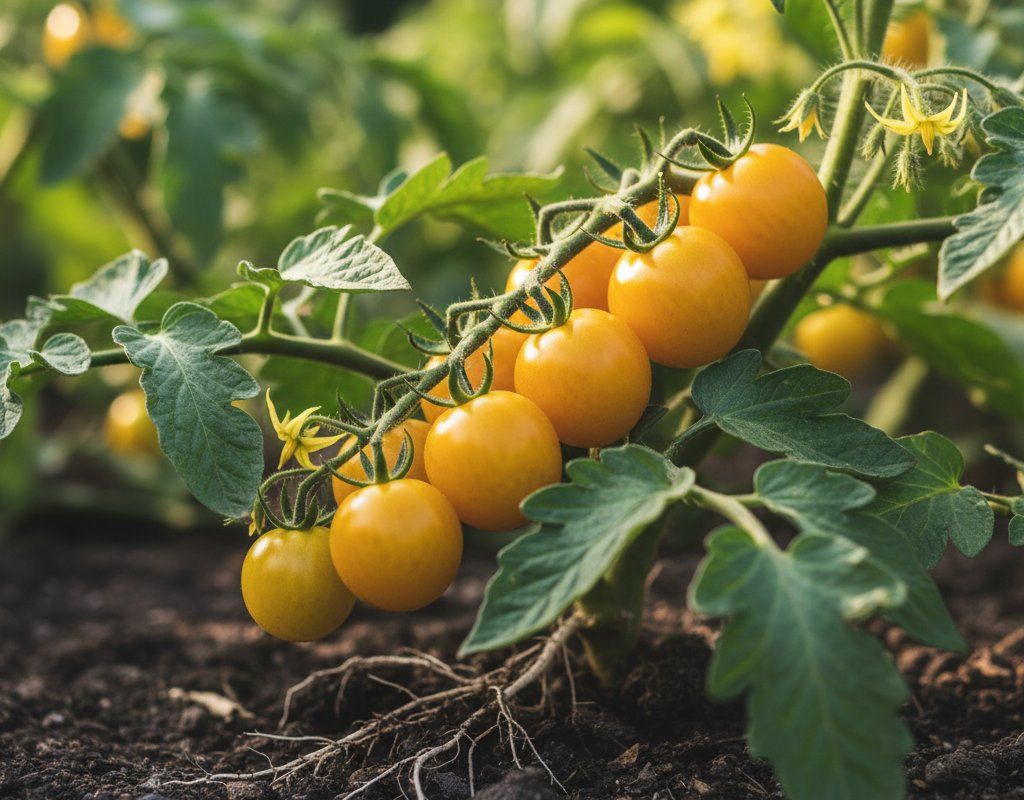
You can expect your first Sun Gold tomatoes mid June through early August, about 57 days after transplanting. The key is to look for that distinctive orange-gold color and a slight softness to the touch. They should also have an intensely sweet aroma.
Sun Golds are ready to pick when they practically fall off the vine with a gentle tug. Avoid pulling or yanking, which can damage the plant. Check your plants regularly, as these tomatoes tend to ripen quickly and can drop from the vine when they're very ripe.
To encourage continued production, harvest frequently and remove any overripe or damaged fruit. As the first frost approaches in late October, harvest any remaining green tomatoes and bring them indoors to ripen. They'll still develop their sweetness and flavor, though they might not be quite as perfect as vine-ripened ones. You can ripen them in a paper bag with an apple or banana to speed up the process.
Common Problems in Zone 6B (Southeast)
Here are some common problems you might encounter with Sun Gold tomatoes in the Southeast:
Cracking
- What it looks like: Splits in the tomato skin, either concentric circles around the stem or radial lines radiating from the stem.
- What causes it: Inconsistent watering, especially heavy watering after a dry spell. The fruit absorbs water faster than the skin can expand.
- How to fix/prevent it: Water consistently and evenly to avoid the dry/wet cycle. Mulch around the plants to maintain even soil moisture. Harvest ripe tomatoes promptly.
Over-Production
- What it looks like: You are overwhelmed with more ripe tomatoes than you can possibly use!
- What causes it: Sun Golds are extremely productive in the Southeast's long, warm growing season.
- How to fix/prevent it: Plant fewer plants next year. Harvest regularly and share with neighbors. Learn to can, freeze, or dehydrate tomatoes. Make sauces, salsas, and other tomato-based dishes.
Early Blight
- What it looks like: Brown spots with concentric rings (target or bullseye pattern) on lower leaves first, spreading upward. Leaves yellow and drop.
- What causes it: A fungal disease (Alternaria solani) that thrives in our warm, humid conditions. It spreads via soil splash onto lower leaves.
- How to fix/prevent it: Remove and destroy affected leaves (don't compost them). Mulch to prevent soil splash. Water at the base of the plant, not overhead. Improve air circulation through spacing and pruning. Copper fungicide can slow the spread. Rotate crops yearly.
Southeast Specific Challenges: Our hot, humid summers and wet-summer rainfall create the perfect environment for fungal diseases like early blight. Consistent watering and good air circulation are key to preventing these problems. Also, Japanese beetles can be a nuisance, so be prepared to hand-pick them or use insecticidal soap if necessary.
Best Companions for Sun Gold Tomato
Plant these nearby for healthier Sun Gold Tomato and better harvests.
View Full Companion Planting Chart →




Companion Planting Details
Companion planting can be a helpful strategy for growing Sun Gold tomatoes in the Southeast. Basil is a classic companion because it repels tomato hornworms and other pests, plus it improves the flavor of the tomatoes. Carrots are also good companions because they help loosen the soil and their scent deters some pests. Parsley attracts beneficial insects that prey on tomato pests. French marigolds repel nematodes and other soil-borne pests.
Avoid planting brassicas (like cabbage, broccoli, and cauliflower) near tomatoes, as they can stunt their growth. Fennel inhibits the growth of many plants, including tomatoes. Corn can attract tomato pests like corn earworms and also shade the tomatoes, reducing their yield.
🌸Best Flowers to Plant with Sun Gold Tomato
These flowers protect your Sun Gold Tomato from pests and attract pollinators for better harvests.




Get a Reminder When It's Time to Plant
We'll email you when key planting windows open for your zone.