
Carrot in Zone 6B — Southeast
Daucus carota · Your Complete 2026 Planting Guide
Planning Ahead — Great!
You’re ahead of the season. Here’s when to start.
Mark Your Calendar
How to Plant Carrot in Zone 6B — Southeast
Here are all your options for getting carrot in the ground, from the easiest method to more advanced approaches.
Direct Sow Seeds
RecommendedLate March through early August
around March 22
Consider succession planting every 2-3 weeks for continuous harvest.
Carrots have a taproot and don't transplant. Direct sow only.
Buy Starts
Works WellLate March through mid April
around March 22
Plant purchased starts after last frost (April 5).
Start Seeds Indoors
ChallengingThis plant is typically not started indoors.
Transplant Outdoors
Timing InfoLate March through mid April
around March 22
Can tolerate light frost, but wait for soil to be workable.
You have a nice window — no need to rush.
Fall Planting
Mid August through mid September
August 28 ideal · Direct sow for fall harvest
Plant a second crop in mid-summer for fall harvest. Carrot actually prefers the cooling temperatures of fall.
Overview
Fresh carrots from your Southeast garden offer sweetness and crunch that store-bought varieties simply can't match. In our Zone 6B climate, you can grow carrots through multiple seasons, taking advantage of our 208-day growing season to enjoy harvests from late spring clear through early November. The hot, humid summers that challenge many crops actually work well for carrots when you time plantings right, and our reliable afternoon thunderstorms help maintain the consistent moisture they need.
While our clay soil and summer heat can present challenges, carrots are surprisingly adaptable when you give them loose, well-draining soil and schedule plantings to avoid the peak heat stress. The key is working with our distinct seasons rather than fighting them - spring and fall plantings often produce the sweetest roots, while summer sowings give you fresh carrots for autumn meals.
Transplanting Outdoors
Carrots have a long taproot that doesn't handle transplanting well, so you'll want to skip this method entirely. Unlike many vegetables that benefit from an indoor head start, carrots need to grow where they'll mature from the very beginning. Any root disturbance during transplanting typically results in forked, stunted, or damaged roots.
The transplant window of late March through mid-April aligns with when you'd direct sow anyway, so there's no advantage to starting seeds indoors. Focus your energy on preparing a perfect seedbed for direct sowing instead.
Direct Sowing
Direct sowing is the only reliable way to grow carrots, and in the Southeast, you have an exceptionally long window from late March through early August. Start your first planting when soil temperatures reach 45°F consistently - usually mid to late March in our zone. The clay soil common in our region needs extra attention, so work in compost or create raised beds filled with loose potting mix for the best results.
Carrot seeds are tiny and need consistent moisture to germinate, which can take 14-21 days. Plant seeds ¼ inch deep and keep the soil surface damp throughout this period. Our humid climate helps prevent the soil from drying out too quickly, but you'll still need to check daily during germination. Space seeds about 2-3 inches apart, or plant more densely and thin later.
For continuous harvests, make succession plantings every 3-4 weeks through early August. Summer plantings benefit from afternoon shade during our hottest months, while spring and fall crops can handle full sun.
Watering Carrot in Zone 6B (Southeast)
Carrots need consistent moisture throughout their growing season, especially during the critical 2-3 week germination period when the soil surface must stay damp. In our hot, humid Southeast climate, this balance requires attention - too much water in clay soil leads to rot, while too little causes poor germination or cracked roots.
During spring and fall, our natural rainfall often provides adequate moisture, but summer heat requires regular watering. Check soil moisture using the finger test - stick your finger 2 inches deep near the plants. If it's dry, water deeply, providing about 1 inch per week including rainfall. Our afternoon thunderstorms can be deceptive - they might wet the surface while leaving deeper soil dry.
Water at soil level rather than overhead to reduce disease pressure in our humid climate. Soaker hoses work well, or water carefully at the base of plants. Inconsistent watering causes the worst problems - alternating wet and dry periods lead to cracked, split roots. A 2-inch layer of mulch helps maintain even moisture and keeps soil temperatures moderate during summer heat.
Watch for signs of stress: wilting despite moist soil usually indicates overwatering in clay soil, while stunted growth often signals drought stress. The key is maintaining that "evenly moist but not soggy" sweet spot that carrots love.
🧪Fertilizing Carrot
Feeding Schedule
Organic Fertilizer Options
Harvest Time
Your first carrots will be ready for harvest about 70 days after planting, which means late May harvests for early spring plantings and continuing through early November for succession crops. You'll know carrots are ready when the tops of the roots become visible at the soil surface and measure about ¾ inch in diameter - though you can harvest baby carrots earlier if desired.
To harvest, gently pull the carrot by grasping the green tops close to the root, or use a garden fork to loosen the soil around larger roots first. Our clay soil can grip roots tightly, so loosening prevents snapping. The sweetest carrots often come after a light frost, which converts starches to sugars, making fall harvests particularly rewarding.
As our first frost approaches in late October, harvest remaining carrots promptly. Unlike some root vegetables, carrots don't store well in the ground over winter in our climate. However, properly harvested carrots keep for months in the refrigerator, letting you enjoy your Southeast-grown carrots well into winter.
Plan your final planting timing so carrots mature before hard frost hits - count back 70 days from late October to determine your last sowing date in early August.
Common Problems in Zone 6B (Southeast)
Forking Forked carrots develop multiple roots instead of one straight taproot, creating odd, twisted shapes. This happens when the growing root hits obstacles like rocks, compacted clay soil, or encounters fresh manure. In our Southeast clay soil, this is particularly common unless you properly prepare the bed. Create raised beds with loose, compost-rich soil, or grow shorter varieties like Paris Market that handle heavy soil better. Never use fresh manure - stick to well-composted materials that won't burn roots.
Carrot Rust Fly Small dark flies hovering around your carrot patch signal trouble - their larvae tunnel through roots, leaving rusty brown channels and causing plants to wilt despite adequate water. Row covers provide the best protection, especially during peak fly periods in late spring and early summer. Our humid climate can make row covers challenging, so ensure good air circulation. Interplanting with onions helps confuse the flies with competing scents, and avoid thinning during active fly periods since bruised leaves attract them.
Green Shoulders When carrot tops push above the soil surface, they turn green from sun exposure, creating bitter-tasting shoulders. This is especially common in our loose, well-draining beds where roots can easily push upward. Hill soil around developing carrots or apply mulch to keep shoulders covered. Check weekly during the growing season and cover any exposed orange tops. While green parts are safe to eat, they taste bitter and are best removed.
Southeast Specific Challenges: Our hot, humid summers create perfect conditions for fungal diseases, so avoid overhead watering and ensure good air circulation. Japanese beetles rarely bother carrot foliage, but our clay soil requires extra preparation to prevent forking. The combination of summer heat and afternoon thunderstorms can cause rapid soil temperature fluctuations, so mulching becomes essential for consistent growth.
Best Companions for Carrot
Plant these nearby for healthier Carrot and better harvests.

Keep Away From
Companion Planting Details
Carrots pair beautifully with several vegetables that thrive in our Southeast climate. Lettuce makes an excellent companion since its shallow roots don't compete with carrot taproots, and you can harvest lettuce before carrots need the space. Onions planted nearby help repel carrot rust flies with their strong scent - particularly valuable given our humid conditions that favor pest problems. Tomatoes work well as taller companions, providing afternoon shade during our hottest summer months while carrots help break up soil around tomato roots.
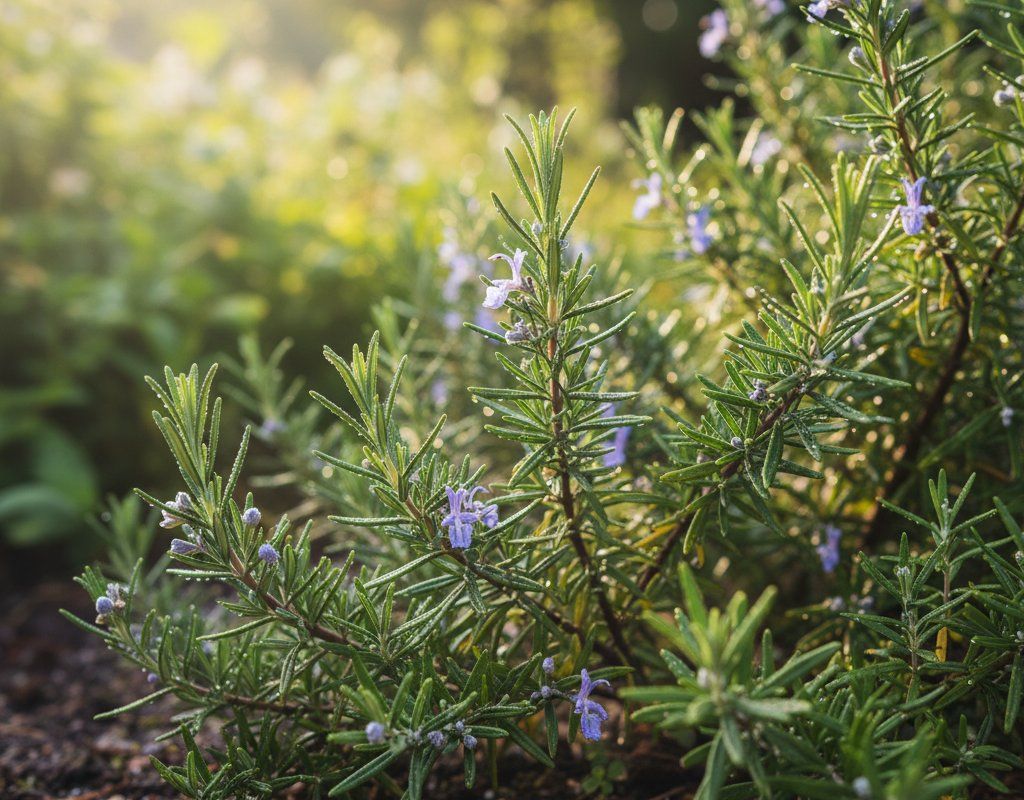
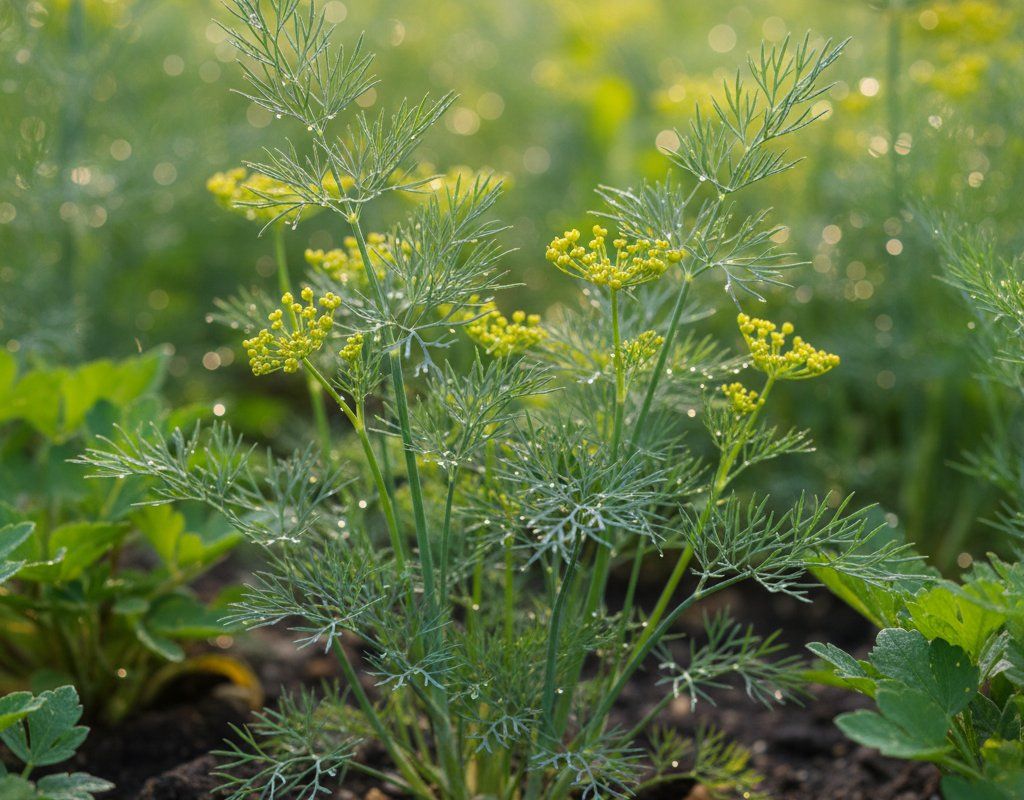
Avoid planting carrots near dill, which can cross-pollinate and affect flavor if you're saving seeds, or parsnips, which attract similar pests and compete for the same soil nutrients. Rosemary planted at bed edges helps deter various pests while thriving in our climate, but keep it far enough away that its strong roots don't interfere with carrot development.
🌸Best Flowers to Plant with Carrot
These flowers protect your Carrot from pests and attract pollinators for better harvests.


Get a Reminder When It's Time to Plant
We'll email you when key planting windows open for your zone.