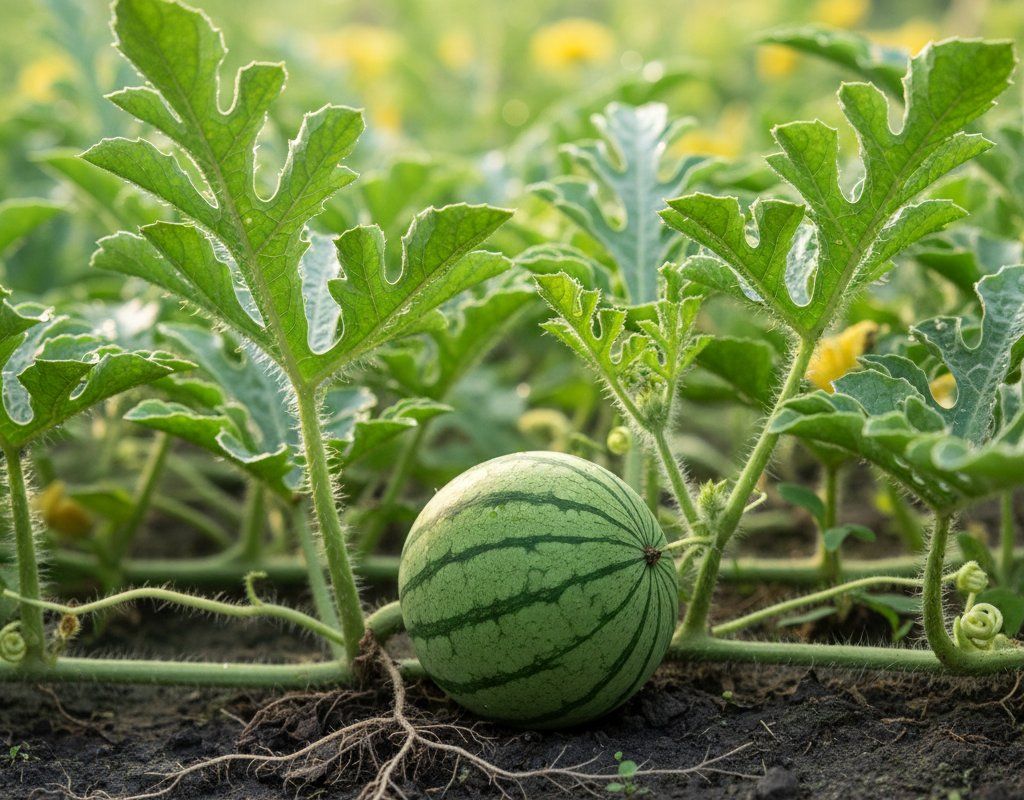
Watermelon in Zone 6A — Mountain West
Citrullus lanatus · Your Complete 2026 Planting Guide
Planning Ahead — Great!
You’re ahead of the season. Here’s when to start.
Mark Your Calendar
How to Plant Watermelon in Zone 6A — Mountain West
Here are all your options for getting watermelon in the ground, from the easiest method to more advanced approaches.
Direct Sow Seeds
RecommendedMid May through late June
around May 15
Consider succession planting every 2-3 weeks for continuous harvest.
Needs warm soil. Direct sow works in zones 6+. Start indoors in colder zones.
Buy Starts
Works WellMid May through mid June
around May 15
Plant purchased starts after last frost (May 1).
Start Seeds Indoors
Works WellMid April through early May
around April 24
Then transplant: Mid May through mid June
Start seeds 3-5 weeks before transplanting outdoors.
Handle seedlings carefully — melons resent root disturbance.
Transplant Outdoors
Timing InfoMid May through mid June
around May 15
Wait until nighttime temperatures stay above 50°F.
You have a nice window — no need to rush.
Overview
Growing watermelon in our Mountain West gardens delivers fruit with exceptional sweetness that store-bought varieties can't match. The intense sunlight at high altitude concentrates sugars beautifully, while our cool nights help develop complex flavors that make each bite worth the effort. In our dry climate with low disease pressure, watermelons face fewer fungal issues than gardeners in humid regions, giving you cleaner fruit and healthier plants.
The short 153-day growing season and late spring warmth do require strategic timing, but watermelons are absolutely manageable here with proper planning. You'll need to choose faster-maturing varieties and take advantage of our intense summer sun to get full-sized melons before our early October frost arrives.
Starting Seeds Indoors
Starting watermelon seeds indoors makes sense if you want to maximize your growing season or try slower-maturing varieties. Start seeds mid-April through early May, about three weeks before you plan to transplant outdoors. Our late spring character means indoor starting can give you a crucial head start.
Use seed trays with a warm germination mix, keeping soil temperatures around 80-85°F for best results. Place trays on a heat mat if your house runs cool, and provide bright light once seedlings emerge. Bottom watering works well for watermelon seedlings - keep the soil consistently moist but not waterlogged.
Handle seedlings very carefully when transplanting, as watermelons strongly resent root disturbance. Consider using biodegradable pots that can go directly into the ground, or start just 2-3 seeds per larger container to minimize transplant shock.
Transplanting Outdoors
Transplant watermelon seedlings outdoors from mid-May through mid-June, once soil temperatures consistently reach 65°F and night temperatures stay above 50°F. Our Mountain nights can still be surprisingly cold even after the last frost, so wait for genuinely warm conditions rather than rushing the calendar.
Harden off seedlings gradually over one full week before transplanting - start with just an hour of filtered morning sun and gradually increase exposure. This step is especially important in our intense high-altitude sunlight, which can quickly burn tender indoor-grown leaves.
Space transplants 72-96 inches apart to give these sprawling vines room to spread. Plant them in the warmest, most protected spot in your garden, ideally with some protection from our occasional late-season hail. A south-facing slope or area near a heat-absorbing stone wall works well.
Direct Sowing
Direct sowing is the preferred method for watermelons in our Mountain gardens, as it avoids transplant shock entirely. Sow seeds from mid-May through late June, once soil temperatures reach 65°F consistently. Test soil temperature with a thermometer rather than guessing - our spring soil warms much later than air temperatures suggest.
Prepare your planting area by working compost into the soil and creating slightly raised mounds to improve drainage and heat absorption. Plant 3-4 seeds per hill, spacing hills 72-96 inches apart. The extra spacing accommodates watermelon's vigorous vining habit and improves air circulation in our low-humidity climate.
Cover newly planted seeds with row covers or clear plastic tunnels for the first few weeks to trap heat and accelerate germination. Remove covers once plants have several true leaves and daytime temperatures consistently reach the 70s. This extra warmth makes a significant difference in getting strong early growth before our brief but intense summer peak.
Watering Watermelon in Zone 6A (Mountain West)
Watermelons need consistent, deep watering throughout the growing season, which requires extra attention in our dry Mountain climate with only 10-20 inches of annual rainfall. During the active growing phase, provide 1-2 inches of water weekly, adjusting upward during our hottest periods and when fruits are sizing up.
Check soil moisture using the finger test - stick your finger 2 inches deep near the base of the plant. If it's dry at that depth, it's time to water. In our low-humidity environment, surface soil dries quickly but may still be moist underneath, so this test prevents both under and overwatering.
Water at the base of plants rather than overhead to maximize efficiency and prevent foliar diseases. Our dry air means less concern about fungal issues than in humid regions, but ground-level watering still conserves precious water and directs it where roots need it most. Signs of underwatering include wilting during the heat of the day and stunted fruit development.
Apply a 2-3 inch layer of organic mulch around plants to conserve moisture and moderate soil temperature swings. In our intense sun and dry air, mulch becomes especially valuable for maintaining consistent soil moisture between waterings. Reduce watering frequency about 1-2 weeks before harvest to concentrate sugars for sweeter fruit.
🧪Fertilizing Watermelon
Feeding Schedule
Organic Fertilizer Options
Harvest Time
Your first watermelons will be ready from early August through early October, depending on variety and planting date. With our 153-day growing season, timing your planting in mid to late May sets you up for harvest during our peak summer heat when melons finish ripening best.
Look for several ripeness indicators together: the ground spot where the melon touches soil turns from white to creamy yellow, the tendril nearest the fruit attachment point turns brown and dry, and the fruit sounds hollow rather than solid when thumped firmly. The skin also becomes dull rather than shiny when fully ripe.
Cut watermelons from the vine using clean pruning shears rather than pulling them off, which can damage the plant. Unlike some fruits, watermelons won't continue ripening once harvested, so wait for full maturity before picking.
As our first frost approaches in early October, harvest any remaining melons that show signs of ripeness, even if they're not quite perfect. Cover smaller fruits with row covers during cold nights to extend the season by a few weeks, but be prepared to harvest everything before hard frost arrives.
Common Problems in Zone 6A (Mountain West)
Fusarium Wilt What it looks like: Wilting starts on one side of the plant and spreads, with yellowing leaves beginning on the affected side. Cut open the stem near soil level and you'll see brown streaks running through the tissue.
What causes it: This soil-borne fungus thrives in our warm Mountain soils and can persist for years once established. It enters through the roots and blocks water uptake, which becomes especially problematic in our dry climate where plants are already stressed.
How to fix/prevent it: Remove and destroy infected plants immediately - there's no cure once symptoms appear. Choose varieties marked with 'F' for fusarium resistance, rotate your melon crops on a 4-year cycle, and maintain soil pH above 6.5, which helps in our naturally alkaline Mountain soils.
Anthracnose What it looks like: Dark, sunken circular spots appear on fruit, stems, and leaves. In humid conditions you might see pink or orange spore masses, though this is less common in our dry climate.
What causes it: This fungal disease spreads through water splash and contaminated seeds. While our low humidity reduces risk compared to wetter regions, it can still develop during our brief periods of summer moisture.
How to fix/prevent it: Remove affected plant parts immediately and avoid overhead watering. Our dry air helps prevent spread, but apply copper fungicide preventatively if you've had problems before. Always use certified disease-free seeds.
Poor Pollination What it looks like: Fruits are small, misshapen, or fail to develop beyond tiny nubs. Flowers may bloom abundantly but drop off without setting fruit.
What causes it: Insufficient bee activity, extreme temperature swings, or timing mismatches between male and female flowers. Our intense UV and occasional cold nights can stress pollinators and affect flower timing.
How to fix/prevent it: Plant pollinator-attracting flowers nearby to draw bees to your garden. Hand-pollinate using a small brush during morning hours when flowers are open. Avoid using pesticides during flowering, and provide a shallow water source for pollinators in our dry climate.
Mountain West Specific Challenges Our intense high-altitude sun can stress watermelon plants, while temperature swings between hot days and cold nights affect fruit development. The combination of alkaline soil, low humidity, and potential hail damage requires choosing hardy varieties and providing consistent care throughout our compressed growing season.
Best Companions for Watermelon
Plant these nearby for healthier Watermelon and better harvests.

Keep Away From
Companion Planting Details
Corn makes an excellent companion for watermelons in Mountain gardens, providing afternoon shade that protects melons from our intense UV while the sprawling watermelon vines help retain soil moisture around corn roots. Plant radishes around the edges of your watermelon patch - they mature quickly before the vines spread and help break up our often-compacted Mountain soils.
Sunflowers work particularly well here as windbreaks and pollinator magnets, drawing beneficial insects to help with watermelon pollination. Avoid planting watermelons near potatoes, as both crops attract similar soil-borne diseases and compete for the deep, consistent watering that both require in our dry climate.
🌸Best Flowers to Plant with Watermelon
These flowers protect your Watermelon from pests and attract pollinators for better harvests.


Get a Reminder When It's Time to Plant
We'll email you when key planting windows open for your zone.