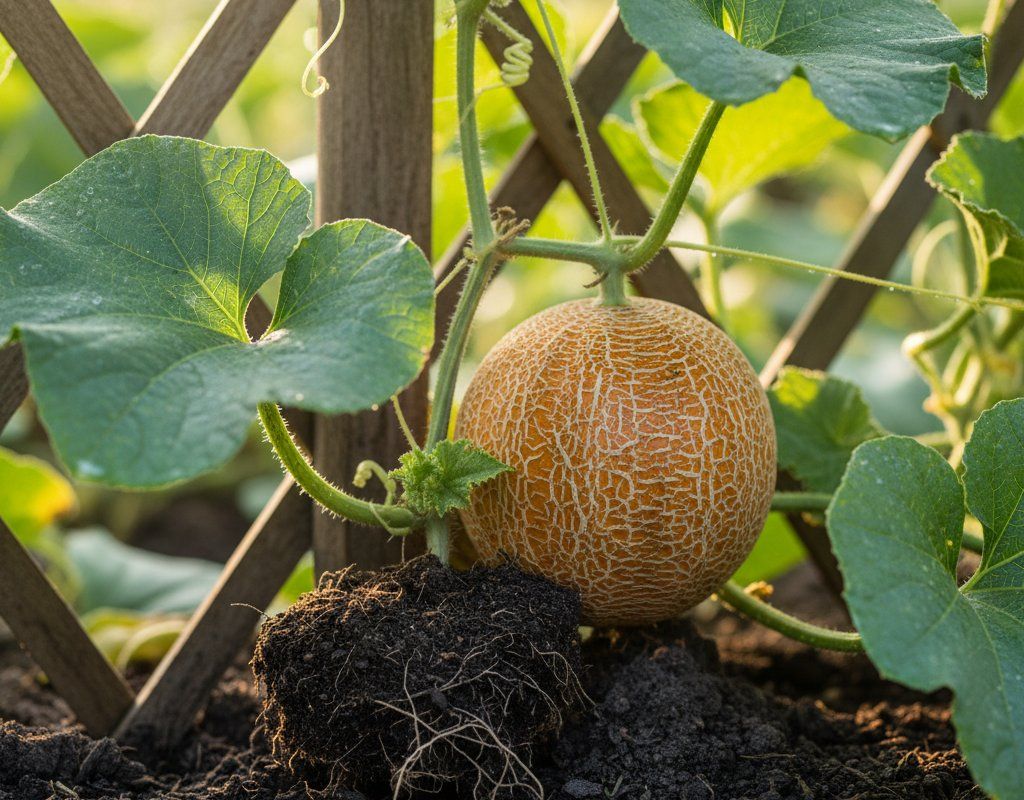
Cantaloupe in Zone 6A — Mountain West
Cucumis melo · Your Complete 2026 Planting Guide
Planning Ahead — Great!
You’re ahead of the season. Here’s when to start.
Mark Your Calendar
How to Plant Cantaloupe in Zone 6A — Mountain West
Here are all your options for getting cantaloupe in the ground, from the easiest method to more advanced approaches.
Direct Sow Seeds
RecommendedMid May through late June
around May 15
Consider succession planting every 2-3 weeks for continuous harvest.
Same as watermelon — needs warm soil, direct sow works in most zones.
Buy Starts
Works WellMid May through mid June
around May 15
Plant purchased starts after last frost (May 1).
Start Seeds Indoors
Works WellMid April through early May
around April 24
Then transplant: Mid May through mid June
Start seeds 3-5 weeks before transplanting outdoors.
Transplant Outdoors
Timing InfoMid May through mid June
around May 15
Wait until nighttime temperatures stay above 50°F.
You have a nice window — no need to rush.
Overview
Cantaloupe in the Mountain West rewards patient gardeners with incredibly sweet, aromatic melons that taste nothing like grocery store versions. Our intense high-altitude sunlight and cool nights create perfect conditions for developing complex sugars, while our low humidity means fewer disease problems that plague cantaloupe growers in muggy climates. The satisfaction of slicing into a perfectly ripe melon you've grown yourself, especially one that thrived in our challenging mountain environment, makes every bit of effort worthwhile.
Yes, cantaloupe pushes the limits of our 153-day growing season and needs protection from our unpredictable spring weather. But with proper timing and a few Mountain-specific techniques, you can successfully grow these heat-loving melons even at altitude. The key is working with our late spring start and maximizing every bit of our brief but intense summer growing period.
Starting Seeds Indoors
Starting cantaloupe seeds indoors gives you a head start on our short mountain growing season, though it's not the preferred method for most gardeners here. Start seeds mid-April through early May, about three weeks before you plan to transplant outdoors. This timing works around our notoriously late spring pattern while ensuring seedlings don't get too large and stressed before outdoor conditions are ready.
Use seed trays filled with quality potting mix and keep them warm—cantaloupe seeds need soil temperatures around 70-75°F to germinate well. A heat mat helps significantly in our cool spring homes. Bottom watering prevents damping-off disease and keeps soil moisture even without creating soggy conditions.
The main challenge with indoor starting is that cantaloupe seedlings don't love root disturbance, and our mountain spring weather can be unpredictable for transplanting. Many experienced growers here prefer direct sowing once soil warms up rather than dealing with transplant shock.
Transplanting Outdoors
If you've started seeds indoors, transplant cantaloupe seedlings outdoors from mid-May through mid-June, once soil temperatures consistently stay above 65°F and nighttime lows reliably stay above 50°F. This usually coincides with when our late spring finally settles into more predictable patterns, though you'll want to watch weather forecasts carefully for any surprise cold snaps.
Harden off seedlings gradually over a full week before transplanting. Start with just 2-3 hours of morning sun, then gradually increase outdoor exposure. Our intense mountain UV can shock indoor-grown seedlings quickly, so this gradual transition is crucial. Even after hardening off, consider providing some afternoon shade for the first few days after transplanting.
Space transplants 36-48 inches apart in well-prepared soil. The wider spacing helps with our intense sun exposure and improves air circulation. Plant after the soil has warmed thoroughly—cold soil will stunt growth for weeks, even if air temperatures seem fine.
Direct Sowing
Direct sowing is the recommended method for cantaloupe in the Mountain West, eliminating transplant shock and allowing plants to develop strong root systems from the start. Sow seeds from mid-May through late June, once soil temperatures consistently reach 65°F at planting depth. You can extend this window later into June since cantaloupe only needs 80 days to maturity.
Prepare planting areas by working compost into the soil and creating slightly raised beds or mounds to improve drainage and help soil warm faster. Our alkaline mountain soils benefit from added organic matter, which also helps retain the consistent moisture cantaloupe needs. Plant seeds 1 inch deep and space them 36-48 inches apart—this wide spacing is essential for proper air circulation and allows each plant access to our intense sunlight.
Wait for soil to feel consistently warm to your hand before planting. Cold soil leads to poor germination and weak seedlings that struggle all season. If you're pushing the season, consider using black plastic mulch or row covers to warm soil faster and protect young seedlings from our cool nights.
Watering Cantaloupe in Zone 6A (Mountain West)
Cantaloupe has high water needs throughout most of its growing season, which means consistent attention in our dry Mountain climate. With only 10-20 inches of annual rainfall, you'll need to supplement regularly—plan on providing about 1-2 inches of water per week through deep, infrequent watering sessions. Our low humidity means moisture evaporates quickly from both soil and plant surfaces.
Water deeply at the base of plants rather than overhead, which works well with our dry air and helps prevent foliar diseases. The finger test works perfectly here: stick your finger 2 inches into the soil near the plant base. If it's dry at that depth, it's time to water. Our intense sun and low humidity can make surface soil look dry while deeper roots still have adequate moisture.
Apply 2-3 inches of organic mulch around plants to retain soil moisture and keep roots cooler during our sunny afternoons. Grass clippings or shredded leaves work well and gradually improve our alkaline soils as they break down. Watch for signs of stress: wilting leaves in morning or evening (not just midday heat stress), or leaves turning gray-green instead of deep green.
Critical timing note: Stop watering completely about one week before harvest. This concentrates sugars and prevents watery, bland fruit. It may seem counterintuitive in our dry climate, but this final dry period is essential for developing the sweet, aromatic cantaloupe you're growing for.
🧪Fertilizing Cantaloupe
Feeding Schedule
Organic Fertilizer Options
Harvest Time
Your first cantaloupe will be ready from early August through early October, depending on when you planted and which variety you chose. With our 80-day season requirement and last frost around early May, even late plantings have time to mature before our first fall frost in early October.
Cantaloupe is ready when the netting pattern is fully developed and raised, and the stem separates easily from the fruit with gentle pressure—this is called "slipping." A ripe cantaloupe will also have a sweet, musky aroma at the blossom end (opposite from the stem). The background color between the netting changes from green to tan or yellow when fully ripe.
Harvest in the morning when fruits are cool, and handle gently to avoid bruising. Unlike some melons, cantaloupe won't continue ripening once removed from the vine, so timing is crucial. Each plant typically produces 2-4 melons over a 2-3 week period rather than all at once.
As our first frost approaches in early October, harvest any full-sized melons even if they haven't fully slipped yet. Store these in a cool, dry place for a few days—they may develop some sweetness off the vine, though they won't match vine-ripened quality. Cover remaining plants with row covers if frost threatens and fruits are close to maturity.
Common Problems in Zone 6A (Mountain West)
Powdery Mildew White or grayish powdery coating appears on leaves, starting on upper surfaces and spreading to stems. Leaves curl, yellow, and eventually die back, reducing plant vigor and fruit quality. This fungal disease thrives in our Mountain conditions of warm days, cool nights, and low humidity—ironically, the dry leaf surfaces actually favor powdery mildew more than wet conditions.
Improve air circulation through proper spacing (don't plant closer than recommended) and remove lower leaves that touch the ground. Apply preventive neem oil sprays every 2 weeks, or try the surprisingly effective milk spray: mix 1 part milk with 9 parts water and spray on leaves weekly. Remove and dispose of affected leaves immediately.
Aphids Clusters of tiny, soft-bodied insects in green, black, or white appear on stems and undersides of leaves. You'll notice sticky honeydew residue and curled or distorted new growth. These sap-sucking insects reproduce rapidly in warm weather, and ant colonies often farm them for their sweet secretions.
Blast aphids off with a strong water spray from your hose—this simple method works well in our low-humidity climate since leaves dry quickly. Encourage natural predators like ladybugs and lacewings by planting diverse flowers nearby. For heavy infestations, use insecticidal soap or neem oil, and avoid excess nitrogen fertilizer which makes plants more attractive to aphids.
Poor Sweetness Melons look ripe but taste bland, watery, or lack the expected sweetness despite proper appearance. This frustrating problem usually stems from overwatering near harvest, insufficient heat accumulation, or harvesting too early when visual cues can be misleading.
Stop all watering 5-7 days before expected harvest to concentrate sugars—this is especially important in our climate where we tend to water frequently due to dry conditions. Ensure plants receive full sun exposure and choose varieties suited to our shorter season. Wait for proper ripeness indicators: the fruit should slip easily from the vine with gentle pressure, not require pulling or cutting.
Mountain West Specific Challenges Our moderate summer temperatures and short season mean cantaloupe needs every advantage to develop full sweetness. Cool nights, while great for flavor development, can slow overall growth. Use black plastic mulch to warm soil and retain heat, and consider row covers during cool spells to maintain growth momentum throughout our brief growing season.
Best Companions for Cantaloupe
Plant these nearby for healthier Cantaloupe and better harvests.


Keep Away From
Companion Planting Details
Corn and sunflowers make excellent companions for cantaloupe in the Mountain West, providing beneficial windbreaks that protect vines from our frequent afternoon breezes and sudden weather changes. The tall stems also create partial shade during the most intense midday sun hours while allowing plenty of morning and late-day light. Lettuce planted nearby takes advantage of the light shade cast by cantaloupe vines and helps keep soil cool and moist around the melon plants' shallow feeder roots.
Avoid planting cantaloupe near potatoes, which compete heavily for nutrients and can harbor similar pests, or near other cucumbers and related crops which increase disease pressure and pest problems. In our dry climate with intense sun, focus on companions that either provide wind protection or help conserve soil moisture rather than those that compete for water resources.
🌸Best Flowers to Plant with Cantaloupe
These flowers protect your Cantaloupe from pests and attract pollinators for better harvests.


Get a Reminder When It's Time to Plant
We'll email you when key planting windows open for your zone.