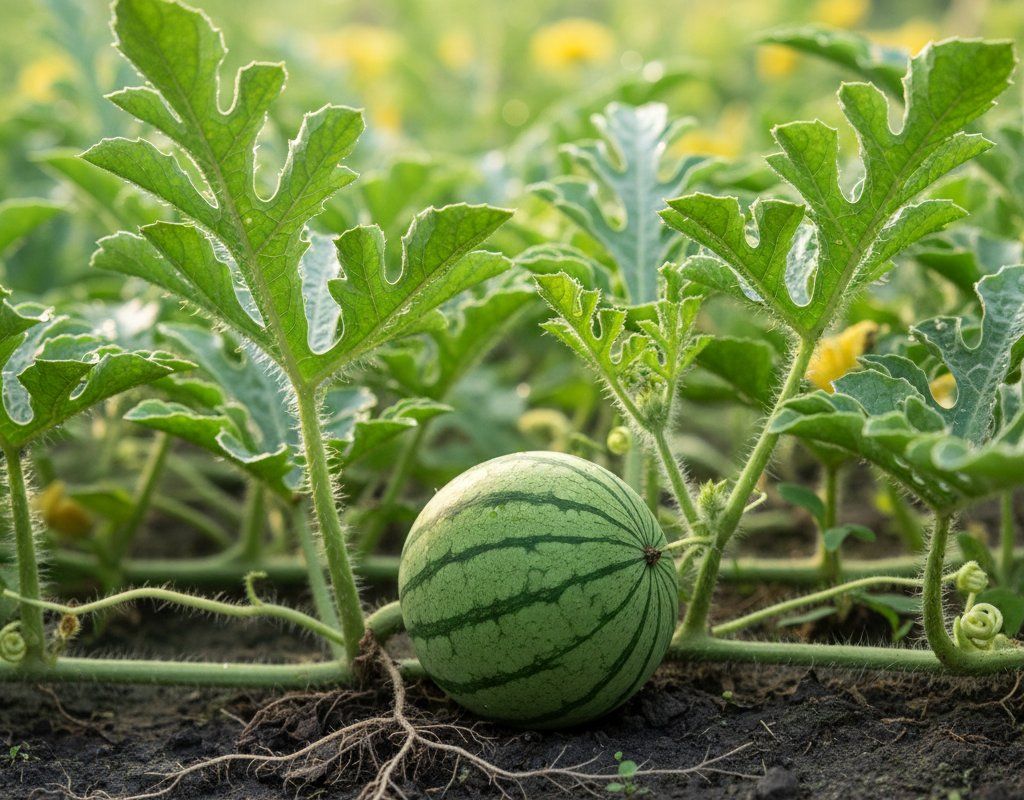
Watermelon in Zone 6B — Pacific Northwest
Citrullus lanatus · Your Complete 2026 Planting Guide
Planning Ahead — Great!
You’re ahead of the season. Here’s when to start.
Mark Your Calendar
How to Plant Watermelon in Zone 6B — Pacific Northwest
Here are all your options for getting watermelon in the ground, from the easiest method to more advanced approaches.
Direct Sow Seeds
RecommendedMid May through early July
around May 15
Consider succession planting every 2-3 weeks for continuous harvest.
Needs warm soil. Direct sow works in zones 6+. Start indoors in colder zones.
Buy Starts
Works WellMid May through mid June
around May 15
Plant purchased starts after last frost (May 1).
Start Seeds Indoors
Works WellMid April through early May
around April 24
Then transplant: Mid May through mid June
Start seeds 3-5 weeks before transplanting outdoors.
Handle seedlings carefully — melons resent root disturbance.
Transplant Outdoors
Timing InfoMid May through mid June
around May 15
Wait until nighttime temperatures stay above 50°F.
You have a nice window — no need to rush.
Overview
Growing watermelon in the Pacific Northwest might seem challenging given our mild summers, but it's absolutely achievable with the right varieties and timing. Our 162-day growing season provides just enough warmth for smaller, faster-maturing varieties, and the payoff is incredible – homegrown watermelon has a sweetness and complexity that store-bought fruit simply can't match. Our cool nights actually help develop better flavor while reducing water stress during those dry summer months.
The key challenge here is working with our slow spring warmup and relatively short heat window. However, with careful variety selection and proper timing, you can successfully grow watermelon in Zone 6B. Our mild summers rarely push above 90°F, which means less heat stress on the plants, and our dry summer conditions reduce many fungal disease pressures that plague watermelons in more humid regions.
Starting Seeds Indoors
Starting watermelon seeds indoors makes sense if you want to maximize your growing season or if you're pushing the limits with longer-season varieties. Start seeds mid-April through early May, about three weeks before your planned transplant date. Use individual peat pots or large cell trays since melons absolutely hate root disturbance – you want to minimize handling when transplanting.
Keep your seed trays warm (75-85°F) and use bottom watering to prevent fungal issues that can plague seedlings during our overcast spring days. A heat mat helps tremendously with germination, especially since our homes tend to be cooler during spring. Provide strong light once seedlings emerge – either a south-facing window with additional grow lights or full-spectrum LEDs.
Handle seedlings with extreme care when transplanting. Watermelons resent any root disturbance, and stressed transplants often struggle to establish in our cool spring soils. If you accidentally damage the root ball, that plant will likely underperform all season.
Transplanting Outdoors
Transplant watermelon seedlings outdoors from mid-May through mid-June, once soil temperatures consistently stay above 60°F and nighttime temperatures remain above 50°F. In the Pacific Northwest, this timing coincides with when our late spring rains typically taper off and more consistent weather patterns emerge.
Harden off seedlings gradually over a full week by placing them outside for increasing periods daily. Start with 2-3 hours of morning sun and work up to full days. Our spring weather can be unpredictable with sudden cool spells, so watch forecasts carefully and be prepared to bring plants inside if temperatures drop unexpectedly.
Space transplants 72-96 inches apart – these vines need serious room to spread. Plant in your warmest, most protected location with full sun exposure. Consider using black plastic mulch or row covers initially to help warm the soil and protect young plants from cool spring nights that can still dip into the 40s.
Direct Sowing
Direct sowing is actually the preferred method for watermelons in our region since they hate transplant shock. Sow seeds from mid-May through early July, waiting until soil temperature reaches at least 65°F at a 4-inch depth. In the Pacific Northwest, this usually means late May is your sweet spot for direct seeding.
Prepare planting areas by working in plenty of compost and ensuring excellent drainage – watermelons need both rich soil and good drainage to thrive in our climate. Create small mounds 6-8 inches high to improve drainage and help soil warm faster. Plant 3-4 seeds per hill, spacing hills 72-96 inches apart. Our dry summers mean you won't deal with the soil compaction issues that plague gardeners in rainier climates.
Once seedlings emerge and develop their first true leaves, thin to the strongest 1-2 plants per hill. The wide spacing might seem excessive, but watermelon vines can easily spread 10-12 feet in all directions. Our mild summer temperatures mean vines grow steadily without the explosive growth spurts seen in hotter regions, but they still need plenty of room to develop properly.
Watering Watermelon in Zone 6B (Pacific Northwest)
Watermelons require consistent, deep watering throughout the growing season, but our Pacific Northwest climate makes this manageable without constant irrigation. During our dry summer months, plan to provide about 1-2 inches of water per week, adjusting based on plant size and fruit development. Use the finger test – stick your finger 2 inches into the soil near the plant base, and water deeply when it feels dry at that depth.
Focus watering at the plant base rather than overhead, especially beneficial in our dry-summer climate where disease pressure is naturally lower. Deep, infrequent watering encourages strong root development and helps plants access moisture during our typically rainless July and August. Soaker hoses or drip irrigation work exceptionally well since you're not fighting high humidity or frequent rain that can cause runoff.
During fruit development, watermelons need the most water – this is typically mid to late summer in our region. However, reduce watering 1-2 weeks before harvest to concentrate sugars and improve flavor. Signs of underwatering include wilting during the heat of the day (even when it's only 80°F), small fruit size, and premature vine decline. Overwatering shows up as yellowing leaves, poor fruit development, and increased susceptibility to fungal issues.
Apply a 3-4 inch layer of organic mulch around plants to retain soil moisture and suppress weeds. Grass clippings, straw, or shredded leaves work well in our climate and help maintain consistent soil moisture during those stretches of 85-90°F days when even our mild heat can stress the plants.
🧪Fertilizing Watermelon
Feeding Schedule
Organic Fertilizer Options
Harvest Time
Expect your first watermelons to ripen from early August through early October, depending on variety and planting date. With our 85-day varieties and mid-May planting, you'll typically see ripe fruit by mid-August. Later plantings extend harvest into early fall, taking advantage of our long, mild growing season that often continues well into September.
Determining ripeness takes practice, but three reliable indicators work consistently in our climate: the ground spot (where the fruit touches soil) changes from white to creamy yellow, the tendril nearest the fruit attachment point turns brown and dry, and the watermelon produces a deep, hollow sound when thumped rather than a high-pitched thud.
Harvest by cutting the stem with sharp pruners rather than pulling, which can damage the vine. Unlike some fruits, watermelons don't continue ripening once removed from the vine, so timing is critical. A ripe watermelon will also develop a waxy bloom on its skin and the skin becomes difficult to pierce with a fingernail.
As our first frost approaches in early October, harvest any remaining fruit regardless of full ripeness – even slightly underripe watermelons can be used for preserves or pickled rind. Our extended fall often allows late plantings to fully mature, giving you fresh watermelon well into autumn when most gardeners are finished with warm-season crops.
Common Problems in Zone 6B (Pacific Northwest)
Fusarium Wilt This soil-borne fungal disease typically shows up as wilting on one side of the plant first, followed by yellowing leaves that progress from one side to the other. If you cut open an affected stem, you'll see brown streaking inside. The fungus persists in soil for years and thrives in the warm soil conditions we experience during our dry summers.
Prevention is key since there's no cure once plants are infected. Choose resistant varieties marked with 'F' on seed packets, rotate watermelons on a 4-year cycle, and maintain soil pH above 6.5. Remove and destroy affected plants immediately – don't compost them. Our relatively mild summer temperatures slow disease progression compared to hotter regions, but infected plants rarely produce quality fruit.
Anthracnose Look for sunken, dark circular spots on fruit, stems, and leaves. In wet conditions, you might see pink or orange spore masses in the spots. While our dry summers reduce this problem compared to humid regions, it can still appear during wet spring weather or if you use overhead watering.
Prevent anthracnose by avoiding overhead watering, removing plant debris, and applying copper fungicide preventatively during wet spring weather. Our dry summer conditions naturally suppress this disease, making it much less problematic than in areas with summer humidity. Use clean, disease-free seeds and maintain good air circulation around plants.
Poor Pollination Small, misshapen fruit or flowers that bloom but drop off indicate pollination problems. This often occurs when male and female flowers don't overlap timing-wise, or when cool, overcast spring weather reduces pollinator activity during our typically gray late spring period.
Encourage pollinators by planting flowers nearby and avoiding pesticides during bloom. Hand-pollinate using a small brush to transfer pollen from male to female flowers – particularly helpful during our cool, overcast spring days when bee activity is limited. Female flowers have a small swelling (baby fruit) behind the bloom, while male flowers have straight stems.
Pacific Northwest Specific Challenges Our mild summer temperatures and dry conditions actually reduce many common watermelon problems, but the short heat window means every warm day counts. Cool spring soils delay establishment, so wait for proper soil temperature before planting. Slugs can damage young seedlings during wet spring weather, so use appropriate barriers or baits around newly planted seeds or transplants.
Best Companions for Watermelon
Plant these nearby for healthier Watermelon and better harvests.

Keep Away From
Companion Planting Details
Plant watermelons with corn, radishes, and sunflowers for a productive combination that works well in Pacific Northwest gardens. Corn provides some wind protection without creating too much shade, while its deep roots don't compete directly with watermelon's spreading root system. Radishes planted early in the season help break up soil and are harvested before watermelons need the space.
Sunflowers make excellent companions by attracting beneficial insects and pollinators crucial for watermelon fruit set, especially important during our sometimes-cool spring flowering period when natural pollinator activity may be reduced. Avoid planting watermelons near potatoes, as both are susceptible to similar fungal diseases, and potatoes can harbor pathogens that affect watermelon plants. The wide spacing watermelons require actually makes companion planting easier in our region since you have plenty of room between hills for beneficial flowers and herbs.
🌸Best Flowers to Plant with Watermelon
These flowers protect your Watermelon from pests and attract pollinators for better harvests.


Get a Reminder When It's Time to Plant
We'll email you when key planting windows open for your zone.