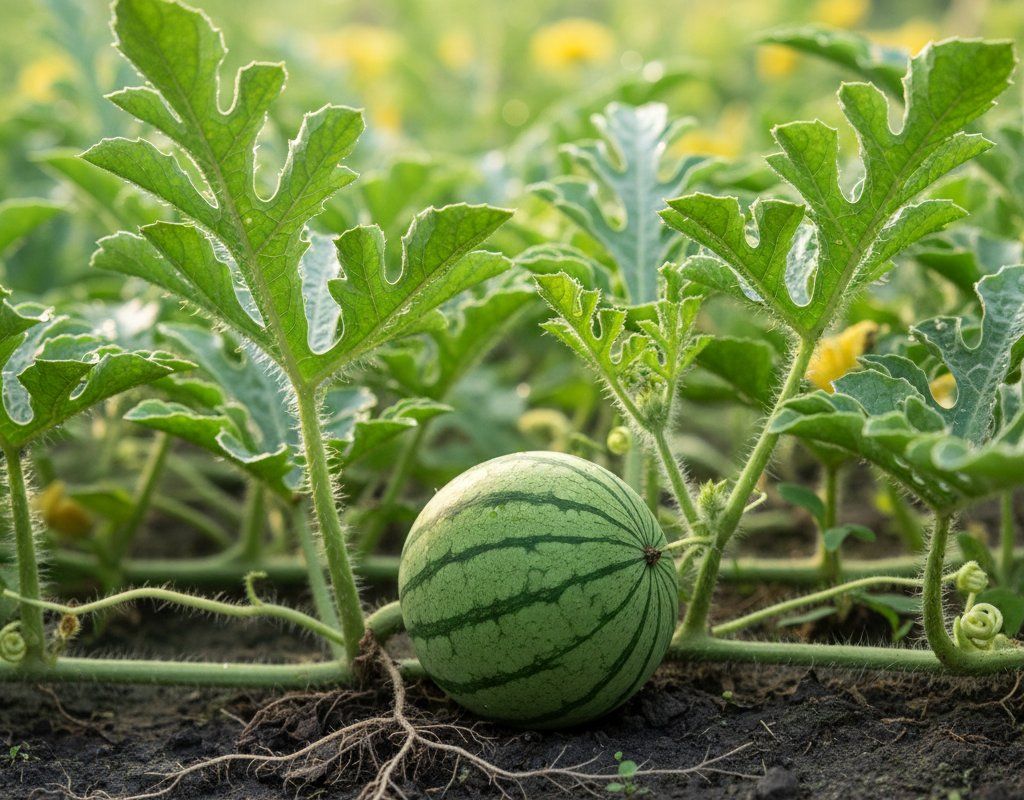
Watermelon in Zone 7A — Mountain West
Citrullus lanatus · Your Complete 2026 Planting Guide
Planning Ahead — Great!
You’re ahead of the season. Here’s when to start.
Mark Your Calendar
How to Plant Watermelon in Zone 7A — Mountain West
Here are all your options for getting watermelon in the ground, from the easiest method to more advanced approaches.
Direct Sow Seeds
RecommendedEarly May through early July
around May 4
Consider succession planting every 2-3 weeks for continuous harvest.
Needs warm soil. Direct sow works in zones 6+. Start indoors in colder zones.
Buy Starts
Works WellEarly May through early June
around May 4
Plant purchased starts after last frost (April 20).
Start Seeds Indoors
Works WellEarly to late April
around April 13
Then transplant: Early May through early June
Start seeds 3-5 weeks before transplanting outdoors.
Handle seedlings carefully — melons resent root disturbance.
Transplant Outdoors
Timing InfoEarly May through early June
around May 4
Wait until nighttime temperatures stay above 50°F.
You have a nice window — no need to rush.
Overview
Growing watermelons in our Mountain West Zone 7A brings the satisfaction of biting into sun-warmed, homegrown fruit that puts grocery store melons to shame. Our intense high-altitude sunlight and cool nights create the perfect combination for developing those complex, sweet flavors that make watermelons worth the garden space. The contrast between hot days and cool nights concentrates sugars beautifully, giving you melons with depth of flavor you simply can't buy.
Yes, our short 173-day growing season and late spring start make watermelons more challenging than in warmer climates, but it's absolutely doable with the right timing. Our intense UV and low humidity actually work in your favor once plants are established, reducing disease pressure while that mountain sun does its magic. The key is working with our season length rather than fighting it.
Starting Seeds Indoors
Starting watermelon seeds indoors makes sense if you want to maximize your growing season or try longer-season varieties in our Mountain climate. Start seeds in early to late April, about 3 weeks before your planned transplant date. Use individual peat pots or biodegradable containers since watermelons hate root disturbance.
Keep seeds warm (75-80°F) and use bottom watering to prevent damping off - our low humidity helps here, but overwatering kills more seedlings than underwatering. Place trays on a heating mat and provide bright light once seeds germinate. Given our late spring character, indoor starting gives you a head start when outdoor conditions are still too cool and unpredictable.
Handle seedlings with extreme care when transplanting. Any root damage sets them back significantly, which you can't afford with our shorter growing season.
Transplanting Outdoors
Transplant watermelon seedlings outdoors from early May through early June, once soil temperatures consistently hit 70°F and nighttime temperatures stay above 50°F. In our Mountain climate, this timing usually coincides with when you're confident the last frost has passed and soil has warmed sufficiently.
Harden off seedlings gradually over a full week - our intense UV and temperature swings between day and night can shock tender seedlings. Start with just an hour of morning sun, building up to full exposure. Space plants 6-8 feet apart in all directions; they'll spread more than you think.
Choose your planting spot carefully since transplants need extra protection from our harsh conditions. A south-facing location with some wind protection helps, and consider using row covers for the first few weeks to buffer against unexpected temperature drops that can still happen into late May.
Direct Sowing
Direct sowing is your best bet for watermelons in our Mountain climate - they establish better without transplant shock and handle our conditions more naturally. Sow seeds from early May through early July, with the sweet spot being late May when soil temperatures hit 70°F consistently.
Prepare planting areas by working compost into our typically alkaline soil and creating slight mounds for better drainage and quicker soil warming. Plant seeds 1 inch deep, spacing hills 6-8 feet apart. Drop 3-4 seeds per hill and thin to the strongest seedling once they're established. Our intense sun helps seeds germinate quickly once soil warms up.
The key is patience - don't rush the season. Cold, wet soil kills watermelon seeds faster than anything else. Wait for consistently warm days and nights rather than gambling on an early warm spell that might not last.
Watering Watermelon in Zone 7A (Mountain West)
Watermelons are thirsty plants that need consistent, deep watering throughout their growing season - challenging in our dry Mountain climate with only 10-20 inches of annual rainfall. During active growth and fruit development, provide 1-2 inches of water per week, delivered deeply rather than frequently to encourage deep root systems.
Use the finger test religiously - stick your finger 2 inches into the soil near the base of plants. If it's dry at that depth, it's time to water. Our low humidity means soil moisture evaporates quickly, especially with our intense UV, so check more frequently than you might expect. Water at soil level rather than overhead to conserve moisture and avoid wetting leaves unnecessarily.
As harvest approaches, reduce watering during the final 1-2 weeks to concentrate sugars and prevent bland, watery fruit. This is tricky in our dry climate, but worth it for flavor. Signs of underwatering include wilting during the heat of day (even with adequate soil moisture), while overwatering shows up as yellowing leaves and poor fruit development.
Mulch heavily around plants with straw or grass clippings to retain precious soil moisture. In our arid conditions, this mulch layer is essential for maintaining consistent soil moisture between waterings.
🧪Fertilizing Watermelon
Feeding Schedule
Organic Fertilizer Options
Harvest Time
Your first watermelons will be ready from late July through early October, typically 85 days from seeding. The key is recognizing ripeness since watermelons won't continue ripening once picked - unlike tomatoes, timing is everything here.
Look for three reliable signs: the ground spot (where the melon rests) turns from bright white to creamy yellow or orange; the tendril nearest the fruit attachment turns brown and crispy; and the melon sounds hollow when thumped rather than making a dull thud. The skin also becomes dull rather than shiny, and you'll notice the melon stops growing larger.
Harvest by cutting the stem with clean pruners rather than pulling, which can damage the vine. Handle carefully since ripe watermelons bruise easily. Once picked, they'll keep for 2-3 weeks in cool storage, perfect timing as our first frost typically arrives in early October.
As September progresses, keep an eye on weather forecasts. Any melons that won't ripen before frost should be harvested and used for pickles or preserves rather than left to freeze on the vine.
Common Problems in Zone 7A (Mountain West)
Fusarium Wilt Watch for wilting that starts on one side of the plant and gradually spreads, along with yellowing leaves beginning on the affected side. If you cut into the stem, you'll see brown streaking inside. This soil-borne fungus loves our warm mountain days and persists in soil for years once established.
Plant varieties with fusarium resistance (marked 'F' on seed packets) and rotate watermelons to different garden areas on a 4-year cycle. Our alkaline soil actually helps here - maintain pH above 6.5 since fusarium struggles in higher pH conditions. Remove and destroy infected plants immediately rather than composting them.
Poor Pollination Flowers bloom but drop off, or fruit develops small and misshapen with uneven bulges. This often happens when pollinators are scarce or weather conditions interfere with pollination timing. Our cool nights can slow pollinator activity even when days are warm.
Plant sunflowers, native wildflowers, or herbs nearby to attract more bees and beneficial insects. Hand-pollinate using a small brush to transfer pollen from male flowers (on stems) to female flowers (with tiny fruits behind them). Do this in early morning when flowers are fully open and pollen is most viable.
Mountain West Specific Challenges Our combination of intense UV, cool nights, and low humidity creates unique growing conditions. While the low humidity reduces fungal diseases compared to humid climates, it also stresses plants and increases water needs. The intense sun can actually scorch young fruits if they're not well-shaded by leaves, so ensure adequate plant spacing for good leaf cover.
Best Companions for Watermelon
Plant these nearby for healthier Watermelon and better harvests.

Keep Away From
Companion Planting Details
Corn makes an excellent companion for watermelons, providing natural windbreaks against our gusty mountain winds while the watermelons spread beneath, making efficient use of garden space. Radishes planted around watermelon hills help deter cucumber beetles and other pests while breaking up soil compaction - helpful in our clay-heavy soils.
Sunflowers create beneficial habitat for pollinators crucial for good fruit set and provide some afternoon shade for young watermelon plants adjusting to our intense UV. Avoid planting near potatoes, which compete heavily for nutrients and can harbor similar pests that stress watermelon vines in our already challenging short-season climate.
🌸Best Flowers to Plant with Watermelon
These flowers protect your Watermelon from pests and attract pollinators for better harvests.


Get a Reminder When It's Time to Plant
We'll email you when key planting windows open for your zone.