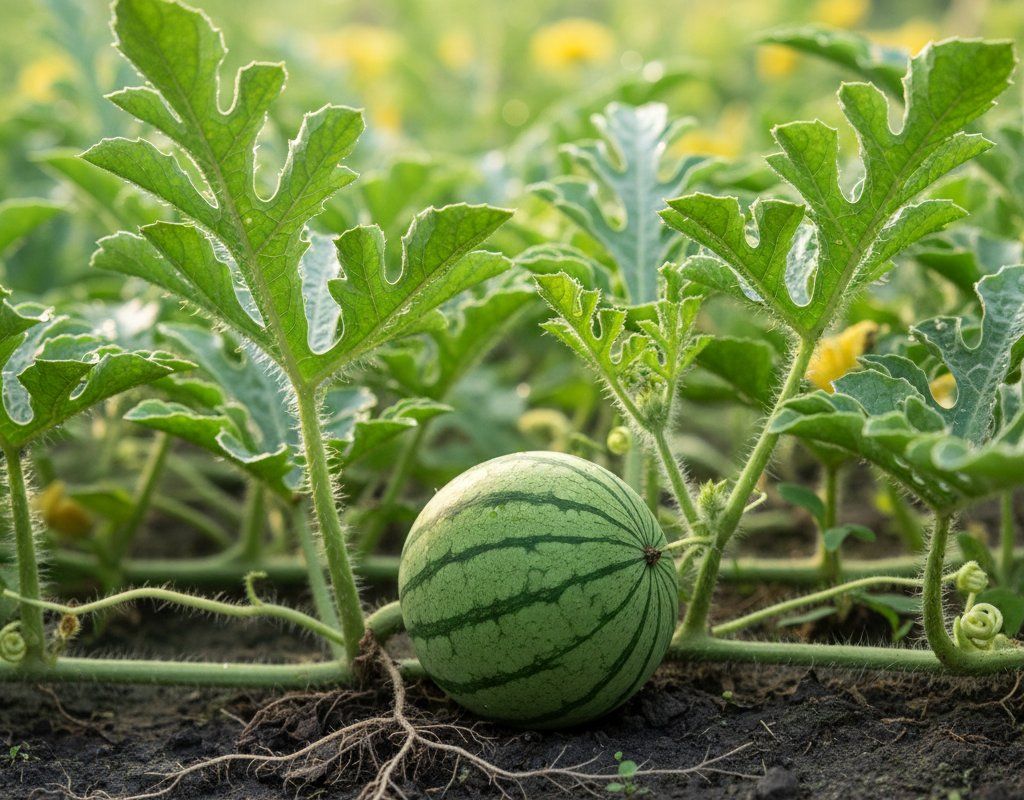
Watermelon in Zone 8B — Southern California
Citrullus lanatus · Your Complete 2026 Planting Guide
Time to Buy Starts!
Seed starting window passed, but starts are available now.
Buy Starts Now
Head to your local nursery, Home Depot, or farmers market for transplants.
- Look for stocky plants with dark green leaves
- Avoid leggy seedlings or plants already flowering
- Check that roots aren't circling the pot (rootbound)
How to Plant Watermelon in Zone 8B — Southern California
Here are all your options for getting watermelon in the ground, from the easiest method to more advanced approaches.
Direct Sow Seeds
RecommendedEarly March through early September
around March 1
Consider succession planting every 2-3 weeks for continuous harvest.
Needs warm soil. Direct sow works in zones 6+. Start indoors in colder zones.
Buy Starts
Works WellEarly to late March
around March 1
Plant purchased starts after last frost (February 15).
Start Seeds Indoors
Works WellEarly to late February
around February 8
Then transplant: Early to late March
Start seeds 3-5 weeks before transplanting outdoors.
Handle seedlings carefully — melons resent root disturbance.
Transplant Outdoors
Timing InfoEarly to late March
around March 1
Wait until nighttime temperatures stay above 50°F.
You have a nice window — no need to rush.
Overview
Growing watermelons in Southern California's Zone 8B is like having summer paradise right in your backyard. Our long, hot growing season and abundant sunshine create ideal conditions for these heat-loving vines to produce incredibly sweet, juicy fruit that puts store-bought melons to shame. With 298 frost-free growing days, you have an extended window to grow everything from compact personal varieties to massive showstoppers.
While our summer heat inland can be intense and water restrictions are always a consideration, watermelons actually thrive in our climate with proper timing and water-wise practices. The key is working with our natural rainfall patterns and planning your irrigation strategy for those crucial summer months when the fruit is sizing up.
Starting Seeds Indoors
Starting watermelon seeds indoors makes sense if you want to get a jump on the season or if you're growing specialty varieties with longer maturation times. Start seeds in early to late February, about three weeks before you plan to transplant outdoors. Our very early spring character means you can get transplants in the ground by early to late March.
Use seed-starting trays with a quality potting mix and keep seeds warm - around 75-80°F for best germination. A heat mat helps in our mild winter nights. Bottom watering works best to keep the soil evenly moist without waterlogging the seeds.
Handle watermelon seedlings with extreme care when transplanting. These vines absolutely hate root disturbance, so consider biodegradable pots that can go directly in the ground. The indoor start method gives you more control, but direct sowing is honestly easier and less stressful for both you and the plants.
Transplanting Outdoors
If you've started seeds indoors, transplant your watermelon seedlings outdoors from early to late March once nighttime temperatures consistently stay above 60°F. Our last frost typically occurs around mid-February, but those occasional cool snaps can still damage tender transplants.
Harden off seedlings gradually over a week, starting with just a few hours of morning sun and building up to full outdoor exposure. This helps them adjust to our intense UV rays and temperature swings. Space transplants 6-8 feet apart in all directions - watermelons are sprawling vines that need serious real estate.
Choose your transplant timing carefully around any Santa Ana wind events, which can stress young plants. A calm, cloudy day is ideal for getting transplants established without shock.
Direct Sowing
Direct sowing is the preferred method for watermelons in Southern California, and you have an incredibly long planting window from early March through early September. The key is soil temperature - wait until it's consistently 70°F or warmer at planting depth. Our warm spring weather usually gets you there by early March.
Prepare your planting area with compost or aged manure, creating slight mounds for better drainage and heat absorption. Plant seeds 1 inch deep and space them 6-8 feet apart in all directions. In our climate, you can succession plant every 2-3 weeks through summer for continuous harvests into December.
The beauty of direct sowing in Southern California is that our soil stays warm well into fall, allowing for those late-season plantings that mature in the cooler months. Just make sure your chosen variety has enough days to maturity before early December when we typically see our first frost.
Watering Watermelon in Zone 8B (Southern California)
Watermelons are thirsty plants that demand consistent moisture, especially challenging in our semi-arid climate with winter-wet rainfall patterns. During fruit development, they need about 2 inches of water per week - that's roughly 125 gallons per 1,000 square feet. Use the finger test, checking soil moisture 2 inches deep; it should feel like a wrung-out sponge.
Water deeply at the base of plants rather than overhead to prevent foliar diseases and reduce evaporation in our low-to-moderate humidity. Drip irrigation or soaker hoses work perfectly for watermelons, delivering water efficiently while complying with water restrictions. Morning watering allows plants to dry before evening, reducing fungal issues.
As summer heat inland reaches those typical 92°F days, you may need to water every other day or even daily for container-grown plants. Mulch heavily around vines with straw or wood chips to retain moisture and keep roots cool during those intense heat waves. Watch for wilting in the afternoon heat - some stress is normal, but consistent wilting means you need more water.
Here's a crucial tip: reduce watering about 1-2 weeks before harvest to concentrate the sugars and intensify flavor. The fruit will signal ripeness even with less water, and you'll be rewarded with incredibly sweet melons that showcase why growing your own is so worth it.
🧪Fertilizing Watermelon
Feeding Schedule
Organic Fertilizer Options
Harvest Time
Your first watermelons will be ready from late May through early December, depending on when you planted and which variety you chose. With 85 days to maturity as a general guideline, early March plantings give you late May harvests, while September sowings provide holiday melons in early December.
Look for three key ripeness indicators: the ground spot (where the melon sits on soil) turns from white to creamy yellow, the tendril nearest the fruit stem turns brown and dry, and the melon sounds hollow when thumped with your knuckles. The surface also develops a matte finish rather than glossy shine when fully ripe.
Harvest by cutting the stem with clean pruners rather than pulling - watermelons don't slip from the vine like cantaloupes. Once picked, they won't continue ripening, so timing is everything. Handle carefully to avoid bruising the fruit.
As early December approaches and our first frost threatens, harvest any remaining melons even if slightly underripe. Green watermelons won't ripen further, but nearly mature fruits can be used for pickles or preserves. Cover vines with row covers if you need just a few more days to reach peak ripeness.
Common Problems in Zone 8B (Southern California)
Fusarium Wilt This devastating disease shows up as wilting on one side of the plant first, then gradually spreads to the entire vine. Yellow leaves start on one side, and if you cut open the stem, you'll see brown streaks running through it. In our warm Southern California soils, this soil-borne fungus thrives and can persist for years. Once a plant is infected, there's no cure - remove and destroy it immediately. Plant resistant varieties marked with 'F' on seed packets, rotate crops on a 4-year cycle, and consider soil solarization during our hot summer months to reduce fungal load.
Anthracnose You'll recognize this fungal problem by sunken, dark circular spots on fruit, stems, and leaves. In our occasional humid weather or if you're using overhead watering, these spots may develop pink or orange spore masses. The pathogen spreads through rain splash and contaminated tools. Prevent this by avoiding overhead watering (which also conserves water), removing infected plant debris immediately, and applying copper fungicide preventatively. Our dry summers actually help reduce this problem compared to more humid regions.
Poor Pollination When flowers bloom but fruits don't develop properly, or you get small, misshapen melons, pollination is usually the culprit. This happens when pollinators aren't visiting enough, or when our extreme inland heat stresses both plants and bees. During heat waves above 95°F, pollen can become sterile. Plant sunflowers and other pollinator magnets nearby, provide shallow water sources for bees, and consider hand-pollinating with a small brush during peak heat. Avoid any pesticide use during flowering period.
Southern California Specific Challenges: Our hot, dry summers with low-to-moderate humidity create unique growing conditions for watermelons. While the heat helps fruit development, extreme temperatures can stress pollinators and plants alike. Santa Ana winds can damage vines and increase water needs dramatically. The silver lining is that our dry climate reduces many fungal diseases that plague watermelons in humid regions, making overall disease management easier than in other parts of the country.
Best Companions for Watermelon
Plant these nearby for healthier Watermelon and better harvests.

Keep Away From
Companion Planting Details
Corn makes an excellent companion for watermelons in Southern California, providing natural trellising for the vines to climb and creating beneficial shade during our intense summer heat. The corn stalks also act as windbreaks during Santa Ana events. Radishes planted around the perimeter help deter cucumber beetles and other pests while their quick growth allows harvest before the watermelon vines spread. Sunflowers are fantastic companions, attracting the pollinators that watermelons desperately need while their deep taproots help break up our often clay-heavy soils.
Avoid planting watermelons near potatoes, as both crops are susceptible to similar soil-borne diseases and pests. In our water-conscious climate, they also compete for irrigation resources and have different watering needs that make efficient irrigation planning difficult.
🌸Best Flowers to Plant with Watermelon
These flowers protect your Watermelon from pests and attract pollinators for better harvests.


Get a Reminder When It's Time to Plant
We'll email you when key planting windows open for your zone.