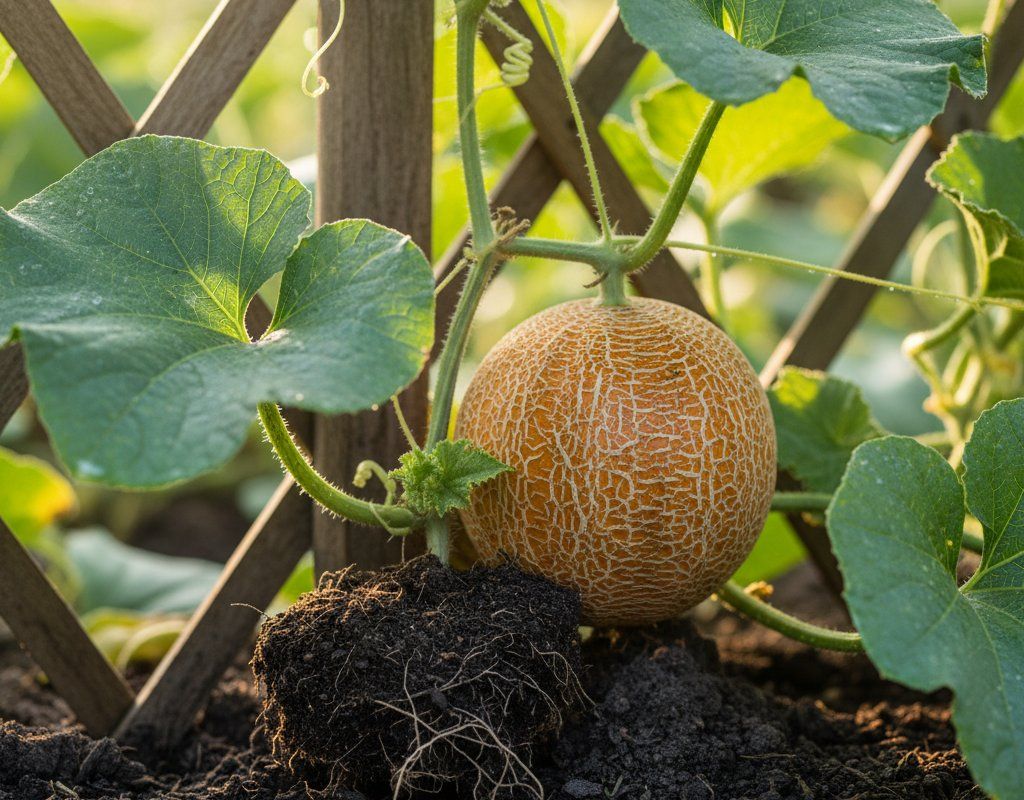
Cantaloupe in Zone 8B — Southern California
Cucumis melo · Your Complete 2026 Planting Guide
Time to Buy Starts!
Seed starting window passed, but starts are available now.
Buy Starts Now
Head to your local nursery, Home Depot, or farmers market for transplants.
- Look for stocky plants with dark green leaves
- Avoid leggy seedlings or plants already flowering
- Check that roots aren't circling the pot (rootbound)
How to Plant Cantaloupe in Zone 8B — Southern California
Here are all your options for getting cantaloupe in the ground, from the easiest method to more advanced approaches.
Direct Sow Seeds
RecommendedEarly March through early September
around March 1
Consider succession planting every 2-3 weeks for continuous harvest.
Same as watermelon — needs warm soil, direct sow works in most zones.
Buy Starts
Works WellEarly to late March
around March 1
Plant purchased starts after last frost (February 15).
Start Seeds Indoors
Works WellEarly to late February
around February 8
Then transplant: Early to late March
Start seeds 3-5 weeks before transplanting outdoors.
Transplant Outdoors
Timing InfoEarly to late March
around March 1
Wait until nighttime temperatures stay above 50°F.
You have a nice window — no need to rush.
Overview
Growing cantaloupes in Southern California's Zone 8B gives you access to some of the sweetest, most aromatic melons you'll ever taste – far superior to anything from the grocery store. Our long, warm growing season and abundant sunshine create ideal conditions for developing those complex sugars that make a perfectly ripe cantaloupe so irresistible. You'll have the satisfaction of timing your harvest perfectly, something impossible with shipped fruit.
While cantaloupes need consistent water in our semi-arid climate, our 298-day growing season means you can succession plant for harvests from late spring through early winter. The key is working with our winter-wet, summer-dry pattern and managing water wisely during our hot, dry summers when these heat-loving vines really take off.
Starting Seeds Indoors
Starting cantaloupe seeds indoors from early to late February makes sense if you want to maximize your growing season or if you're dealing with cooler coastal conditions. Give yourself about three weeks from seeding to transplanting outdoors. Our very early spring character means you can often transplant sooner than other regions.
Set up seed trays in a warm spot – cantaloupes need soil temperatures around 70-75°F to germinate well. Bottom watering works best to keep moisture consistent without creating the soggy surface conditions that lead to damping off. A heat mat helps maintain steady soil temperature during our mild but sometimes variable February nights.
The main advantage of indoor starting here is getting a jump on the season, but direct sowing works so reliably in Southern California that most gardeners skip this step. Consider indoor starts if you're gardening closer to the coast where spring soil warms more slowly.
Transplanting Outdoors
Transplant your cantaloupe seedlings outdoors from early to late March, once nighttime temperatures consistently stay above 55°F and daytime highs reach the 70s. Our mild winters mean soil warms relatively early, but don't rush it – cold-shocked melon plants recover slowly and may never reach their full potential.
Harden off seedlings gradually over a week by placing them outside for increasing periods daily. Start with a few hours of morning sun, then work up to full days. Space transplants 36-48 inches apart – these vines spread extensively and need good air circulation to prevent disease in our moderate humidity.
Watch for unexpected late-season cool snaps during transplanting season. While rare, they can set back tender melon plants significantly. Row covers or individual plant protection may be needed if temperatures drop unexpectedly during your transplant window.
Direct Sowing
Direct sowing is the preferred method for cantaloupes in Southern California, and you have an extensive planting window from early March through early September. Wait until soil temperature reaches at least 65°F – use a soil thermometer rather than guessing. Our warm soil conditions usually arrive by mid-March in most inland areas.
Prepare planting areas by working in compost and ensuring excellent drainage. Plant seeds 1/2 to 1 inch deep, spacing them 36-48 inches apart in all directions. These vines need room to spread, and crowded plants are more susceptible to powdery mildew in our climate. Plant 2-3 seeds per location and thin to the strongest seedling once they're established.
For succession planting, you can continue sowing through summer, though plantings after mid-July will need extra attention to watering during our peak heat. September plantings work well in inland areas where fall stays warm, giving you melons well into November or December.
Watering Cantaloupe in Zone 8B (Southern California)
Cantaloupes have high water needs and aren't drought tolerant, which requires careful planning in our semi-arid climate with potential water restrictions. They need consistent deep watering throughout their growing period – about 1-1.5 inches per week, including rainfall. During our dry summers, this means you'll be providing all their water needs.
Water deeply at the base of plants rather than overhead to keep foliage dry and reduce disease pressure. The finger test works well – stick your finger 2 inches into the soil near the base of the plant. If it's dry at that depth, it's time to water. Morning watering allows any moisture on leaves to dry quickly in our low-to-moderate humidity.
During fruit development, maintain consistent moisture to prevent blossom end rot and ensure proper fruit sizing. However, stop watering completely about one week before you expect to harvest. This critical step concentrates sugars and prevents diluted, less sweet fruit – especially important during our summer heat when plants naturally want more water.
Mulch around plants with organic matter to retain soil moisture and reduce watering frequency. In our climate, this also helps buffer soil temperature swings during Santa Ana wind events and provides some protection during our intense summer heat inland.
🧪Fertilizing Cantaloupe
Feeding Schedule
Organic Fertilizer Options
Harvest Time
Your first cantaloupes will be ready from mid-May through early December, depending on when you planted and which variety you chose. With our long growing season, you can enjoy fresh melons for many months. Most varieties take about 80 days from planting to harvest, so plan accordingly.
A ripe cantaloupe will have fully developed netting over the skin and will "slip" easily from the vine with gentle pressure – the stem should separate cleanly where it meets the fruit. You'll also notice a sweet, musky aroma at the blossom end. The skin color changes from green to creamy beige or tan underneath the netting pattern.
Unlike some fruits, cantaloupes don't continue ripening significantly once picked, so timing is crucial. Check your plants daily once fruits start sizing up, especially during our warm fall weather when ripening can happen quickly. Early morning is the best time to harvest when fruits are cool and firm.
As we approach our first frost around early December, harvest any remaining fruits that show good netting and color, even if they haven't fully slipped yet. These late-season melons may not reach peak sweetness but are still better than store-bought options and can be used for cooking or preserving.
Common Problems in Zone 8B (Southern California)
Powdery Mildew This fungal disease appears as white or grayish powdery coating on leaves, stems, and sometimes fruit. Leaves curl, yellow, and eventually die, reducing plant vigor significantly. In Southern California's climate with warm days and cooler nights, powdery mildew thrives even on dry leaf surfaces – unlike most fungal diseases that need moisture. Our moderate humidity during summer mornings creates perfect conditions. Improve air circulation by proper spacing and removing lower leaves that touch the ground. Neem oil or potassium bicarbonate sprays help control existing infections. A simple milk spray (1 part milk to 9 parts water) applied weekly is surprisingly effective for prevention.
Aphids Look for clusters of tiny soft-bodied insects in green, black, or white colors congregating on stems and leaf undersides. They leave sticky honeydew residue and cause curled or distorted new growth. These sap-sucking pests reproduce rapidly in our warm weather, and their populations can explode quickly during summer heat. Ant colonies often farm them for their sweet secretions. Knock them off with a strong water spray early in the morning. Encourage beneficial insects like ladybugs and lacewings by planting diverse flowers nearby. For heavy infestations, insecticidal soap works well, and neem oil provides systemic control. Avoid over-fertilizing with nitrogen, which makes plants more attractive to aphids.
Poor Sweetness Your melons look ripe but lack the expected sweetness and flavor intensity. This frustrating problem usually stems from overwatering near harvest time, insufficient heat accumulation, or harvesting too early. In our climate, the temptation to keep watering during hot weather often dilutes fruit sugars. Stop all watering 5-7 days before expected harvest to concentrate sugars. Ensure plants receive full sun and adequate heat – coastal gardens may need to choose shorter-season varieties. Wait for proper ripeness indicators like easy stem separation rather than relying only on appearance.
Southern California Specific Challenges: Our hot, dry summers and low-to-moderate humidity create ideal conditions for spider mites, which can quickly damage stressed plants during water restrictions. Santa Ana winds can damage vines and dry out soil rapidly, requiring windbreaks and adjusted watering schedules. Fire season smoke can reduce photosynthesis, so ensure plants have adequate water and nutrition during smoky periods to maintain plant health.
Best Companions for Cantaloupe
Plant these nearby for healthier Cantaloupe and better harvests.


Keep Away From
Companion Planting Details
Corn makes an excellent companion for cantaloupes in Southern California gardens, providing natural wind protection during Santa Ana events while the melons spread beneath as a living mulch. Sunflowers planted on the north or west side offer afternoon shade during extreme heat inland and attract beneficial insects that help with pollination and pest control. Cool-season lettuce can be interplanted in early spring to maximize space usage – harvest the lettuce before the melon vines spread widely.
Avoid planting potatoes near cantaloupes as they compete for similar soil nutrients and can harbor similar pests like aphids. Keep cantaloupes away from cucumbers and other vine crops to prevent overcrowding and reduce disease pressure from powdery mildew, which spreads easily between related plants in our climate conditions. This spacing also makes it easier to manage irrigation efficiently during our dry summers.
🌸Best Flowers to Plant with Cantaloupe
These flowers protect your Cantaloupe from pests and attract pollinators for better harvests.


Get a Reminder When It's Time to Plant
We'll email you when key planting windows open for your zone.