
Zinnia in Zone 10B — Florida
Zinnia elegans · Your Complete 2026 Planting Guide
You Can Still Sow!
Direct sowing window is open for Zinnia.
Direct Sow Now
Plant seeds directly in prepared garden soil.
How to Plant Zinnia in Zone 10B — Florida
Here are all your options for getting zinnia in the ground, from the easiest method to more advanced approaches.
Direct Sow Seeds
RecommendedMid January through mid October
around January 12
Consider succession planting every 2-3 weeks for continuous harvest.
Start Seeds Indoors
RecommendedMid December through early January
around December 22
Then transplant: Mid January through mid February
Start seeds 4-6 weeks before transplanting outdoors.
Buy Starts
Works WellMid January through mid February
around January 19
Plant purchased starts after last frost (January 5).
Transplant Outdoors
Timing InfoMid January through mid February
around January 19
Wait until nighttime temperatures stay above 50°F.
You have a nice window — no need to rush.
Overview
Zinnias are a fantastic addition to any Florida garden, adding vibrant color and attracting pollinators to your yard. Their blooms make gorgeous cut flowers, bringing a touch of your garden indoors. Plus, they thrive during our milder fall, winter, and spring seasons, when so many other plants struggle in the Florida heat.
Sure, we face challenges like humidity and fungal diseases here in Zone 10B. But with careful timing and a few smart strategies, you can enjoy a long season of beautiful zinnias. Our 360-day growing season gives you plenty of opportunities to get it right!
Starting Seeds Indoors
While you can direct sow zinnias here in Florida, starting them indoors gives you a jump start, especially for an early spring bloom. Start your seeds indoors from mid-December through early January, about four weeks before you plan to transplant. Use seed trays with a good seed-starting mix, and provide warmth and plenty of light.
Bottom watering is a great way to keep the soil moist without wetting the leaves, which can encourage fungal problems in our humid climate. Remember, our spring is reversed here, so getting a head start indoors can help you enjoy those first blooms before the summer heat kicks in.
Transplanting Outdoors
Transplant your zinnia seedlings outdoors from mid-January through mid-February, once they have a few sets of true leaves. Before transplanting, harden them off by gradually exposing them to outdoor conditions for about a week. This helps them adjust to the Florida sunshine and humidity.
Space your zinnia plants 6-12 inches apart to allow for good air circulation. Keep an eye on the weather – even in January, we can get unexpected temperature swings, so protect your young transplants if a cold snap is forecast.
Direct Sowing
Direct sowing zinnias is easy and often successful in Florida. You can direct sow from mid-January through mid-October, giving you a long window of opportunity. The soil needs to be warm enough for germination, so aim for consistent soil temperatures.
Prepare the soil by loosening it and adding some compost to improve drainage and fertility. Sow seeds 6-12 inches apart, and keep the soil consistently moist until they germinate. One downside is that you're more likely to have slug and snail damage with direct sowing, so keep an eye out.
Watering Zinnia in Zone 10B (Florida)
Watering is crucial for zinnias, especially in Florida's climate. While they're moderately drought-tolerant once established, consistent moisture is key, particularly during our hot and humid months. Focus on watering at the base of the plants to avoid wetting the leaves, which can lead to powdery mildew.
During our drier spring and fall seasons, check the soil moisture regularly using the "finger test" – stick your finger about 2 inches deep into the soil. If it feels dry, it's time to water. Aim for about 1 inch of water per week, either from rainfall or irrigation. In our wet-summer months, you may not need to water at all, unless we're experiencing a dry spell.
Signs of underwatering include wilting leaves and stunted growth. Overwatering, on the other hand, can lead to yellowing leaves and root rot. A layer of mulch around the base of your zinnias helps retain moisture and suppress weeds, just be sure to keep the mulch a few inches away from the stems to prevent rot.
Pruning & Maintaining Zinnia
Deadheading is essential for keeping your zinnias blooming all season long. Regularly remove spent flowers by cutting the stem just above a set of leaves. This encourages the plant to produce more blooms instead of putting energy into seed production.
You can deadhead throughout the growing season, from spring through fall. Don't be afraid to cut long stems for bouquets – the more you cut, the more flowers will follow! As our first frost approaches around late December, you can let the last blooms go to seed if you want to collect seeds for next year.
🧪Fertilizing Zinnia
Feeding Schedule
Organic Fertilizer Options
Harvest Time
You can expect your first zinnia harvest about 60 days after planting, typically from mid-March through late December in Florida. Cut the flowers when they are fully open and the stems are firm. The more you cut, the more blooms your zinnias will produce!
To harvest, use sharp scissors or pruners to cut the stem at an angle. Zinnias make excellent cut flowers and have a long vase life. To prolong their freshness, remove any leaves that will be below the water line in your vase. As the end of the season approaches in late December, you can harvest the remaining flowers to enjoy indoors before the first frost.
Common Problems in Zone 10B (Florida)
Zinnias, while beautiful, can be susceptible to a few problems in Florida's humid climate. Here are three common issues and how to deal with them:
Powdery Mildew
- What it looks like: White or grayish powdery coating on leaves, stems. Leaves curl, yellow, and die.
- What causes it: Various fungi that thrive in warm days, cool nights, and moderate humidity. Dry leaf surfaces actually favor it (unlike most fungi). Our humidity makes this a constant threat.
- How to fix/prevent it: Improve air circulation through spacing and pruning. Remove affected leaves. Neem oil or potassium bicarbonate sprays help. Milk spray (1 part milk to 9 parts water) is surprisingly effective. Plant resistant varieties.
Bacterial Leaf Spot
- What it looks like: Small, dark, water-soaked spots on leaves that enlarge and may have a yellow halo. Spots can merge, causing leaf blight.
- What causes it: Bacteria spread by splashing water and humid conditions. Overcrowding and poor air circulation worsen the problem.
- How to fix/prevent it: Avoid overhead watering. Improve air circulation. Remove and destroy infected leaves. Copper-based fungicides may help prevent further spread.
Alternaria Blight
- What it looks like: Dark brown or black spots on leaves, often starting on lower leaves. Spots may have concentric rings. Severe infections can cause defoliation.
- What causes it: Fungi that thrive in warm, humid conditions. Spores spread by wind and splashing water.
- How to fix/prevent it: Remove and destroy infected leaves. Improve air circulation. Fungicides containing chlorothalonil or copper can help prevent further spread.
Florida Specific Challenges: Florida's hot, humid summers and frequent rainfall create an ideal environment for fungal diseases like powdery mildew, bacterial leaf spot, and Alternaria blight. Choosing disease-resistant zinnia varieties and providing good air circulation are crucial for success. Also, our sandy soil can be low in nutrients, so amending with compost is important for healthy, disease-resistant plants.
Best Companions for Zinnia
Plant these nearby for healthier Zinnia and better harvests.
View Full Companion Planting Chart →



Companion Planting Details
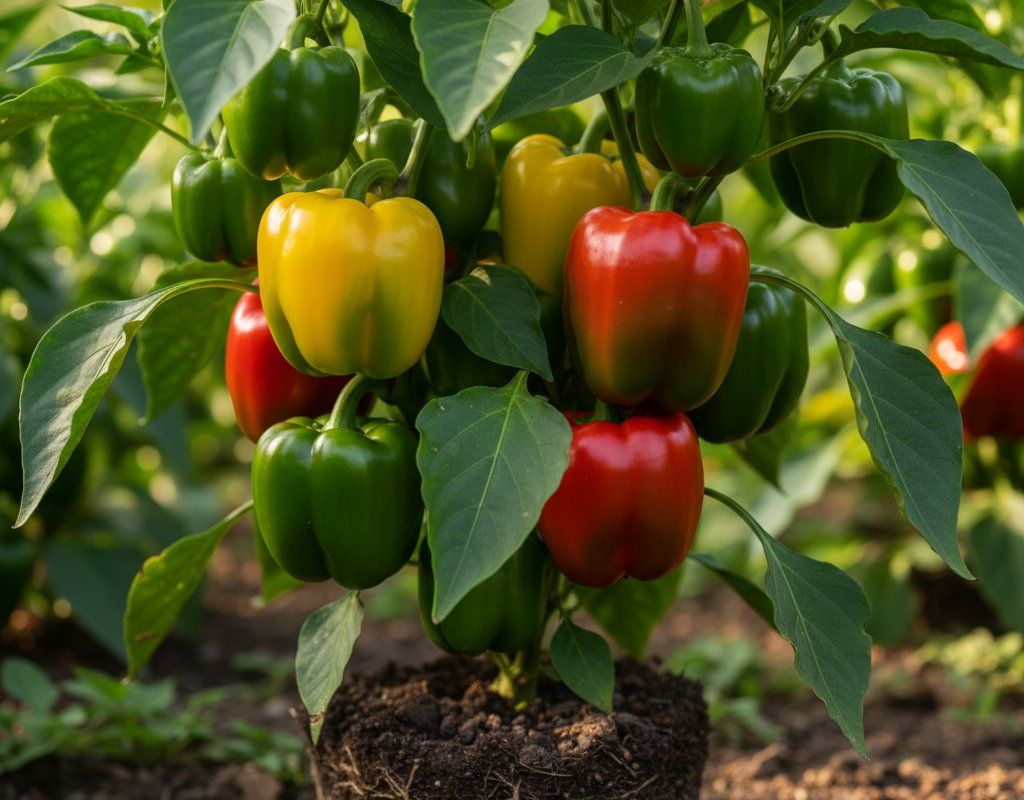
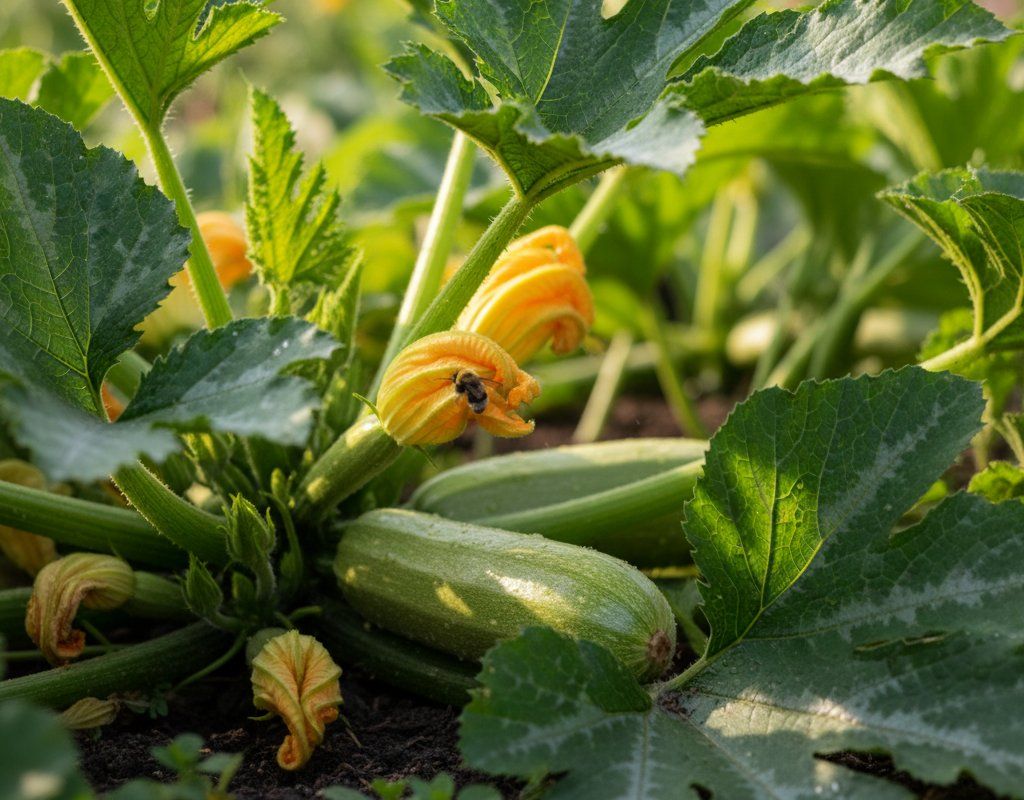
Zinnias make great companions for many vegetables in your Florida garden. They attract pollinators, which benefit fruiting vegetables like tomatoes, peppers, squash, and cucumbers. Planting zinnias near these crops can increase fruit set and overall yield.
Avoid planting zinnias near plants that are highly susceptible to powdery mildew, as the zinnias can potentially spread the disease. Otherwise, they're pretty easygoing.
🥬Best Vegetables to Pair With Zinnia
Zinnia benefits these vegetables through pest control, pollinator attraction, or improved garden health.


Get a Reminder When It's Time to Plant
We'll email you when key planting windows open for your zone.