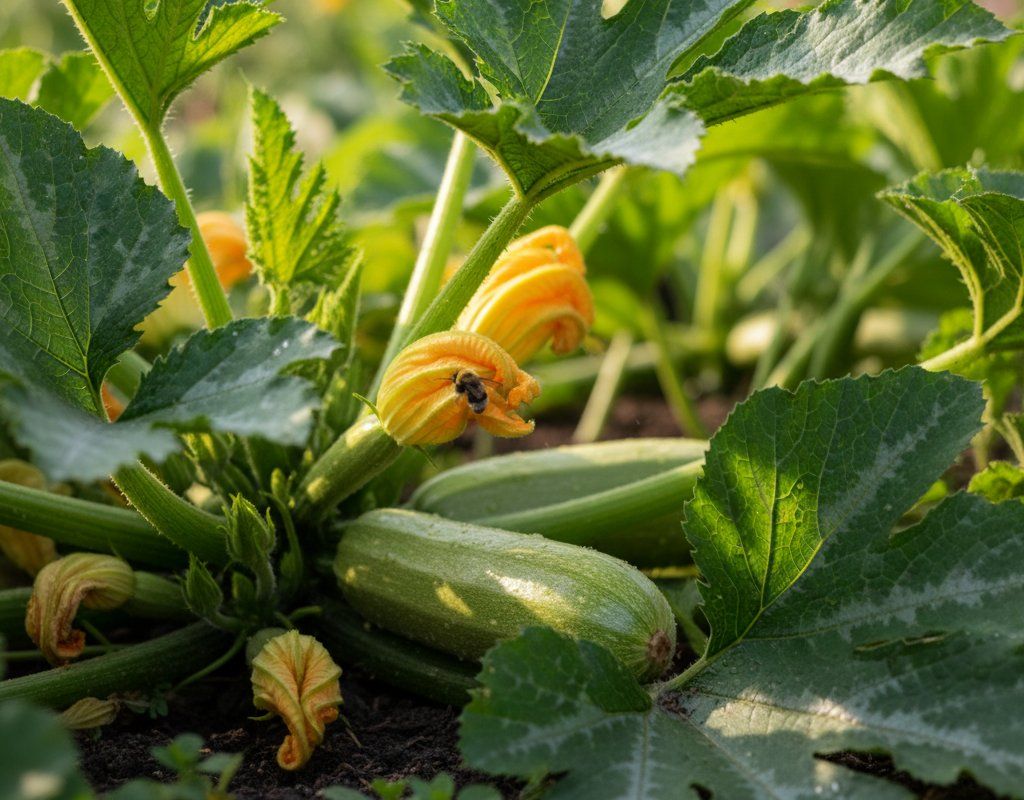
Zucchini in Zone 4B — Great Plains
Cucurbita pepo · Your Complete 2026 Planting Guide
Planning Ahead — Great!
You’re ahead of the season. Here’s when to start.
Mark Your Calendar
How to Plant Zucchini in Zone 4B — Great Plains
Here are all your options for getting zucchini in the ground, from the easiest method to more advanced approaches.
Direct Sow Seeds
RecommendedMid May through late July
around May 12
Consider succession planting every 2-3 weeks for continuous harvest.
Zucchini grows so fast that direct sowing is usually easiest.
Buy Starts
Works WellMid May through late June
around May 19
Plant purchased starts after last frost (May 5).
Start Seeds Indoors
Works WellLate April through mid May
around April 28
Then transplant: Mid May through late June
Start seeds 3-5 weeks before transplanting outdoors.
Only start indoors if you want earlier harvest. Don't start too early.
Transplant Outdoors
Timing InfoMid May through late June
around May 19
Wait until nighttime temperatures stay above 50°F.
You have a nice window — no need to rush.
Overview
Zucchini thrives in our Great Plains summers, turning our intense sunshine and fertile prairie soil into abundant harvests that keep coming all season long. You'll get more zucchini than you can use from just two plants, making this the perfect crop for our short but productive growing season — and the mild summer nights here help the plants recover from those 93°F days.
Our 149-day growing season gives zucchini plenty of time to produce, though you'll need to plan around our variable spring weather and potential late-season frosts. The key is timing your planting for after the soil warms up and our notorious temperature swings settle down — usually by mid-May in most Plains locations.
Starting Seeds Indoors
Starting zucchini seeds indoors makes sense if you want to push for an earlier harvest, though it's not necessary with our reasonably long season. Start seeds late April through mid-May, about 3 weeks before your planned transplant date.
Use biodegradable pots since zucchini roots don't like transplant disturbance. Keep seed trays warm (75-85°F) and use bottom watering to prevent fungal issues. Once seedlings emerge, they need bright light — either a sunny south window or grow lights.
Don't start too early just because you're eager. Zucchini grows so fast that indoor-started plants often get caught by late spring temperature swings, and our variable Plains weather can keep you from transplanting on schedule.
Transplanting Outdoors
Transplant your indoor-started zucchini from mid-May through late June, but only after soil temperatures reach 60°F and nighttime lows stay consistently above 50°F. Our Plains springs can fool you with warm spells followed by sudden cold snaps.
Harden off seedlings gradually over a week, starting with just 2-3 hours outdoors in a protected spot. Increase exposure time daily, but bring them in if wind picks up or temperatures drop unexpectedly. Wind protection is essential during this transition period.
Space transplants 36-48 inches apart to allow for good air circulation — this helps prevent powdery mildew in our moderate humidity. Plant in the warmest, most wind-protected spot you have, and consider temporary row covers for the first week if temperatures remain variable.
Direct Sowing
Direct sowing is your best bet for zucchini in the Plains — the plants establish better and grow faster than transplants. Sow seeds from mid-May through late July once soil temperature reaches 60°F consistently.
Work compost into your prairie soil and create small hills or raised areas for better drainage and soil warming. Plant 2-3 seeds per spot, spacing hills 36-48 inches apart. Plant seeds 1 inch deep in our clay soils, slightly deeper in sandy areas.
The beauty of zucchini is how quickly it grows once established. Seeds planted in late May will catch up to transplants within weeks, and you can succession plant every 2-3 weeks through July for continuous harvests until frost.
Watering Zucchini in Zone 4B (Great Plains)
Zucchini needs consistent, deep watering in our Plains climate — about 1-1.5 inches per week including rainfall. With our variable precipitation patterns, you'll likely need to supplement most weeks during summer.
Water deeply at the base of plants rather than overhead. Our low-to-moderate humidity means less disease pressure than humid regions, but wet leaves still invite powdery mildew. Use the finger test: if soil feels dry 2 inches down, it's time to water.
During our hot summer peaks, zucchini may need water every 2-3 days. The large leaves lose moisture quickly in wind and heat, and drought stress leads to blossom end rot on the fruit. Morning watering works best — plants can absorb moisture before the heat peaks.
Mulch heavily around plants to conserve soil moisture and moderate temperature swings. In our windy conditions, use heavier mulches like chopped straw or grass clippings rather than lightweight materials that blow away. Watch for signs of stress: wilting during the day (normal) that doesn't recover by evening (problem).
🧪Fertilizing Zucchini
Feeding Schedule
Organic Fertilizer Options
Harvest Time
Expect your first zucchini by early July if direct-sown in mid-May, continuing through early October until frost ends the party. The 50-day maturity window fits perfectly within our 149-day growing season.
Harvest zucchini when they're 6-8 inches long for the best texture and flavor. Check plants daily once production starts — these things grow incredibly fast in our intense Plains sunshine. A 4-inch zucchini in the morning can be 10 inches by evening.
Use a sharp knife to cut the stem rather than twisting or pulling, which can damage the plant. Regular harvesting keeps plants producing, while leaving oversized fruit on the vine signals the plant to stop making new ones. Those baseball bat-sized zucchini are only good for zucchini bread anyway.
As early October approaches and nights start getting frosty, harvest everything green. Unlike tomatoes, zucchini won't ripen off the vine, so use them in soups, bread, or freeze for winter meals.
Common Problems in Zone 4B (Great Plains)
Squash Vine Borers Watch for sudden wilting of entire vines or sections, often with sawdust-like frass around the base of stems. These fat white grubs tunnel through stems, cutting off water flow. In our region, the adult moths typically emerge in late June through July. Wrap the base of stems with aluminum foil to prevent egg-laying, or plant later in the season after the moth flight period. If you catch it early, you can slit the stem and remove the grub manually.
Powdery Mildew White, powdery coating on leaves that eventually kills them. Our warm days and cooler nights create perfect conditions, even with our lower humidity. The good news is our windy conditions help if you space plants properly. Remove affected leaves immediately and improve air circulation. A simple milk spray (1 part milk to 9 parts water) works surprisingly well as prevention.
Blossom End Rot Dark, sunken spots on the bottom of fruit, usually the first ones of the season. This isn't a disease — it's a calcium uptake problem caused by inconsistent watering. In our climate of extreme temperature swings and variable rainfall, maintaining even soil moisture is crucial. Mulch heavily and water consistently rather than letting plants dry out between waterings.
Great Plains Specific Challenges: Our hot summer days and variable precipitation make consistent watering the biggest challenge. Wind can increase water loss, while our intense sunshine speeds up both plant growth and moisture evaporation. The good news is our lower humidity reduces fungal disease pressure compared to more humid regions.
Best Companions for Zucchini
Plant these nearby for healthier Zucchini and better harvests.


Keep Away From
Companion Planting Details
Corn makes an excellent companion for zucchini, providing natural wind protection while the zucchini's large leaves shade the soil and reduce corn borer pressure. Beans planted nearby fix nitrogen that benefits the heavy-feeding zucchini, and radishes planted around the hills help break up clay soil while deterring squash bugs.
Mint planted in containers near your zucchini patch helps repel ants and aphids, though keep it contained or it'll take over. Avoid planting potatoes nearby — they compete for nutrients and can harbor similar pests. In our windy Plains conditions, focus on companions that provide wind protection rather than just pest control.
🌸Best Flowers to Plant with Zucchini
These flowers protect your Zucchini from pests and attract pollinators for better harvests.
For Pest Control








Get a Reminder When It's Time to Plant
We'll email you when key planting windows open for your zone.