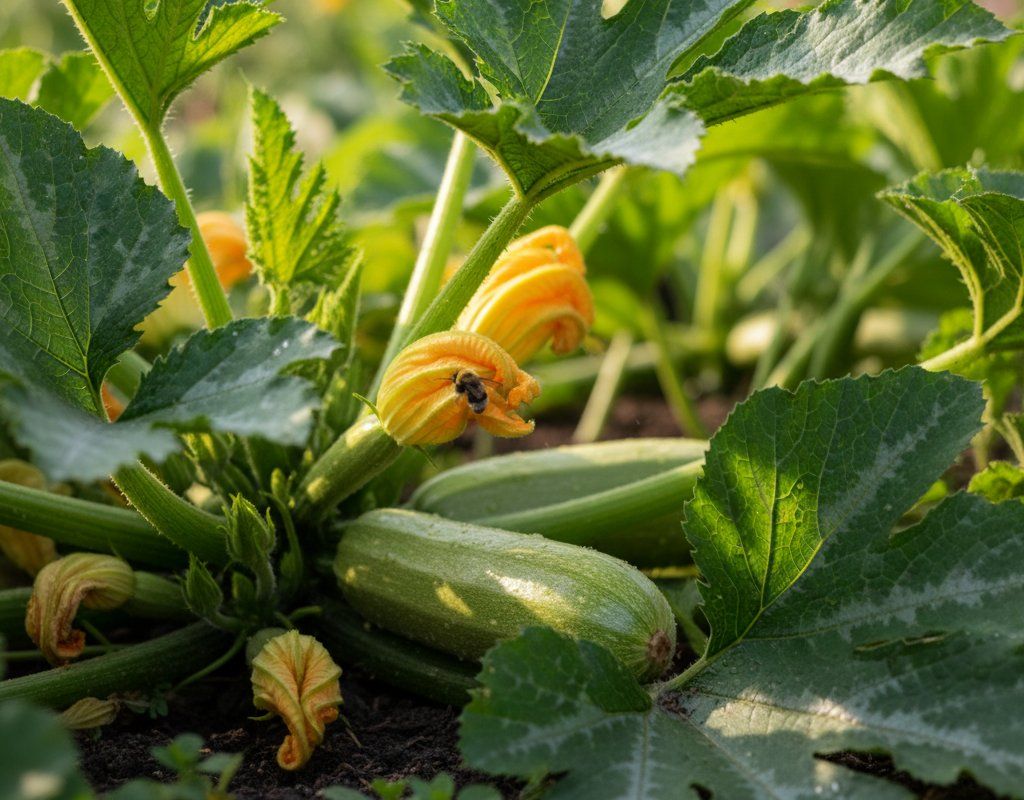
Zucchini in Zone 5B — Mid-Atlantic
Cucurbita pepo · Your Complete 2026 Planting Guide
Planning Ahead — Great!
You’re ahead of the season. Here’s when to start.
Mark Your Calendar
How to Plant Zucchini in Zone 5B — Mid-Atlantic
Here are all your options for getting zucchini in the ground, from the easiest method to more advanced approaches.
Direct Sow Seeds
RecommendedLate April through mid August
around April 27
Consider succession planting every 2-3 weeks for continuous harvest.
Zucchini grows so fast that direct sowing is usually easiest.
Buy Starts
Works WellEarly May through mid June
around May 4
Plant purchased starts after last frost (April 20).
Start Seeds Indoors
Works WellEarly to late April
around April 13
Then transplant: Early May through mid June
Start seeds 3-5 weeks before transplanting outdoors.
Only start indoors if you want earlier harvest. Don't start too early.
Transplant Outdoors
Timing InfoEarly May through mid June
around May 4
Wait until nighttime temperatures stay above 50°F.
You have a nice window — no need to rush.
Overview
Zucchini thrives in our Mid-Atlantic climate, delivering impressive harvests from our reliable summer heat and consistent rainfall. You'll get tender, flavorful squash that puts grocery store versions to shame, plus the satisfaction of watching these productive plants fill your garden beds through our long growing season. The humid summers that challenge some crops actually work in zucchini's favor, providing the moisture these thirsty plants crave.
Our variable spring weather and occasional late frost might seem challenging, but zucchini's fast growth and heat-loving nature make timing straightforward. With our 178-day growing season, you have plenty of flexibility to plant when conditions are right and still enjoy months of continuous harvest before our first frost arrives in mid-October.
Starting Seeds Indoors
Starting zucchini indoors in early to late April makes sense if you want the earliest possible harvest, but it's not essential given how quickly these plants grow. Start seeds about three weeks before your planned transplant date, using seed trays filled with quality potting mix. Keep them warm (70-80°F) and provide strong light once they germinate.
Bottom watering works best for zucchini seedlings since it prevents damping-off and keeps the large seed leaves from getting waterlogged. Our moderate spring weather means you won't need to rush the process like gardeners in shorter-season zones.
The main caution here is timing - don't start too early. Zucchini grows so fast that seedlings started in early March will become root-bound and stressed before it's safe to plant them outside. Stick to that early to late April window for best results.
Transplanting Outdoors
Transplant your indoor-started zucchini from early May through mid-June, once nighttime temperatures consistently stay above 50°F. These plants are completely tender, so even a light frost will kill them. Our Mid-Atlantic springs can throw temperature swings your way, so watch the forecast carefully before committing to an early May planting.
Harden off seedlings gradually over a full week, starting with just an hour or two of morning sun and building up to full days outdoors. Space transplants 36-48 inches apart - these bush varieties spread wider than you'd expect and need good air circulation in our humid summers.
Plant on a calm, overcast day if possible, and water deeply after transplanting. The combination of spring wind and our clay soil can stress young transplants, so some temporary shade cloth helps them establish during their first week outdoors.
Direct Sowing
Direct sowing from late April through mid-August is the easiest and most reliable way to grow zucchini in our region. Wait until soil temperature reaches 60°F - you can test this with a soil thermometer or simply wait until nighttime air temperatures stay consistently above 50°F. Our clay soil warms slowly in spring, so resist the urge to plant too early.
Prepare planting areas by working compost into the soil to improve drainage - zucchini needs consistent moisture but hates waterlogged roots. Plant seeds 1 inch deep and space them 36-48 inches apart. In our humid climate, this wide spacing is crucial for preventing disease problems later in the season.
The beauty of direct sowing is how fast zucchini grows once soil warms up. Seeds planted in late May often catch up to transplants started weeks earlier indoors. For continuous harvest, make successive sowings every 2-3 weeks through mid-July, giving you fresh plants as older ones tire out in late summer.
Watering Zucchini in Zone 5B (Mid-Atlantic)
Zucchini needs deep, consistent watering throughout our humid Mid-Atlantic growing season - about 1-1.5 inches per week including rainfall. While our region typically receives 40-50 inches annually, summer distribution can be uneven, with periods of heavy rain followed by dry spells that stress these water-hungry plants.
Check soil moisture by sticking your finger 2 inches deep near the plant base. If it's dry at that depth, it's time to water deeply. Our moderate-to-hot summers with highs around 88°F combined with high humidity mean plants lose moisture steadily, even when temperatures aren't extreme.
Always water at the base of plants rather than overhead. Zucchini's large leaves hold moisture in our humid air, creating perfect conditions for powdery mildew when water sits on foliage. Soaker hoses or drip irrigation work beautifully, delivering moisture directly to the root zone while keeping leaves dry.
Apply a 3-4 inch layer of organic mulch around plants to maintain even soil moisture and prevent the wet-dry cycles that cause blossom end rot. In our clay soil, consistent watering is especially important since these soils either hold too much water or become concrete-hard when dry.
🧪Fertilizing Zucchini
Feeding Schedule
Organic Fertilizer Options
Harvest Time
Expect your first zucchini harvest from mid-June through mid-October, about 50 days after planting. In our Mid-Atlantic climate, this timing gives you months of continuous production if you keep plants healthy and well-watered through the humid summer months.
Harvest zucchini when they're 6-8 inches long for the best texture and flavor. Check plants daily once production begins - these fruits can double in size overnight during peak summer growing conditions. Cut the stem with a sharp knife rather than twisting, which can damage the plant and reduce future production.
Keep harvesting regularly to encourage continued production. Even one oversized zucchini left on the plant signals it to stop producing new fruit and start setting seed. The tender skin should give slightly to fingernail pressure, and the fruit should feel heavy for its size.
As our first frost approaches in mid-October, harvest all remaining fruit regardless of size. Green zucchini won't ripen off the vine, but you can use small ones in stir-fries and large ones for zucchini bread. Consider succession planting through mid-July to have young, productive plants carrying you through the shoulder seasons.
Common Problems in Zone 5B (Mid-Atlantic)
Squash Vine Borers These are your biggest threat in the Mid-Atlantic. You'll notice sudden wilting of entire vines or sections, often with sawdust-like frass around the base of stems. The culprit is a fat white grub tunneling inside the stem, cutting off water flow. Our warm, humid summers create perfect breeding conditions for the clearwing moths that lay eggs at stem bases. Wrap the bottom 6 inches of stems with aluminum foil or use row covers during peak egg-laying in June and July. If you catch an infestation early, you can slice the stem open lengthwise, remove the borer, and mound soil over the wounded area to encourage new roots.
Powdery Mildew This fungal disease appears as white, powdery coating on leaves and stems, thriving in our combination of warm days, cooler nights, and moderate humidity. Ironically, it prefers dry leaf surfaces, unlike most fungal problems. Poor air circulation makes it worse, which is why proper spacing is crucial in our humid climate. Remove affected leaves immediately and improve airflow around plants. Spray with neem oil or try the surprisingly effective milk solution (1 part milk to 9 parts water) applied weekly. Plant resistant varieties if this becomes a recurring problem.
Blossom End Rot You'll see dark, sunken spots on the bottom of fruits, usually affecting the first zucchini of the season. This isn't a disease but a calcium deficiency caused by inconsistent watering - exactly what happens in our clay soil during dry spells followed by heavy rain. The single most effective fix is consistent, deep watering. Mulch heavily to buffer moisture fluctuations, and avoid over-fertilizing with nitrogen, which interferes with calcium uptake.
Our Mid-Atlantic climate creates unique challenges with the combination of humid air, variable rainfall, and clay soil that either holds too much water or dries concrete-hard. These conditions favor fungal diseases while making consistent watering tricky, but proper spacing, mulching, and regular monitoring will keep most problems manageable.
Best Companions for Zucchini
Plant these nearby for healthier Zucchini and better harvests.


Keep Away From
Companion Planting Details
Plant zucchini with corn and beans to create a productive three-sisters combination that works beautifully in our humid climate. The corn provides natural trellising for beans while creating beneficial shade patterns, and beans fix nitrogen that heavy-feeding zucchini appreciates. Radishes planted around the base help break up clay soil and deter squash bugs with their peppery compounds.
Mint makes an excellent companion for deterring ants and aphids, though contain it in pots to prevent it from taking over your garden beds. Avoid planting potatoes nearby - they compete for similar nutrients and can harbor Colorado potato beetles that sometimes migrate to squash family plants, plus both crops need significant space in our clay soil conditions.
🌸Best Flowers to Plant with Zucchini
These flowers protect your Zucchini from pests and attract pollinators for better harvests.
For Pest Control








Get a Reminder When It's Time to Plant
We'll email you when key planting windows open for your zone.