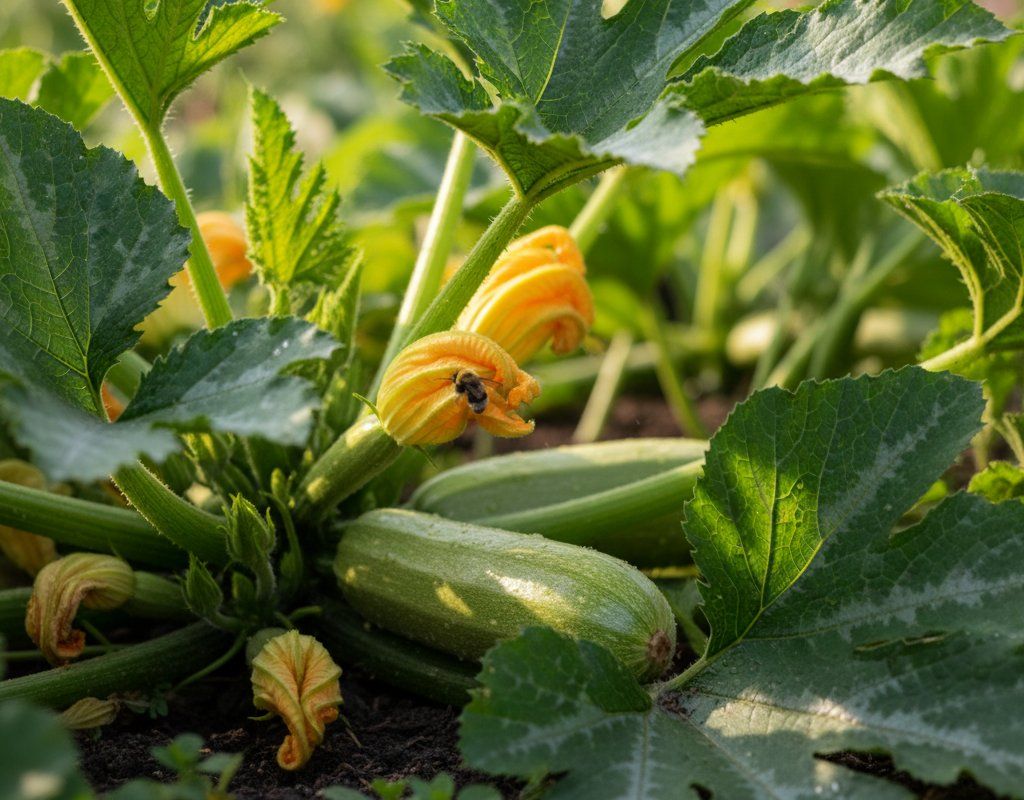
Zucchini in Zone 6B — Mountain West
Cucurbita pepo · Your Complete 2026 Planting Guide
Planning Ahead — Great!
You’re ahead of the season. Here’s when to start.
Mark Your Calendar
How to Plant Zucchini in Zone 6B — Mountain West
Here are all your options for getting zucchini in the ground, from the easiest method to more advanced approaches.
Direct Sow Seeds
RecommendedEarly May through early August
around May 2
Consider succession planting every 2-3 weeks for continuous harvest.
Zucchini grows so fast that direct sowing is usually easiest.
Buy Starts
Works WellEarly May through mid June
around May 9
Plant purchased starts after last frost (April 25).
Start Seeds Indoors
Works WellMid April through early May
around April 18
Then transplant: Early May through mid June
Start seeds 3-5 weeks before transplanting outdoors.
Only start indoors if you want earlier harvest. Don't start too early.
Transplant Outdoors
Timing InfoEarly May through mid June
around May 9
Wait until nighttime temperatures stay above 50°F.
You have a nice window — no need to rush.
Overview
Zucchini thrives in our Mountain West gardens, giving you abundant harvests from just one or two plants throughout our brief but intense growing season. The combination of our intense high-altitude sunlight and cool nights creates perfect conditions for developing that crisp texture and concentrated flavor that makes homegrown zucchini so superior to anything you'll find in stores. You'll be amazed how productive these plants become once they hit their stride in our 85°F summer days.
Our short 163-day growing season and late spring frosts might seem challenging for this warm-season crop, but zucchini's fast 50-day maturity works perfectly with our timeline. The key is timing your planting after our soil warms in early May, then letting our intense mountain sun do the work while you keep up with consistent watering in our dry climate.
Starting Seeds Indoors
Starting zucchini seeds indoors makes sense if you want to push for an earlier harvest or if you're dealing with a particularly short season at higher elevations. Start seeds mid-April through early May, about 3 weeks before your planned transplant date. Our late mountain springs mean there's no rush—starting too early just creates leggy seedlings that struggle outdoors.
Use individual pots since zucchini roots don't like disturbance, and keep them warm (70-75°F) for best germination. Bottom watering works well to prevent damping off, which can be an issue with zucchini's large cotyledons in cool, damp conditions.
Most Mountain gardeners skip indoor starting entirely since zucchini grows so fast from direct-sown seeds. You'll only gain 2-3 weeks of harvest time, and direct-sown plants often outperform transplants once they get established.
Transplanting Outdoors
If you've started seeds indoors, transplant them outdoors from early May through mid-June, after soil temperatures consistently stay above 60°F. Our mountain weather can still surprise you with cold snaps through mid-May, so watch nighttime temperatures and be ready with row covers if needed.
Harden off seedlings gradually over a full week, starting with just an hour of morning sun and building up to full outdoor exposure. Our intense UV and dry air can shock tender transplants, so this step is crucial in our high-altitude conditions.
Space plants 36-48 inches apart to allow for good air circulation—this helps prevent powdery mildew issues that can develop with our cool nights and warm days. Plant at the same depth they were growing in containers, and water thoroughly to help them establish in our often-dry spring soil.
Direct Sowing
Direct sowing is the preferred method for zucchini in our Mountain gardens since these plants establish quickly and don't suffer transplant shock. Sow seeds from early May through early August, once soil temperatures reach at least 60°F consistently. For succession plantings, you can continue sowing through midsummer for harvests right up to our early October frosts.
Prepare your soil by working in plenty of compost—zucchini are heavy feeders and our alkaline mountain soils benefit from organic matter. Plant seeds 1 inch deep and space them 36-48 inches apart, or plant 2-3 seeds per hill and thin to the strongest seedling. In our intense sun and low humidity, the soil surface can crust over, so keep it lightly moist until germination.
Seeds typically germinate within 7-10 days in warm soil, and you'll see rapid growth once they get started. The beauty of direct sowing in our climate is that plants develop strong root systems right from the start, making them more resilient to our temperature swings and dry conditions.
Watering Zucchini in Zone 6B (Mountain West)
Zucchini plants have high water needs, and in our dry Mountain climate with only 10-20 inches of annual rainfall, consistent irrigation becomes your most important task. These large-leafed plants can lose moisture quickly in our low humidity and intense UV, so plan on providing about 1.5-2 inches of water per week during peak growing season.
Water deeply at the base of plants rather than overhead—our low humidity might seem like it would prevent disease issues, but overhead watering on those big leaves can still promote powdery mildew, especially with our cool nights. Use the finger test by checking soil moisture 2 inches down; it should feel like a wrung-out sponge. During our hottest stretches in July and August, you might need to water every other day.
Watch for signs of water stress: leaves wilting during afternoon heat (normal) versus staying wilted into evening (needs water), or blossom end rot on developing fruit (inconsistent watering). Mulch heavily around plants with straw or grass clippings to conserve moisture and keep soil temperatures stable—this is especially important in our intense sun.
Set up a consistent watering schedule rather than waiting for plants to show stress. In our arid climate, once zucchini plants go into drought stress, they often drop blossoms and young fruit, setting back your harvest by weeks.
🧪Fertilizing Zucchini
Feeding Schedule
Organic Fertilizer Options
Harvest Time
You can expect your first zucchini harvest from late June through early October, depending on when you planted and which method you used. With our 50-day growing season, direct-sown seeds planted in early May will start producing by late June, while later plantings extend your harvest well into fall until our first frost arrives.
Harvest zucchini when they're 6-8 inches long and about 2 inches in diameter for the best texture and flavor. Check your plants daily once they start producing—zucchini can literally grow overnight in our intense mountain sun, and oversized fruit becomes spongy and seedy. Cut the stem with a sharp knife rather than pulling, which can damage the plant and reduce future production.
Keep harvesting regularly to encourage continued production throughout our growing season. Even if you can't use all the zucchini immediately, removing mature fruit signals the plant to keep flowering and setting new fruit. Our cool nights help maintain good fruit quality right through summer, unlike hotter climates where heat stress affects taste and texture.
As early October approaches and first frost threatens, harvest all remaining fruit regardless of size. Green zucchini won't ripen off the vine, but you can use larger ones for baking or preserve smaller ones for winter storage.
Common Problems in Zone 6B (Mountain West)
Squash Vine Borers These show up as sudden wilting of entire vines or sections, often with sawdust-like debris (called frass) at the base of stems. If you slit open affected stems, you'll find fat white grubs tunneling through the plant's vascular system. In our Mountain region, the adult moths typically emerge in late June through July, laying eggs at stem bases when soil temperatures warm up.
Prevent borers by wrapping the base of stems with aluminum foil or floating row covers during egg-laying season. Our higher altitude can actually work in your favor—the moth's life cycle may be delayed or disrupted compared to lower elevations. If you catch an infestation early, you can inject Bt (Bacillus thuringiensis) directly into stems or carefully slit stems and remove grubs by hand.
Powdery Mildew This fungal disease appears as white or grayish powdery coating on leaves, eventually causing them to yellow and die. Our Mountain climate of warm days and cool nights creates ideal conditions for powdery mildew, and surprisingly, our low humidity actually favors this particular fungus since it doesn't need wet leaf surfaces like most plant diseases.
Combat powdery mildew by spacing plants properly for air circulation and removing affected leaves promptly. Spray with neem oil or potassium bicarbonate solutions, or try the surprisingly effective milk spray (1 part milk to 9 parts water). Our intense UV can help suppress some fungal growth, so ensure plants get full sun exposure.
Blossom End Rot This appears as sunken, dark brown or black leathery patches on the bottom of developing fruit. It's not a disease but a calcium deficiency caused by inconsistent watering—exactly the challenge many Mountain gardeners face with our dry climate and tendency toward irregular irrigation schedules.
The fix is simple: consistent watering. Our low rainfall means you need to stay on top of irrigation throughout the growing season. Mulch heavily to maintain even soil moisture, and avoid over-fertilizing with nitrogen, which can interfere with calcium uptake. Remove affected fruit so the plant can focus energy on healthy development.
Mountain West Specific Challenges: Our combination of intense UV, low humidity, and dry conditions means zucchini plants face more water stress than in humid climates, making consistent irrigation absolutely critical. However, our cool nights and lower disease pressure from dry air give us advantages that many gardeners in humid regions would envy.
Best Companions for Zucchini
Plant these nearby for healthier Zucchini and better harvests.


Keep Away From
Companion Planting Details
Zucchini pairs well with corn and beans in a modified Three Sisters approach that works beautifully in our Mountain gardens. The corn provides some wind protection (helpful during our afternoon thunderstorms), while beans fix nitrogen that feeds the heavy-feeding zucchini. Plant radishes around the edges—they mature quickly in our cool spring soil and help break up compacted ground with their taproots, plus they can deter some pests.
Avoid planting potatoes near zucchini since both crops are susceptible to similar soilborne diseases, and potatoes can compete heavily for water—already a precious resource in our dry Mountain climate. Mint planted nearby can help repel some insects, though keep it contained since it spreads aggressively even in our arid conditions.
🌸Best Flowers to Plant with Zucchini
These flowers protect your Zucchini from pests and attract pollinators for better harvests.
For Pest Control







Get a Reminder When It's Time to Plant
We'll email you when key planting windows open for your zone.