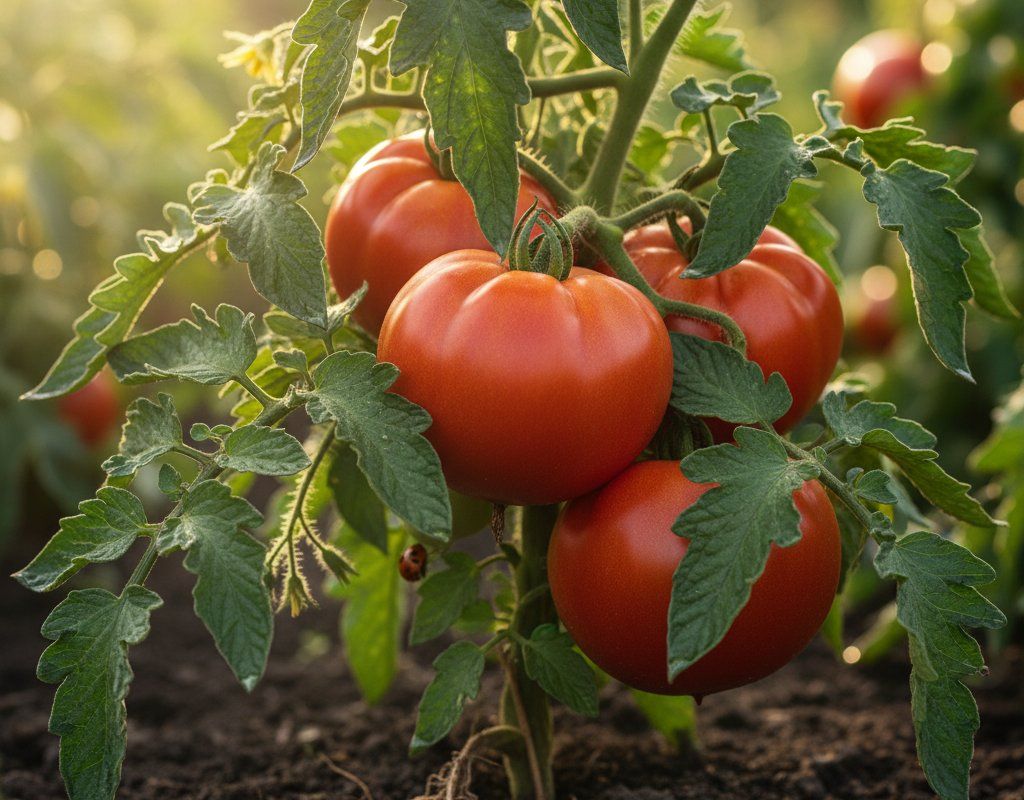
Beefsteak Tomatoes in Zone 6B — Mountain West
Solanum lycopersicum · Your Complete 2026 Planting Guide
Planning Ahead — Great!
You’re ahead of the season. Here’s when to start.
Mark Your Calendar
How to Plant Beefsteak Tomatoes in Zone 6B — Mountain West
Here are all your options for getting beefsteak tomatoes in the ground, from the easiest method to more advanced approaches.
Start Seeds Indoors
RecommendedLate March through mid April
around March 28
Then transplant: Early May through early June
Start seeds 6-8 weeks before transplanting outdoors.
Buy Starts
Works WellEarly May through early June
around May 9
Plant purchased starts after last frost (April 25).
Direct Sow Seeds
ChallengingDirect sowing is not typical for Beefsteak Tomatoes.
Transplant Outdoors
Timing InfoEarly May through early June
around May 9
Wait until nighttime temperatures stay above 50°F.
You have a nice window — no need to rush.
Overview
Beefsteak tomatoes are the crown jewel of Mountain West gardens, producing massive, meaty fruit that can easily weigh a pound or more. In our high altitude environment with intense sun and cool nights, these giants develop exceptional flavor depth and fewer pest issues than gardeners in humid regions face. Nothing beats slicing into a homegrown beefsteak that's actually earned its name.
Our short 163-day growing season and late spring start might seem challenging for these 85-day giants, but smart timing makes it completely manageable. Starting seeds indoors in late March gives you plenty of runway to harvest hefty tomatoes before our early October frost arrives. The key is working with our Mountain climate, not against it.
Starting Seeds Indoors
Start your beefsteak tomato seeds indoors during late March through mid-April, about 6 weeks before you plan to transplant outside. Our late Mountain spring means there's no rushing this process – indoor starting is absolutely essential for success with these large-fruited varieties.
Set up seed trays in a warm spot (70-75°F works well) with good light once seedlings emerge. A sunny south-facing window or grow lights both work fine in our intense high altitude sun conditions. Use the bottom watering method by placing seed trays in shallow water for 10-15 minutes rather than watering from above – this prevents damping-off disease that can plague tomato seedlings.
Your seedlings will be ready for transplanting when night temperatures consistently stay above 50°F and they've developed their second set of true leaves. This timing usually falls in early May through early June, depending on your specific elevation and microclimate.
Transplanting Outdoors
Plan to transplant your beefsteak seedlings outdoors during early May through early June, once nighttime temperatures reliably stay above 50°F. These heat-loving plants will sulk or even die if exposed to our Mountain cold snaps too early, so patience pays off here.
Harden off your seedlings gradually over a week by placing them outside for increasingly longer periods each day. Start with 2-3 hours of morning sun and work up to full days outdoors. Our intense UV and temperature swings can shock plants that haven't been properly acclimated.
Space beefsteak plants 36-48 inches apart – these indeterminate giants need room to spread and proper air circulation. The wider spacing also helps in our low humidity environment by reducing competition for the consistent moisture these thirsty plants demand. Plant them slightly deeper than they were in their pots, burying part of the stem to encourage strong root development.
Watering Beefsteak Tomatoes in Zone 6B (Mountain West)
Beefsteak tomatoes are among the thirstiest plants in your Mountain garden, demanding consistent deep watering throughout our dry growing season. With only 10-20 inches of annual rainfall and low humidity, you'll need to supplement heavily – plan on providing 2-3 inches of water per week once fruit begins forming.
Water deeply at soil level rather than overhead sprinklers, especially important in our low humidity climate where every drop counts. Check soil moisture with the finger test: stick your finger 2 inches down near the plant base. If it's dry at that depth, it's time to water. Our alkaline soil and intense sun can create crusty surfaces that shed water, so water slowly to ensure deep penetration.
Watch for early warning signs of water stress: slight wilting during the hottest part of the day, slower growth, or small fruit that doesn't size up properly. Inconsistent watering leads to cracking and catfacing issues that plague large tomatoes. Conversely, yellowing lower leaves often signal overwatering, though this is less common in our dry climate.
Apply a 3-4 inch layer of organic mulch around plants to conserve precious moisture and moderate soil temperature swings. Grass clippings, straw, or shredded leaves work well in our Mountain conditions, breaking down slowly in our dry air while keeping soil consistently moist.
Supporting Your Beefsteak Tomatoes
Install sturdy support systems at planting time – beefsteak tomatoes produce heavy fruit that will snap branches without proper reinforcement. Choose extra-large tomato cages (at least 6 feet tall) or thick wooden stakes with multiple tie points, as these indeterminate plants can easily reach 6-8 feet in our intense Mountain sun.
Heavy-duty cages work best for most home gardeners since they provide support from multiple angles as plants grow. If you prefer staking, use 2x2 inch posts driven 18 inches deep and tie branches with soft cloth strips every 12-18 inches as plants grow. Avoid wire ties that can cut into stems as fruit weight increases.
Start training plants early by gently weaving main stems through cage openings or tying to stakes. Once fruit begins forming, check weekly for branches that need additional support – a single beefsteak tomato can weigh over a pound and will snap even healthy branches without warning.
Pruning & Maintaining Beefsteak Tomatoes
Remove suckers (shoots growing between main stem and branches) regularly throughout the growing season to focus plant energy on developing fewer, larger fruit. In our short Mountain growing season, this energy direction becomes even more critical for achieving those impressive beefsteak sizes before frost arrives.
Prune away lower leaves that touch the ground to improve air circulation and reduce disease risk, though disease pressure stays relatively low in our dry climate. As fruit begins forming, remove leaves directly below developing clusters to direct more energy into fruit development rather than foliage.
Starting in mid-August, begin end-of-season pruning to help existing fruit ripen before our early October frost. Remove any new flower clusters that appear after this point, as they won't have time to develop into mature fruit. This aggressive late-season pruning pushes the plant's remaining energy into sizing up and ripening existing tomatoes.
🧪Fertilizing Beefsteak Tomatoes
Feeding Schedule
Organic Fertilizer Options
Harvest Time
Expect your first beefsteak harvest during early August through mid-September, typically 85 days after transplanting. In our Mountain climate with cool nights, fruit may take slightly longer to reach full color than stated on seed packets, but the wait produces incredibly flavorful tomatoes with perfect texture.
Harvest when tomatoes show deep, rich color and give slightly when cupped gently in your palm. Don't wait for completely soft fruit – beefsteaks continue ripening off the vine and taste better when picked at the "mature green to pink" stage. The shoulders around the stem should feel firm but not rock-hard.
Twist and pull gently, or use clean pruners to avoid damaging the vine. Handle these large fruits carefully – their size makes them prone to bruising and cracking. Harvest regularly to encourage continued production, checking plants every 2-3 days during peak season.
As first frost approaches in early October, harvest all remaining fruit regardless of color. Green tomatoes will ripen indoors over several weeks when stored in a cool, dark place. Wrap individual green fruits in newspaper or place them in paper bags to speed ripening, checking weekly and removing any that show signs of rot.
Common Problems in Zone 6B (Mountain West)
Cracking appears as splits in the tomato skin, either as concentric circles around the stem end or radial lines extending downward. In our dry Mountain climate, this typically happens when heavy watering or sudden rainfall follows a dry period, causing fruit to absorb water faster than the skin can expand. Water consistently throughout the season rather than letting plants dry out between heavy waterings. Our low humidity makes this especially critical – maintain steady soil moisture with deep, regular watering and thick mulch.
Catfacing creates deep crevices, scars, and lumpy deformities on the blossom end of tomatoes, making them look severely misshapen. Cool nighttime temperatures during flowering cause incomplete pollination, and beefsteak varieties are particularly susceptible. Protect early plantings with row covers or wait until nighttime temperatures consistently stay above 55°F before transplanting. The fruit remains perfectly edible despite its appearance.
Blossom end rot shows as sunken, dark brown or black leathery patches on the bottom of fruit, often affecting the season's first tomatoes. This isn't a disease but a calcium deficiency caused by inconsistent watering – common in our alkaline soils where calcium is present but plants can't access it during drought stress. Maintain consistent soil moisture through regular deep watering and heavy mulching. This single fix solves most blossom end rot issues.
Slow ripening leaves you with large green tomatoes that seem stuck in development as temperatures cool. Our short season and cool nights (often dropping into the 40s even in summer) naturally slow ripening in large-fruited varieties. Reduce nitrogen fertilizer after midsummer and ensure plants receive full sun exposure. Red plastic mulch can help warm soil, and removing excess foliage allows more sun to reach developing fruit.
Mountain West Specific Challenges: Our high altitude environment with intense UV, low humidity, and cool nights creates unique growing conditions. While disease pressure stays low and flavor development excels, the combination of dry air and temperature extremes makes consistent watering absolutely critical for beefsteak success.
Best Companions for Beefsteak Tomatoes
Plant these nearby for healthier Beefsteak Tomatoes and better harvests.
View Full Companion Planting Chart →



Companion Planting Details
Plant basil alongside your beefsteak tomatoes – it naturally repels aphids and hornworms while supposedly improving tomato flavor, though the pest control benefit matters more in practical terms. Carrots make excellent ground-level companions since their deep roots don't compete with tomato surface feeders, and parsley attracts beneficial insects that prey on tomato pests. Marigolds planted nearby help deter nematodes in the soil, though this benefit is less critical in our Mountain soils than in warmer regions.
Avoid planting brassicas (cabbage family) near tomatoes as they compete heavily for nutrients and can stunt tomato growth. Fennel inhibits tomato growth through natural chemical compounds, while corn attracts the same hornworms that devastate tomato plants. In our short Mountain growing season, you can't afford to waste space or energy on plants that work against each other.
🌸Best Flowers to Plant with Beefsteak Tomatoes
These flowers protect your Beefsteak Tomatoes from pests and attract pollinators for better harvests.


Get a Reminder When It's Time to Plant
We'll email you when key planting windows open for your zone.