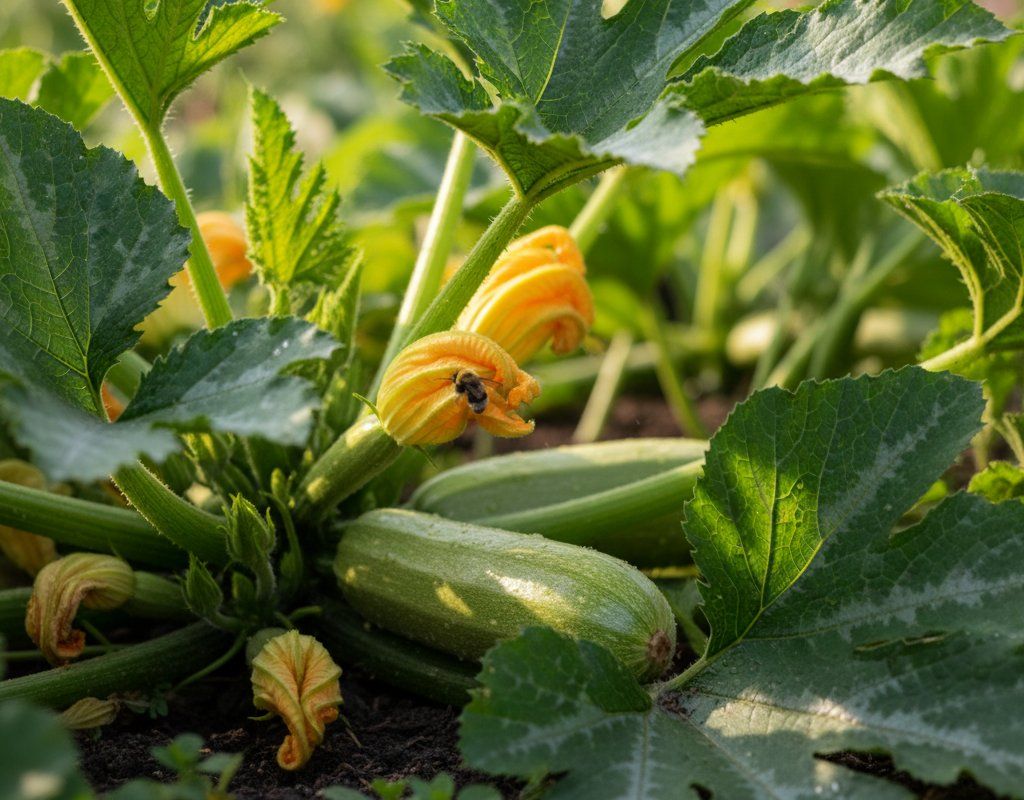
Zucchini in Zone 6B — Pacific Northwest
Cucurbita pepo · Your Complete 2026 Planting Guide
Planning Ahead — Great!
You’re ahead of the season. Here’s when to start.
Mark Your Calendar
How to Plant Zucchini in Zone 6B — Pacific Northwest
Here are all your options for getting zucchini in the ground, from the easiest method to more advanced approaches.
Direct Sow Seeds
RecommendedEarly May through early August
around May 8
Consider succession planting every 2-3 weeks for continuous harvest.
Zucchini grows so fast that direct sowing is usually easiest.
Buy Starts
Works WellMid May through late June
around May 15
Plant purchased starts after last frost (May 1).
Start Seeds Indoors
Works WellMid April through early May
around April 24
Then transplant: Mid May through late June
Start seeds 3-5 weeks before transplanting outdoors.
Only start indoors if you want earlier harvest. Don't start too early.
Transplant Outdoors
Timing InfoMid May through late June
around May 15
Wait until nighttime temperatures stay above 50°F.
You have a nice window — no need to rush.
Overview
Zucchini thrives in our mild Pacific Northwest summers, producing abundant harvests from midsummer through fall. Our cool nights actually improve the texture and flavor, while the steady heat without scorching temperatures keeps plants productive well into October. With our 162-day growing season, you'll have plenty of time for multiple successions and continuous harvests.
While zucchini is a warm-season crop that needs protection from our cool, wet springs, the timing works perfectly if you wait for consistently warm soil. Our dry summer months mean less disease pressure once plants are established, and the mild heat reduces stress that can cause problems in hotter climates.
Starting Seeds Indoors
Starting zucchini indoors makes sense if you want to push the season earlier, but it's not essential given how quickly they grow. You can start seeds from mid-April through early May, about 3 weeks before your planned transplant date. Use seed trays with good drainage and keep them warm—a heat mat helps since our spring days can be overcast and cool.
Bottom water your seedlings to prevent damping off, which can be a problem in our humid spring conditions. Zucchini seedlings grow rapidly and don't transplant well if they become rootbound, so don't start them too early. If you're new to zucchini, direct sowing is often more reliable than dealing with transplant shock.
Transplanting Outdoors
You can transplant zucchini seedlings from mid-May through late June, after soil temperatures consistently reach 60°F and nighttime temperatures stay above 50°F. Our springs can have unexpected cool spells, so hardening off is crucial—gradually expose seedlings to outdoor conditions over a full week.
Space transplants 36-48 inches apart to ensure good air circulation, which is especially important in our humid spring conditions. Plant on a calm, overcast day if possible, and water thoroughly at the base. Consider using row covers or Wall O' Water protectors for the first few weeks if nighttime temperatures are still dropping into the 40s.
Direct Sowing
Direct sowing is the most reliable method for zucchini in the Pacific Northwest. You can sow from early May through early August, giving you flexibility for succession planting. Wait until soil temperature reaches at least 60°F—use a soil thermometer rather than guessing, since our air temperatures can be deceiving on cool spring days.
Prepare planting areas by working in compost and ensuring good drainage. Plant seeds 1 inch deep in groups of 2-3, spacing groups 36-48 inches apart. Our cool spring soil can cause seeds to rot before germinating, so wait for that consistent warmth. Zucchini grows so rapidly once conditions are right that direct-sown plants often outperform transplants.
Once seedlings emerge, thin to the strongest plant in each group. The generous spacing prevents the powdery mildew issues that can plague crowded plantings in our dry summer air.
Watering Zucchini in Zone 6B (Pacific Northwest)
Zucchini needs consistent, deep watering throughout our dry summer months. While we get 36-50 inches of rain annually, most falls between October and May, leaving plants dependent on irrigation from June through September. Check soil moisture by inserting your finger 2 inches deep—if it's dry, it's time to water.
Provide about 1-1.5 inches of water per week, delivered in 2-3 deep soaking sessions rather than daily light watering. Water at the base of plants using soaker hoses or drip irrigation. Our low summer humidity means overhead watering on those large leaves can actually promote powdery mildew, unlike in more humid climates where it might help.
Signs of underwatering include wilting during the heat of the day (even our mild 82°F highs), poor fruit development, and bitter-tasting zucchini. Overwatering shows up as yellowing leaves and soft, rotting fruit. The key is maintaining even moisture without waterlogged soil.
Apply a 2-3 inch layer of straw or grass clipping mulch around plants to conserve moisture and reduce watering frequency. This is especially valuable during our typically dry July and August when municipal water restrictions often kick in.
🧪Fertilizing Zucchini
Feeding Schedule
Organic Fertilizer Options
Harvest Time
You'll get your first zucchini from late June through early July if you planted in early May, with harvests continuing through early October when our first frost typically arrives. Zucchini is ready when fruits reach 6-8 inches long and feel firm—at this size, the skin should be tender enough to pierce with a fingernail, but not soft or spongy.
Check plants daily once production starts, as zucchini can seemingly double in size overnight during warm spells. Harvest by cutting the stem with a sharp knife rather than twisting, which can damage the plant. Regular picking encourages continued production—if you let fruits get oversized, the plant may slow down.
Keep harvesting even if you have more than you can use. Oversized zucchini become spongy and seed-filled, and their presence tells the plant to stop producing. As our first frost approaches in early October, harvest all remaining fruits regardless of size.
Our long, mild fall often extends the harvest season well past what gardeners in harsher climates experience. You'll often get zucchini into October, especially if you provide some frost protection with row covers during those first light frosts.
Common Problems in Zone 6B (Pacific Northwest)
Powdery Mildew White or grayish powdery coating appears on leaves, starting on lower foliage and spreading upward. Leaves curl, yellow, and eventually die back. This is especially common in our climate because powdery mildew thrives in warm days, cool nights, and dry conditions—exactly what we have in summer.
Our dry summer air actually favors powdery mildew development, unlike most fungal diseases that need moisture. Improve air circulation by proper spacing (36-48 inches) and remove affected leaves immediately. Spray with neem oil early morning or evening, or try the surprisingly effective milk spray (1 part milk to 9 parts water) applied weekly.
Squash Vine Borers Sudden wilting of entire vines or sections, often accompanied by sawdust-like frass at the base of stems. If you slit open affected stems, you'll find fat white grubs tunneling through. The larvae of a clearwing moth, these borers are less problematic in our cool springs but can still cause issues.
Wrap the base of stems with aluminum foil or use row covers until plants begin flowering. If you catch borers early, inject Bt (Bacillus thuringiensis) into the stem holes. Plant succession crops every 2-3 weeks so you have backup plants if borers strike your main planting.
Blossom End Rot Dark, sunken, leathery patches appear on the bottom (blossom end) of fruits, often affecting the first zucchini of the season. This isn't a disease but a calcium uptake problem caused by inconsistent watering—particularly relevant given our transition from wet spring to dry summer.
The most effective fix is consistent watering. Our dramatic seasonal change from abundant spring rain to dry summers can shock plants if you don't adjust your watering schedule accordingly. Mulch heavily to maintain even soil moisture, and avoid over-fertilizing with nitrogen, which can interfere with calcium uptake.
Pacific Northwest Specific Challenges: Our cool, wet springs can delay planting and cause damping off in seedlings, while the abrupt transition to dry summer conditions can stress plants if watering isn't adjusted properly. However, our mild summer temperatures and low humidity actually reduce many pest pressures common in hotter climates, making zucchini relatively easy to grow once established.
Best Companions for Zucchini
Plant these nearby for healthier Zucchini and better harvests.


Keep Away From
Companion Planting Details
Corn and zucchini make excellent companions in our climate—the corn provides light shade during our brightest summer days, while zucchini's broad leaves suppress weeds and help retain soil moisture during our dry months. Plant bush beans nearby to fix nitrogen in the soil, benefiting the heavy-feeding zucchini throughout the growing season.
Radishes planted around zucchini help deter squash bugs and cucumber beetles, while mint can repel ants and aphids. However, keep mint contained in pots to prevent it from taking over. Avoid planting potatoes near zucchini, as both are susceptible to similar fungal issues, and potatoes can compete heavily for the consistent moisture zucchini requires during our dry summer months.
🌸Best Flowers to Plant with Zucchini
These flowers protect your Zucchini from pests and attract pollinators for better harvests.
For Pest Control








Get a Reminder When It's Time to Plant
We'll email you when key planting windows open for your zone.