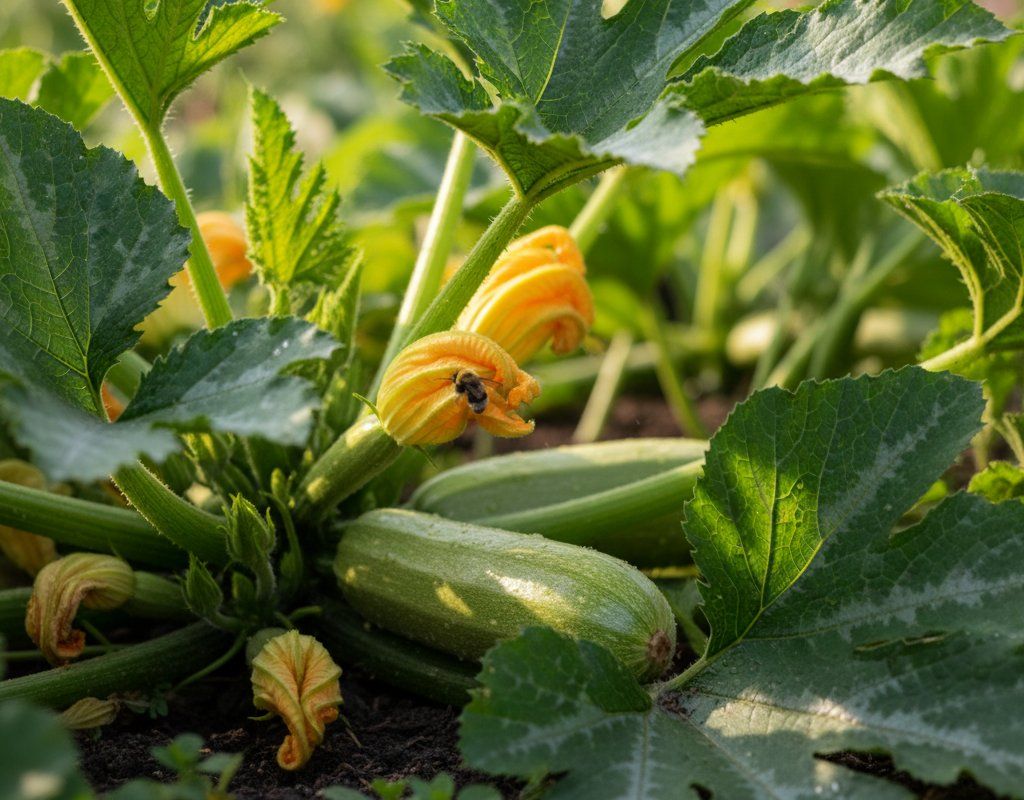
Zucchini in Zone 8B — Southern California
Cucurbita pepo · Your Complete 2026 Planting Guide
Time to Buy Starts!
Seed starting window passed, but starts are available now.
Buy Starts Now
Head to your local nursery, Home Depot, or farmers market for transplants.
- Look for stocky plants with dark green leaves
- Avoid leggy seedlings or plants already flowering
- Check that roots aren't circling the pot (rootbound)
How to Plant Zucchini in Zone 8B — Southern California
Here are all your options for getting zucchini in the ground, from the easiest method to more advanced approaches.
Direct Sow Seeds
RecommendedLate February through early October
around February 22
Consider succession planting every 2-3 weeks for continuous harvest.
Zucchini grows so fast that direct sowing is usually easiest.
Buy Starts
Works WellEarly March through mid April
around March 1
Plant purchased starts after last frost (February 15).
Start Seeds Indoors
Works WellEarly to late February
around February 8
Then transplant: Early March through mid April
Start seeds 3-5 weeks before transplanting outdoors.
Only start indoors if you want earlier harvest. Don't start too early.
Transplant Outdoors
Timing InfoEarly March through mid April
around March 1
Wait until nighttime temperatures stay above 50°F.
You have a nice window — no need to rush.
Overview
Zucchini thrives in our Southern California gardens, delivering tender, flavorful squash that puts grocery store varieties to shame. With our extended warm season and reliable summer heat, you can harvest fresh zucchini from spring through late fall — something gardeners in colder regions can only dream about. The vines produce prolifically in our climate, and there's nothing quite like the satisfaction of harvesting your own tender 6-inch zucchini for that evening's dinner.
Our Mediterranean-style climate does present some challenges — summer heat stress, water restrictions, and powdery mildew during our cooler nights — but smart timing makes zucchini surprisingly manageable. With our 298-day growing season, you have multiple planting windows and can succession plant for continuous harvest well into December when most of the country has long since finished their growing season.
Starting Seeds Indoors
Starting zucchini indoors isn't typically necessary in our mild Southern California climate, but it can give you an earlier harvest if you're eager to get going. Start seeds in early to late February, about three weeks before you plan to transplant outdoors. Our very early spring allows for this extended planning window.
Use seed trays filled with quality seed starting mix, and keep them warm — around 70-80°F for best germination. A heating mat helps during our cooler February nights. Bottom watering works best to keep seeds moist without disturbing them as they germinate.
The main advantage of indoor starting here is getting a jump on the season, but honestly, zucchini grows so fast from direct seeding that you're only gaining about 3-4 weeks. Most SoCal gardeners find direct sowing much easier, especially since our frost-free period starts so early compared to other Zone 8 regions.
Transplanting Outdoors
If you've started zucchini indoors, transplant seedlings outdoors from early March through mid-April once they have 2-3 true leaves. Even though we rarely see damaging frost after mid-February, young transplants still appreciate gradually warming soil temperatures.
Harden off your seedlings for about a week by gradually increasing their outdoor exposure time. Start with 2-3 hours of morning sun, then work up to full days. This prevents transplant shock, which can set plants back several weeks in production.
Space transplants 36-48 inches apart — zucchini plants get surprisingly large and need good air circulation to prevent powdery mildew. Our low-to-moderate humidity helps, but proper spacing is still critical. Watch for late-season Santa Ana winds during transplant time, which can stress newly planted seedlings.
Direct Sowing
Direct sowing is the recommended method for zucchini in Southern California — it's faster, easier, and the plants establish better root systems. You can sow from late February through early October, giving you an incredibly long planting window compared to most regions.
Wait until soil temperature reaches at least 60°F, which usually happens by late February in most SoCal areas. Plant seeds 1 inch deep and space them 36-48 inches apart. The large spacing isn't negotiable — mature plants will easily fill a 4-foot circle, and crowded plants invite powdery mildew problems.
Zucchini germinates quickly in our warm soil, often within 5-7 days in late spring. For succession planting, sow new seeds every 3-4 weeks through summer. This strategy works particularly well here since our extended growing season allows for multiple harvests before the first frost in early December.
Watering Zucchini in Zone 8B (Southern California)
Zucchini has high water needs and isn't drought tolerant, making consistent watering critical in our semi-arid climate. During our hot summers with typical highs around 92°F, mature plants need about 1-2 inches of water per week, delivered through deep, infrequent watering sessions.
Water at the base of the plant rather than overhead — our low-to-moderate humidity means leaves dry relatively quickly, but wet leaves still promote powdery mildew. Use the finger test by sticking your finger 2 inches into the soil; if it's dry at that depth, it's time to water. During peak summer heat, this might mean watering every 2-3 days.
Since most of our annual rainfall (10-20 inches) comes during winter, you'll be doing most watering during the growing season. Install drip irrigation or soaker hoses if possible — they're more water-wise and help you comply with local water restrictions while keeping plants consistently moist.
Apply 3-4 inches of mulch around plants to retain moisture and reduce watering frequency. In our climate, organic mulch like straw or shredded leaves works well, breaking down to improve soil while conserving precious water during our dry summers and Santa Ana wind periods.
🧪Fertilizing Zucchini
Feeding Schedule
Organic Fertilizer Options
Harvest Time
Your first zucchini harvest typically begins from mid-April through early December, depending on when you planted. With our 50-day maturity period and extended growing season, you can enjoy fresh zucchini for most of the year — a luxury that makes SoCal gardening so rewarding.
Harvest zucchini when they're 6-8 inches long and about 1-2 inches in diameter for the best texture and flavor. Check your plants daily once production starts — zucchini grows incredibly fast in our warm climate, and a perfect 6-inch fruit can become a 12-inch baseball bat overnight. Use a sharp knife to cut the stem rather than twisting, which can damage the plant.
Keep harvesting regularly to maintain production. The plant will stop producing new fruit if mature zucchini are left on the vine, so stay vigilant during peak season. During our hot summers, you might find yourself harvesting every other day to keep up with production.
As our first frost approaches in early December, harvest any remaining small fruits and let a few mature completely on the vine. These larger zucchini can be grated and frozen for winter baking, extending your harvest's usefulness well beyond the growing season.
Common Problems in Zone 8B (Southern California)
Squash Vine Borers You'll notice sudden wilting of entire vines or sections, often accompanied by sawdust-like frass at the base of stems. If you slit open the stem, you'll find a fat white grub tunneling through. This pest is particularly problematic during our extended warm season when multiple generations can develop. The clearwing moth larvae tunnel through stems, cutting off water and nutrient flow just when plants are hitting peak production. Wrap the base of stems with aluminum foil or use row covers during egg-laying periods. If caught early, you can inject Bt (Bacillus thuringiensis) into affected stems. Succession planting gives you backup plants when borers strike.
Powdery Mildew White or grayish powdery coating appears on leaves, stems, and sometimes fruit. Leaves curl, yellow, and eventually die, reducing plant vigor significantly. In our climate with warm days and cooler nights, this fungal disease thrives even in our relatively low humidity. Dry leaf surfaces actually favor powdery mildew development, unlike most fungal problems. Improve air circulation through proper spacing (that 36-48 inch spacing is crucial here), and remove affected leaves promptly. Neem oil or potassium bicarbonate sprays help, and surprisingly, a milk spray (1 part milk to 9 parts water) proves quite effective. Choose resistant varieties when possible.
Blossom End Rot Dark brown or black leathery patches appear on the bottom (blossom end) of fruits, often affecting the first fruits of the season. This isn't a disease but a calcium deficiency caused by inconsistent watering — particularly common during our transition from winter rains to summer drought. The drought-flood cycles from irregular watering prevent proper calcium uptake even when soil has adequate calcium. Consistent, deep watering is the most effective fix. Mulch heavily to maintain even soil moisture, and avoid over-fertilizing with nitrogen. Remove affected fruits to redirect the plant's energy.
Southern California Specific Challenges: Our hot, dry summers combined with water restrictions make consistent moisture management challenging, while our mild winters allow pests like vine borers to overwinter successfully. The combination of warm days and cooler nights creates perfect conditions for powdery mildew, requiring extra attention to spacing and air circulation.
Best Companions for Zucchini
Plant these nearby for healthier Zucchini and better harvests.


Keep Away From
Companion Planting Details
Corn makes an excellent companion for zucchini in our SoCal gardens — the tall stalks provide afternoon shade during brutal summer heat while zucchini's large leaves help retain soil moisture around corn roots. Plant bush beans nearby to fix nitrogen in the soil, benefiting the heavy-feeding zucchini. Radishes planted around the perimeter can help deter squash bugs and vine borers while maturing quickly in spaces that zucchini will eventually fill.
Mint planted in containers near zucchini helps repel ants and aphids, though keep it contained since it spreads aggressively in our mild climate. Avoid planting potatoes near zucchini — both are heavy feeders that compete for nutrients, and potatoes can harbor diseases that affect squash family plants. The spacing requirements alone make this combination impractical in most SoCal garden spaces.
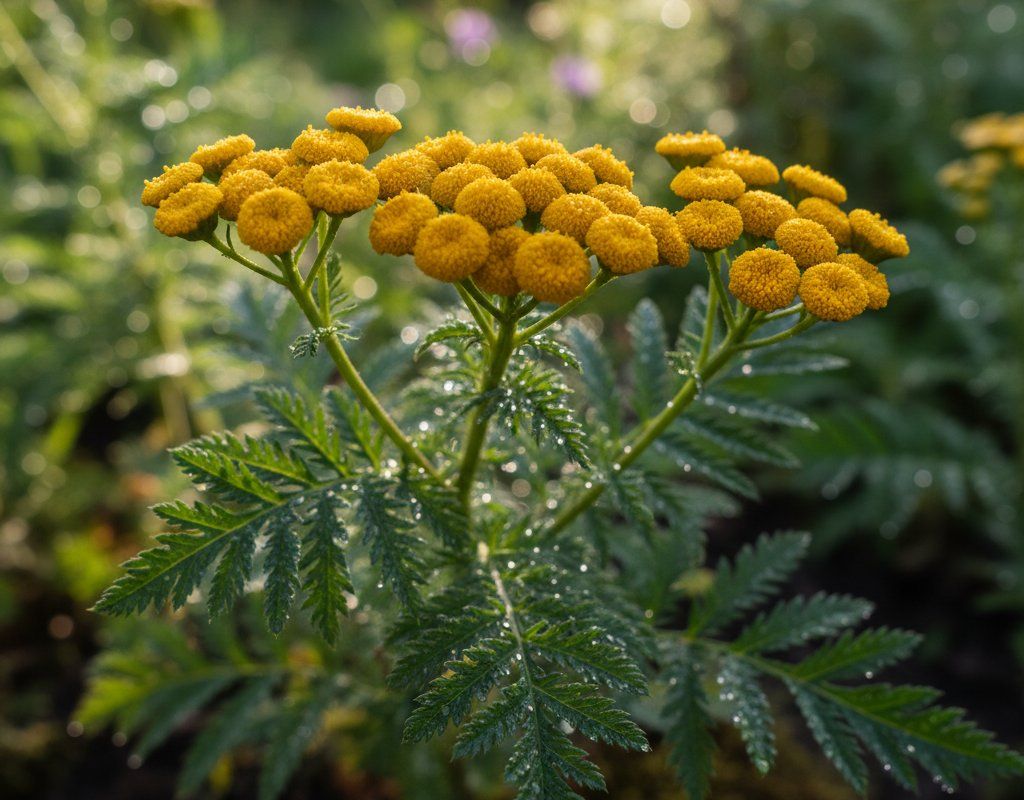
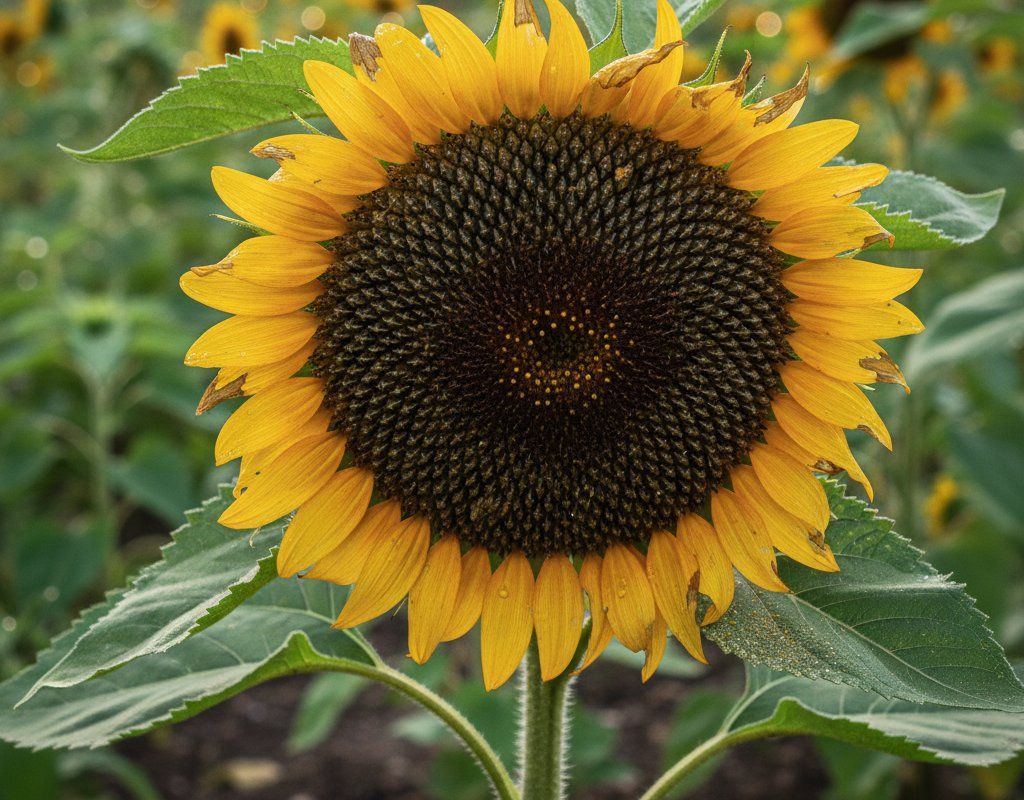
🌸Best Flowers to Plant with Zucchini
These flowers protect your Zucchini from pests and attract pollinators for better harvests.
For Pest Control






Get a Reminder When It's Time to Plant
We'll email you when key planting windows open for your zone.