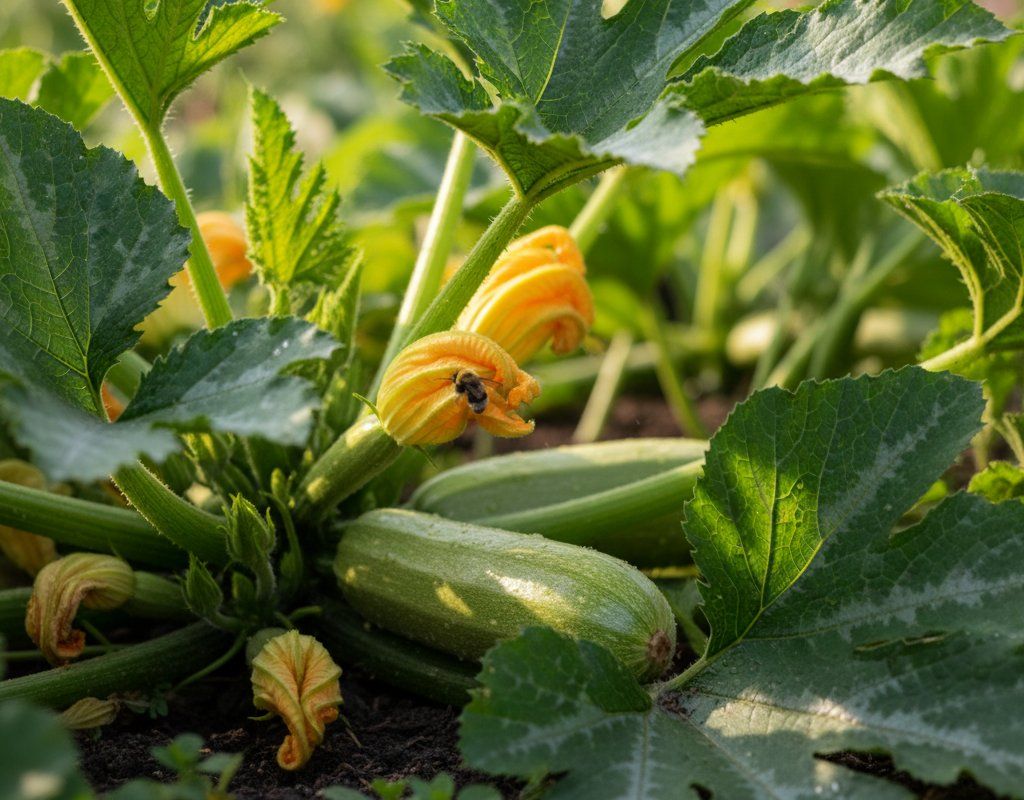
Zucchini in Zone 9A — Texas
Cucurbita pepo · Your Complete 2026 Planting Guide
Time to Buy Starts!
Seed starting window passed, but starts are available now.
Buy Starts Now
Head to your local nursery, Home Depot, or farmers market for transplants.
- Look for stocky plants with dark green leaves
- Avoid leggy seedlings or plants already flowering
- Check that roots aren't circling the pot (rootbound)
How to Plant Zucchini in Zone 9A — Texas
Here are all your options for getting zucchini in the ground, from the easiest method to more advanced approaches.
Direct Sow Seeds
RecommendedLate February through early October
around February 22
Consider succession planting every 2-3 weeks for continuous harvest.
Zucchini grows so fast that direct sowing is usually easiest.
Buy Starts
Works WellEarly March through mid April
around March 1
Plant purchased starts after last frost (February 15).
Start Seeds Indoors
Works WellEarly to late February
around February 8
Then transplant: Early March through mid April
Start seeds 3-5 weeks before transplanting outdoors.
Only start indoors if you want earlier harvest. Don't start too early.
Transplant Outdoors
Timing InfoEarly March through mid April
around March 1
Wait until nighttime temperatures stay above 50°F.
You have a nice window — no need to rush.
Overview
Zucchini thrives in our Zone 9A Texas climate, giving you one of the most reliable and prolific harvests you can grow. This heat-loving squash absolutely loves our long, warm growing season and produces tender, flavorful fruit that beats anything from the grocery store. You'll get months of fresh zucchini for everything from grilled sides to zucchini bread, and the plants are surprisingly forgiving once they're established in our Texas heat.
Our unpredictable weather and extreme summer temperatures can challenge zucchini, but timing your plantings right makes all the difference. With our 293-day growing season, you have flexibility to plant multiple successions and work around temperature swings. The key is getting plants established before the brutal summer heat hits, then keeping them well-watered through our hottest months.
Starting Seeds Indoors
Starting zucchini seeds indoors makes sense if you want to push the season for an extra-early harvest, but it's not necessary in our climate. Start seeds early to late February, about 3 weeks before you plan to transplant outdoors. Use seed starting trays with quality potting mix and keep them consistently warm – around 70-80°F for best germination.
Bottom watering works well for zucchini seedlings since it prevents damping off and keeps the large seed leaves from getting soggy. These seedlings grow fast once they get going, so don't start them too early or they'll outgrow their containers. A sunny south window or grow lights will keep them stocky and strong.
Remember that zucchini hates root disturbance, so use larger cells or peat pots that can go directly in the ground. With our early spring weather, direct sowing usually works just as well and saves you the transplant stress.
Transplanting Outdoors
Transplant your indoor-started zucchini from early March through mid April, after soil temperatures consistently stay above 60°F. These tender plants cannot handle any frost, so watch the weather forecast carefully – our Texas spring can still throw surprise cold snaps even into March.
Harden off seedlings gradually over a week before transplanting. Start with just an hour or two of morning sun, then increase exposure daily. Texas sun is intense even in early spring, and sudden exposure will shock your seedlings. Space plants 36-48 inches apart – they'll need every inch once they start spreading in our heat.
Plant transplants slightly deeper than they were in their pots, burying the stem up to the first leaves. This gives them a stronger root system to handle our variable spring weather and the intense heat that's coming. Water them in well and consider temporary shade cloth for the first few days if temperatures spike above 85°F.
Direct Sowing
Direct sowing is the easiest way to grow zucchini in Texas, and it's what I recommend for most gardeners. Sow seeds from late February through early October, giving you multiple planting windows to work around our weather. Wait until soil temperatures reach at least 65°F – cold soil will rot the seeds before they germinate.
Plant seeds 1 inch deep and space them 36-48 inches apart in all directions. These plants get massive in our climate, and crowded plants invite powdery mildew problems. Work compost into the soil before planting, but don't over-fertilize – too much nitrogen creates lush foliage that's more susceptible to pest problems.
The beauty of direct sowing zucchini is how fast they establish. Seeds often outpace transplants within a few weeks, and you avoid transplant shock entirely. Plant 2-3 seeds per spot and thin to the strongest seedling once they're up and growing. With our long growing season, you can succession plant every 3-4 weeks for continuous harvest through fall.
Watering Zucchini in Zone 9A (Texas)
Zucchini needs consistent, deep watering to thrive in our Texas heat, and irregular watering is the fastest way to invite problems. These plants have high water needs and large leaves that lose moisture quickly in our 97°F summer temperatures. Plan on 1-2 inches of water per week, delivered in 2-3 deep soaking sessions rather than daily sprinkles.
Water at the base of the plant, not overhead. Those big zucchini leaves stay damp for hours after overhead watering, especially during humid periods, which creates perfect conditions for powdery mildew. Use a soaker hose or water slowly at soil level, letting water penetrate 8-10 inches deep to encourage strong root growth.
Check soil moisture with the finger test – stick your finger 2 inches down near the plant. If it's dry at that depth, it's time to water. During our extreme heat spells, you might need to water every other day. Watch for signs of water stress: wilting during the heat of the day is normal, but if plants don't perk up by evening, they need more water.
Mulch heavily around plants with 3-4 inches of organic matter to conserve moisture and keep roots cool. This is especially important during our unpredictable rainfall patterns – mulch helps even out the wet-dry cycles that cause blossom end rot and stress the plants.
🧪Fertilizing Zucchini
Feeding Schedule
Organic Fertilizer Options
Harvest Time
Your first zucchini harvest typically starts in mid April if you planted early, continuing through early December until our first frost hits. With zucchini's 50-day maturity, you'll see fruit developing about 7 weeks after planting. Check plants daily once flowering begins – zucchini can go from perfect to oversized in just 2-3 days during hot weather.
Harvest zucchini when they're 6-8 inches long and the skin is still tender enough to pierce with your fingernail. The fruit should be firm and glossy, with the flower still attached or just fallen off. Don't let them get massive – oversized zucchini are spongy, seedy, and take energy away from producing more fruit.
Cut the stem with a sharp knife rather than twisting or pulling, which can damage the plant. Harvest regularly every 2-3 days to keep plants producing. One plant can easily produce 10-15 pounds of zucchini over the season, so be prepared! Remove any oversized or damaged fruit immediately to keep energy going into new production.
As our first frost approaches in early December, harvest all remaining fruit regardless of size. Green zucchini won't ripen off the vine, but you can use small ones in cooking or preserve larger ones. The plants will die with the first freeze, ending your harvest season.
Common Problems in Zone 9A (Texas)
Squash Vine Borers are your biggest threat in Texas. You'll see sudden wilting of entire vines or sections, often with sawdust-like frass around the base of stems. These fat white grubs tunnel through stems, cutting off water flow to the plant. The adult moths are active during our hot summer months, laying eggs at the stem base.
Wrap the lower 6 inches of stems with aluminum foil or use row covers during peak moth activity (late spring through summer). If you catch borers early, you can inject Bt (Bacillus thuringiensis) into affected stems or carefully slit the stem and remove the grub. Plant succession crops every 3-4 weeks so you have backup plants when borers hit your main crop.
Powdery Mildew shows up as white, powdery coating on leaves and stems, especially during our variable humidity periods. Leaves yellow and die back, weakening the plant significantly. This fungus actually thrives on dry leaf surfaces, unlike most plant diseases, and loves our warm days with cooler nights.
Improve air circulation by spacing plants properly and removing lower leaves that touch the ground. Milk spray (1 part milk to 9 parts water) works surprisingly well against powdery mildew. Apply neem oil in the evening to avoid leaf burn in our intense sun. Remove affected leaves immediately and don't compost them.
Blossom End Rot appears as dark, sunken spots on the bottom of fruit – not a disease, but a calcium uptake problem caused by inconsistent watering. Our unpredictable rainfall and extreme heat create perfect conditions for this, especially when dry spells alternate with flash floods.
The fix is simple: consistent watering. Maintain even soil moisture with deep, regular watering and thick mulch. Don't over-fertilize with nitrogen, which interferes with calcium uptake. Remove affected fruit so the plant puts energy into healthy production.
Texas Specific Challenges: Our extreme heat and variable humidity create stress that makes plants more susceptible to all these problems. Fire ants can also damage young seedlings, so watch for mounds near your plants. The key to success is keeping plants well-watered and healthy – stressed plants invite every pest and disease issue.
Best Companions for Zucchini
Plant these nearby for healthier Zucchini and better harvests.


Keep Away From
Companion Planting Details
Plant zucchini with corn and beans for a productive Three Sisters garden – the corn provides afternoon shade during our brutal summer heat, while beans fix nitrogen that feeds heavy-feeding zucchini. Radishes planted around zucchini help deter squash bugs and cucumber beetles, plus they mature quickly in the space while your zucchini plants are still small. Mint planted nearby repels ants and aphids, though keep it contained so it doesn't take over.
Avoid planting potatoes near zucchini – both are heavy feeders that compete for nutrients, and potatoes can harbor pests that also attack squash family plants. In our Texas heat, you want companions that either provide some cooling shade or help with pest management, not plants that add to the competition for water and nutrients.
🌸Best Flowers to Plant with Zucchini
These flowers protect your Zucchini from pests and attract pollinators for better harvests.
For Pest Control








Get a Reminder When It's Time to Plant
We'll email you when key planting windows open for your zone.