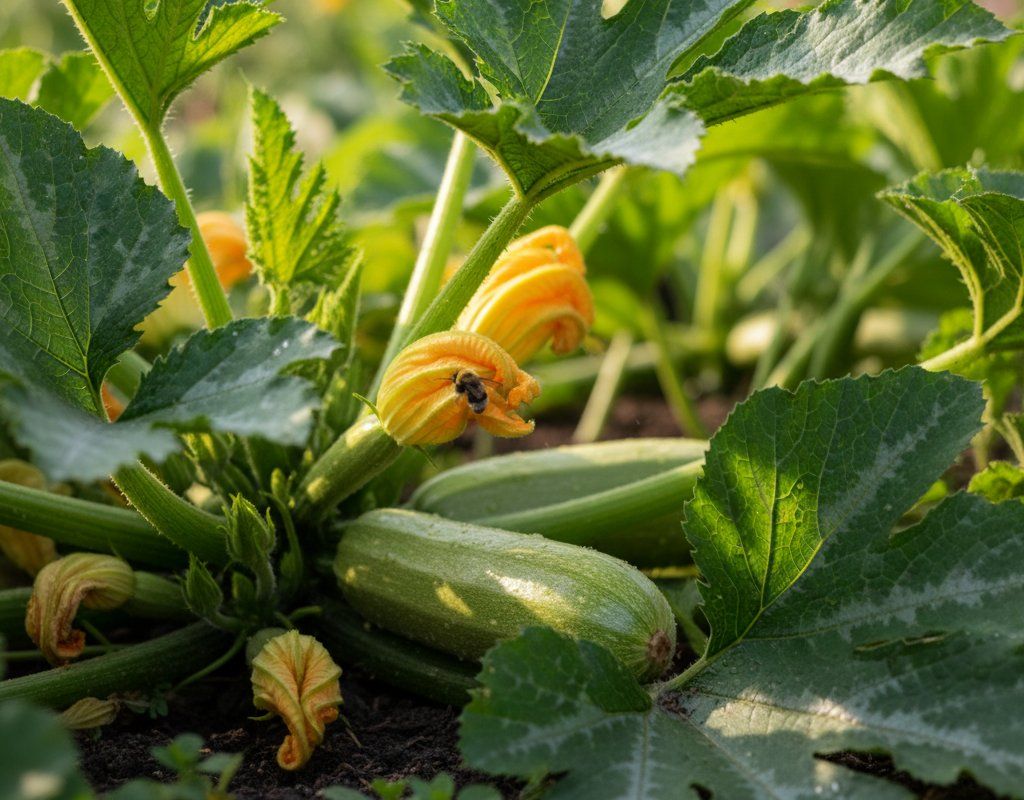
Zucchini in Zone 9B — Gulf Coast
Cucurbita pepo · Your Complete 2026 Planting Guide
Time to Buy Starts!
Seed starting window passed, but starts are available now.
Buy Starts Now
Head to your local nursery, Home Depot, or farmers market for transplants.
- Look for stocky plants with dark green leaves
- Avoid leggy seedlings or plants already flowering
- Check that roots aren't circling the pot (rootbound)
How to Plant Zucchini in Zone 9B — Gulf Coast
Here are all your options for getting zucchini in the ground, from the easiest method to more advanced approaches.
Direct Sow Seeds
RecommendedEarly February through mid October
around February 6
Consider succession planting every 2-3 weeks for continuous harvest.
Zucchini grows so fast that direct sowing is usually easiest.
Buy Starts
Works WellMid February through late March
around February 13
Plant purchased starts after last frost (January 30).
Start Seeds Indoors
Works WellMid January through early February
around January 23
Then transplant: Mid February through late March
Start seeds 3-5 weeks before transplanting outdoors.
Only start indoors if you want earlier harvest. Don't start too early.
Transplant Outdoors
Timing InfoMid February through late March
around February 13
Wait until nighttime temperatures stay above 50°F.
You have a nice window — no need to rush.
Overview
Here in the Gulf Coast, zucchini gives you incredible bang for your buck in our long growing season. A single plant can produce dozens of tender, flavorful squash from late March through mid-December — that's nearly nine months of fresh harvest! The mild flavor works in everything from quick breads to grilled summer sides, and there's nothing quite like picking a perfect 6-inch zucchini that was barely visible yesterday.
Our high humidity and disease pressure can challenge squash plants, but timing your plantings right makes zucchini surprisingly manageable. With our 319-day growing season, you have multiple planting windows and can succession plant for continuous harvests. The key is working with our early spring start and understanding when to plant for best success.
Starting Seeds Indoors
Starting zucchini seeds indoors from mid-January through early February gives you a head start on the season, though it's not necessary with our early spring. This makes sense if you want zucchini by late March or if you're planning a specific planting schedule around other crops.
Use seed trays with good drainage and keep them warm — around 70-75°F for quick germination. Bottom watering works best to prevent damping off in our humid conditions. Provide bright light once seedlings emerge, either from a south window or grow lights.
Start your seeds about 3 weeks before you plan to transplant, which puts you in that mid-January to early February window. Don't start too early — zucchini grows fast and gets root-bound quickly, plus you can't transplant safely until mid-February anyway.
Transplanting Outdoors
Transplant your indoor-started zucchini from mid-February through late March, once our last frost risk passes in late January. Even though we rarely get hard freezes, young zucchini plants are tender and a surprise cold snap can set them back weeks.
Harden off seedlings gradually over a week by placing them outside for increasing periods each day. Start with 2-3 hours of morning sun and work up to full days. This prevents transplant shock in our variable spring weather.
Space transplants 36-48 inches apart — zucchini needs room for good air circulation in our humid climate. Plant them at the same depth they were growing in containers, and water deeply after transplanting. Choose your sunniest spot with at least 6-8 hours of direct sun.
Direct Sowing
Direct sowing is the easiest method for zucchini in the Gulf Coast, and you have a huge planting window from early February through mid-October. The seeds germinate quickly in warm soil, and you skip any transplant shock.
Wait until soil temperature reaches 60°F consistently — usually by early February in our area. Plant seeds 1 inch deep and space them 36-48 inches apart. In our clay-heavy soils, work in compost to improve drainage since zucchini hates soggy roots.
Plant 2-3 seeds per spot and thin to the strongest seedling once they're 3-4 inches tall. You can succession plant every 3-4 weeks through summer for continuous harvests, though summer plantings will need extra attention during our hottest months. Fall plantings from late August through mid-October often perform better than summer ones due to lower disease pressure.
Watering Zucchini in Zone 9B (Gulf Coast)
Zucchini needs consistent, deep watering in our Gulf Coast climate, but managing moisture with our year-round rainfall and high humidity requires strategy. These plants drink heavily — about 1-2 inches per week — but overwatering in our poorly-draining soils causes more problems than drought.
Water deeply at the base of plants, never overhead. Our 90%+ humidity means wet leaves stay wet, creating perfect conditions for powdery mildew and other fungal diseases. Use soaker hoses or water slowly at soil level early in the morning so any splash can dry quickly.
Check soil moisture with the finger test — stick your finger 2 inches down near the base of the plant. If it's dry at that depth, water deeply. During our frequent afternoon storms, you might not need to water for days. In drought periods, increase watering but maintain that deep, infrequent schedule.
Mulch heavily around plants with 3-4 inches of organic matter to maintain even soil moisture. This is especially critical during our summer heat when temperatures hit 93°F regularly. Signs of underwatering include wilting during hot afternoons (normal) that doesn't recover by evening. Overwatering shows as yellowing leaves and soft, mushy stems.
🧪Fertilizing Zucchini
Feeding Schedule
Organic Fertilizer Options
Harvest Time
Your first zucchini will be ready from late March through mid-December, depending on planting time, with most plants producing their first fruits about 50 days from seed. In our long growing season, you'll get months of continuous harvest from each planting.
Harvest zucchini when they're 6-8 inches long and about 2 inches in diameter for the best texture and flavor. Check plants daily once fruiting starts — in our heat and humidity, a perfect-sized zucchini can double in size overnight. Use a sharp knife to cut the stem about an inch from the fruit, rather than twisting or pulling.
Keep harvesting regularly to encourage continued production. Oversized fruit becomes spongy and seedy, plus leaving large zucchini on the plant signals it to stop producing new ones. If you get behind on harvesting (it happens to all of us), remove the giant ones and compost them to restart production.
As our first frost approaches in mid-December, harvest any remaining small fruits since they won't continue growing in cold weather. You can often get fruit into January in protected spots, making zucchini one of our longer-producing warm-season crops.
Common Problems in Zone 9B (Gulf Coast)
Squash Vine Borers You'll see sudden wilting of entire vines or sections, often starting in late spring when plants look perfectly healthy. Look for sawdust-like debris (frass) at the base of stems — that's the telltale sign of borers tunneling inside. Our warm Gulf Coast climate creates perfect conditions for multiple generations of these clearwing moths.
The adult moths lay eggs at stem bases, and the larvae bore through stems, cutting off water flow. Wrap the lower 6 inches of stems with aluminum foil when plants are young, or use row covers until flowering starts. If you catch it early, you can inject Bt (Bacillus thuringiensis) into the stem or carefully slit the stem to remove the grub. Succession planting gives you backup plants when the inevitable happens.
Powdery Mildew White, powdery coating appears on leaves, stems, and sometimes fruit, starting as small spots and spreading quickly. Our high humidity combined with warm days creates ideal conditions, especially when leaves stay dry (counterintuitively, this fungus doesn't need wet leaves). Affected leaves yellow and die, weakening the plant.
Improve air circulation by spacing plants properly and removing lower leaves that touch the ground. Water only at soil level to keep leaves dry. Neem oil sprays help, but milk spray (1 part milk to 9 parts water) is surprisingly effective and cheap. Remove affected leaves immediately and don't compost them. Plant resistant varieties when possible.
Blossom End Rot Dark, sunken, leathery patches appear on the bottom end of fruits, often affecting the first zucchini of the season. This isn't a disease but a calcium deficiency caused by inconsistent watering — our clay soils and variable rainfall make this common in the Gulf Coast.
Maintain consistent soil moisture through deep, regular watering and heavy mulching. Don't let plants go from bone dry to waterlogged, which blocks calcium uptake even when soil has plenty. Avoid over-fertilizing with nitrogen, which can interfere with calcium absorption. Remove affected fruits to redirect the plant's energy.
Gulf Coast Specific Challenges: Our extreme humidity and frequent afternoon storms create a perfect storm for fungal diseases on zucchini. The key is prevention through proper spacing, morning watering, and choosing planting times that avoid the worst disease pressure periods of mid-summer.
Best Companions for Zucchini
Plant these nearby for healthier Zucchini and better harvests.


Keep Away From
Companion Planting Details
Plant zucchini with corn and beans for a productive three sisters combination — the corn provides support for beans while beans fix nitrogen for heavy-feeding zucchini. Radishes planted around zucchini help break up clay soil and may deter squash bugs. Mint planted nearby can help repel ants and aphids, though keep it contained since it spreads aggressively in our moist climate.
Avoid planting potatoes near zucchini since both are susceptible to similar fungal diseases, and our high humidity can create conditions where diseases spread easily between them. The dense foliage of both crops can also create poor air circulation, making disease pressure worse in the Gulf Coast.
🌸Best Flowers to Plant with Zucchini
These flowers protect your Zucchini from pests and attract pollinators for better harvests.
For Pest Control








Get a Reminder When It's Time to Plant
We'll email you when key planting windows open for your zone.