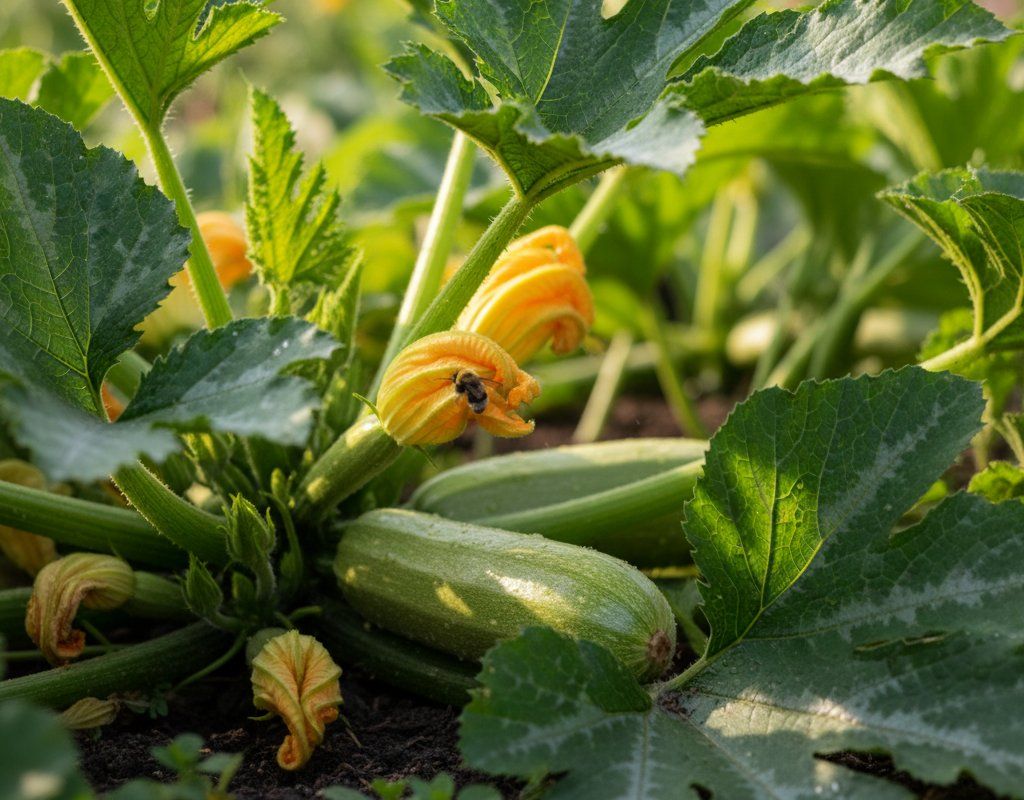
Zucchini in Zone 9B — Southern California
Cucurbita pepo · Your Complete 2026 Planting Guide
Time to Buy Starts!
Seed starting window passed, but starts are available now.
Buy Starts Now
Head to your local nursery, Home Depot, or farmers market for transplants.
- Look for stocky plants with dark green leaves
- Avoid leggy seedlings or plants already flowering
- Check that roots aren't circling the pot (rootbound)
How to Plant Zucchini in Zone 9B — Southern California
Here are all your options for getting zucchini in the ground, from the easiest method to more advanced approaches.
Direct Sow Seeds
RecommendedEarly February through late October
around February 1
Consider succession planting every 2-3 weeks for continuous harvest.
Zucchini grows so fast that direct sowing is usually easiest.
Buy Starts
Works WellEarly February through late March
around February 8
Plant purchased starts after last frost (January 25).
Start Seeds Indoors
Works WellMid January through early February
around January 18
Then transplant: Early February through late March
Start seeds 3-5 weeks before transplanting outdoors.
Only start indoors if you want earlier harvest. Don't start too early.
Transplant Outdoors
Timing InfoEarly February through late March
around February 8
Wait until nighttime temperatures stay above 50°F.
You have a nice window — no need to rush.
Overview
Zucchini thrives in Southern California's long growing season, giving you nearly year-round harvests that no grocery store can match. The tender, sweet flavor of fresh-picked zucchini beats the watery store versions, and our mild winters mean you can keep plants producing well into December. With our 334-day growing season, you'll have time for multiple plantings and continuous harvests.
Our hot, dry summers and occasional Santa Ana winds can stress these water-loving plants, but proper timing and consistent watering make zucchini surprisingly manageable here. The key is working with our climate patterns rather than against them – planting early to establish before peak heat and maintaining steady moisture through the summer months.
Starting Seeds Indoors
Starting zucchini seeds indoors makes sense if you want the earliest possible harvest, though it's not the preferred method for most SoCal gardeners. Start seeds mid-January through early February, about 3 weeks before your planned transplant date. Use seed trays in a warm spot (70-80°F) with good light once they germinate.
Bottom watering works best to prevent damping-off disease in young seedlings. Keep the soil consistently moist but not soggy. With our very early spring character, you can get transplants in the ground by early February, giving you a head start on the growing season.
Don't start too early though – zucchini grows so quickly that indoor-started plants can become rootbound and stressed if held too long. Most SoCal gardeners find direct sowing more reliable and less fussy.
Transplanting Outdoors
Transplant your indoor-started seedlings from early February through late March, after any chance of frost has passed. In most of Southern California, this means you can transplant quite early, but watch for those occasional cold snaps that can still hit in January and early February.
Harden off seedlings gradually over a week by exposing them to outdoor conditions for increasingly longer periods. Start with a few hours in partial shade, then gradually increase to full sun exposure. This prevents transplant shock in our bright, intense sunlight.
Space transplants 36-48 inches apart – zucchini plants get large and need room for good air circulation. Plant them at the same depth they were growing in their containers, and water well after transplanting. The wide spacing helps prevent powdery mildew, which can be an issue in our low-to-moderate humidity.
Direct Sowing
Direct sowing is the recommended method for zucchini in Southern California – it's simpler and plants often outperform transplants. You can sow from early February through late October, giving you flexibility for succession plantings and continuous harvests.
Prepare the soil by working in compost and ensuring good drainage. Zucchini needs soil temperatures of at least 60°F to germinate well, which happens early here thanks to our mild climate. Plant seeds 1 inch deep and space them 36-48 inches apart – these plants will fill the space quickly.
The beauty of direct sowing zucchini is how fast it grows. Seeds often catch up to transplants within weeks, and you avoid transplant shock entirely. Water the seeded area consistently until germination, which usually takes 7-10 days in warm soil.
Watering Zucchini in Zone 9B (Southern California)
Zucchini has high water needs and isn't drought-tolerant, making consistent irrigation critical in our hot, dry climate. During our winter-wet season, natural rainfall may provide adequate moisture, but once the rains stop in spring, you'll need to water regularly.
In summer, zucchini needs about 1-2 inches of water per week, applied deeply at the base of the plant. Avoid overhead watering on the large leaves, as this promotes powdery mildew even in our low-to-moderate humidity. Use the finger test – stick your finger 2 inches into the soil, and water when it feels dry at that depth.
During peak summer heat (those 92°F+ days), you may need to water every 2-3 days, especially if you're dealing with Santa Ana winds that dry out plants quickly. Signs of underwatering include wilted leaves in the morning and poor fruit development. Overwatering shows as yellowing leaves and stunted growth.
Mulch heavily around plants to retain moisture and reduce watering frequency. This is especially important during our long, dry summers when water restrictions may limit your irrigation schedule. A 3-4 inch layer of organic mulch helps maintain the consistent soil moisture that prevents blossom end rot.
🧪Fertilizing Zucchini
Feeding Schedule
Organic Fertilizer Options
Harvest Time
Your first zucchini harvest will start late March through late December, depending on when you planted. With our long growing season, you can expect about 50 days from seed to first harvest, then continuous production for months if you keep plants healthy and watered.
Harvest zucchini when they're 6-8 inches long for the best texture and flavor. Check your plants daily once production starts – zucchini grows incredibly fast in our warm weather, and oversized fruit becomes spongy and seedy. Use a sharp knife to cut the stem rather than twisting, which can damage the plant.
Regular harvesting encourages continued production. If you let large zucchini stay on the plant, it signals the plant to stop producing new fruit. Remove any oversized zucchini even if you won't eat them. The plant will respond by setting more young, tender fruit.
As winter approaches and nighttime temperatures drop toward our late December frost dates, production will slow naturally. You can often keep plants producing through the holidays with some frost protection, extending your harvest well beyond what gardeners in colder zones experience.
Common Problems in Zone 9B (Southern California)
Squash Vine Borers Watch for sudden wilting of entire vines or sections, even when soil is moist. You'll often see sawdust-like frass at the base of stems where larvae have bored inside. The clearwing moth adults lay eggs in late spring and early summer here in SoCal. Wrap the base of stems with aluminum foil when plants are young, and consider succession planting to have backup plants ready if borers strike your main crop.
Powdery Mildew This fungal disease appears as white or grayish powder coating leaves and stems. It's common in our climate because the fungus thrives in warm days and cool nights – exactly what we get in spring and fall. Unlike most fungi, it actually prefers dry leaf surfaces, so our low humidity doesn't prevent it. Improve air circulation with proper spacing (36-48 inches), remove affected leaves immediately, and try milk spray (1 part milk to 9 parts water) as an organic treatment.
Blossom End Rot Dark, sunken patches on the bottom of developing fruit indicate calcium deficiency caused by inconsistent watering. This is the most common zucchini problem in Southern California because our hot, dry conditions make it hard to maintain steady soil moisture. The solution is consistent, deep watering and heavy mulching to buffer moisture swings. Don't over-fertilize with nitrogen, which interferes with calcium uptake.
Southern California Specific Challenges: Our extreme heat inland, drought conditions, and Santa Ana winds create additional stress that makes consistent watering even more critical. The combination of hot days and water restrictions means you need efficient irrigation systems and excellent mulching to keep zucchini happy through our long, dry summers.
Best Companions for Zucchini
Plant these nearby for healthier Zucchini and better harvests.


Keep Away From
Companion Planting Details
Corn makes an excellent companion for zucchini, providing afternoon shade that helps protect plants during our hottest summer days. The classic Three Sisters combination of corn, beans, and squash works well here, with beans adding nitrogen to the soil that benefits the heavy-feeding zucchini. Plant radishes around the base as a living mulch – they mature quickly in our climate and help retain soil moisture.
Mint planted nearby can help deter squash bugs and cucumber beetles, though keep it contained since it spreads aggressively in our year-round growing conditions. Avoid planting potatoes near zucchini – both are heavy feeders that compete for nutrients, and potatoes can harbor diseases that affect squash family plants. The competition is especially problematic during our long, hot summers when plants are already stressed.
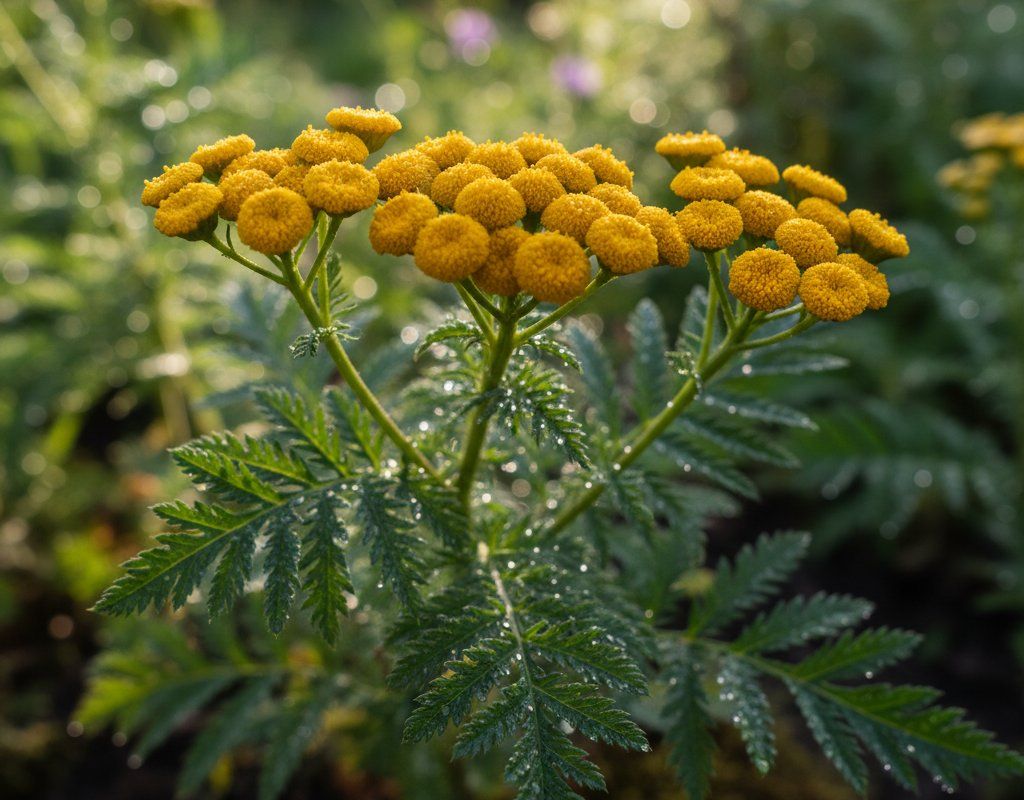
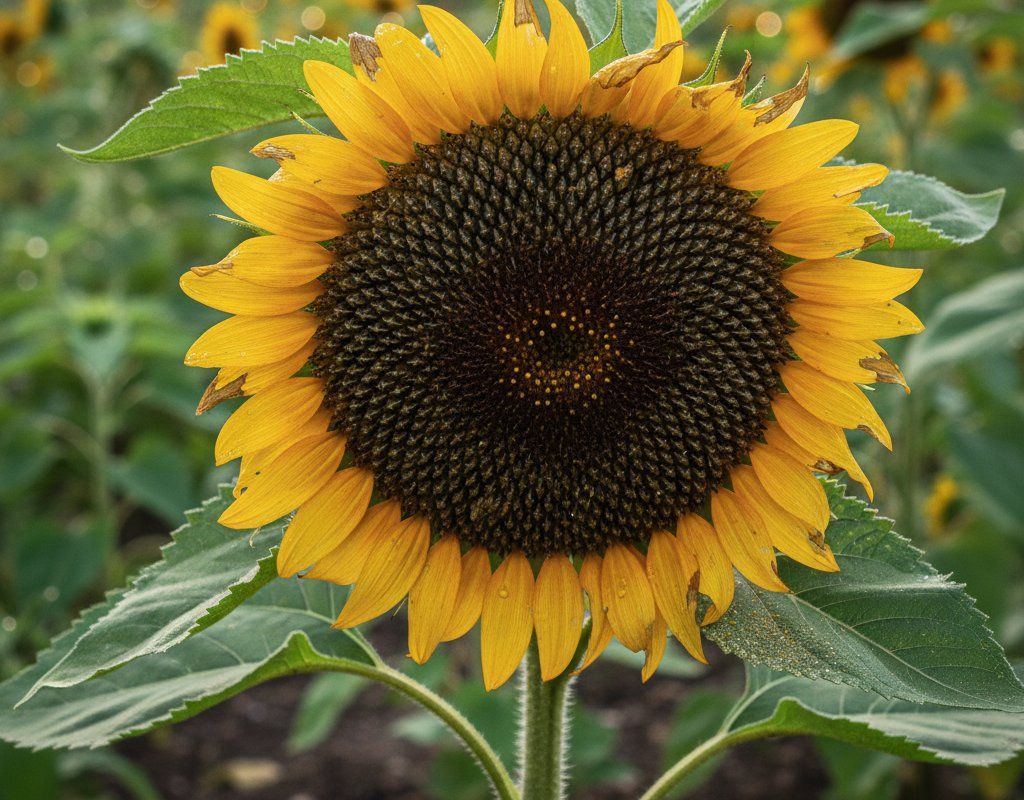
🌸Best Flowers to Plant with Zucchini
These flowers protect your Zucchini from pests and attract pollinators for better harvests.
For Pest Control






Get a Reminder When It's Time to Plant
We'll email you when key planting windows open for your zone.