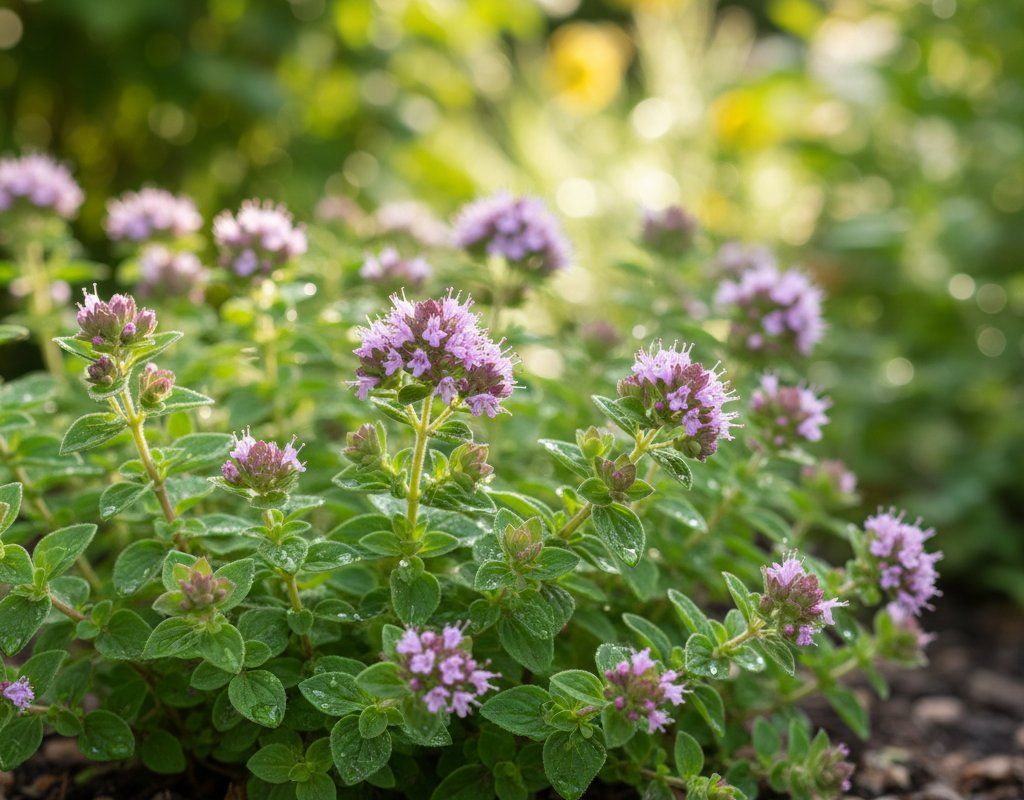
Oregano in Zone 6A — Southeast
Origanum vulgare · Your Complete 2026 Planting Guide
Missed Seed Starting? No Problem!
Wait for starts to become available.
What to Do
Starts will be available at nurseries in 37 days (around April 10).
How to Plant Oregano in Zone 6A — Southeast
Here are all your options for getting oregano in the ground, from the easiest method to more advanced approaches.
Buy Starts
RecommendedEarly April through late May
around April 10
Plant purchased starts after last frost (April 10).
Easy from seed but slow. Starts give faster results.
Start Seeds Indoors
Works WellEarly to late February
around February 13
Then transplant: Early April through late May
Start seeds 8-10 weeks before transplanting outdoors.
Direct Sow Seeds
Works WellEarly April through late August
around April 10
Consider succession planting every 2-3 weeks for continuous harvest.
Transplant Outdoors
Timing InfoEarly April through late May
around April 10
Can tolerate light frost, but wait for soil to be workable.
You have a nice window — no need to rush.
Overview
Oregano thrives in our Zone 6A Southeast climate, giving you that authentic Mediterranean flavor that makes store-bought oregano taste like sawdust in comparison. Our hot, humid summers and long 198-day growing season create perfect conditions for this heat-loving herb to develop its signature pungent oils. You'll have fresh oregano for pizza, pasta, and grilled vegetables from late spring through our first frost in late October.
While our humid Southeast summers can challenge many herbs with fungal diseases, oregano's drought-tolerant nature actually works in your favor here. The key is getting your timing right and managing our clay soil drainage. With proper planting windows, you'll have a steady supply of this essential herb that gets better with our summer heat.
Starting Seeds Indoors
Starting oregano seeds indoors works well if you want an early jump on the season, though it's not essential with our moderate spring weather. Sow seeds in early to late February, about 8 weeks before you plan to transplant outdoors. Oregano seeds are tiny and slow to germinate, so be patient with them.
Use seed trays with good drainage and keep them warm (70-75°F works best). Bottom watering helps prevent damping-off disease, which can be more of an issue in our humid climate. Once seedlings emerge, they'll need bright light to prevent getting leggy. A sunny south window or grow lights will keep them stocky and strong.
Since oregano is slow from seed, many Southeast gardeners skip this step and buy transplants instead. But if you enjoy the seed-starting process or want specific varieties, indoor starting gives you a head start before our spring weather settles.
Transplanting Outdoors
Transplant your oregano seedlings outdoors from early April through late May, after our last frost risk passes. In the Southeast, this timing works perfectly since our moderate spring gives plants time to establish before summer heat kicks in. Space plants 12-18 inches apart to allow for good air circulation in our humid climate.
Harden off seedlings gradually over a week, starting with a few hours of morning sun and working up to full outdoor exposure. Our spring weather can swing from cool to warm quickly, so watch for any late cold snaps that might stress young plants. Choose a spot with excellent drainage since oregano hates wet feet, especially in our clay soil.
Whether you started from seed or bought transplants, this method gives you the fastest results. Established plants will be ready to harvest by late May and will keep producing through our entire long growing season.
Direct Sowing
Direct sowing oregano works well in the Southeast from early April through late August, though spring planting gives the longest harvest period. Oregano seeds are tiny, so prepare a fine seedbed by working compost into your clay soil to improve drainage and tilth. Scatter seeds lightly on the surface and barely cover them with soil.
Keep the soil consistently moist until germination, which can take 10-14 days in cool spring soil or just a week in warm summer conditions. Space plants 12-18 inches apart once they're established, thinning if needed. Summer sowings work especially well in the Southeast since oregano actually prefers our hot weather.
The main drawback to direct sowing is that oregano is slow to get going, especially from spring plantings. You'll wait longer for your first harvest compared to transplants, but the plants often develop stronger root systems in our challenging clay soil.
Watering Oregano in Zone 6A (Southeast)
Oregano is remarkably drought-tolerant once established, which makes it perfect for our hot Southeast summers. During the first month after planting, water regularly to help roots establish, then back off significantly. Mature plants actually prefer to dry out between waterings, and overwatering dilutes the essential oils that give oregano its intense flavor.
In our wet-summer climate with 45-55 inches of annual rainfall, you'll rarely need to water established oregano except during dry spells. When you do water, give plants about half an inch per week at the base rather than overhead—our humid conditions make wet foliage prone to fungal problems. Use the finger test: if soil is dry 2 inches down, it's time to water.
Watch for signs of overwatering, which include yellowing leaves and poor flavor. Oregano leaves should be small, thick, and intensely aromatic. If they're large and pale, you're probably watering too much. Our afternoon thunderstorms provide plenty of moisture, so focus on drainage rather than irrigation.
A thin layer of mulch helps retain moisture during our hottest spells while preventing soil from splashing onto leaves during heavy summer rains. Keep mulch away from plant stems to allow good air circulation around the base.
Pruning & Maintaining Oregano
Oregano needs minimal pruning, but a few strategic cuts keep plants productive and compact in our long growing season. Pinch off flower buds as they appear to keep leaves tender and flavorful—once plants flower, leaf quality declines. Regular harvesting serves as natural pruning and encourages bushy growth.
In midsummer, when plants get leggy or woody, cut them back by about one-third. This rejuvenates the plant and promotes fresh, flavorful growth for fall cooking. Our long, hot summers can stress oregano by late July, so this mid-season pruning helps plants recover and produce through October.
As our first frost approaches in late October, cut plants back to about 2 inches above ground level. This prepares them for winter and prevents disease issues from dead foliage sitting on the soil. In Zone 6A, oregano often returns from the roots the following spring.
🧪Fertilizing Oregano
Feeding Schedule
Organic Fertilizer Options
Harvest Time
You can start harvesting oregano sprigs once plants reach 4-6 inches tall, typically by late May in the Southeast. The best flavor comes just before plants flower, when essential oils are concentrated in the leaves. Cut stems just above a pair of leaves to encourage branching and continued growth.
Harvest in the morning after dew dries but before the day gets too hot—this is when essential oils are most concentrated. Cut stems rather than picking individual leaves, taking about one-third of the plant at a time. With regular harvesting, plants keep producing fresh growth right through our first frost in late October.
The more you harvest, the more oregano produces, so don't be shy about cutting. During our peak summer heat, leaves may become slightly bitter, but they'll sweeten up again as temperatures moderate in fall. Fresh oregano is always best, but you can dry excess harvests for winter use.
As frost approaches, harvest heavily and dry or freeze your oregano since plants will die back completely. Our 198-day growing season gives you months of continuous harvest from a single planting.
Common Problems in Zone 6A (Southeast)
Root Rot Yellowing leaves starting from the bottom, mushy black roots, and plants that wilt despite moist soil indicate root rot. In our humid Southeast climate with heavy clay soil, this fungal disease thrives when drainage is poor. Oregano sitting in wet soil, especially during our rainy summers, quickly develops root problems. Improve drainage by working compost into clay soil, plant in raised beds, and avoid overwatering. Once root rot sets in, it's usually fatal, so prevention is key.
Aphids Look for clusters of tiny green, black, or white insects on stems and leaf undersides, along with sticky honeydew residue and curled new growth. Our warm, humid summers create perfect breeding conditions for these sap-sucking pests. Strong water sprays knock them off effectively—repeat daily for a week. Encourage beneficial insects like ladybugs and lacewings, or use insecticidal soap for heavy infestations. Avoid high-nitrogen fertilizers, which create the tender growth aphids love.
Spider Mites Fine white stippling on leaves and delicate webbing on leaf undersides signal spider mites. These tiny pests thrive during hot, dry periods when oregano becomes drought-stressed. Even though oregano is drought-tolerant, severe stress makes it vulnerable. Increase humidity around plants with daily water sprays, which also dislodges mites. Predatory mites provide biological control, but avoid broad-spectrum pesticides that kill beneficial insects.
Southeast Specific Challenges Our combination of summer heat, humidity, and afternoon thunderstorms creates unique challenges for oregano. While the plant loves heat, the humidity can promote fungal diseases if air circulation is poor. Japanese beetles may occasionally chew holes in leaves, though they prefer other plants. Space plants properly and ensure good drainage to work with, rather than against, our regional climate patterns.
Best Companions for Oregano
Plant these nearby for healthier Oregano and better harvests.

Keep Away From
Companion Planting Details
Oregano makes an excellent companion for heat-loving vegetables that thrive in our Southeast summers. Plant it near tomatoes, peppers, and squash—oregano's strong scent helps repel pests like aphids and spider mites that commonly attack these crops. The herb also attracts beneficial insects that prey on garden pests, creating a natural balance in your vegetable garden.
Beans and oregano work well together since neither competes heavily for nutrients, and oregano's drought tolerance complements beans' ability to fix nitrogen in the soil. Avoid planting oregano near moisture-loving herbs like basil, as their watering needs conflict. The Mediterranean herb's preference for well-drained soil and minimal water makes it perfect for the drier edges of vegetable beds where our clay soil drains better.
🌸Best Flowers to Plant with Oregano
These flowers protect your Oregano from pests and attract pollinators for better harvests.
For Pest Control



Get a Reminder When It's Time to Plant
We'll email you when key planting windows open for your zone.