
Basil in Zone 7A — Pacific Northwest
Ocimum basilicum · Your Complete 2026 Planting Guide
Planning Ahead — Great!
You’re ahead of the season. Here’s when to start.
Mark Your Calendar
How to Plant Basil in Zone 7A — Pacific Northwest
Here are all your options for getting basil in the ground, from the easiest method to more advanced approaches.
Direct Sow Seeds
RecommendedEarly May through early September
around May 4
Consider succession planting every 2-3 weeks for continuous harvest.
Can direct sow after soil is warm, but indoor start gives earlier harvest.
Start Seeds Indoors
RecommendedMid March through early April
around March 23
Then transplant: Early May through mid June
Start seeds 6-8 weeks before transplanting outdoors.
Buy Starts
Works WellEarly May through mid June
around May 4
Plant purchased starts after last frost (April 20).
Basil starts are widely available and inexpensive.
Transplant Outdoors
Timing InfoEarly May through mid June
around May 4
Wait until nighttime temperatures stay above 50°F.
You have a nice window — no need to rush.
Overview
Basil transforms our Pacific Northwest gardens with its intense fragrance and unmatched flavor that no store-bought herb can match. Our mild summers and cool nights actually improve basil's essential oil concentration, giving you more aromatic leaves than gardeners in hotter climates. The long growing season lets you harvest continuously from early summer through our excellent fall extension, making fresh pesto and caprese salads a regular treat.
While basil needs some coddling in our cool spring conditions and shorter heat season, proper timing makes it completely manageable. Our 183-day growing season gives you plenty of opportunity to grow abundant basil once you work with our climate patterns rather than against them.
Starting Seeds Indoors
Starting basil seeds indoors makes sense if you want the earliest possible harvest or specific varieties unavailable as starts. Begin seeds in mid-March through early April, about 6 weeks before you can safely transplant outdoors. Our slow spring means indoor starting gives you a real advantage over direct sowing.
Set up seed trays in a warm spot (basil needs consistent 70-75°F to germinate well) with good light once seedlings emerge. Bottom watering works best since basil seedlings are prone to damping off in our naturally humid spring conditions. Keep the soil consistently moist but never soggy.
Your biggest challenge will be keeping seedlings warm enough during our overcast spring days. A heat mat helps significantly, and you'll need supplemental lighting if starting before late March.
Transplanting Outdoors
Transplant basil outdoors from early May through mid-June once nighttime temperatures stay consistently above 50°F and soil has warmed. Our cool spring soil is basil's biggest enemy, so patience pays off here. Even a few cold nights can set plants back for weeks.
Harden off seedlings gradually over a full week, bringing them in if temperatures drop below 45°F. Space plants 12-18 inches apart in your sunniest, most protected spot. Basil thrives in our mild summers but needs every bit of warmth it can get during cool spring establishment.
Honestly, buying basil starts from local nurseries often makes more sense than growing from seed. They're inexpensive, widely available in May, and you avoid the indoor growing hassles. Local nurseries time their basil perfectly for our climate.
Direct Sowing
You can direct sow basil from early May through early September, but wait until soil reaches at least 60°F consistently. In our climate, this usually means late May for reliable germination. Test soil temperature with a thermometer rather than guessing – cold soil leads to poor germination and stressed plants.
Prepare your bed in full sun with well-draining soil enriched with compost. Sow seeds ¼ inch deep and space final plants 12-18 inches apart. Keep soil consistently moist during germination, which takes 7-14 days in ideal conditions.
Direct sowing works well for succession plantings through summer, but you'll get a much earlier harvest by starting indoors or buying transplants for your first planting. Our short heat season means every warm week counts for basil production.
Watering Basil in Zone 7A (Pacific Northwest)
Basil needs consistent moisture but absolutely hates wet feet, making our dry summer months actually advantageous once plants are established. During our typical mild summers with highs around 82°F, established plants need about 1 inch of water per week. Check soil moisture by sticking your finger 2 inches deep – if it's dry, it's time to water.
Water deeply at the base rather than overhead to prevent fungal issues that thrive in cool, humid conditions. This is especially important during our wet spring establishment period and again in fall when morning dew lingers. Use room temperature water since basil is extremely sensitive to cold water shock – it will wilt dramatically even from slightly cool water.
Watch for wilting as your main indicator of thirst. Basil wilts dramatically when dry but recovers quickly with proper watering. Overwatering shows as yellow leaves starting from the bottom, while underwatering causes leaves to curl and drop. During our dry summer months, consistent weekly watering keeps plants productive through October.
A thin layer of organic mulch helps retain moisture and keeps roots cool during our occasional hot spells, but keep mulch away from the stem base to prevent fungal problems in our naturally humid conditions.
Pruning & Maintaining Basil
Pinch off flower buds the moment you see them forming – flowering immediately makes basil leaves bitter and tough. This becomes especially important as day length shortens in late summer, triggering basil's natural urge to set seed. Check plants every few days during peak growing season.
Harvest from the top by cutting just above a leaf pair to encourage branching and bushier growth. Never take more than one-third of the plant at once, and always leave at least two sets of leaves on each stem. Regular harvesting keeps plants producing tender new growth.
As our first frost approaches in mid-October, harvest heavily or bring potted plants indoors. Basil won't survive even a light freeze, so plan your final harvest before temperatures drop below 35°F.
🧪Fertilizing Basil
Feeding Schedule
Organic Fertilizer Options
Harvest Time
Expect your first harvest in early June if you started with transplants, later if direct sown. Once plants develop 3-4 sets of true leaves, you can begin harvesting individual leaves or small sprigs. Always cut just above a leaf pair to encourage continued branching and growth.
The best harvest window runs from early morning after dew dries until late afternoon heat (though our mild summers rarely stress plants). Choose leaves that look vibrant green and feel slightly thick. Avoid any yellowing or thin leaves, which indicate stress or poor growing conditions.
For continuous production through our long growing season, harvest regularly but never strip plants bare. Take what you need for immediate use and pinch flowers weekly to keep leaves tender. The cool nights throughout our growing season actually concentrate essential oils, giving you more flavorful basil than hot-climate gardeners get.
As first frost approaches in mid-October, plan a final large harvest for making pesto or drying. You can also pot up healthy plants to bring indoors, though indoor basil never quite matches outdoor quality in our climate.
Common Problems in Zone 7A (Pacific Northwest)
Downy Mildew Yellow patches appear on leaf tops with fuzzy gray-purple growth on undersides, eventually browning and killing leaves from bottom up. Our cool, humid spring conditions and morning dew create perfect conditions for this oomycete pathogen. Remove affected leaves immediately and improve air circulation around plants. Always water at the base, never overhead, and consider copper-based fungicides for prevention in wet springs.
Fusarium Wilt Plants wilt on one side first, then spread, with yellow leaves and brown streaks visible when you cut the stem open. This soil-borne fungus loves our gradually warming spring soils and can persist for years. No cure exists once infected – remove and destroy affected plants immediately. Plant resistant varieties marked with 'F' on seed packets and rotate basil to different garden areas on a 4-year cycle.
Aphids Tiny soft-bodied insects cluster on stems and leaf undersides, leaving sticky honeydew and causing curled growth. Our mild summers allow multiple generations to build up over the season. Blast them off with strong water spray, encourage beneficial ladybugs and lacewings, or use insecticidal soap for heavy infestations. Avoid excess nitrogen fertilizer which makes plants more attractive to aphids.
Pacific Northwest Specific Challenges Our naturally humid spring conditions favor fungal problems, while slugs love basil's tender leaves during wet periods. The cool soil temperatures that persist into May can stress young plants and make them more susceptible to all problems. However, our dry summer months and mild temperatures actually reduce many pest pressures once plants are established and thriving.
Best Companions for Basil
Plant these nearby for healthier Basil and better harvests.
Keep Away From
Companion Planting Details
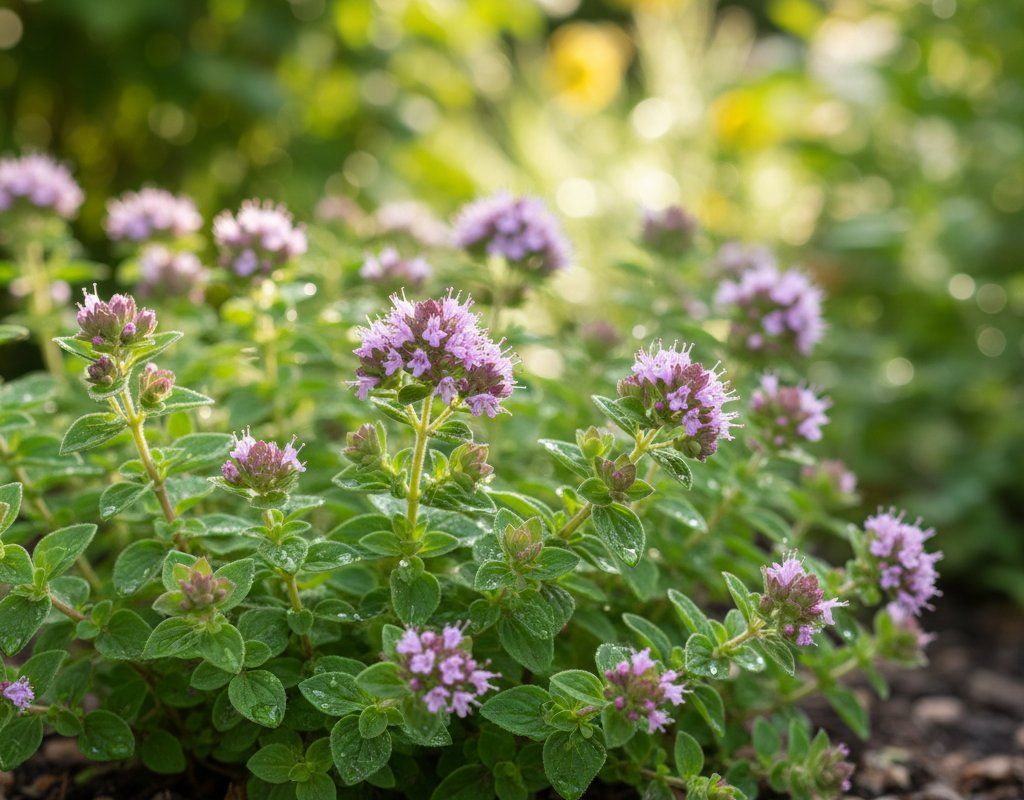
Plant basil near tomatoes and peppers – the aromatic oils may help repel common pests, and all three plants share similar water and heat requirements perfect for our mild summer conditions. Oregano makes an excellent neighbor since both herbs thrive in our well-draining soils and dry summer months, plus you'll have your pizza herb garden all in one spot.
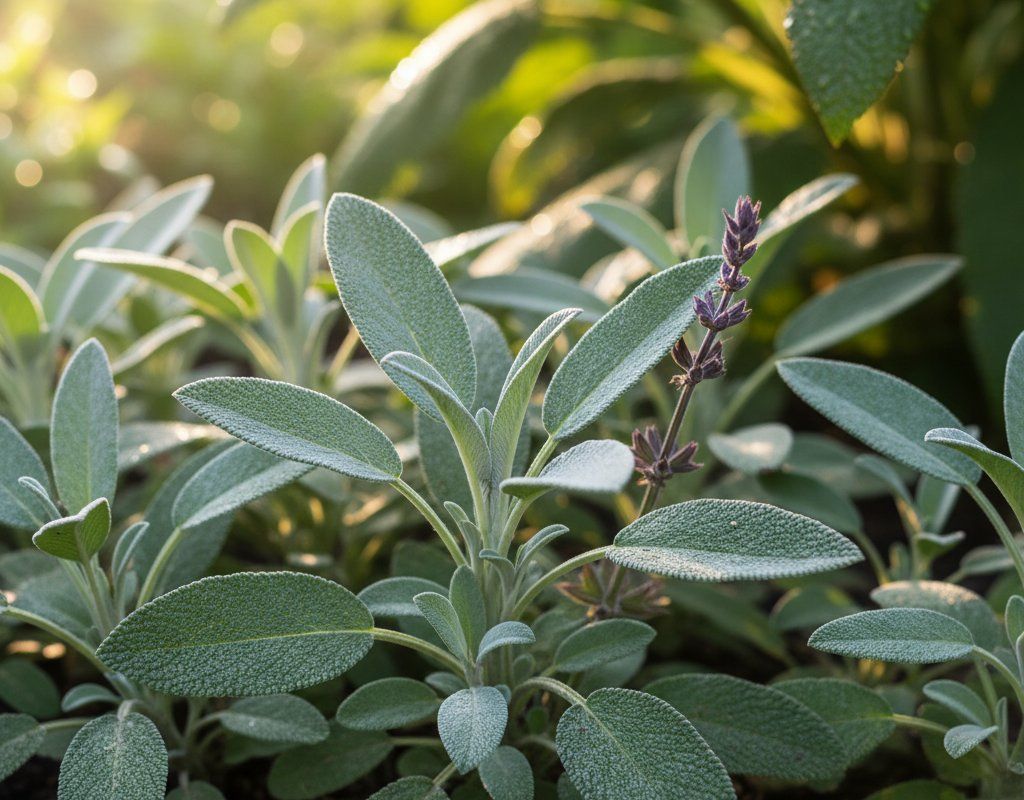
Avoid planting basil near sage or rue, which can inhibit basil's growth through allelopathic compounds. These Mediterranean herbs also prefer even drier conditions than basil can handle in our climate. Keep basil away from areas where you're growing brassicas too, since they attract different pests that don't help your herb garden ecosystem.
🌸Best Flowers to Plant with Basil
These flowers protect your Basil from pests and attract pollinators for better harvests.
For Pest Control




Get a Reminder When It's Time to Plant
We'll email you when key planting windows open for your zone.