
Basil in Zone 8A — Northern California
Ocimum basilicum · Your Complete 2026 Planting Guide
Missed Seed Starting? No Problem!
Wait for starts to become available.
What to Do
Starts will be available at nurseries in 20 days (around March 24).
How to Plant Basil in Zone 8A — Northern California
Here are all your options for getting basil in the ground, from the easiest method to more advanced approaches.
Direct Sow Seeds
RecommendedLate March through early October
around March 24
Consider succession planting every 2-3 weeks for continuous harvest.
Can direct sow after soil is warm, but indoor start gives earlier harvest.
Start Seeds Indoors
RecommendedEarly to late February
around February 10
Then transplant: Late March through early May
Start seeds 6-8 weeks before transplanting outdoors.
Buy Starts
Works WellLate March through early May
around March 24
Plant purchased starts after last frost (March 10).
Basil starts are widely available and inexpensive.
Transplant Outdoors
Timing InfoLate March through early May
around March 24
Wait until nighttime temperatures stay above 50°F.
You have a nice window — no need to rush.
Overview
Basil thrives in Northern California's Mediterranean climate, giving you months of fresh, aromatic leaves that put store-bought to shame. Our warm, dry summers and mild winters create perfect conditions for this heat-loving herb, and you can harvest continuously from late spring through our extended fall season. The intense flavor of homegrown basil transforms everything from summer tomato salads to winter pesto preservation.
Our region's variable microclimates and occasional late spring cold snaps can catch basil off guard since it's completely frost-tender. But with our generous 255-day growing season, proper timing gives you plenty of wiggle room to work with the weather patterns and still enjoy months of abundant harvests.
Starting Seeds Indoors
Starting basil seeds indoors makes sense if you want the earliest possible harvest or prefer specific varieties not available as transplants. Sow seeds in early to late February, about six weeks before you plan to transplant outdoors. This timing works well with Northern California's early spring pattern, giving you strong seedlings ready for our typical late March planting window.
Use seed-starting trays filled with quality potting mix, and keep them consistently warm (70-75°F) for best germination. Bottom watering works especially well for basil seeds since they're prone to damping-off disease when surface moisture sits too long. Place your trays near a sunny south-facing window or under grow lights once seedlings emerge.
The honest truth is that basil transplants are widely available and inexpensive throughout our region, so indoor starting is more about variety selection than necessity. But if you want purple ruffles basil or lemon basil specifically, starting from seed gives you options local nurseries might not carry.
Transplanting Outdoors
Transplant your basil seedlings outdoors from late March through early May, once nighttime temperatures consistently stay above 50°F. Northern California's spring can deliver surprise cold snaps even after our average last frost in early March, so watch the extended weather forecast and be ready to protect plants if needed.
Harden off seedlings gradually over a week by moving them outdoors for increasingly longer periods each day. Start with just a few hours of morning sun, then work up to full days outdoors. Space plants 12-18 inches apart to allow good air circulation, which helps prevent fungal issues in our low-humidity climate.
Plant transplants slightly deeper than they were growing in their containers, and water them in well with room-temperature water. Basil is notoriously sensitive to cold water shock, which can stunt growth for weeks. Morning transplanting gives plants time to settle before any afternoon heat stress.
Direct Sowing
Direct sowing basil works well in Northern California once soil temperatures reach 60°F consistently, typically from late March through early October. This extended sowing window lets you make succession plantings every few weeks for continuous harvests, especially useful if you're growing basil for preservation.
Prepare a sunny, well-draining bed by working compost into the soil. Sow seeds ¼-inch deep and keep the soil consistently moist until germination, which takes 7-14 days in warm conditions. Space seeds about 6 inches apart initially, then thin to 12-18 inches once true leaves develop.
The trade-off with direct sowing is timing—you'll get your first harvest about a month later than with transplants. But direct-sown plants often develop stronger root systems and handle our summer heat better once established. This method works especially well for summer succession plantings when transplants are harder to find.
Watering Basil in Zone 8A (Northern California)
Basil needs consistent moisture but can't tolerate soggy conditions, making watering strategy crucial in our dry-summer climate. During our typical growing season, aim for about 1-1.5 inches of water per week, adjusting based on temperature and your specific microclimate. The finger test works perfectly—stick your finger 2 inches into the soil, and water when it feels dry at that depth.
Our low humidity and moderate-to-hot summer temperatures (typically hitting 88°F) mean basil will need regular attention, especially in containers. Water deeply at the base of plants rather than overhead to prevent fungal diseases and conserve water during potential restrictions. Early morning watering works best, giving plants time to absorb moisture before afternoon heat stress.
Watch for basil's dramatic wilting signal—it droops theatrically when thirsty but bounces back quickly once watered. However, consistently letting plants reach this stress point reduces leaf quality and encourages premature flowering. Yellow leaves at the base often indicate overwatering, while brown, crispy leaf edges suggest underwatering or salt buildup from hard water.
A 2-inch layer of organic mulch helps retain soil moisture and keeps roots cool during our warmest months. In Northern California's fire-prone areas, consider using gravel mulch or keeping mulch materials well-watered during red flag conditions.
Pruning & Maintaining Basil
Pinch off flower buds the moment they appear—flowering immediately makes basil leaves bitter and signals the plant to stop producing tender new growth. Check your plants every few days during peak growing season, as flower buds can develop quickly in warm weather. Simply pinch or cut the flower spike above the nearest set of leaves.
Harvest regularly from the top of the plant, cutting just above a pair of leaves to encourage branching. This "pinch and harvest" approach keeps plants bushy and productive rather than tall and leggy. Never remove more than one-third of the plant at once, especially during hot weather when recovery takes longer.
As our first frost approaches in mid-November, you have a choice: harvest heavily for preservation or let the plant go to seed if you want to collect seeds for next year. Plants won't survive any frost, so plan your final harvest accordingly.
🧪Fertilizing Basil
Feeding Schedule
Organic Fertilizer Options
Harvest Time
Your first basil harvest typically arrives in late April through mid-November, about 30 days after planting. Start harvesting once plants have developed 3-4 sets of true leaves, cutting stems just above a leaf pair to encourage continued branching. Always use clean scissors or pinch with your fingernails to avoid damaging stems.
Fresh basil leaves are ready anytime they look full-sized and healthy. Morning harvest, after dew evaporates but before afternoon heat, gives you the most aromatic leaves. The oils that give basil its flavor are strongest when plants are well-hydrated but not heat-stressed.
For continuous production, harvest regularly rather than waiting for large quantities. Taking a few stems every week keeps plants producing new growth and prevents flowering. Cut stems can last several days in water on your kitchen counter, much longer than refrigerated leaves.
As mid-November approaches and first frost threatens, harvest heavily for making pesto, freezing in ice cubes, or drying. Basil won't survive any frost, so don't wait for a weather warning—gather everything while leaves are still pristine.
Common Problems in Zone 8A (Northern California)
Downy mildew shows up as yellow patches on leaf tops with fuzzy gray-purple growth on the undersides. Leaves brown and die from the bottom up, and the problem spreads quickly in cool, humid conditions. Our Northern California morning fog, especially along the coast, creates perfect conditions for this fungal-like pathogen to spread via wind-carried spores.
Remove affected leaves immediately and improve air circulation around plants. Water at the base rather than overhead, and avoid working with wet plants. Copper-based fungicides can help prevent spread, but good cultural practices work better long-term. Plant resistant varieties when available—some newer Genovese types show good resistance.
Fusarium wilt causes wilting on one side of the plant first, followed by yellowing leaves and brown streaks visible when you cut the stem open. This soil-borne fungus thrives in warm soil temperatures and persists for years once established. Our warm, dry summers create ideal conditions for this disease to develop.
There's no cure once plants are infected—remove and destroy affected plants immediately. Look for resistant varieties marked with 'F' on seed packets, and rotate basil to different garden areas on a 4-year cycle. Raising soil pH above 6.5 helps suppress the fungus, and soil solarization during our hottest summer months can reduce pathogen levels.
Aphids appear as clusters of tiny soft-bodied insects (green, black, or white) on stems and leaf undersides, leaving sticky honeydew residue and causing curled new growth. These sap-sucking pests multiply rapidly in warm weather, and ant colonies often farm them for their sweet secretions.
A strong water spray knocks aphids off plants effectively. Encourage natural predators like ladybugs and lacewings by planting diverse flowers nearby. For heavy infestations, insecticidal soap or neem oil work well, but avoid excess nitrogen fertilizer which makes plants more attractive to aphids.
Northern California Specific Challenges: Our combination of moderate-to-hot heat, low humidity, and dry summers means basil faces more heat stress and water competition than in humid climates. However, the same conditions that challenge the plant also reduce many fungal disease pressures, making basil generally easier to grow here than in more humid regions.
Best Companions for Basil
Plant these nearby for healthier Basil and better harvests.
Keep Away From
Companion Planting Details
Basil and tomatoes make classic companions for good reasons—basil's strong scent may help repel tomato hornworms, and both plants thrive in the same warm, sunny conditions. Plant basil around the edges of tomato beds or interspersed between plants. Peppers also pair well with basil, sharing similar water and heat requirements while potentially benefiting from basil's pest-deterrent properties.
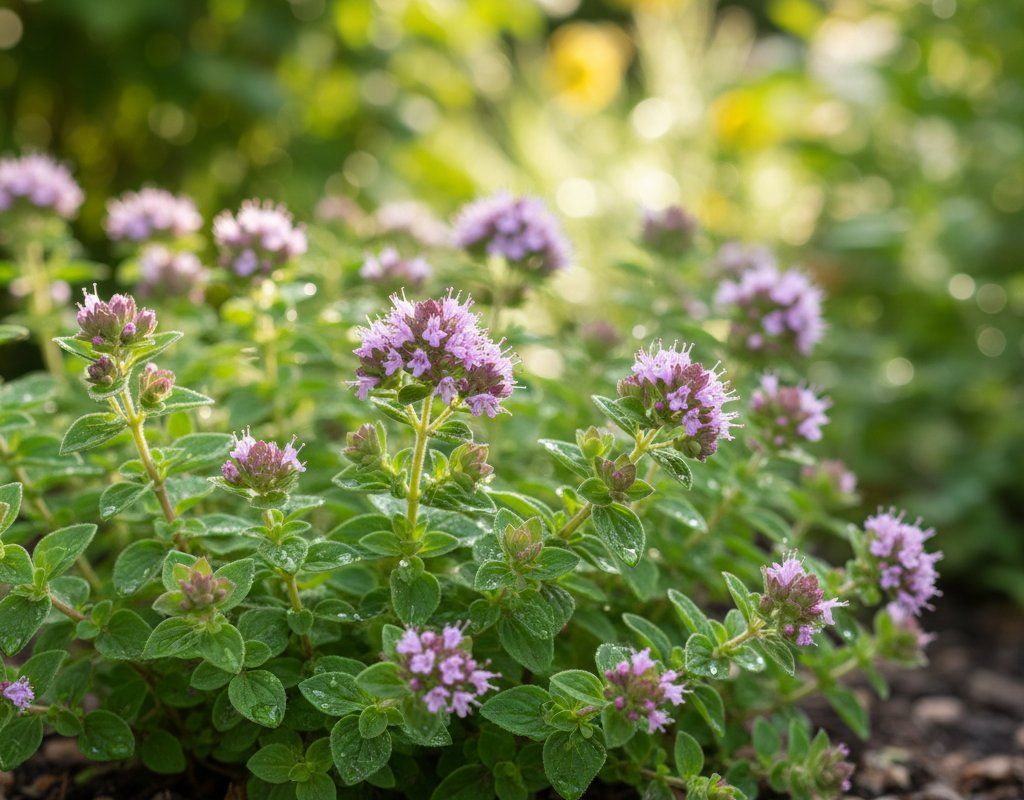
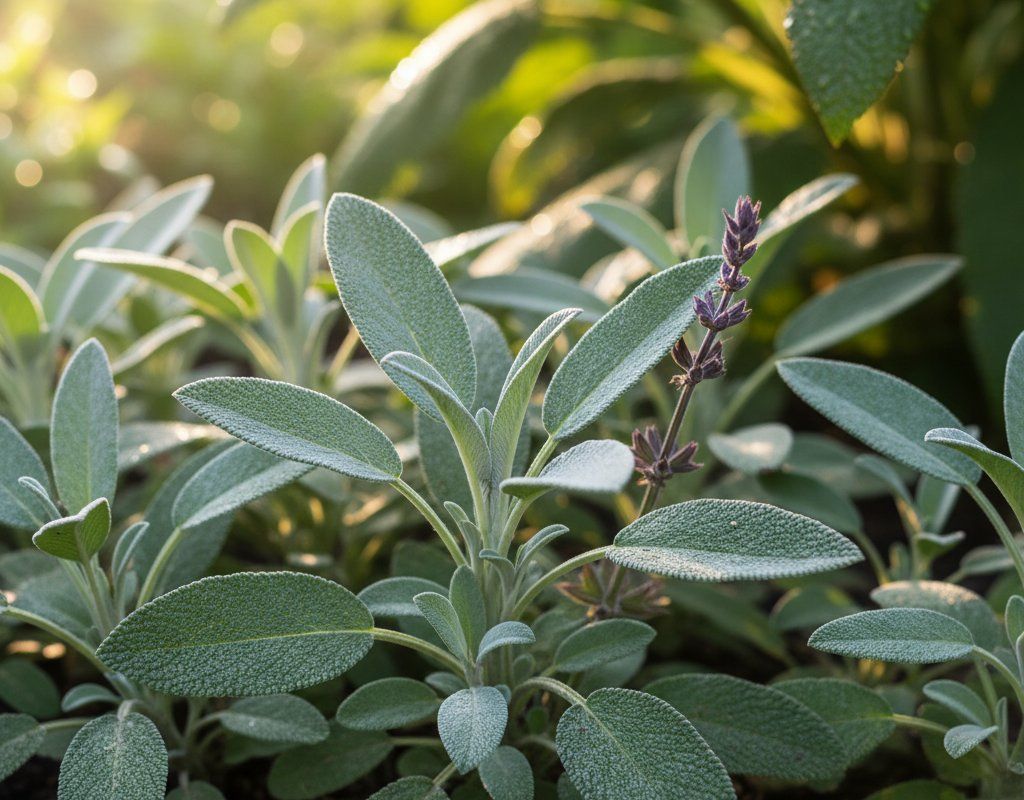
Oregano works as another good companion since both herbs prefer well-draining soil and similar watering schedules. Avoid planting basil near sage or rue, as these plants can inhibit basil's growth through natural chemical compounds they release into the soil. In our Mediterranean climate, focus on grouping plants with similar water needs to maximize efficiency during our dry summers and potential water restrictions.
🌸Best Flowers to Plant with Basil
These flowers protect your Basil from pests and attract pollinators for better harvests.
For Pest Control




Get a Reminder When It's Time to Plant
We'll email you when key planting windows open for your zone.