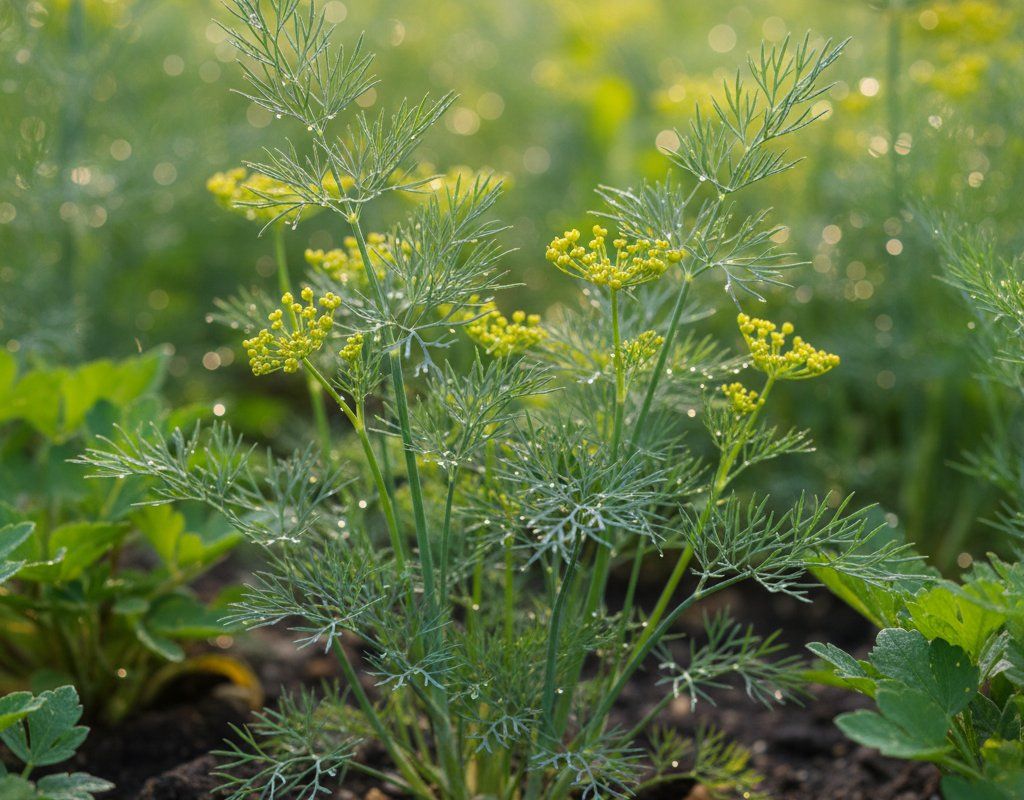
Dill in Zone 8A — Northern California
Anethum graveolens · Your Complete 2026 Planting Guide
Missed Seed Starting? No Problem!
Wait for starts to become available.
What to Do
Starts will be available at nurseries in 13 days (around March 17).
How to Plant Dill in Zone 8A — Northern California
Here are all your options for getting dill in the ground, from the easiest method to more advanced approaches.
Direct Sow Seeds
RecommendedEarly March through late September
around March 10
Consider succession planting every 2-3 weeks for continuous harvest.
Dill has a taproot and prefers direct sowing, but transplants work if handled carefully.
Start Seeds Indoors
RecommendedEarly February through early March
around February 17
Then transplant: Mid March through late April
Start seeds 4-6 weeks before transplanting outdoors.
Buy Starts
Works WellMid March through late April
around March 17
Plant purchased starts after last frost (March 10).
Transplant Outdoors
Timing InfoMid March through late April
around March 17
Can tolerate light frost, but wait for soil to be workable.
You have a nice window — no need to rush.
Fall Planting
Late September through late October
October 9 ideal · Direct sow for fall harvest
Plant a second crop in mid-summer for fall harvest. Dill actually prefers the cooling temperatures of fall.
Overview
Dill thrives in our Northern California Mediterranean climate, offering that distinctive feathery foliage and tangy flavor that transforms everything from pickles to potato salad. You'll love having fresh dill at your fingertips during our long growing season, especially since store-bought dill wilts so quickly and lacks the punch of garden-fresh herbs. The plant's upright growth habit works perfectly in our well-draining soils, and both the leaves and seeds are culinary treasures.
Our warm, dry summers can make dill bolt quickly, but with our 255-day growing season, you have plenty of opportunities for succession plantings. Plant it during our mild spring and fall months to avoid the heat stress that sends it straight to seed. The key is working with our Mediterranean climate rather than fighting it.
Starting Seeds Indoors
Starting dill indoors isn't the most common approach since it develops a taproot, but it can work if you want to get a head start on the season. Start seeds from early February through early March, about four weeks before you plan to transplant outdoors. Our early spring gives you flexibility with timing.
Use seed trays with good drainage and keep them consistently moist using bottom watering - this prevents the delicate seedlings from getting waterlogged. A warm spot (65-70°F) helps with germination, though dill seeds are generally easy to sprout. Once they're up, they'll need bright light to prevent getting leggy.
Handle the seedlings gently when it's time to transplant, as disturbing that taproot can set them back. If you're new to dill, direct sowing might be more forgiving, but indoor starting gives you better control over timing in our variable spring weather.
Transplanting Outdoors
Transplant your indoor-started dill seedlings from mid-March through late April, once our last frost risk has passed. In most of Northern California, that's typically around early March, but watch your specific microclimate - some areas stay colder longer. You want soil temperatures consistently above 50°F.
Harden off seedlings for about a week before planting by gradually increasing their outdoor exposure. Start with a few hours of morning sun, then work up to full days outside. Our spring weather can swing from mild to surprisingly warm, so this gradual transition helps prevent shock.
Space plants 12 inches apart to give them room to develop their full, feathery growth. Handle the root ball gently during planting - dill's taproot doesn't like disturbance. Water them in well after transplanting, and expect them to look a bit droopy for the first few days while they establish.
Direct Sowing
Direct sowing is actually dill's preferred method since it avoids any root disturbance. You can sow seeds from early March through late September, giving you multiple opportunities for fresh harvests. The key is timing plantings to avoid our hottest summer months when dill bolts immediately.
Prepare a well-draining bed in full sun - our clay soils benefit from some compost worked in for better drainage. Dill seeds are small, so scatter them lightly and barely cover with soil. Keep the seedbed consistently moist until germination, which usually takes 7-10 days in our spring conditions.
Thin seedlings to 12 inches apart once they're a few inches tall. For continuous harvests, sow new seeds every 2-3 weeks through spring, skip the hottest part of summer, then resume in early fall. This succession planting approach works perfectly with our extended growing season.
Watering Dill in Zone 8A (Northern California)
Dill needs consistent but moderate moisture, especially important in our dry-summer climate. During spring establishment, water deeply when the top 2 inches of soil feel dry - usually every 2-3 days depending on your soil type and weather. Our low humidity means soil dries out faster than you might expect.
Once established, dill can handle some drought but performs much better with regular watering. Aim for about 1 inch per week, including any rainfall we get. Water at soil level rather than overhead - our low humidity makes foliar diseases less of a concern, but ground watering is more efficient and reduces evaporation.
Summer heat will make dill bolt quickly regardless of watering, so focus your efforts on spring and fall plantings. During our hot months, even perfect watering won't prevent that rush to seed. A thin layer of mulch helps retain soil moisture and keeps roots cooler, but don't pile it against the stems.
Watch for signs of stress: drooping in the heat means it needs water, while yellowing lower leaves often indicates overwatering or poor drainage. In our Mediterranean climate, it's better to water deeply but less frequently than to keep soil constantly damp.
🧪Fertilizing Dill
Feeding Schedule
Organic Fertilizer Options
Harvest Time
You can start harvesting dill leaves about 40 days from seeding, typically from mid-April through late November with succession plantings. The feathery foliage is best when harvested in the morning after dew has dried but before the day heats up. Cut individual fronds near the base, or snip off outer growth while leaving the center to continue producing.
For the freshest flavor, harvest regularly to keep the plant producing new growth. Once dill starts forming flower heads, the leaves become more bitter, so either remove the flowers to extend leaf production or let them develop if you want dill seeds. The timing depends on your goals - continuous leaf harvest versus seed collection.
If you're growing for dill seeds, let the flower heads mature until they turn brown and dry, usually 90-110 days from sowing. Cut the entire head and shake seeds into a paper bag. This works well with fall plantings that mature as our weather cools.
As first frost approaches in mid-November, harvest any remaining plants entirely. Dill doesn't survive our winter frosts, but you can dry or freeze the harvest to enjoy that fresh garden flavor through the dormant months.
Common Problems in Zone 8A (Northern California)
Bolting is your biggest challenge with dill in Northern California. The plant suddenly sends up tall flower stalks, and the leaves turn bitter and tough. Our warm days and long summer daylight trigger this premature flowering, shifting the plant's energy from leaf production to seed development. Plant during cooler months (spring and fall), provide afternoon shade during warm spells, and keep soil consistently moist. Choose slower-bolting varieties like 'Fernleaf' for better heat tolerance.
Aphids love dill's tender new growth, appearing as clusters of tiny green or black insects on stems and leaf undersides. You'll notice sticky honeydew residue and distorted leaves. Our warm, dry conditions can lead to population explosions, especially on stressed plants. Knock them off with a strong spray from the hose, encourage beneficial insects like ladybugs, and avoid over-fertilizing with nitrogen, which makes plants more attractive to aphids.
Caterpillars, particularly swallowtail butterfly larvae, can strip dill plants quickly. These large, striped caterpillars are actually beautiful creatures, but they can defoliate small plants overnight. Hand-pick them if you only have a few plants - many gardeners actually grow extra dill specifically to feed these beneficial butterflies. For larger infestations, Bt (Bacillus thuringiensis) is an organic control that targets caterpillars without harming other insects.
Northern California Specific Challenges: Our moderate-to-hot summers and intense sun make bolting inevitable during peak heat. Combined with potential water restrictions during drought years, this means timing is everything. Focus on spring and fall plantings, and consider partial shade locations during summer attempts. Our variable microclimates mean coastal gardens can grow dill longer into summer than inland valleys.
Best Companions for Dill
Plant these nearby for healthier Dill and better harvests.


Keep Away From
Companion Planting Details
Dill makes an excellent companion for cabbage family plants, naturally repelling cabbage worms and aphids while attracting beneficial insects that prey on garden pests. Plant it near lettuce and other cool-season greens - the dill's upright growth provides light shade as weather warms, helping prevent your greens from bolting too quickly. Cucumbers also benefit from dill's presence, as it attracts predatory insects that control cucumber beetles.
Avoid planting dill near carrots, as they can cross-pollinate and affect flavor if allowed to go to seed. Keep it away from tomatoes too - dill can actually stunt tomato growth and may attract tomato hornworms. In our Northern California gardens where space is often at a premium, these companion relationships help you make the most of every square foot while working with our Mediterranean growing conditions.
🌸Best Flowers to Plant with Dill
These flowers protect your Dill from pests and attract pollinators for better harvests.
For Pest Control




Get a Reminder When It's Time to Plant
We'll email you when key planting windows open for your zone.