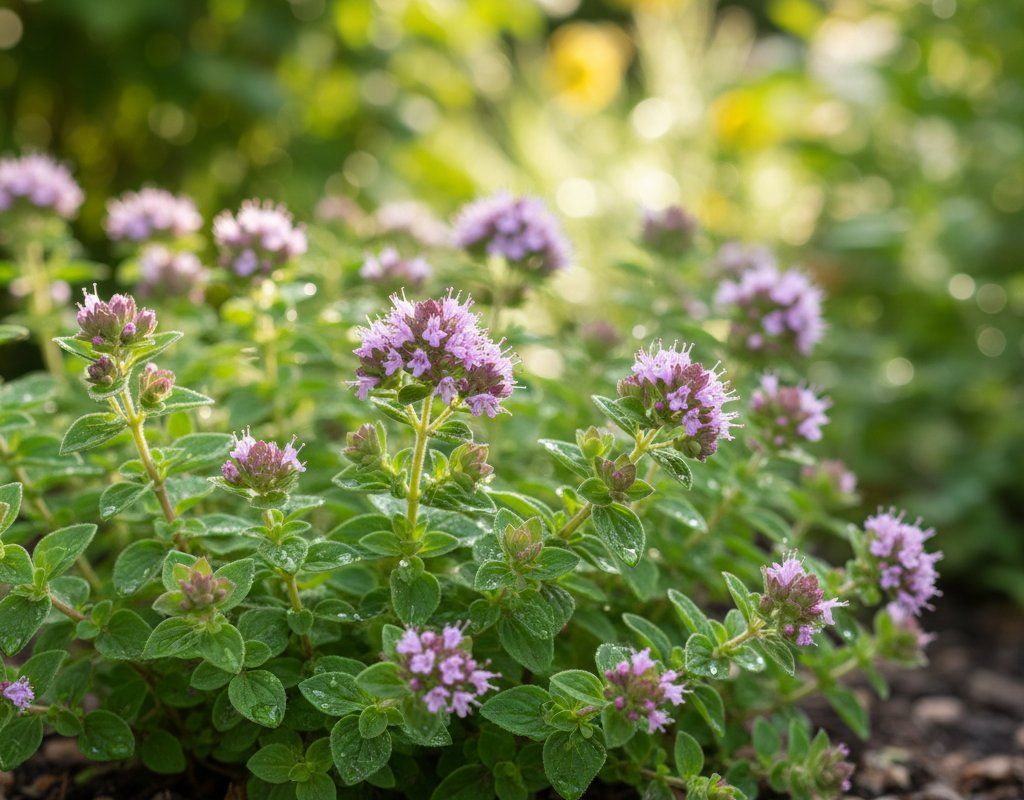
Oregano in Zone 8A — Northern California
Origanum vulgare · Your Complete 2026 Planting Guide
Missed Seed Starting? No Problem!
Wait for starts to become available.
What to Do
Starts will be available at nurseries in 6 days (around March 10).
How to Plant Oregano in Zone 8A — Northern California
Here are all your options for getting oregano in the ground, from the easiest method to more advanced approaches.
Buy Starts
RecommendedEarly March through late April
around March 10
Plant purchased starts after last frost (March 10).
Easy from seed but slow. Starts give faster results.
Start Seeds Indoors
Works WellEarly to late January
around January 13
Then transplant: Early March through late April
Start seeds 8-10 weeks before transplanting outdoors.
Direct Sow Seeds
Works WellEarly March through late September
around March 10
Consider succession planting every 2-3 weeks for continuous harvest.
Transplant Outdoors
Timing InfoEarly March through late April
around March 10
Can tolerate light frost, but wait for soil to be workable.
You have a nice window — no need to rush.
Overview
Oregano transforms from a grocery store afterthought into a powerhouse herb once you grow your own in Northern California's Mediterranean climate. Fresh oregano delivers an intense, aromatic punch that dried versions can't match — perfect for year-round pizza, pasta, and Mediterranean dishes that thrive in our similar climate. Your 255-day growing season means you'll harvest fresh sprigs from late spring through late fall, making this drought-tolerant perennial a smart addition to any water-wise garden.
Our warm, dry summers and mild winters create ideal oregano conditions, though you'll need to navigate our fire season awareness and occasional water restrictions. The key is getting your timing right during our early spring planting window and establishing plants before summer heat arrives. Once settled, oregano practically takes care of itself in our low-humidity climate.
Starting Seeds Indoors
Starting oregano seeds indoors works well in Northern California, especially if you want multiple plants or specific varieties. Sow seeds in early to late January, about 8 weeks before your transplant window opens in early March. Oregano seeds are tiny and slow to germinate — expect 10-14 days even with consistent warmth.
Set up your seed trays on a heat mat or warm spot (65-70°F) and keep soil consistently moist through bottom watering. A spray bottle mist works too since the seeds are so small. Once seedlings emerge, they'll need bright light or grow lights for 12-14 hours daily.
Your early spring start timing works perfectly with our Northern California climate pattern. By the time March arrives and soil temps warm up, your seedlings will be ready to harden off and transplant into the garden.
Transplanting Outdoors
Transplant oregano seedlings outdoors from early March through late April, once soil temperatures consistently reach 50°F and your last frost risk passes. In our region, this timing captures the sweet spot before summer heat arrives but after winter's chill fades. Space plants 12-18 inches apart — oregano spreads as it matures, and good air circulation prevents humidity-related issues.
Harden off seedlings gradually over one week, starting with 2-3 hours of morning sun and building to full outdoor exposure. Our spring temperature swings can shock tender seedlings, so this gradual transition is crucial. Choose your sunniest garden spot with well-draining soil.
Transplants establish faster than direct-sown seeds, giving you harvestable herbs by late April or early May. This method works especially well if you're starting just a few plants or want to ensure success in your specific microclimate.
Direct Sowing
Direct sowing oregano works well in Northern California's long growing season, though seeds are slow starters compared to transplants. Sow from early March through late September when soil temperatures reach at least 50°F. Your extended planting window means you can succession plant for continuous harvests or replace plants that bolt in summer heat.
Prepare your soil by working in compost and ensuring good drainage — oregano hates wet feet. Scatter seeds lightly on the surface and barely cover them, as they need light to germinate. Keep the seeded area consistently moist for 2-3 weeks until germination occurs.
Space eventual plants 12-18 inches apart by thinning seedlings once they're 2 inches tall. Direct-sown plants take longer to reach harvest size (about 8-10 weeks versus 4-6 for transplants), but they often develop stronger root systems that handle our dry summer conditions better.
Watering Oregano in Zone 8A (Northern California)
Oregano's drought tolerance makes it perfect for Northern California's water-conscious gardening, but establishment requires consistent moisture. Water newly planted oregano 2-3 times weekly for the first month, then scale back as roots develop. Once established (about 6-8 weeks), oregano needs water only when the top 2 inches of soil feel dry to your finger test.
During our dry summer months, deep watering once weekly typically suffices for established plants. Apply about 1 inch of water at the base rather than overhead — our low humidity means disease pressure is minimal, but efficient water use matters during restriction periods. Summer's moderate-to-hot temperatures (often reaching 88°F) increase water needs slightly, but oregano handles heat stress better than most herbs.
Watch for signs of stress: wilting during the hottest part of the day is normal, but if plants don't perk up by evening, increase watering frequency. Overwatering shows as yellowing leaves and weak, leggy growth — plus it dilutes the essential oils that give oregano its intense flavor. Gray or black stems indicate root rot from too much moisture.
A thin layer of mulch around plants conserves moisture and reduces watering needs, but keep mulch away from the plant's crown to prevent rot. In our fire-prone region, choose gravel mulch or keep organic mulches well-watered and maintained.
Pruning & Maintaining Oregano
Oregano needs minimal pruning, but strategic cutting keeps plants productive and compact. Pinch flower buds as they form if you want the strongest leaf flavor — flowering shifts the plant's energy from leaf production to seed development. However, oregano flowers attract beneficial insects, so consider leaving some plants to bloom if you have space.
Cut plants back by one-third in midsummer (usually July) to encourage fresh, tender growth for fall harvests. This rejuvenation pruning works especially well in our climate since plants have plenty of warm weather ahead to regrow. Make cuts just above a leaf pair to encourage branching.
In late fall, around mid-November as first frost approaches, cut plants back to 2 inches above ground level. This prepares oregano for winter dormancy and prevents wind damage to dried stems. In our mild winters, oregano often stays semi-evergreen, sending up new growth by late February.
🧪Fertilizing Oregano
Feeding Schedule
Organic Fertilizer Options
Harvest Time
Your first oregano harvest comes surprisingly early in Northern California — expect to clip sprigs by late April if you transplanted in early March. Harvest once plants reach 4+ inches tall by cutting stems just above a leaf pair. This encourages branching and more productive growth throughout the season.
The most flavorful oregano comes just before plants flower, when essential oil concentration peaks. Look for sturdy stems with fully developed leaves that have that distinctive oregano aroma when rubbed. Cut in early morning after dew dries but before afternoon heat — this timing captures peak oil content.
Harvest continuously through our long growing season by cutting outer stems first, leaving the center to keep growing. Take up to one-third of the plant at any harvest, cutting stems 3-4 inches long. Regular harvesting keeps plants bushy and prevents them from getting woody or going to seed too quickly.
As first frost approaches in mid-November, take a final big harvest for drying or freezing. Cut stems just above the lowest leaves since you'll be doing your winter cutback soon anyway. This final harvest often provides the most intense flavor as plants concentrate their energy before dormancy.
Common Problems in Zone 8A (Northern California)
Root Rot Oregano stems turn black or gray at soil level, and plants suddenly wilt despite moist soil. Leaves yellow from the bottom up, and the entire plant may collapse. Root rot develops when oregano sits in waterlogged soil — particularly problematic in heavy clay or poorly draining areas. Our winter rains can exacerbate this issue even though oregano is generally drought-tolerant. Prevent root rot by improving drainage with compost or raised beds, watering at soil level rather than overhead, and avoiding overwatering during cool weather. Once root rot appears, it's usually fatal — remove affected plants and improve drainage before replanting.
Aphids Look for clusters of tiny, soft-bodied insects (green, black, or white) on stems and leaf undersides. You'll notice sticky honeydew residue on leaves and curled or distorted new growth. Aphid populations explode during our warm spring weather when new growth is tender and nitrogen levels are high. Ants often farm aphids for their honeydew, so you might see increased ant activity too. Knock aphids off with a strong water spray daily for a week. Encourage natural predators like ladybugs and lacewings by avoiding broad-spectrum pesticides. For heavy infestations, apply insecticidal soap or neem oil, focusing on leaf undersides where aphids hide.
Spider Mites Fine stippling appears on leaves (tiny white or yellow dots), followed by bronze or yellowing foliage. You'll see fine webbing on leaf undersides and between stems in severe cases. Spider mites thrive in Northern California's hot, dry summer conditions — they're actually arachnids that multiply rapidly during drought stress. Our low humidity creates perfect conditions for population explosions. Increase humidity around plants with daily water sprays, focusing on leaf undersides. This mechanical control works better than most sprays. Neem oil or insecticidal soap helps with severe infestations, but avoid broad-spectrum pesticides that kill beneficial predatory mites.
Northern California Specific Challenges: Our moderate-to-hot summers with low humidity create ideal spider mite conditions, while fire season restrictions may limit your ability to maintain adequate moisture around plants. Winter's wet-dry cycles can trigger root rot if drainage isn't adequate, and microclimates throughout the region mean your oregano's water needs may vary significantly from your neighbor's.
Best Companions for Oregano
Plant these nearby for healthier Oregano and better harvests.

Keep Away From
Companion Planting Details
Oregano makes an excellent companion for warm-season crops that share its love of full sun and well-draining soil. Plant it near tomatoes and peppers — oregano's strong scent helps repel aphids and other soft-bodied pests that target these crops. The herb's sprawling growth habit also provides living mulch that conserves moisture around pepper plants during our dry summers. Squash and beans benefit from oregano's pest-deterrent properties, and the nitrogen-fixing beans can provide gentle fertility that oregano appreciates without encouraging excessive leafy growth.
Oregano doesn't have significant bad companions, making it easy to fit into Northern California gardens. Its main requirement is avoiding plants that need frequent watering or boggy conditions, since oregano performs best when allowed to dry out between waterings. The herb's Mediterranean origins make it naturally compatible with our climate and most vegetables that thrive in our warm, dry summers and mild winters.
🌸Best Flowers to Plant with Oregano
These flowers protect your Oregano from pests and attract pollinators for better harvests.
For Pest Control



Get a Reminder When It's Time to Plant
We'll email you when key planting windows open for your zone.