
Parsley in Zone 8A — Northern California
Petroselinum crispum · Your Complete 2026 Planting Guide
Time to Buy Starts!
Seed starting window passed, but starts are available now.
Buy Starts Now
Head to your local nursery, Home Depot, or farmers market for transplants.
- Look for stocky plants with dark green leaves
- Avoid leggy seedlings or plants already flowering
- Check that roots aren't circling the pot (rootbound)
How to Plant Parsley in Zone 8A — Northern California
Here are all your options for getting parsley in the ground, from the easiest method to more advanced approaches.
Direct Sow Seeds
RecommendedLate February through late August
around February 24
Consider succession planting every 2-3 weeks for continuous harvest.
Parsley is slow to germinate (2-4 weeks). Soaking seeds helps.
Start Seeds Indoors
RecommendedLate December through mid January
around December 30
Then transplant: Late February through late March
Start seeds 8-10 weeks before transplanting outdoors.
Start indoors 8-10 weeks early due to slow germination.
Buy Starts
Works WellLate February through late March
around February 24
Plant purchased starts after last frost (March 10).
Transplant Outdoors
Timing InfoLate February through late March
around February 24
Can tolerate light frost, but wait for soil to be workable.
You have a nice window — no need to rush.
Fall Planting
Early September through early October
September 18 ideal · Direct sow for fall harvest
Plant a second crop in mid-summer for fall harvest. Parsley actually prefers the cooling temperatures of fall.
Overview
Parsley thrives in Northern California's Mediterranean climate, offering continuous harvests from late spring through fall in our 255-day growing season. This biennial herb produces abundant, flavorful leaves during its first year, with both flat-leaf and curly varieties performing exceptionally well in our mild winters and warm summers. You'll appreciate having fresh parsley year-round for cooking, and the plants will overwinter beautifully in our Zone 8A conditions.
While our dry summers and occasional heat waves can stress many herbs, parsley's moderate water needs align well with water-wise gardening practices. The key is timing your plantings to take advantage of our early spring start and extended fall growing season, avoiding the most intense summer heat while maximizing your harvest window.
Starting Seeds Indoors
Starting parsley seeds indoors makes sense if you want an early spring harvest or prefer to control germination conditions. Sow seeds in late December through mid-January, about 8 weeks before transplanting outdoors in late February. Parsley seeds are notoriously slow to germinate, often taking 2-4 weeks, so patience is essential.
Set up seed trays with good drainage and keep them consistently moist using bottom watering. The seeds need warmth (65-70°F) and consistent moisture during the lengthy germination period. Once seedlings emerge, provide bright light or grow lights for 12-14 hours daily.
Since Northern California's spring arrives early, indoor starting gives you a head start on the growing season. However, parsley direct sows well here, so indoor starting is more about convenience than necessity in our mild climate.
Transplanting Outdoors
Transplant your indoor-started parsley seedlings outdoors from late February through late March, after hardening them off gradually over a week. Start by placing seedlings outside for just a few hours in a protected spot, gradually increasing their exposure to wind, sun, and temperature fluctuations until they can handle full outdoor conditions.
Space plants 6-10 inches apart in well-draining soil amended with compost. Choose a location that gets morning sun but some afternoon shade during our warmer months. Plant at the same depth they were growing in their containers, and water thoroughly after transplanting.
Watch for late winter rain patterns that can make soil too soggy for transplanting. If February brings heavy rains, wait for soil to dry out sufficiently before planting. Our microclimates vary wildly, so coastal gardeners may transplant earlier than inland areas where frost lingers longer.
Direct Sowing
Direct sowing parsley works well in Northern California from late February through late August, though spring and fall sowings perform better than midsummer plantings. Prepare your soil by working in compost and ensuring good drainage - parsley won't tolerate waterlogged conditions during our wet winters.
Soak seeds overnight before planting to speed germination, then sow them ¼ inch deep and 6-10 inches apart. Keep soil consistently moist during the 2-4 week germination period. Spring sowings benefit from our natural rainfall, while summer plantings require regular watering.
For continuous harvests, succession plant every 3-4 weeks from spring through early fall. Fall plantings established by early October will overwinter beautifully and provide fresh parsley through the mild winter months when many other herbs have died back.
Watering Parsley in Zone 8A (Northern California)
Parsley needs consistent, moderate moisture throughout its growing season, making it less drought-tolerant than many Mediterranean herbs. Aim for about 1 inch of water per week, adjusting based on our dry summer conditions and your specific microclimate. The finger test works well - stick your finger 2 inches into the soil, and water when it feels dry at that depth.
During Northern California's dry summers, you'll need to water 2-3 times per week, focusing on deep, infrequent watering rather than daily shallow applications. Water at the base of plants in the morning to reduce evaporation in our low-humidity climate. Avoid overhead watering during hot afternoons, which can stress plants and waste precious water during potential restrictions.
In winter, scale back watering significantly as our natural rainfall usually provides adequate moisture. However, if we experience one of our periodic dry winters, supplement with weekly watering. Watch for signs of stress: wilting despite moist soil often indicates overwatering and potential root rot, while yellowing outer leaves typically signals underwatering.
Apply 2-3 inches of organic mulch around plants to retain soil moisture and reduce watering needs. This is especially valuable during fire season when water restrictions may limit your irrigation options.
🧪Fertilizing Parsley
Feeding Schedule
Organic Fertilizer Options
Harvest Time
Begin harvesting parsley about 70 days after planting, typically from early May through late November in Northern California. Look for stems with at least three segments of leaves - these outer stems are ready for cutting. Always harvest by cutting stems at the base near soil level rather than pinching tips, which encourages bushier growth and continuous production.
Take no more than one-third of the plant at any harvest to keep it productive. Cut outer stems first, allowing inner growth to continue developing. Fresh cuts will stimulate new growth, giving you harvests every 2-3 weeks throughout the growing season. The plants will slow production during the hottest part of summer but resume vigorous growth as temperatures moderate in fall.
Since parsley is biennial, first-year plants focus on leaf production while second-year plants flower and set seed. To maintain leaf quality, remove flower stalks as they appear, though you may want to let a few plants go to seed for next year's crop. As our first frost approaches in mid-November, harvest heavily and preserve leaves by freezing or drying.
The mild winters allow parsley plants to survive and provide occasional harvests through winter, then resume active growth in early spring before eventually flowering in their second year.
Common Problems in Zone 8A (Northern California)
Slow Germination Parsley seeds can take 2-4 weeks to germinate, leading to frustration and assumptions that seeds have failed. The hard seed coat naturally inhibits quick sprouting, and cool spring soil temperatures can further delay emergence. Soak seeds overnight in warm water before planting, ensure soil stays consistently moist (not soggy), and maintain soil temperatures around 65-70°F. Be patient - germination rates improve significantly after the first week of consistently warm weather.
Carrot Rust Fly Small dark flies hovering near plants, followed by wilting foliage despite adequate soil moisture, indicate carrot rust fly infestation. Larvae tunnel into parsley roots, creating rusty brown damage that weakens plants. Row covers provide the most effective prevention, especially during peak fly activity in late spring and early fall. Interplant with onions whose scent confuses the flies, and avoid thinning during active periods since bruised leaves attract them.
Crown Rot Blackened, mushy stems at soil level signal crown rot, typically caused by overwatering combined with poor drainage. Plants may appear healthy above ground initially, then suddenly collapse. This fungal disease thrives in Northern California's wet winter conditions when soil doesn't drain properly. Improve drainage with raised beds or amended soil, reduce watering during rainy periods, and ensure good air circulation around plants.
Northern California Specific Challenges: Our dry summers stress parsley more than many gardeners expect, while winter rains can create drainage issues. The combination of low humidity and moderate-to-hot temperatures means you'll need consistent watering without overwatering, a balance that takes practice in our variable microclimates.
Best Companions for Parsley
Plant these nearby for healthier Parsley and better harvests.
View Full Companion Planting Chart →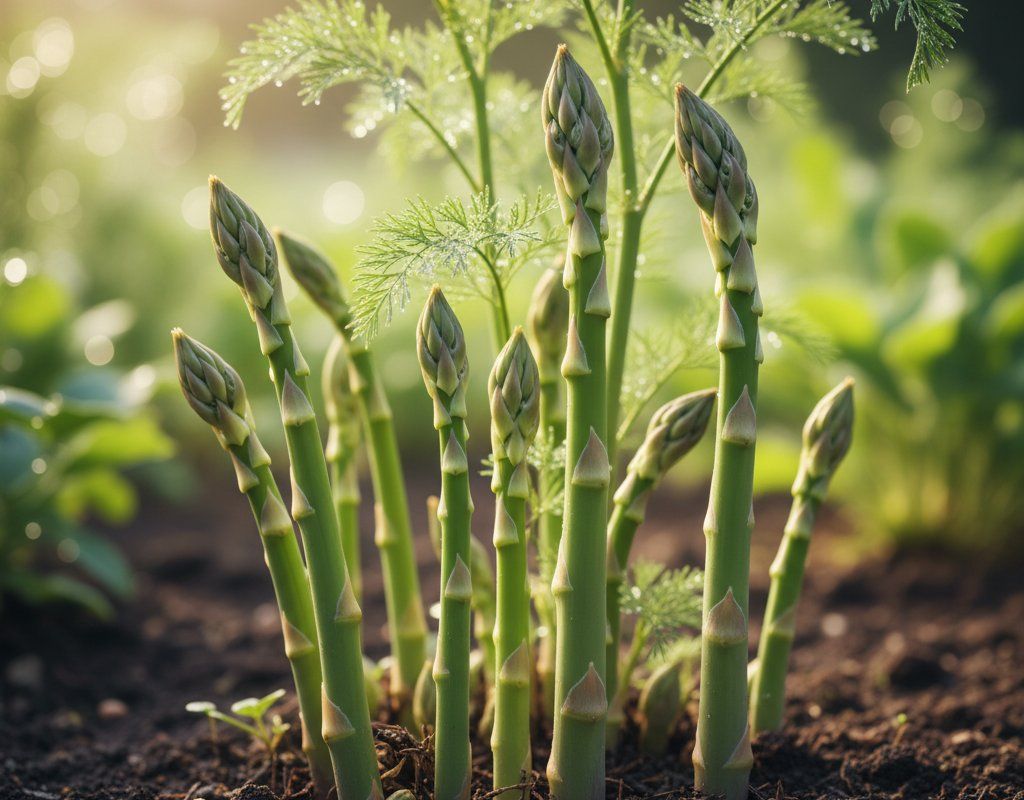



Companion Planting Details
Parsley makes an excellent companion for tomatoes, helping to improve their flavor while deterring some pests with its strong scent. Plant parsley near asparagus beds where it can naturalize and provide ongoing harvests without interfering with spear production. Corn benefits from parsley's ability to attract beneficial insects that prey on corn pests, while roses appreciate parsley's pest-deterrent properties and ability to improve soil health through its deep taproot.
Avoid planting parsley near lettuce, as both have similar water and nutrient needs that create competition in our water-conscious Northern California gardens. Keep parsley away from mint, which can become aggressively invasive and overwhelm the slower-growing parsley plants. In our Mediterranean climate, focus on grouping parsley with plants that share similar moderate water needs rather than drought-tolerant herbs that prefer drier conditions.
🌸Best Flowers to Plant with Parsley
These flowers protect your Parsley from pests and attract pollinators for better harvests.
For Pest Control




Get a Reminder When It's Time to Plant
We'll email you when key planting windows open for your zone.