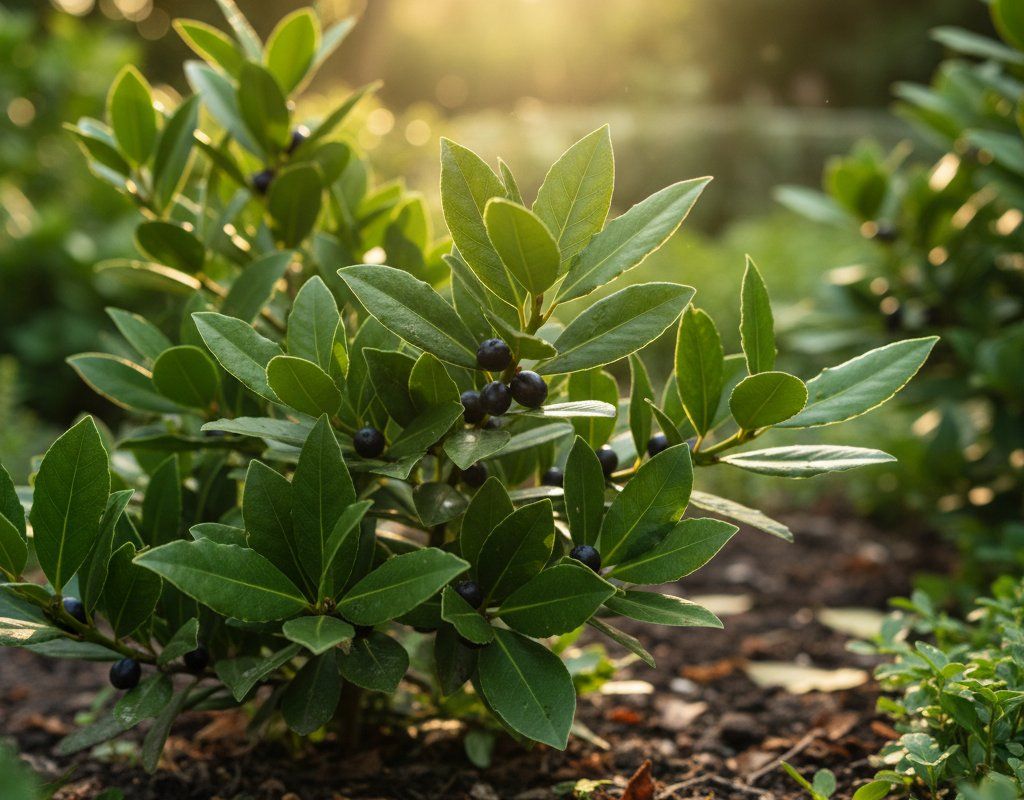
Bay Laurel in Zone 4B — Mountain West
Laurus nobilis · Your Complete 2026 Planting Guide
Too Late for Bay Laurel
Not enough growing season left (need 379 days, only 200 remain)
📊 See the math
How to Plant Bay Laurel in Zone 4B — Mountain West
Here are all your options for getting bay laurel in the ground, from the easiest method to more advanced approaches.
Buy Starts
RecommendedLate May through early June
around May 29
Plant purchased starts after last frost (May 15).
Extremely slow from seed (years to reach usable size). Buy established plants.
Start Seeds Indoors
Works WellLate February through mid March
around March 6
Then transplant: Late May through early June
Start seeds 12-14 weeks before transplanting outdoors.
Direct Sow Seeds
ChallengingDirect sowing is not typical for Bay Laurel.
Transplant Outdoors
Timing InfoLate May through early June
around May 29
Can tolerate light frost, but wait for soil to be workable.
Timing is critical in your zone — don’t delay!
Overview
Bay Laurel brings the taste of the Mediterranean to your Mountain West kitchen. Fresh or dried, its leaves add depth to soups, stews, and sauces. Growing your own is especially rewarding here, where the intense sun concentrates the plant's essential oils, giving you a more flavorful harvest.
Our short growing season and occasional hail can be a challenge for Bay Laurel, but proper timing and some protection will help you enjoy this herb. Even with our 128-day growing season, starting plants indoors and selecting the right spot gives you a head start.
Starting Seeds Indoors
Starting Bay Laurel from seed indoors is possible, but be prepared for a long wait. It can take years for a seedling to reach a usable size. If you're patient, start seeds indoors from late February through mid March, about 12 weeks before you plan to transplant.
Use seed trays with a good seed-starting mix and provide warmth and light. Bottom watering helps keep the soil consistently moist without disturbing the delicate seedlings. Keep in mind that spring here in the mountains often starts late, so be patient and don't rush the process.
Transplanting Outdoors
Transplant your Bay Laurel outdoors from late May through early June, after the last expected frost. Harden off your seedlings by gradually exposing them to outdoor conditions for about a week. This helps them adjust to the intense sun and cooler nights we often have.
Space your plants 48-96 inches apart to allow for their mature size. Keep an eye on the weather forecast around transplant time, as we can still get unexpected cold snaps or even hail in late spring. Given that these plants are very slow to mature from seed, you might consider buying an established plant from a reputable nursery.
Watering Bay Laurel in Zone 4B (Mountain West)
Established Bay Laurel plants are moderately drought-tolerant, which is ideal for our dry Mountain West climate. However, they still need consistent watering, especially during the hottest part of summer. Container plants will dry out faster and require more frequent watering than those in the ground.
During the peak of summer, when temperatures are around 85°F, water deeply about once a week. Use the "finger test" – if the top two inches of soil are dry, it's time to water. Aim for about an inch of water per week, delivered at the base of the plant to avoid wetting the leaves unnecessarily, given our low humidity.
Signs of underwatering include wilting leaves and stunted growth. Overwatering can lead to root rot, so watch for yellowing leaves. A layer of mulch around the base of the plant helps retain moisture and regulate soil temperature, which is especially useful with our intense sun and cool nights.
Pruning & Maintaining Bay Laurel
Bay Laurel requires minimal pruning, so don't overthink it. The main goal is to maintain its shape and size. You can prune it quite heavily without causing damage, which is useful if you want to keep it compact.
Shape your Bay Laurel in the spring, removing any dead or crossing branches. Avoid pruning too late in the season, as new growth might not harden off before our first frost, which typically arrives around mid-September.
🧪Fertilizing Bay Laurel
Feeding Schedule
Organic Fertilizer Options
Harvest Time
You can start harvesting Bay Laurel leaves from late May through early October. These plants take a long time to mature, but once they do, you can harvest individual leaves anytime you need them. Mature, dark green leaves have the strongest flavor.
Simply snip off the leaves you need, being careful not to damage the main stem. Regular harvesting encourages new growth and keeps the plant productive. You can use the leaves fresh or dry them for later use.
As our first frost approaches around mid-September, harvest any remaining mature leaves to dry and store for the winter. This ensures you have a supply of this flavorful herb even when the growing season is over.
Common Problems in Zone 4B (Mountain West)
Bay Laurel can run into a few problems here in the Mountain West.
Scale Insects
- What it looks like: Small, brown, shell-like bumps on the stems and leaves.
- What causes it: These pests suck sap from the plant, weakening it. Our dry climate can sometimes stress plants, making them more susceptible.
- How to fix/prevent it: Insecticidal soap or horticultural oil can help control scale. Regular inspection and removal of affected branches can also prevent infestations.
Cold Damage
- What it looks like: Blackened or wilted leaves, especially after a cold snap.
- What causes it: Bay Laurel is only semi-hardy and can suffer damage below Zone 8. Our cold nights and occasional late frosts can be problematic.
- How to fix/prevent it: Plant in a sheltered location, and consider wrapping the plant in burlap or moving it indoors during the coldest months.
Slow Growth
- What it looks like: Minimal new growth, even after a full growing season.
- What causes it: Bay Laurel is naturally slow-growing, and our short season and alkaline soil can exacerbate this.
- How to fix/prevent it: Amend the soil with compost to improve drainage and nutrient availability. Ensure the plant receives adequate sunlight and water. Be patient – it takes time!
Mountain West Specific Challenges: Our moderate-at-altitude heat and low humidity are generally favorable for Bay Laurel, but the intense UV radiation can sometimes scorch leaves. Providing some afternoon shade can help. The dry rainfall and alkaline soil, however, can inhibit growth if you don't manage the water and amend the soil properly.
Best Companions for Bay Laurel
Plant these nearby for healthier Bay Laurel and better harvests.
View Full Companion Planting Chart →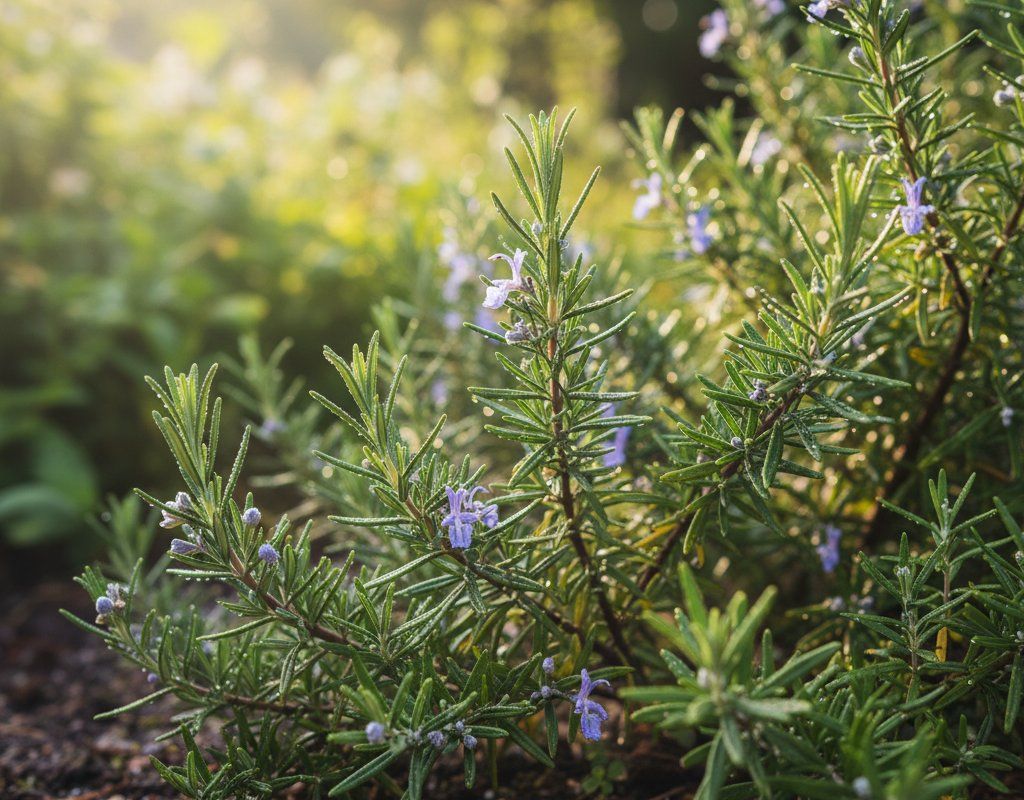
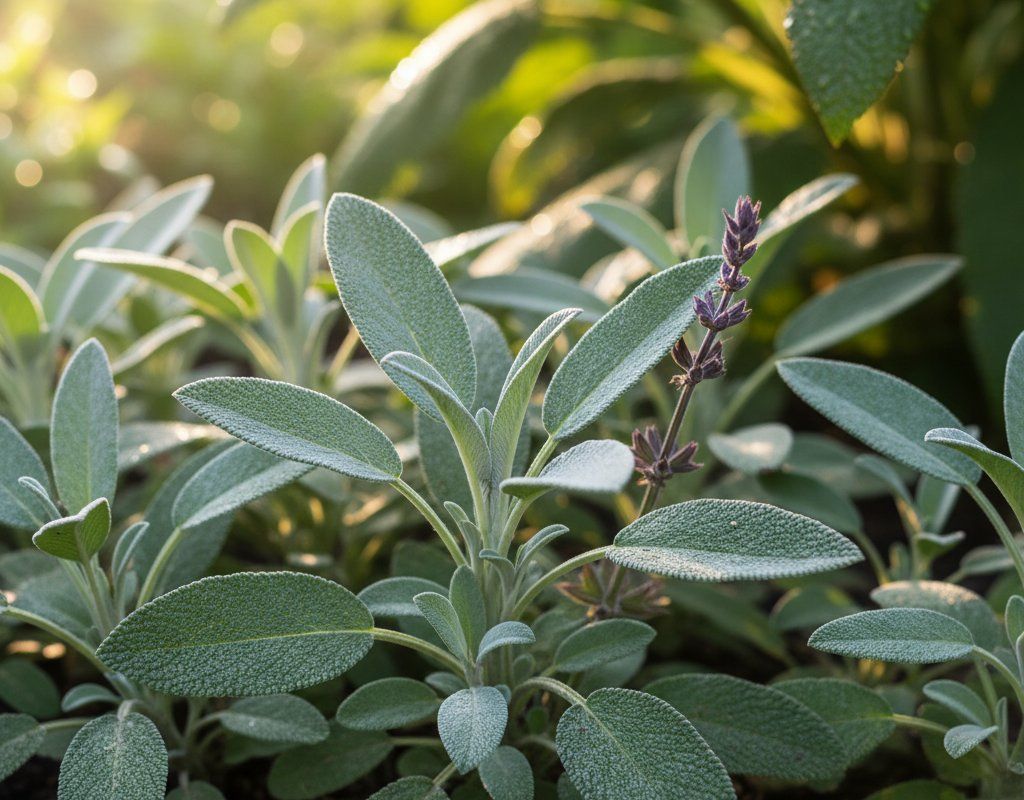
Companion Planting Details
Good companion plants for Bay Laurel in the Mountain West include green beans, rosemary, and sage. Green beans fix nitrogen in the soil, which benefits Bay Laurel. Rosemary and sage, both drought-tolerant herbs, share similar growing requirements and can help repel pests. Avoid planting near anything that requires acidic soil, as Bay Laurel prefers slightly alkaline conditions.
🌸Best Flowers to Plant with Bay Laurel
These flowers protect your Bay Laurel from pests and attract pollinators for better harvests.
For Pest Control

For Pollinators

Get a Reminder When It's Time to Plant
We'll email you when key planting windows open for your zone.