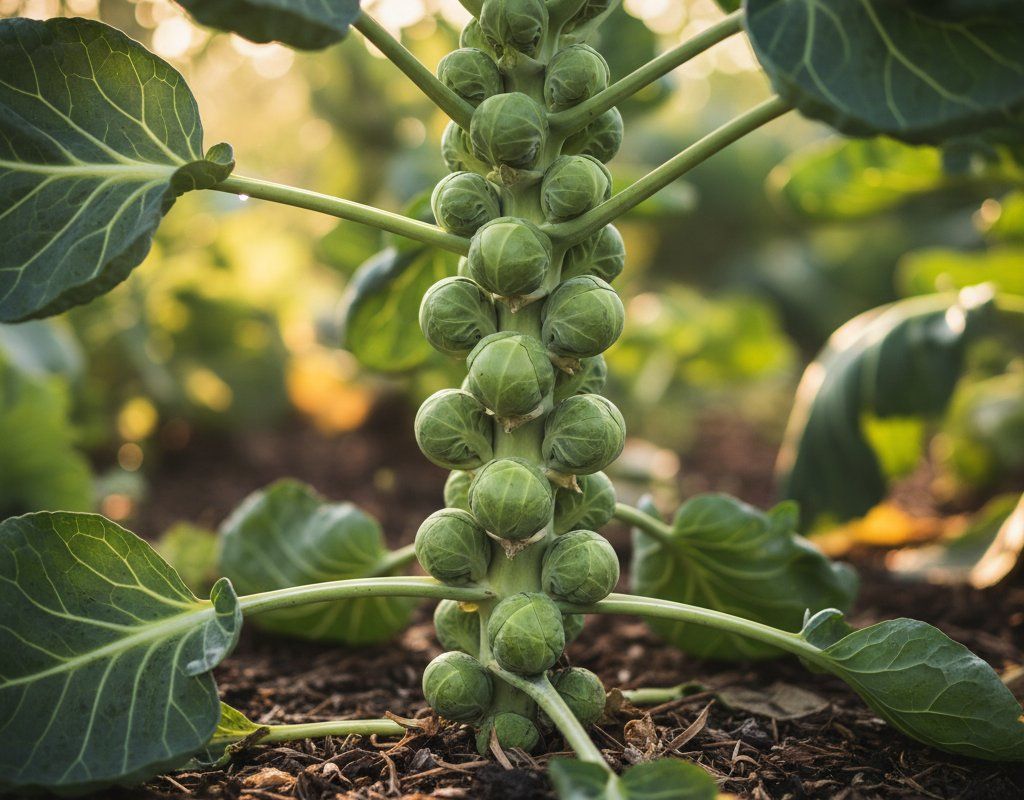
Brussels Sprouts in Zone 3A — Great Plains
Brassica oleracea var. gemmifera · Your Complete 2026 Planting Guide
Planning Ahead — Great!
You’re ahead of the season. Here’s when to start.
Mark Your Calendar
How to Plant Brussels Sprouts in Zone 3A — Great Plains
Here are all your options for getting brussels sprouts in the ground, from the easiest method to more advanced approaches.
Start Seeds Indoors
RecommendedEarly to late April
around April 13
Then transplant: Late May
Start seeds 6-8 weeks before transplanting outdoors.
Very long season (90+ days). Must start early or plant for fall harvest.
Buy Starts
Works WellLate May
around May 25
Plant purchased starts after last frost (May 25).
Direct Sow Seeds
ChallengingDirect sowing is not typical for Brussels Sprouts.
Transplant Outdoors
Timing InfoLate May
around May 25
Can tolerate light frost, but wait for soil to be workable.
Plan to transplant within a few weeks of your target date.
Fall Planting
Mid June through early July
June 25 ideal · Transplant for fall harvest
Plant a second crop in mid-summer for fall harvest. Brussels Sprouts actually prefers the cooling temperatures of fall.
Overview
Brussels sprouts might seem like a fancy side dish, but they're surprisingly rewarding to grow here on the Plains. Their unique, nutty flavor intensifies beautifully with a touch of frost, and they're incredibly versatile in the kitchen – roasted, sautéed, or even shredded into salads. Plus, seeing those little cabbages form along the stalk is just plain satisfying.
Growing Brussels sprouts in our Zone 3A climate has its challenges, including temperature swings and the constant hail risk. But with careful timing and a little planning, you can absolutely enjoy a successful harvest within our 108-day growing season.
Starting Seeds Indoors
Starting Brussels sprouts indoors is the way to go in our short season. Aim to sow your seeds indoors from early to late April – about six weeks before you plan to transplant them outside. This gives them a head start.
Use seed trays or small pots filled with a good seed-starting mix. Keep them consistently moist – bottom watering is a great way to avoid damping off. Place the trays in a warm spot (around 70°F) with plenty of light, either from a sunny window or a grow light. Remember, spring can be variable here, so be prepared to adjust your setup if we get a late cold snap.
Transplanting Outdoors
Transplant your Brussels sprouts seedlings outdoors in late May, once the risk of frost has passed. Before planting, harden them off by gradually exposing them to outdoor conditions for about a week. This helps them adjust to the sun and wind.
Space your plants 18-24 inches apart in rows. This gives them plenty of room to grow. Given our risk of high winds, consider planting in a sheltered spot or providing temporary windbreaks right after transplanting.
Watering Brussels Sprouts in Zone 3A (Great Plains)
Consistent moisture is key to plump, delicious Brussels sprouts. Fluctuating soil moisture leads to loose, bitter sprouts, so pay close attention to watering. In the Plains, our variable rainfall means you can't rely on Mother Nature alone.
During hot summer weeks, especially when the typical high hits 93°F, aim for about 1-1.5 inches of water per week. Stick your finger about 2 inches deep into the soil – if it feels dry, it's time to water. Water at the base of the plants to avoid wetting the foliage, as our low-to-moderate humidity can still create conditions for fungal diseases.
Watch for drooping leaves, which indicate underwatering, or yellowing lower leaves, which could mean overwatering. A layer of mulch around your plants will help retain moisture and regulate soil temperature, especially when we get those extreme temperature swings.
Supporting Your Brussels Sprouts
Brussels sprouts stalks can get tall and top-heavy, especially with the added weight of the sprouts. In our windy climate, staking is essential to prevent them from toppling over.
Use sturdy stakes, like bamboo or metal, and insert them near the base of the plants when they reach about 2 feet tall. Gently tie the stalks to the stakes with soft twine, making sure not to constrict the stem. Wind protection is essential, so consider planting in a sheltered spot.
Pruning & Maintaining Brussels Sprouts
Pruning Brussels sprouts is minimal but helpful. As the sprouts develop upward along the stalk, remove the yellowing or damaged lower leaves. This improves air circulation and directs the plant's energy to the developing sprouts.
About 3-4 weeks before your anticipated harvest, top the plant by cutting off the top set of leaves. This encourages the sprouts to plump up. With our first frost arriving around early September, timing this right will maximize your harvest before the cold sets in.
🧪Fertilizing Brussels Sprouts
Feeding Schedule
Organic Fertilizer Options
Harvest Time
You can expect your first Brussels sprouts harvest from late August through mid-September, about 90 days after planting. The sprouts are ready when they are firm, tight, and about 1-2 inches in diameter.
Harvest from the bottom up, twisting or cutting off the sprouts where they join the stalk. The flavor of Brussels sprouts improves dramatically after a frost, so if you can, leave some on the plant to enjoy a sweeter taste. Even with the first frost approaching in early September, you can often extend the harvest by covering the plants with a blanket or row cover on frosty nights.
Common Problems in Zone 3A (Great Plains)
Here are some common problems you might encounter with Brussels sprouts in the Great Plains:
Aphids
- What it looks like: Clusters of tiny green, black, or white insects on stems and leaf undersides. Sticky honeydew residue and curled or distorted new growth.
- What causes it: Rapidly reproducing sap-sucking insects. Populations explode in warm weather.
- How to fix/prevent it: Strong water spray to knock them off. Encourage ladybugs. Use insecticidal soap or neem oil. Avoid excess nitrogen fertilizer.
Cabbage Worms
- What it looks like: Smooth green caterpillars chewing holes in leaves. Dark green droppings. White butterflies around plants.
- What causes it: Larvae of white cabbage butterflies.
- How to fix/prevent it: Bt spray is very effective. Floating row covers prevent egg laying. Handpick caterpillars. Interplant with aromatic herbs.
Loose Sprouts from Heat
- What it looks like: Sprouts don't form tightly. They're leafy and open, instead of firm and compact.
- What causes it: High temperatures during sprout formation.
- How to fix/prevent it: Consistent watering is key. Mulch to keep soil cool. Plant early enough to allow sprouts to mature before the hottest part of summer.
Clubroot
- What it looks like: Stunted growth, wilting, yellowing leaves. Swollen, distorted roots.
- What causes it: Soil-borne pathogen that persists for years. Favors acidic, wet soil.
- How to fix/prevent it: Raise soil pH to 7.0-7.2 with lime. Improve drainage. Rotate brassicas on a 7-year cycle. Remove and destroy infected plants.
Great Plains Specific Challenges: Our hot summers and variable rainfall can stress Brussels sprouts, making them more susceptible to pests and diseases. Consistent watering and monitoring are essential. The risk of hail also means that protecting your plants with netting or choosing a sheltered location is a good idea.
Best Companions for Brussels Sprouts
Plant these nearby for healthier Brussels Sprouts and better harvests.



Keep Away From



Companion Planting Details
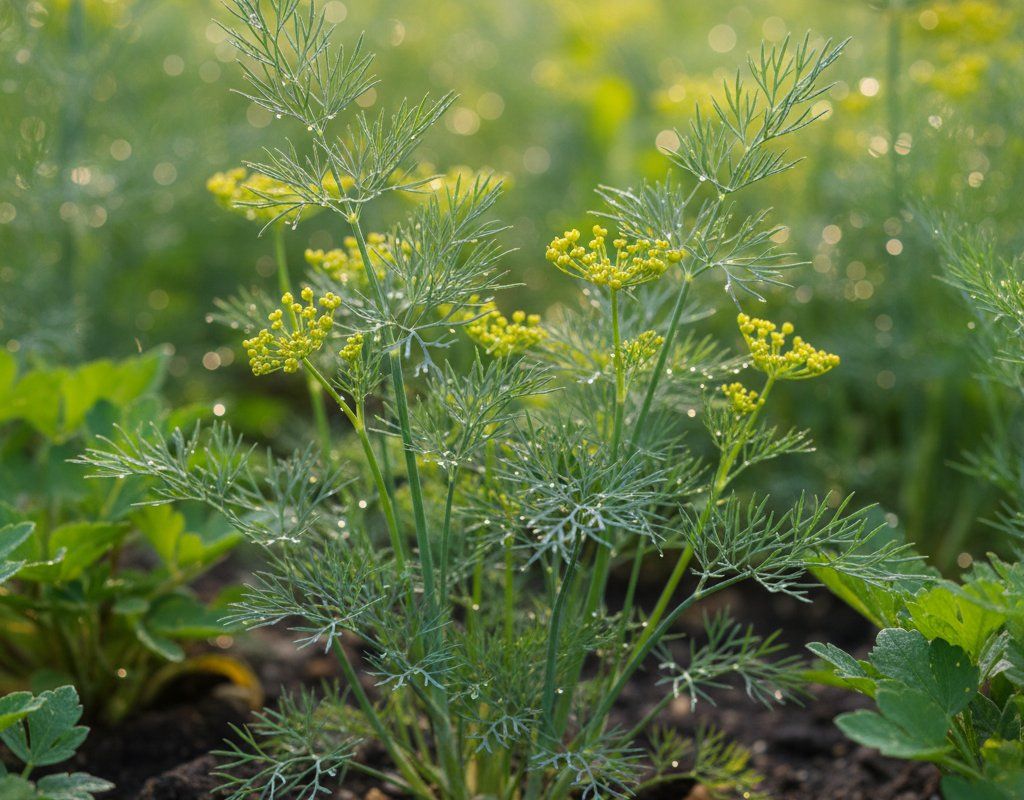
Companion planting can give your Brussels sprouts a boost. Green beans help fix nitrogen in the soil, benefiting the Brussels sprouts' growth. Celery and onions deter pests, while potatoes can improve soil structure and drainage. Dill attracts beneficial insects that prey on pests.
Avoid planting tomatoes, strawberries, or peppers near Brussels sprouts. Tomatoes and peppers compete for nutrients and can attract similar pests. Strawberries can harbor diseases that affect brassicas.
🌸Best Flowers to Plant with Brussels Sprouts
These flowers protect your Brussels Sprouts from pests and attract pollinators for better harvests.
For Pest Control





Get a Reminder When It's Time to Plant
We'll email you when key planting windows open for your zone.