
Cabbage in Zone 7B — Pacific Northwest
Brassica oleracea var. capitata · Your Complete 2026 Planting Guide
Missed Seed Starting? No Problem!
Wait for starts to become available.
What to Do
Starts will be available at nurseries in 28 days (around April 1).
How to Plant Cabbage in Zone 7B — Pacific Northwest
Here are all your options for getting cabbage in the ground, from the easiest method to more advanced approaches.
Start Seeds Indoors
RecommendedMid February through early March
around February 18
Then transplant: Early to late April
Start seeds 6-8 weeks before transplanting outdoors.
Start indoors for spring harvest.
Buy Starts
Works WellEarly to late April
around April 1
Plant purchased starts after last frost (April 15).
Direct Sow Seeds
ChallengingDirect sowing is not typical for Cabbage.
Transplant Outdoors
Timing InfoEarly to late April
around April 1
Can tolerate light frost, but wait for soil to be workable.
You have a nice window — no need to rush.
Fall Planting
Early August through early September
August 23 ideal · Transplant for fall harvest
Plant a second crop in mid-summer for fall harvest. Cabbage actually prefers the cooling temperatures of fall.
Overview
Cabbage is a rewarding crop for the Pacific Northwest gardener. Its crisp, sweet flavor develops beautifully in our cool nights, making it fantastic in slaws, stir-fries, or even fermented into sauerkraut. Growing your own gives you access to varieties you won't find at the store, and the satisfaction of harvesting a beautiful head of cabbage is hard to beat.
Our mild summers and wet springs can present some challenges, like late blight and slugs, but with careful timing, you can easily grow delicious cabbage. Our long 193-day growing season provides ample opportunity to get a spring and even a fall crop.
Starting Seeds Indoors
Starting cabbage indoors gives you a head start in our sometimes slow-to-warm spring soil. Begin your seeds indoors from mid-February through early March, about six weeks before you plan to transplant them outside. This timing allows the seedlings to mature enough to handle our cool, overcast spring days.
Use seed trays or small pots filled with a good seed-starting mix. Keep the soil consistently moist, and consider bottom watering to prevent damping off. Place the trays in a warm location, like on top of your refrigerator, until the seeds germinate. Once they sprout, move them under grow lights to ensure they get enough light for strong, stocky growth.
Transplanting Outdoors
Transplant your cabbage seedlings outdoors from early to late April, after the risk of hard frost has passed. Before transplanting, it's crucial to harden off the seedlings. Gradually expose them to outdoor conditions for about a week, increasing the time each day, to acclimate them to the sun and wind.
When transplanting, space the plants 12-18 inches apart in rows. Choose a spot that gets full sun (at least 6-8 hours a day). Even in the PNW, cabbage needs plenty of sunlight. Be mindful of slugs at this stage, as they can quickly decimate young transplants.
Watering Cabbage in Zone 7B (Pacific Northwest)
Cabbage needs consistent moisture to thrive, but overwatering can be just as detrimental, especially with our dry-summer humidity. Aim to keep the soil evenly moist, but not soggy. Water deeply when the top two inches of soil feel dry to the touch – use the "finger test" to check.
During our wet springs, you may not need to water at all, relying instead on natural rainfall. However, during our dry summer months, you'll likely need to water 1-2 inches per week, depending on rainfall. Water at the base of the plants to avoid wetting the leaves, which can encourage fungal diseases.
Signs of underwatering include wilting or stunted growth, while yellowing leaves can indicate overwatering. A layer of mulch around the base of the plants will help retain moisture and suppress weeds, which is especially helpful during our mild summer months.
🧪Fertilizing Cabbage
Feeding Schedule
Organic Fertilizer Options
Harvest Time
You can expect your first harvest of cabbage from early June through late July, depending on the variety and when you transplanted. Cabbage is ready to harvest when the head feels firm and solid when squeezed. It should also be close to the full size expected for that variety.
To harvest, use a sharp knife to cut the head off at the base of the plant. Leave the lower leaves intact, as they may produce smaller side shoots that you can harvest later. Cabbage doesn't ripen off the vine, so only harvest when it's fully mature.
As our first frost approaches in late October, harvest any remaining cabbage heads, even if they aren't quite as large as you'd like. They will not improve once temperatures drop below freezing. You can store harvested cabbage in a cool, dry place for several weeks.
Common Problems in Zone 7B (Pacific Northwest)
Here are some common problems you might encounter growing cabbage in the Pacific Northwest:
Cabbage Worms
- What it looks like: Smooth green caterpillars on brassica leaves. Irregular holes chewed in leaves. Dark green droppings. White butterflies hovering around plants.
- What causes it: Larvae of white cabbage butterflies. Multiple generations can occur during our mild summers.
- How to fix/prevent it: Bt spray is very effective. Floating row covers prevent egg laying. Handpick caterpillars. Interplant with aromatic herbs (thyme, sage). Encourage parasitic wasps.
Cabbage Loopers
- What it looks like: Pale green caterpillars that move in a looping motion. Similar damage to cabbage worms, but loopers are often more destructive.
- What causes it: Another type of caterpillar that thrives in our mild summer conditions.
- How to fix/prevent it: Similar to cabbage worms, use Bt spray, floating row covers, and handpicking. Check plants regularly, especially during warmer weather.
Splitting
- What it looks like: The cabbage head cracks open, often after a period of heavy rain or irregular watering.
- What causes it: Inconsistent watering. A sudden influx of water after a dry spell causes the head to grow too quickly, leading to splitting.
- How to fix/prevent it: Maintain consistent soil moisture. Water deeply and regularly, especially during dry periods. Harvest heads as soon as they are mature to prevent splitting.
Clubroot
- What it looks like: Stunted growth, wilting in afternoon heat, yellowing leaves. Roots are swollen, distorted, and club-shaped when dug up.
- What causes it: Soil-borne pathogen (Plasmodiophora brassicae) that persists in soil for 10+ years. Favors acidic, wet soil.
- How to fix/prevent it: Raise soil pH to 7.0-7.2 with lime. Improve drainage. Rotate brassicas on a 7-year cycle. Remove and destroy infected plants (don't compost). Start transplants in sterile mix.
Pacific Northwest Specific Challenges: Our cool soil in spring can slow down initial growth, making cabbage more susceptible to pests and diseases. Late blight, while more common on tomatoes, can occasionally affect cabbage in our wet spring conditions. Consistent monitoring and proactive measures are key to successful cabbage growing in the PNW. Slugs can also be a major problem, especially for young transplants.
Best Companions for Cabbage
Plant these nearby for healthier Cabbage and better harvests.


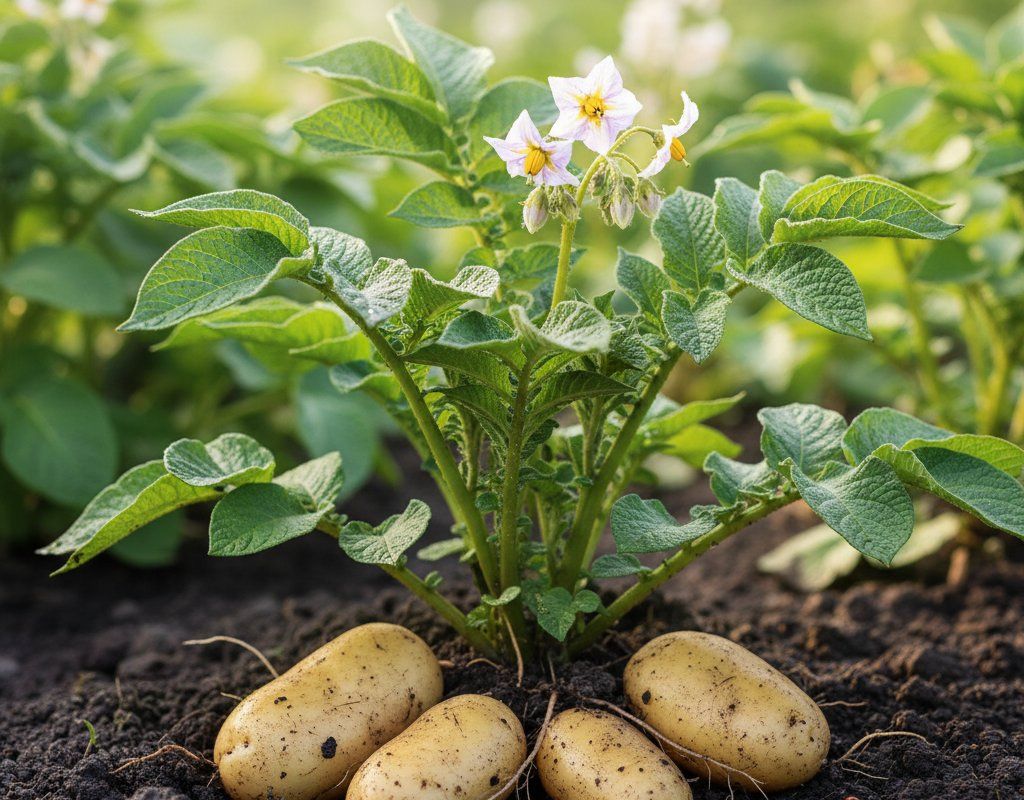
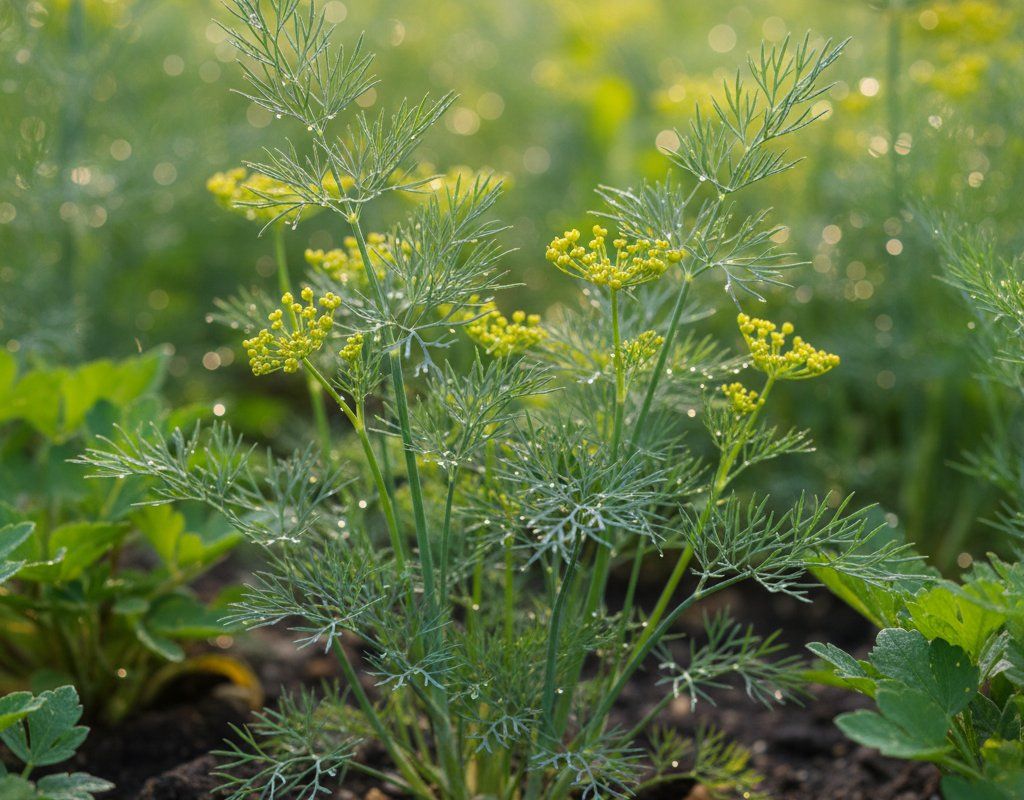
Keep Away From

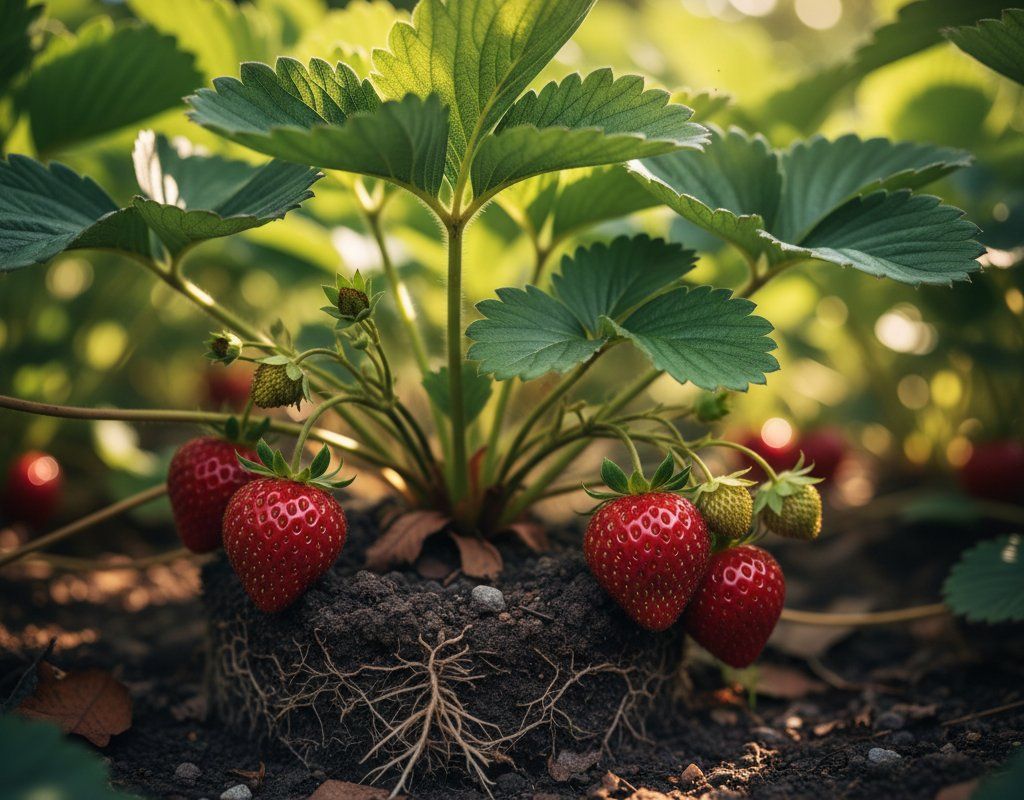

Companion Planting Details
Companion planting can help your cabbage thrive in the Pacific Northwest. Green beans are good companions because they fix nitrogen in the soil, which benefits cabbage. Celery also makes a good companion, as its strong scent can deter cabbage moths.
Onions and potatoes are beneficial, as they can help repel certain pests that target cabbage. Dill attracts beneficial insects like ladybugs and hoverflies, which prey on aphids and other cabbage pests. Avoid planting cabbage near tomatoes, strawberries, or peppers, as these plants can stunt its growth or attract common pests.
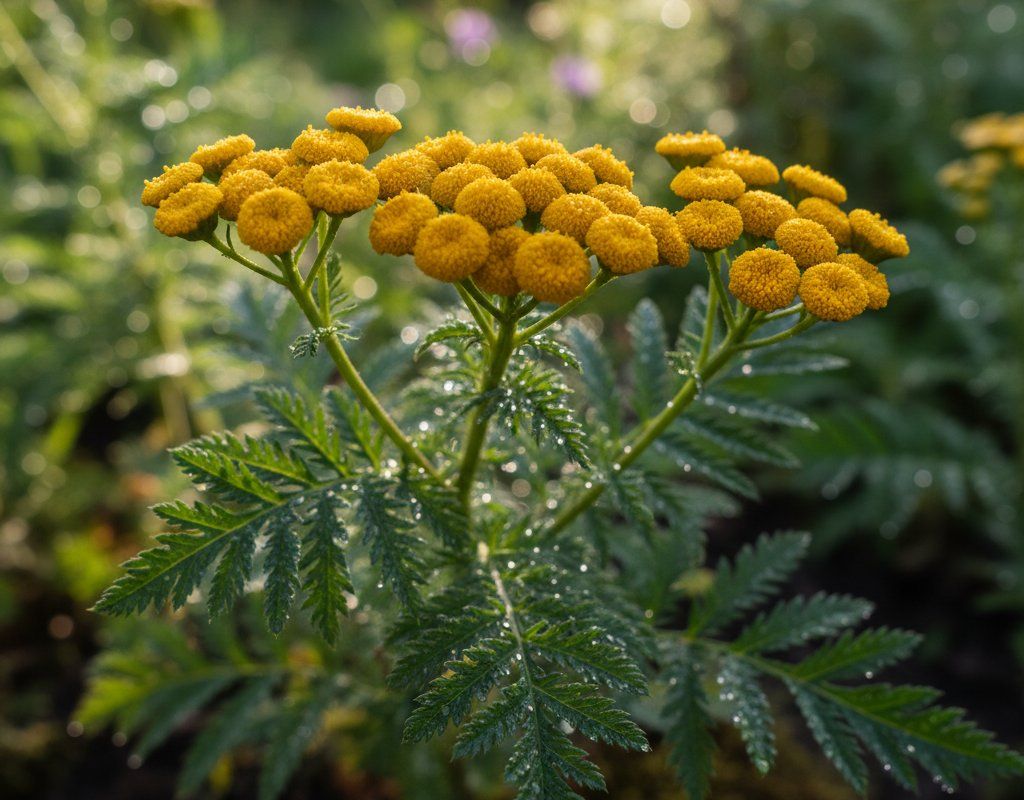
🌸Best Flowers to Plant with Cabbage
These flowers protect your Cabbage from pests and attract pollinators for better harvests.
For Pest Control




Get a Reminder When It's Time to Plant
We'll email you when key planting windows open for your zone.