
Nasturtium in Zone 7B — Pacific Northwest
Tropaeolum majus · Your Complete 2026 Planting Guide
Planning Ahead — Great!
You’re ahead of the season. Here’s when to start.
Mark Your Calendar
How to Plant Nasturtium in Zone 7B — Pacific Northwest
Here are all your options for getting nasturtium in the ground, from the easiest method to more advanced approaches.
Direct Sow Seeds
RecommendedLate April through mid August
around April 22
Consider succession planting every 2-3 weeks for continuous harvest.
Nasturtiums resent transplanting. Direct sow after frost.
Buy Starts
Works WellLate April through mid May
around April 22
Plant purchased starts after last frost (April 15).
Start Seeds Indoors
Works WellMid March through early April
around March 25
Then transplant: Late April through mid May
Start seeds 4-6 weeks before transplanting outdoors.
Transplant Outdoors
Timing InfoLate April through mid May
around April 22
Wait until nighttime temperatures stay above 50°F.
You have a nice window — no need to rush.
Overview
Nasturtiums are a fantastic addition to any Pacific Northwest garden, adding a peppery zing to salads and a vibrant splash of color to your borders. The flowers, leaves, and even the seed pods are edible, offering a unique culinary versatility that thrives in our mild summers and cool nights, improving flavor. Plus, they are easy to grow and bring a cheerful, carefree vibe to your garden.
Our long growing season, typically around 193 days, gives you plenty of time to enjoy nasturtiums, even with the occasional cool, overcast spring day. While we may struggle with heat-loving plants, nasturtiums actually prefer our less intense summer sun. You can easily work around potential challenges like late blight or cool spring soil with proper timing.
Starting Seeds Indoors
Starting nasturtiums indoors is an option, but honestly, they do best when direct sown. However, if you're eager to get a head start or have a particularly short season microclimate, you can start seeds indoors mid-March through early April. This gives you about 4 weeks to get them going before transplanting.
Use seed trays with a well-draining seed starting mix. Keep them warm and provide plenty of light – a simple shop light works well. Bottom watering is helpful to avoid damping off. Remember, our spring weather can be slow to warm up, so giving them a head start indoors can be beneficial.
Transplanting Outdoors
Transplant your nasturtiums outdoors late April through mid May, once the soil has warmed up a bit. Before planting, harden them off by gradually exposing them to outdoor conditions for about a week. This helps them adjust to the cooler temperatures and brighter sunlight that are typical of our springs.
Space the plants 10-12 inches apart. Keep an eye on the forecast – a late frost can happen, so be prepared to cover them if necessary.
Direct Sowing
Direct sowing is the preferred method for nasturtiums, as they resent having their roots disturbed. Wait until late April through mid August, after the danger of frost has passed and the soil has warmed up. For best results, aim for a soil temperature of at least 60°F.
Prepare the soil by loosening it and removing any large clumps. You don't need to add a lot of fertilizer, as nasturtiums actually prefer poorer soil. Sow seeds 1/2 inch deep and space them 10-12 inches apart. Keep the soil consistently moist until the seedlings emerge, which usually takes about a week.
Watering Nasturtium in Zone 7B (Pacific Northwest)
Nasturtiums are wonderfully low-maintenance and thrive on neglect, which makes them perfect for our Pacific Northwest gardens. With our dry summer months and mild heat, overwatering is a much bigger concern than underwatering. Remember, too much water leads to more leaves and fewer of those beautiful, edible flowers.
During our wet springs, you likely won't need to water them at all unless you're experiencing an unusually dry spell. Once summer arrives, check the soil with the "finger test" – stick your finger about 2 inches deep into the soil. If it feels dry, it's time to water. Usually, about 1 inch of water per week is plenty, especially with our occasional summer showers.
Water at the base of the plant to avoid wetting the foliage, as our dry-summer humidity can still create conditions for fungal issues if the leaves stay wet for too long. Signs of underwatering include wilting leaves and stunted growth. Overwatering can lead to yellowing leaves and root rot. A light layer of mulch, like straw or bark chips, can help retain moisture and suppress weeds, but don't overdo it – good drainage is key.
🧪Fertilizing Nasturtium
Feeding Schedule
Organic Fertilizer Options
Harvest Time
You can expect your first harvest of nasturtium flowers and leaves mid June through late October, about 55 days after planting. The flowers are ready to harvest when they are fully open and brightly colored. The leaves can be harvested at any time.
To harvest, simply snip the flowers or leaves with scissors or pinch them off with your fingers. Be gentle to avoid damaging the plant. Regular harvesting will encourage more blooms. As late October approaches and the first frost threatens, harvest any remaining flowers and leaves. You can also harvest the seed pods and pickle them for a caper-like treat.
Common Problems in Zone 7B (Pacific Northwest)
Even though nasturtiums are easy to grow, you might encounter a few common problems in the Pacific Northwest:
Aphids
- What it looks like: Clusters of small, soft-bodied insects on stems and leaves, often accompanied by sticky honeydew and sooty mold.
- What causes it: Aphids are attracted to stressed plants. They are more prevalent during periods of rapid growth in our mild climate.
- How to fix/prevent it: Nasturtiums are often used intentionally as a trap crop for aphids, drawing them away from other plants. If infestations get heavy, try blasting them off with a strong stream of water or using insecticidal soap.
Cabbage Caterpillars
- What it looks like: Holes in leaves, often with green droppings nearby. You might also spot the caterpillars themselves, which are green and blend in well with the foliage.
- What causes it: These caterpillars are the larvae of cabbage white butterflies, which are common in our region.
- How to fix/prevent it: Handpick the caterpillars off the plants. You can also cover your plants with row covers to prevent the butterflies from laying eggs.
Black Fly
- What it looks like: Similar to aphids, but black in color. They tend to cluster on new growth.
- What causes it: Black flies thrive in mild, damp conditions.
- How to fix/prevent it: Similar to aphids, blast them off with water or use insecticidal soap. Improving air circulation around the plants can also help.
Pacific Northwest Specific Challenges: Our cool soil in spring can slow down growth, making plants more susceptible to pests and diseases early in the season. However, our dry summers help to keep fungal diseases at bay, and our mild heat means that nasturtiums rarely suffer from heat stress.
Best Companions for Nasturtium
Plant these nearby for healthier Nasturtium and better harvests.
View Full Companion Planting Chart →


Companion Planting Details
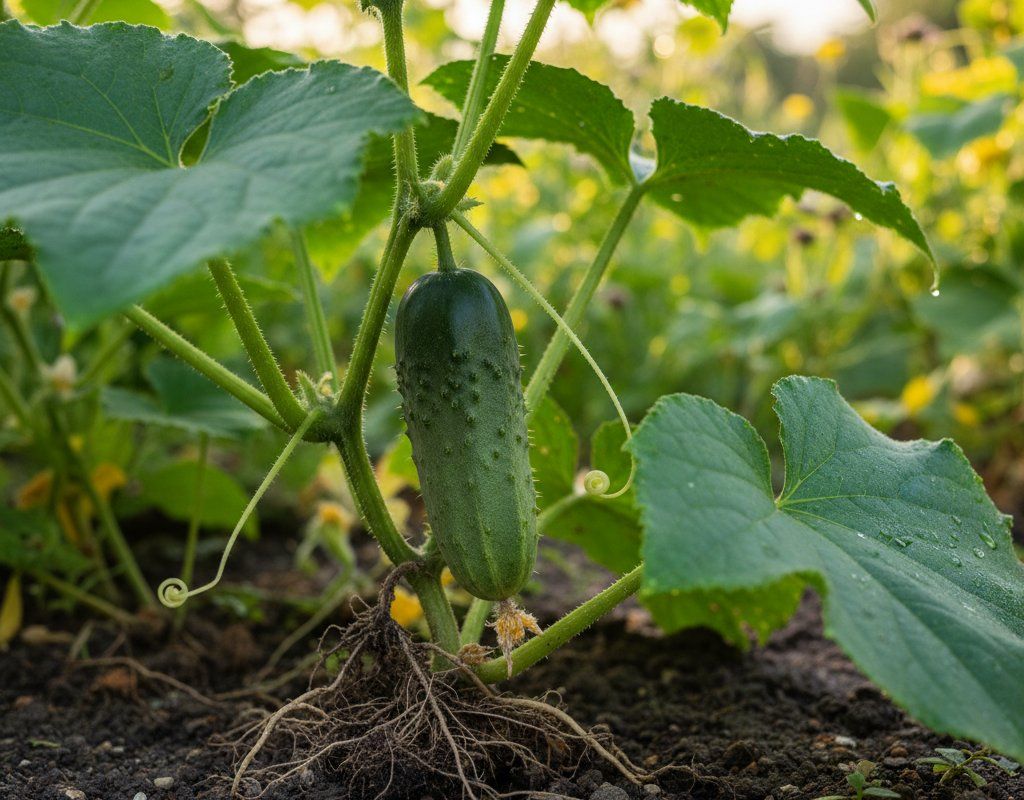
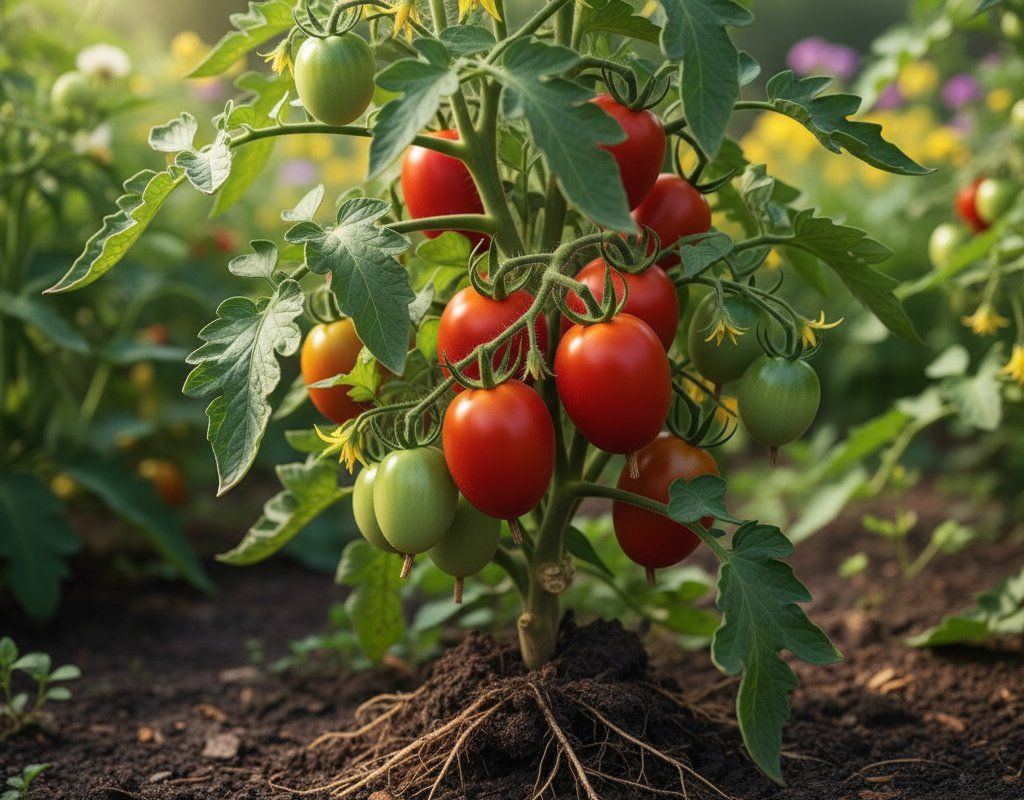
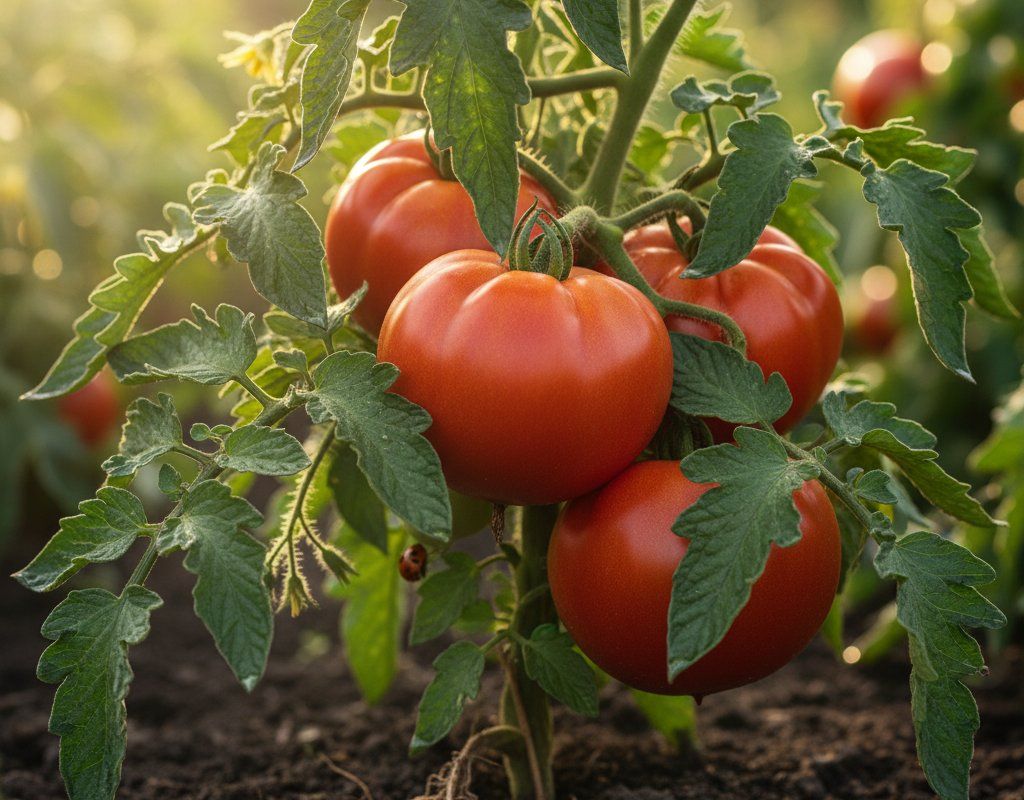
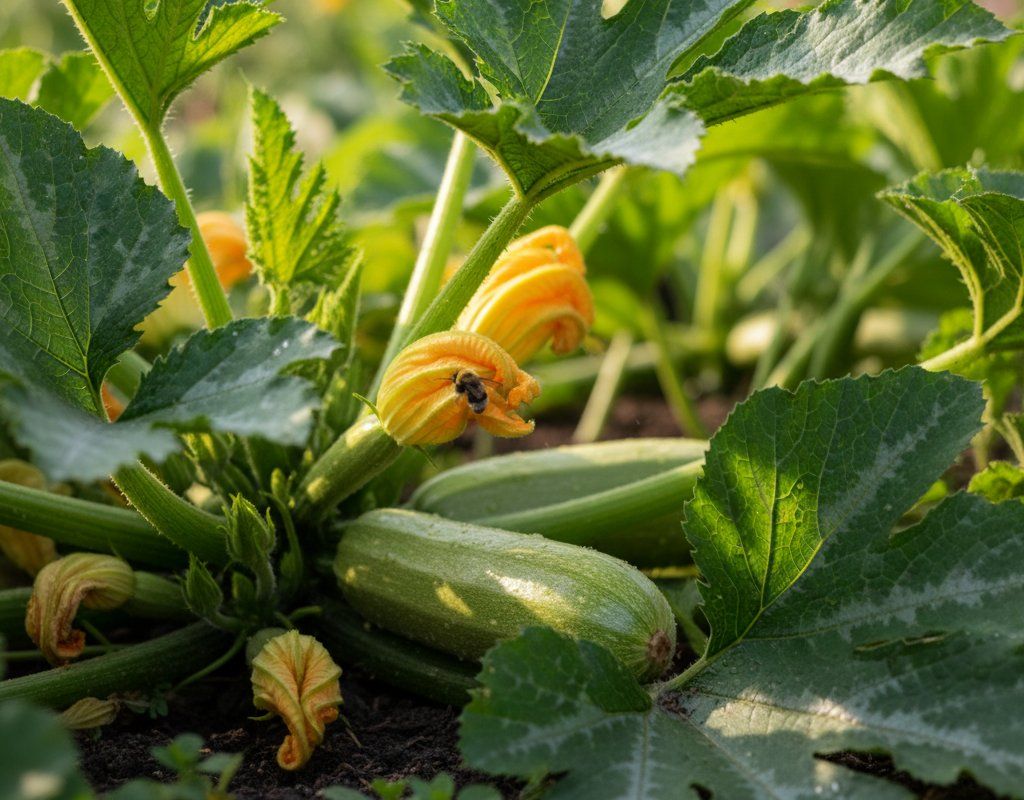
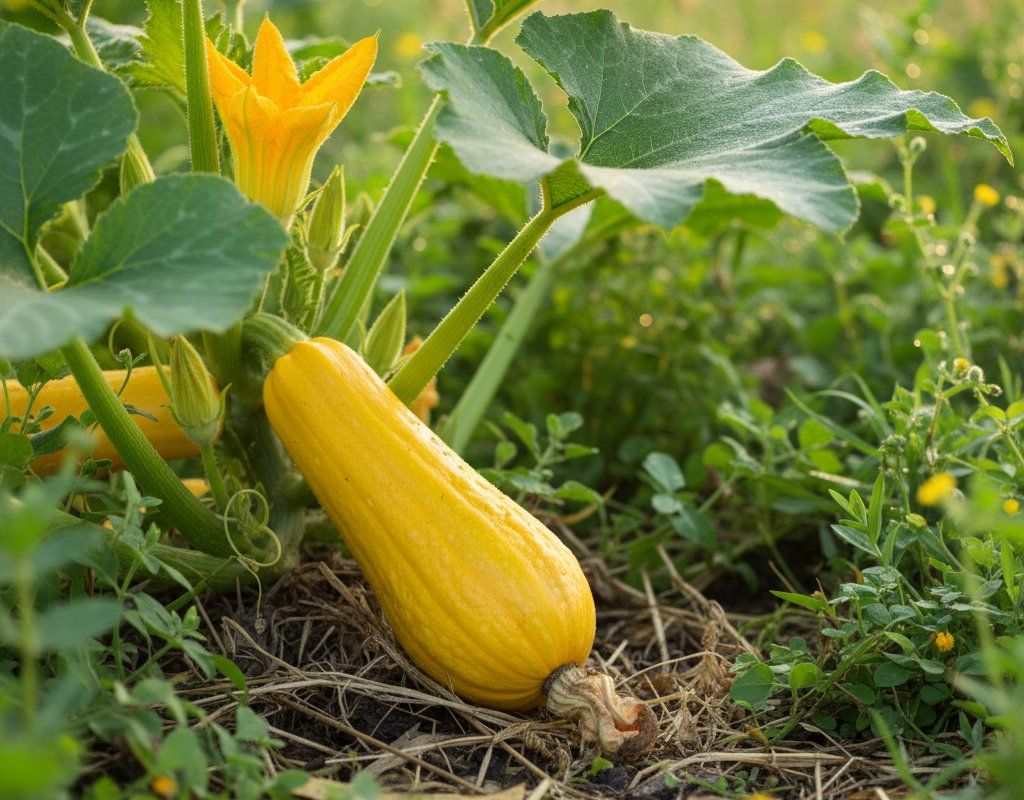
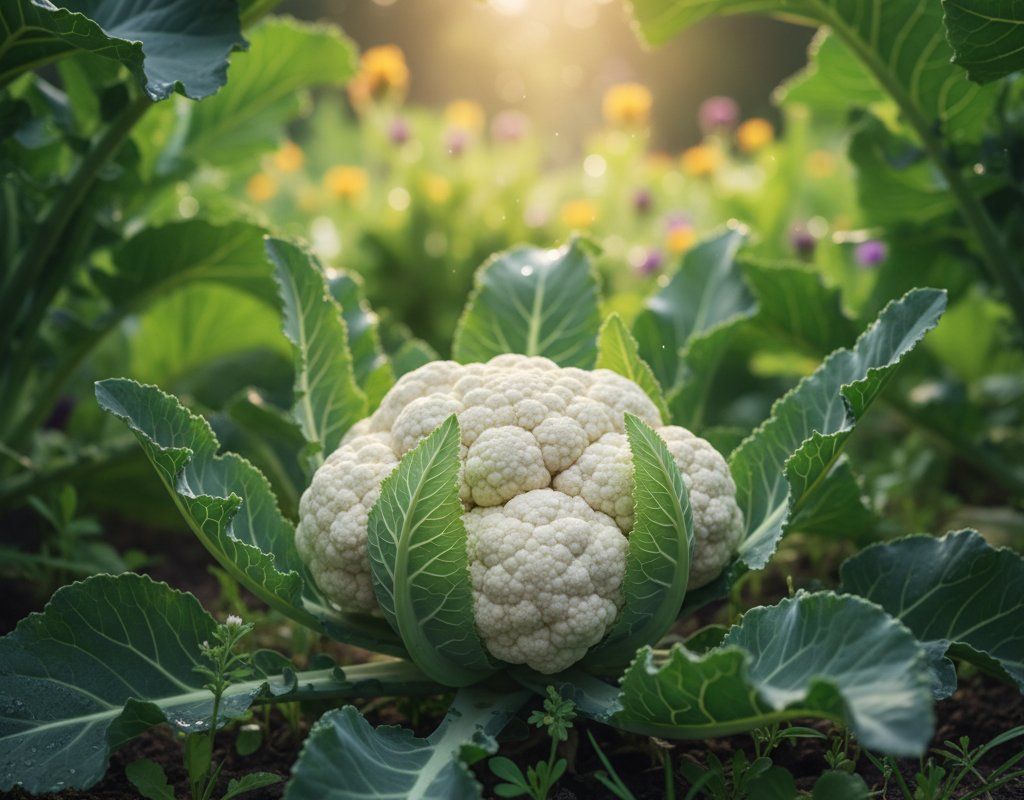
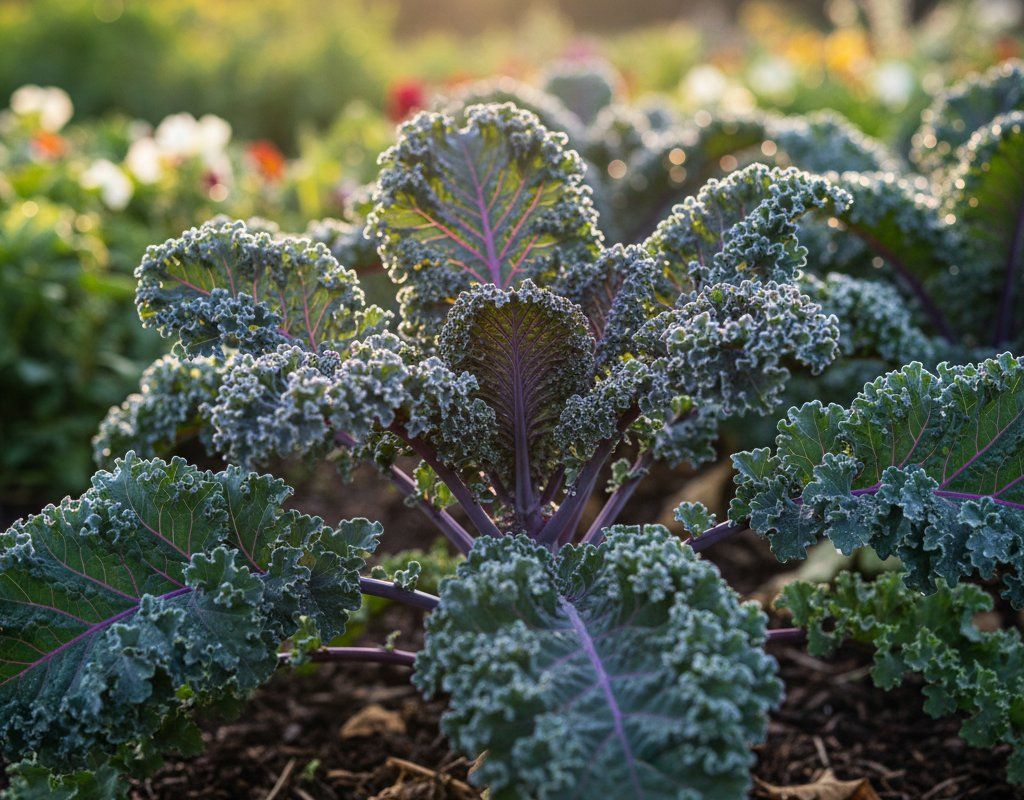
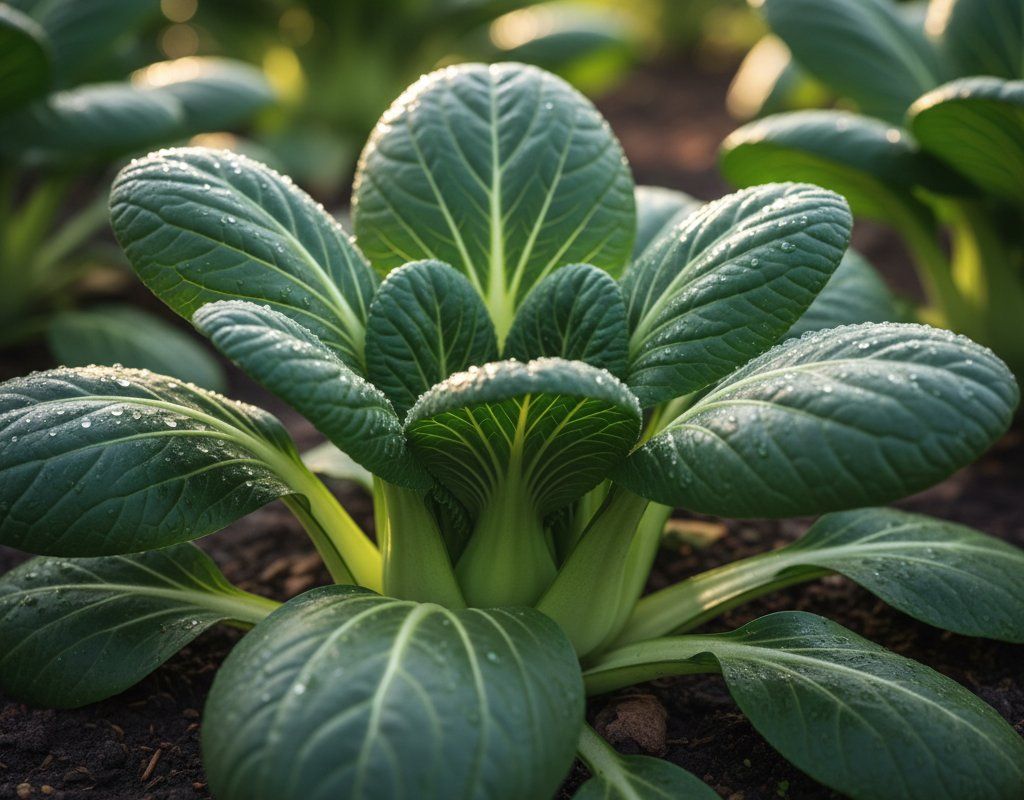
Nasturtiums are excellent companion plants for many vegetables in the Pacific Northwest garden. They attract beneficial insects and can even act as a trap crop for aphids, drawing them away from your prized tomatoes, cucumbers, and squash. They also do well planted near broccoli and cabbage, helping to deter cabbage white butterflies. Avoid planting them near fennel, as it can inhibit their growth.
🥬Best Vegetables to Pair With Nasturtium
Nasturtium benefits these vegetables through pest control, pollinator attraction, or improved garden health.



Get a Reminder When It's Time to Plant
We'll email you when key planting windows open for your zone.