
Carrot in Zone 10A — Florida
Daucus carota · Your Complete 2026 Planting Guide
Still Time to Sow!
The sowing window is still open for Carrot.
Sow Seeds Soon
Carrots have a taproot and don't transplant. Direct sow only.
How to Plant Carrot in Zone 10A — Florida
Here are all your options for getting carrot in the ground, from the easiest method to more advanced approaches.
Direct Sow Seeds
RecommendedLate December through early October
around December 27
Consider succession planting every 2-3 weeks for continuous harvest.
Carrots have a taproot and don't transplant. Direct sow only.
Buy Starts
Works WellLate December through late January
around December 27
Plant purchased starts after last frost (January 10).
Start Seeds Indoors
ChallengingThis plant is typically not started indoors.
Transplant Outdoors
Timing InfoLate December through late January
around December 27
Can tolerate light frost, but wait for soil to be workable.
You have a nice window — no need to rush.
Fall Planting
Mid October through mid November
October 29 ideal · Direct sow for fall harvest
Plant a second crop in mid-summer for fall harvest. Carrot actually prefers the cooling temperatures of fall.
Overview
Growing carrots in Zone 10A Florida is incredibly rewarding once you understand our reversed growing calendar. These sweet, crunchy roots thrive in our cooler months when most of the country is dormant, giving you homegrown carrots with superior flavor and crispness that puts grocery store varieties to shame. Plus, carrots store beautifully in our sandy soil, and you can succession plant throughout our long cool season for continuous harvests.
Our extreme humidity and nematode pressure can challenge carrot growing during the hot months, but timing is everything in Florida gardening. With our 355-day growing season, you have plenty of opportunities to get carrots right by planting when conditions favor them - basically any time except our brutal summer months. Plant in fall, harvest in winter, and you'll discover why so many Florida gardeners become carrot converts.
Transplanting Outdoors
While carrots can be transplanted during late December through late January, this method rarely succeeds because carrots develop a long taproot that doesn't tolerate root disturbance. Most transplant attempts result in forked, stunted roots that never develop properly.
If you must transplant seedlings, choose only the smallest ones with minimal root development and handle them extremely carefully. Even a slight bend or break in the taproot will cause the carrot to fork. Space transplants 2-3 inches apart in loose, deeply worked soil.
During Florida's winter transplant window, watch for unexpected warm spells that can stress young transplants, and protect them from any rare cold snaps that dip into the high 20s. However, you'll get much better results by direct sowing instead.
Direct Sowing
Direct sowing is the only reliable way to grow quality carrots in Florida, and you have an extended window from late December through early October (skipping our hottest summer months). The key is timing your sowings for when temperatures stay consistently below 85°F, which typically means fall through early spring plantings work best.
Prepare loose, well-draining soil at least 8-10 inches deep, removing any rocks or debris that could cause forking. Carrot seeds are tiny and need consistent moisture to germinate, so rake the soil surface smooth and create shallow furrows about ¼ inch deep. Sow seeds thinly and cover lightly with fine soil or compost.
Space your final carrots 2-3 inches apart, which means you'll need to thin seedlings as they grow. In Florida's sandy soil, carrots often germinate better with a light mulch to prevent the surface from crusting over, but remove it once seedlings emerge to prevent pest issues.
Watering Carrot in Zone 10A (Florida)
Consistent moisture is absolutely critical for carrot success in Florida, especially during our dry winter months when most carrot growing happens. During germination, keep the soil surface damp for 2-3 weeks - this means daily light watering since carrot seeds are shallow and dry out quickly in our sandy soil.
Once established, carrots need about 1 inch of water per week, but Florida's seasonal patterns require different approaches. During our dry season (fall through early spring), you'll need to water regularly since natural rainfall drops significantly. Use the finger test - soil should be moist 2 inches deep but not soggy.
Water at the base of plants rather than overhead to avoid promoting fungal diseases in our high humidity. Even, consistent watering prevents the roots from cracking when they hit a dry spell followed by heavy rain or watering. Sandy soil drains quickly, so you may need to water more frequently than gardeners in other regions.
Apply a light organic mulch around plants to conserve moisture and regulate soil temperature, but keep it pulled back from the carrot shoulders to prevent green tops and pest problems that thrive in our humid conditions.
🧪Fertilizing Carrot
Feeding Schedule
Organic Fertilizer Options
Harvest Time
Your first carrots will be ready for harvest about 70 days after sowing, which typically falls between early March through early January depending on your planting date. In Florida's mild winters, carrots can stay in the ground for extended periods without quality loss, giving you flexibility in harvest timing.
Look for carrot shoulders (tops) that are about ¾ inch in diameter pushing up at the soil surface - this is your best indicator of readiness. The tops should be full and green, not yellowing or dying back. Test harvest one carrot by gently loosening the soil around it first, then pulling straight up to avoid snapping the root.
Harvest becomes urgent as temperatures start climbing toward our summer heat in late spring. Once daytime temperatures consistently hit the upper 80s, carrots will become woody and bitter quickly. In our mild winters, you can often leave carrots in the ground until needed, but harvest everything before our summer rainy season begins.
Unlike northern climates, you won't need to worry about frost damage to stored carrots in the ground. Instead, watch for the start of our wet season when prolonged moisture can cause root rot and splitting.
Common Problems in Zone 10A (Florida)
Forking Forked carrots split into multiple twisted roots instead of growing straight and smooth. In Florida, this problem is often worse due to our sandy soil's tendency to develop hard layers underneath and our significant nematode pressure. Root-knot nematodes are especially problematic in warm Florida soils and can cause severe forking.
Choose nematode-resistant varieties when possible and improve your soil with plenty of organic matter. For best results, grow carrots in raised beds filled with loose potting mix rather than trying to amend our challenging sandy soil. Avoid fresh manure which attracts nematodes and can burn roots in our heat.
Carrot Rust Fly Small dark flies hovering around plants, with rusty brown tunnels appearing in harvested roots and wilting foliage despite adequate water. While less common in Florida than northern regions, carrot rust flies can still be problematic during our cooler growing season.
Row covers provide the best protection, especially during peak egg-laying periods in early spring. Interplanting with onions helps confuse the flies with competing scents. Avoid thinning carrots during warm spells when flies are most active, as the bruised foliage attracts them.
Green Shoulders The top portion of carrot roots turns green where exposed to sunlight, creating bitter-tasting shoulders. This happens frequently in Florida because our sandy soil doesn't hold its shape well and carrot tops push up easily.
Hill loose soil or apply light mulch over exposed carrot shoulders as they develop. Check regularly and cover any orange tops that appear above soil level. The green portions are safe to eat but taste bitter - just peel them away before using.
Florida Specific Challenges Our extreme humidity creates perfect conditions for fungal diseases, while nematodes thrive in our warm soils year-round. The combination of sandy soil and hurricane-force winds can also expose carrot shoulders unexpectedly. Success comes from timing plantings for our dry season, using well-draining raised beds, and choosing heat-tolerant varieties that can handle our intense spring sunshine.
Best Companions for Carrot
Plant these nearby for healthier Carrot and better harvests.

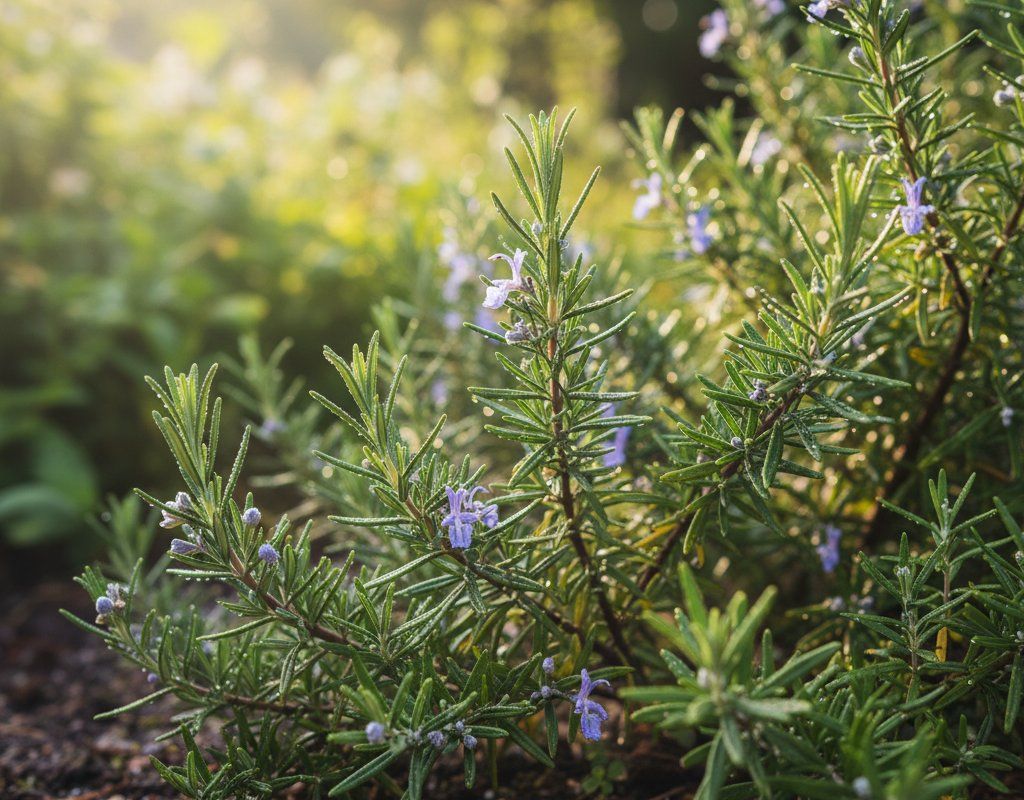
Keep Away From
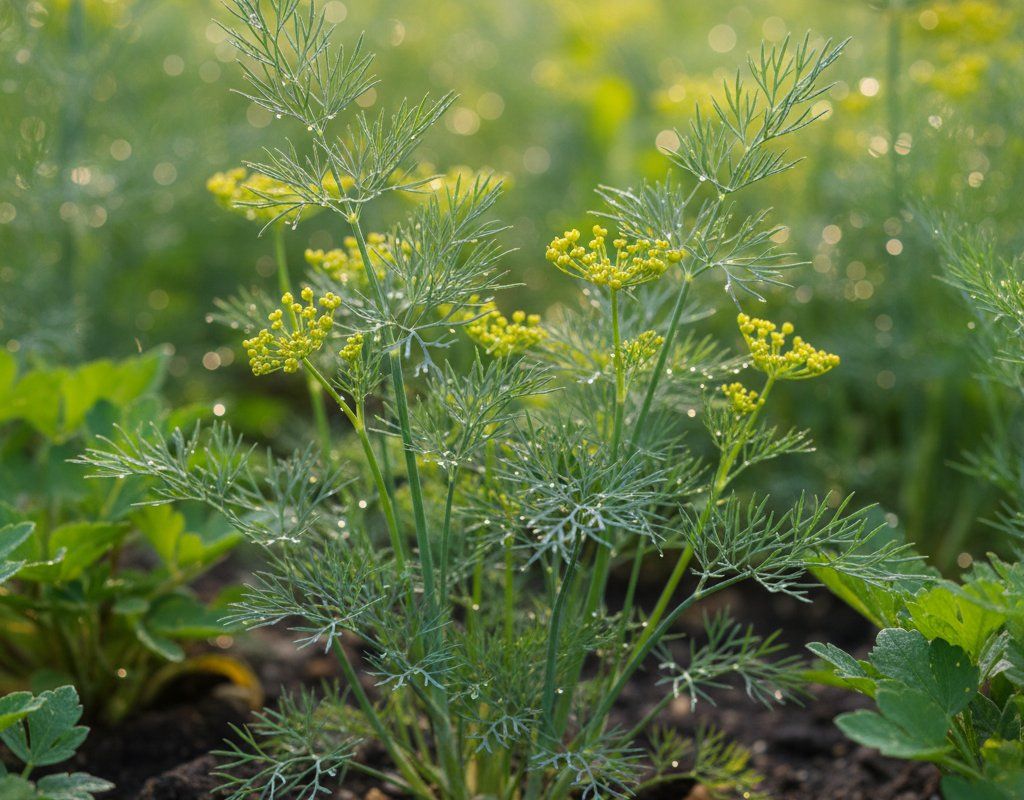
Companion Planting Details
Lettuce makes an excellent companion for carrots in Florida because it grows quickly in our cool season and shades the soil surface, helping maintain consistent moisture levels that carrots need. Onions planted nearby help deter carrot rust fly and other pests with their strong scent, plus they mature around the same time in our growing calendar. Tomatoes can work as companions if you're growing carrots in early spring before tomato season peaks, as the carrots will be harvested before the tomatoes need full space.
Avoid planting dill near carrots as it can cross-pollinate with carrots if they go to seed, affecting flavor and potentially creating bitter roots. Parsnips should also be avoided since they're in the same family and compete for similar nutrients, plus they can harbor the same pests and diseases. In Florida's humid conditions, giving each crop adequate spacing and air circulation is especially important to prevent fungal problems.
🌸Best Flowers to Plant with Carrot
These flowers protect your Carrot from pests and attract pollinators for better harvests.


Get a Reminder When It's Time to Plant
We'll email you when key planting windows open for your zone.