
Carrot in Zone 10B — Florida
Daucus carota · Your Complete 2026 Planting Guide
Harvest Time!
Your Carrot should be producing now!
Harvest Tips
Check size by brushing soil away from crown. Pull when ready.
How to Plant Carrot in Zone 10B — Florida
Here are all your options for getting carrot in the ground, from the easiest method to more advanced approaches.
Direct Sow Seeds
RecommendedLate December through early October
around December 22
Consider succession planting every 2-3 weeks for continuous harvest.
Carrots have a taproot and don't transplant. Direct sow only.
Buy Starts
Works WellLate December through mid January
around December 22
Plant purchased starts after last frost (January 5).
Start Seeds Indoors
ChallengingThis plant is typically not started indoors.
Transplant Outdoors
Timing InfoLate December through mid January
around December 22
Can tolerate light frost, but wait for soil to be workable.
You have a nice window — no need to rush.
Fall Planting
Mid October through mid November
October 29 ideal · Direct sow for fall harvest
Plant a second crop in mid-summer for fall harvest. Carrot actually prefers the cooling temperatures of fall.
Overview
Growing carrots in Zone 10B Florida gives you access to sweet, crunchy roots that taste nothing like store-bought varieties. Our reversed growing season means you'll be harvesting fresh carrots through winter and spring when most northern gardeners are stuck with storage crops. The satisfaction of pulling perfectly straight orange roots from your own sandy soil makes dealing with our unique challenges worthwhile.
Florida's extreme humidity and nematode pressure can challenge carrot growing, but timing is everything here. With our 360-day growing season, you have multiple planting windows to work around summer heat and wet season conditions. Plant during our cool season and you'll avoid most fungal issues while enjoying steady growth through our mild winters.
Transplanting Outdoors
Carrots develop a long taproot that doesn't tolerate transplanting well, making this method rarely successful in Florida gardens. If you absolutely must try transplanting, your window runs from late December through mid January when soil temperatures are cool and roots face less shock.
The few transplants that survive need gentle handling and immediate deep watering in our sandy soils. Even with careful hardening off over a full week, expect significant root disturbance that often leads to forked or stunted carrots. Most Florida gardeners skip this headache entirely and direct sow instead.
Direct Sowing
Direct sowing is your only reliable method for growing carrots in Florida, and timing makes all the difference here. Your planting window runs from late December through early October, but avoid the hottest months when germination struggles in our intense heat and humidity.
Prepare your soil by working in compost to improve our naturally sandy conditions - loose, well-draining soil prevents the forking issues common in Florida gardens. Carrot seeds need consistent moisture for 2-3 weeks to germinate, so sow when you can maintain steady watering without fighting summer thunderstorms. Plant seeds 1/4 inch deep and keep rows 12 inches apart.
Space your mature carrots 2-3 inches apart by thinning seedlings once they reach 2 inches tall. In Florida's sandy soils, carrots appreciate the loose conditions but need that organic matter to hold moisture during our dry spells between summer rains.
Watering Carrot in Zone 10B (Florida)
Carrot watering in Florida requires a completely different approach than northern gardens due to our wet summers and bone-dry winter stretches. During germination, keep soil consistently damp for 2-3 weeks - this is non-negotiable in our heat, even during winter plantings. Once established, carrots need about 1 inch of water weekly, but adjust for our seasonal extremes.
Summer plantings face the challenge of our 50-65 inches of annual rainfall combined with 93°F heat and crushing humidity. Water at soil level rather than overhead to prevent fungal issues that thrive in our muggy conditions. During summer thunderstorms, focus on drainage rather than additional watering - soggy roots rot quickly in our climate.
Use the finger test religiously: stick your finger 2 inches into the soil near your carrots. In winter, you might water twice weekly, but summer plantings often need daily attention between rain events. Watch for wilting in afternoon heat (underwatering) or yellowing leaves with soft stems (overwatering).
A 2-inch layer of mulch helps moderate moisture swings in our sandy soil, but keep it pulled back from the carrot crowns. Florida's humidity can turn mulch into a fungal breeding ground if it stays constantly wet against plant stems.
🧪Fertilizing Carrot
Feeding Schedule
Organic Fertilizer Options
Harvest Time
Your first carrot harvest comes 70 days after sowing, typically arriving between early March and early January depending on your planting timing. In Florida's sandy soils, you'll often see carrot shoulders pushing above ground level - this is your cue that roots have reached harvestable size at about 3/4 inch diameter.
Test harvest by gently pulling one carrot to check size and flavor. If the soil is compacted from recent rains, loosen it first with a fork to avoid snapping roots off at soil level. Harvest in the morning when roots are crisp and full of moisture, before afternoon heat starts to stress the plants.
Unlike northern gardens where carrots can stay in frozen ground for months, Florida carrots need prompt harvesting once mature. Our warm soils keep roots growing and can lead to oversized, woody carrots if left too long. Plan your succession plantings accordingly since you can't store them in the ground.
As our brief "frost season" approaches in late December, harvest remaining carrots before any temperature drops. Even light frost can damage the foliage and make harvesting more difficult, though the roots themselves typically survive our mild winter lows.
Common Problems in Zone 10B (Florida)
Forking Your carrots develop multiple split roots instead of single straight ones, creating bizarre twisted shapes that are hard to clean and use. This happens when the main taproot hits an obstacle in the soil and divides around it. In Florida, our sandy soils should prevent this, but compaction from heavy rains or root-knot nematodes often cause the same splitting effect.
Prevent forking by growing carrots in raised beds filled with loose potting mix, especially if you're dealing with nematode pressure. Avoid fresh manure which attracts pests and can create hot spots that damage developing roots. Choose shorter carrot varieties like Paris Market if your soil tends to compact during our wet season.
Carrot Rust Fly Small dark flies hover around your carrot plants while rusty brown tunnels appear throughout the roots, making them inedible. The larvae tunnel through developing carrots, creating winding paths that ruin your harvest. Florida's year-round growing season means these pests can complete multiple generations, especially problematic during our warm winters.
Row covers provide the best protection throughout the growing season, though they can trap humidity in summer plantings. Interplant carrots with onions whose strong scent confuses the flies seeking egg-laying sites. Avoid thinning during peak fly season since the bruised carrot foliage releases attractive scents.
Green Shoulders The top portions of your carrots turn green where they push above the soil surface, creating bitter-tasting sections you'll need to trim away. This happens because carrot shoulders naturally push upward as they grow, and Florida's intense sun quickly triggers chlorophyll production in exposed root tissue.
Hill loose soil or pull mulch over emerging carrot tops as they develop, checking weekly since growth accelerates in our warm conditions. Harvest promptly once carrots reach full size rather than leaving them to continue growing and pushing further above ground. The green portions are safe to eat but taste bitter compared to the orange parts.
Florida Specific Challenges Our extreme humidity creates perfect conditions for fungal diseases that rarely trouble carrots in drier climates, while nematodes in sandy soils can cause root distortion similar to forking. Summer heat makes spring and fall plantings more successful than fighting 93°F temperatures and afternoon thunderstorms that can wash out young seedlings.
Best Companions for Carrot
Plant these nearby for healthier Carrot and better harvests.

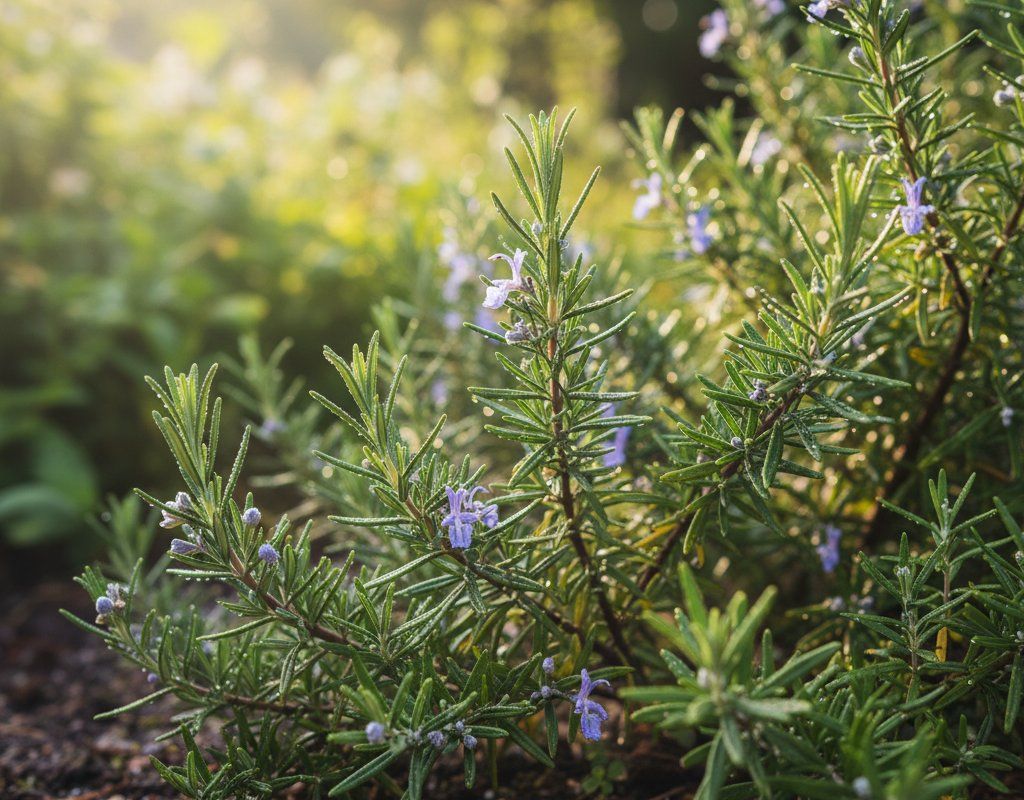
Keep Away From
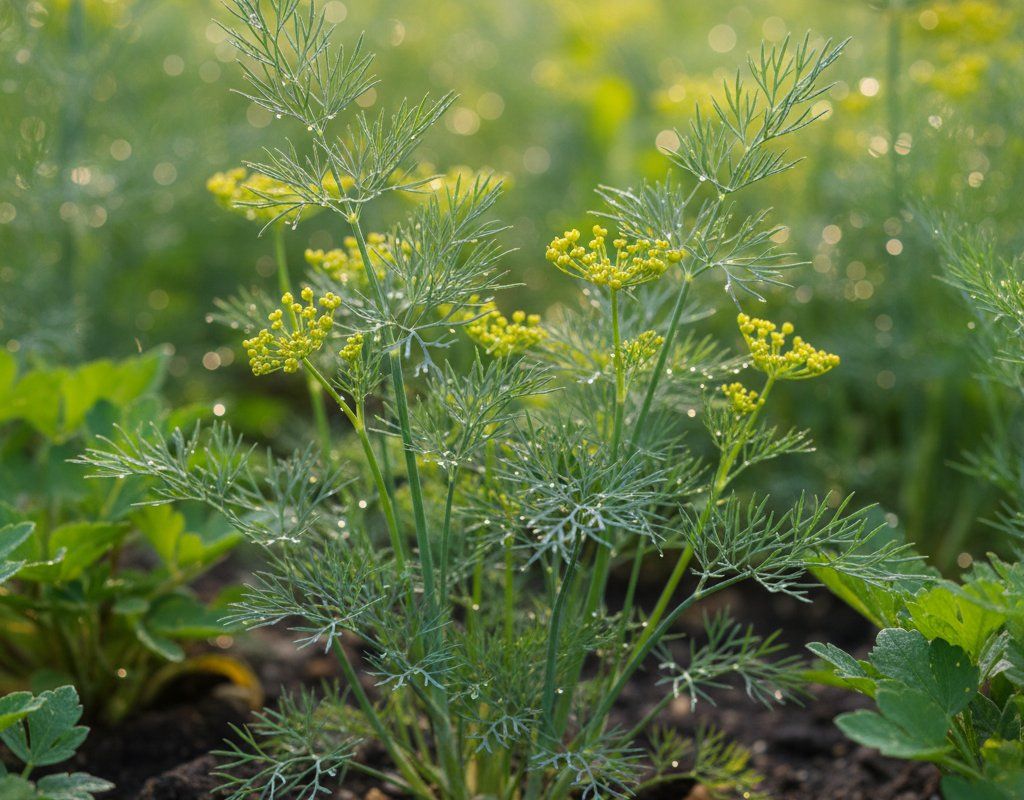
Companion Planting Details
Plant lettuce and onions alongside your carrots for natural pest management and space efficiency in Florida gardens. Lettuce provides living mulch that helps retain soil moisture during our dry spells while its shallow roots won't compete with carrot taproots. Onions repel carrot rust flies with their pungent scent and help break up nematode cycles that commonly affect both crops in our sandy soils.
Avoid planting dill near carrots since it attracts the same pests, particularly carrot rust flies that become more problematic in our year-round growing climate. Parsnips share too many diseases with carrots and both crops struggle with the same nematode species common in Florida soils, making companion planting a recipe for concentrated pest pressure.
🌸Best Flowers to Plant with Carrot
These flowers protect your Carrot from pests and attract pollinators for better harvests.


Get a Reminder When It's Time to Plant
We'll email you when key planting windows open for your zone.