
Carrot in Zone 6A — Mountain West
Daucus carota · Your Complete 2026 Planting Guide
Planning Ahead — Great!
You’re ahead of the season. Here’s when to start.
Mark Your Calendar
How to Plant Carrot in Zone 6A — Mountain West
Here are all your options for getting carrot in the ground, from the easiest method to more advanced approaches.
Direct Sow Seeds
RecommendedMid April through early July
around April 17
Consider succession planting every 2-3 weeks for continuous harvest.
Carrots have a taproot and don't transplant. Direct sow only.
Buy Starts
Works WellMid April through mid May
around April 17
Plant purchased starts after last frost (May 1).
Start Seeds Indoors
ChallengingThis plant is typically not started indoors.
Transplant Outdoors
Timing InfoMid April through mid May
around April 17
Can tolerate light frost, but wait for soil to be workable.
You have a nice window — no need to rush.
Fall Planting
Mid July through mid August
July 30 ideal · Direct sow for fall harvest
Plant a second crop in mid-summer for fall harvest. Carrot actually prefers the cooling temperatures of fall.
Overview
Carrots thrive in our Mountain West climate, offering exceptional sweetness that develops beautifully in our cool nights. The intense high-altitude sunlight combined with those crisp evening temperatures produces carrots with concentrated sugars and vibrant color that puts store-bought varieties to shame. You'll appreciate having fresh carrots through late fall, and they store remarkably well in our dry conditions.
Our short 153-day growing season and unpredictable spring weather might seem challenging for root vegetables, but carrots are actually quite forgiving once you understand the timing. They handle our late frosts better than most crops and actually prefer our moderate summer temperatures over scorching heat. The key is working with our Mountain climate rather than fighting it.
Transplanting Outdoors
Carrots don't transplant well due to their deep taproot, so skip this method entirely. Any disturbance to that developing taproot will cause forking, stunted growth, or twisted roots that won't develop properly.
If you've started carrot seeds indoors thinking you'd transplant them later, it's better to direct sow fresh seeds outside instead. The energy you'd spend on transplanting is better invested in preparing a perfect seedbed for direct sowing.
Direct Sowing
Direct sowing is the only reliable way to grow carrots, and it works beautifully in our Mountain climate. Sow seeds from mid-April through early July, starting as soon as soil can be worked in spring. The soil should be at least 45°F, which typically happens by late April at our elevation.
Prepare a fine seedbed by working the soil deeply and removing all rocks and clumps - carrots need loose, obstacle-free soil to develop straight roots. In our alkaline conditions, mixing in some compost helps both soil structure and pH. Sow seeds about ¼ inch deep and 2-3 inches apart in rows 12 inches apart.
Keep the soil consistently moist during the 14-21 day germination period, which can be challenging in our low humidity. Cover the seeded area with a board or damp burlap until seeds sprout, checking daily. Our intense UV can dry out soil surface quickly, so consistent attention during germination is crucial.
Watering Carrot in Zone 6A (Mountain West)
Carrots need consistent moisture throughout their 70-day growing period, which requires attention in our dry Mountain climate. During germination, check soil daily and water lightly to keep the top inch constantly damp for 2-3 weeks. Once established, carrots need about 1 inch of water weekly, which is significantly more than our typical 10-20 inches of annual rainfall provides.
Use the finger test to check moisture 2 inches deep - the soil should feel like a wrung-out sponge. In our low humidity, surface soil dries quickly while deeper soil may still be moist, so don't rely on surface appearance alone. Water deeply but less frequently once plants are established, encouraging roots to grow down rather than staying shallow.
Water at soil level rather than overhead to make the most of every drop in our dry air. Overhead watering loses significant moisture to evaporation and can encourage the few disease problems we do see. During our moderate summer temperatures (typical highs around 85°F), morning watering gives plants time to absorb moisture before afternoon heat.
Watch for signs of stress: wilting despite adequate soil moisture usually means inconsistent watering, while cracked roots indicate uneven moisture levels. A thin layer of mulch helps retain moisture in our arid conditions, but keep it light since our cool nights don't require heavy mulching for temperature control.
🧪Fertilizing Carrot
Feeding Schedule
Organic Fertilizer Options
Harvest Time
Your first carrots will be ready from late June through early October, depending on when you planted and which variety you chose. Most carrots mature in about 70 days from sowing, but you can harvest smaller "baby" carrots earlier if you prefer. Look for carrot tops that are about ¾ inch in diameter at soil level - the shoulders will often push slightly above ground when ready.
Test harvest by gently pulling one carrot or loosening the soil around it first to avoid snapping the root. Mature carrots should lift easily with a gentle twist and pull. The color should be deep and even - pale carrots need more time, while very dark colors might indicate overmaturity.
Our early October first frost doesn't immediately damage carrot foliage, but it signals time to finish harvesting. Carrots actually improve in flavor after a light frost, becoming noticeably sweeter as starches convert to sugars. However, harvest before hard freezes arrive, as frozen ground makes digging difficult and repeated freeze-thaw cycles can damage root quality.
Store harvested carrots in our dry Mountain air by removing tops immediately and keeping roots in barely damp sand or peat moss in a cool location. Our low humidity naturally prevents the rot problems common in more humid climates, making storage surprisingly easy.
Common Problems in Zone 6A (Mountain West)
Forking Forked or twisted carrots with multiple "legs" instead of a single straight root are frustratingly common. You'll see carrots that split into two or more thick sections or develop numerous hairy side roots instead of smooth, tapered shapes. This happens when the developing taproot hits rocks, hard pan, or other obstacles in our often rocky Mountain soils. Fresh manure can also cause forking by creating nitrogen-rich pockets that encourage excessive side root growth.
Create obstacle-free growing areas by working soil deeply and removing every stone you can find. Raised beds filled with purchased potting mix work excellently for carrots in our challenging mountain soils. If you're working with native soil, choose shorter carrot varieties that don't need as much depth to develop properly.
Carrot Rust Fly Small rusty-brown tunnels winding through your carrot roots signal carrot rust fly larvae damage. You might notice small dark flies hovering around plants, and affected carrots often have wilted foliage despite adequate watering. The adult flies lay eggs near carrot stems, and the resulting maggots bore into developing roots.
Row covers provide the most reliable protection and work well in our intense Mountain sun since they only reduce light by about 10%. Time plantings to avoid the first generation of flies, which typically emerge in late May at our elevation. Interplanting with onions helps confuse the flies with competing scents, and harvesting promptly prevents extended exposure.
Green Shoulders The top portions of otherwise perfect carrots turn green where they've pushed above soil level and been exposed to our intense high-altitude sunlight. These green areas produce chlorophyll just like any plant tissue exposed to light, creating an unappealing appearance and slightly bitter flavor.
Hill soil over exposed carrot tops as they develop, or apply a light mulch around plants. Our intense UV makes this more common than in lower elevations, so check plants regularly and cover any exposed shoulders. The green portions are safe to eat but taste better when trimmed away.
Mountain West Specific Challenges Our combination of intense UV, alkaline soils, and dry conditions creates unique challenges for carrot growing. The strong sunlight can stress young plants if soil moisture isn't consistent, while our alkaline soils can limit nutrient availability. However, our moderate summer temperatures and low disease pressure from dry air actually make carrots easier to grow than in more humid climates once you master the watering routine.
Best Companions for Carrot
Plant these nearby for healthier Carrot and better harvests.

Keep Away From
Companion Planting Details
Lettuce makes an excellent companion for carrots in our Mountain climate since both crops prefer consistent moisture and lettuce's shallow roots don't compete with carrots' deep taproots. The lettuce also provides some shade for young carrot seedlings during our intense midday sun. Onions planted nearby help repel carrot rust flies with their strong scent, while their upright growth doesn't interfere with carrot development.
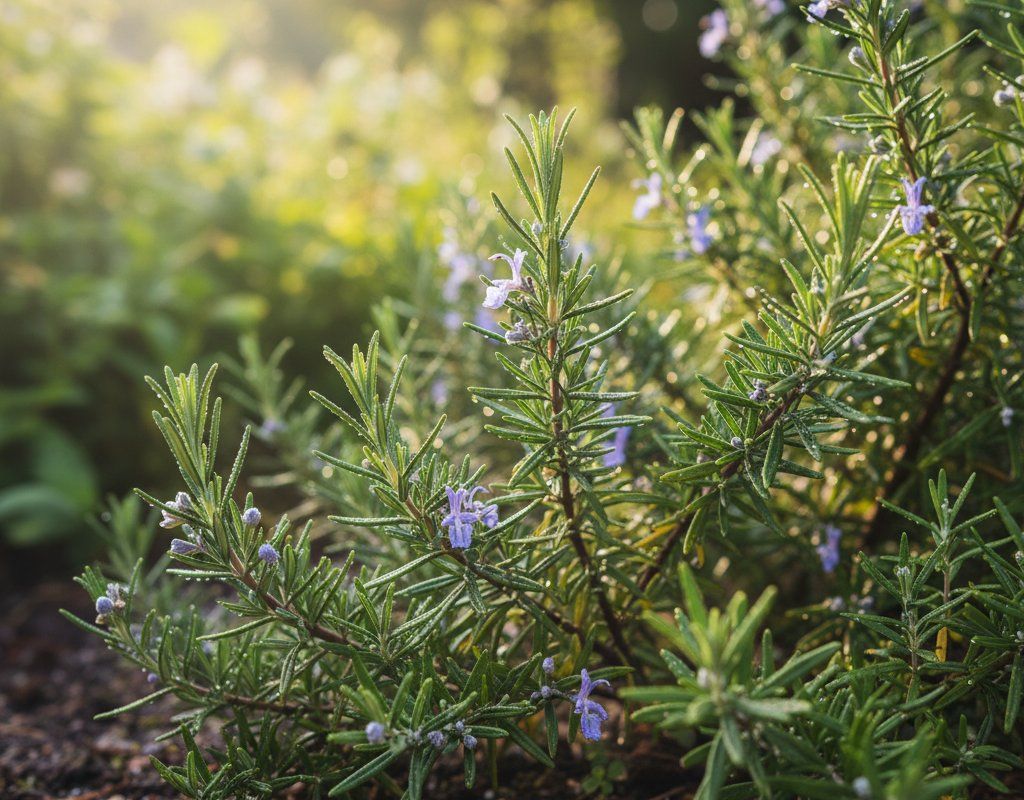
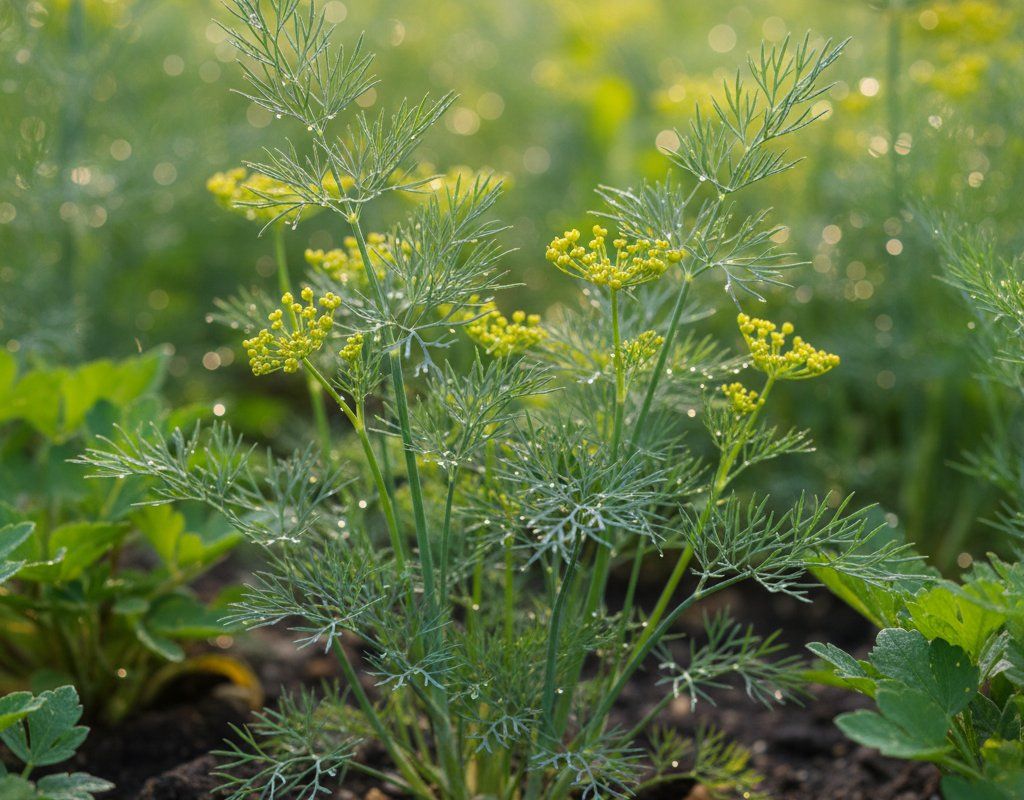
Tomatoes work well with carrots since both appreciate our cool nights and moderate summer temperatures. Plant rosemary at the edges of carrot beds - it thrives in our dry conditions and its strong fragrance may help deter various pests. Avoid planting dill near carrots as it can cross-pollinate and affect flavor, and skip parsnips since they attract the same pests and compete for similar soil nutrients and space.
🌸Best Flowers to Plant with Carrot
These flowers protect your Carrot from pests and attract pollinators for better harvests.


Get a Reminder When It's Time to Plant
We'll email you when key planting windows open for your zone.